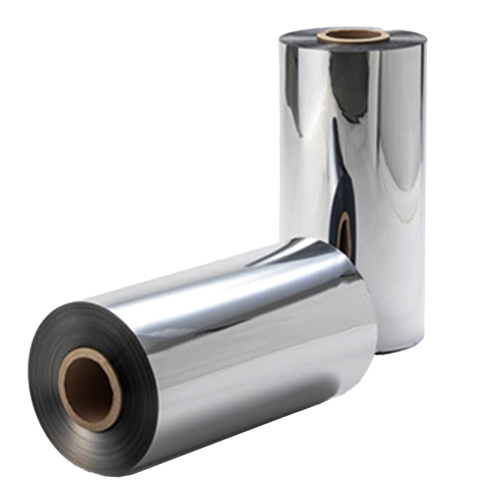
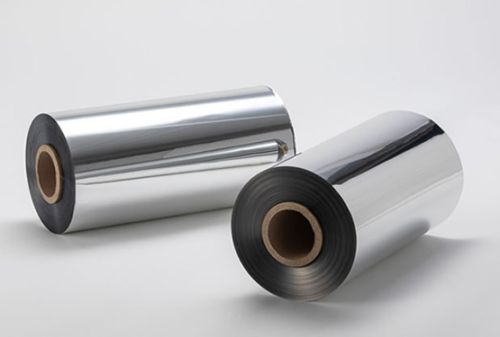
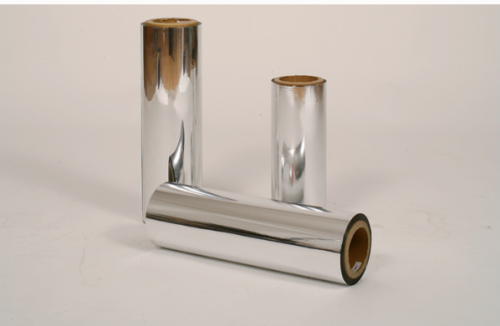
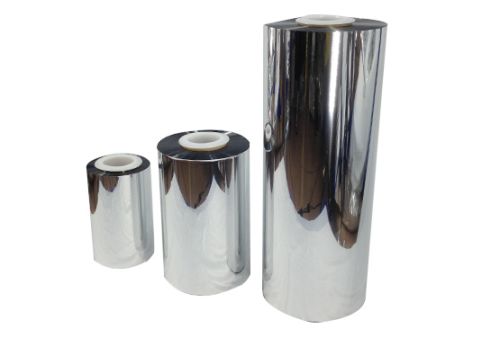
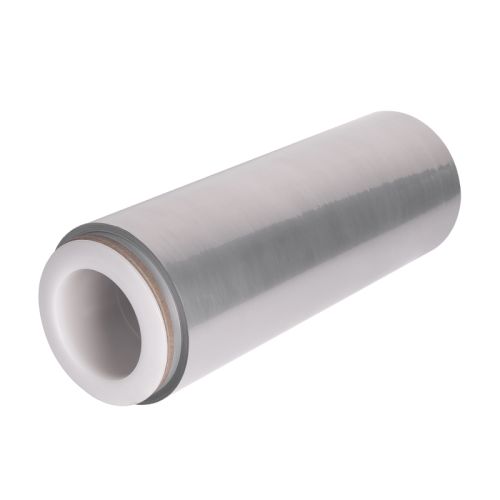
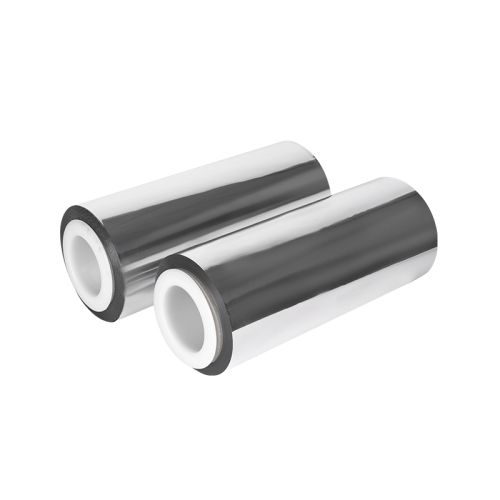
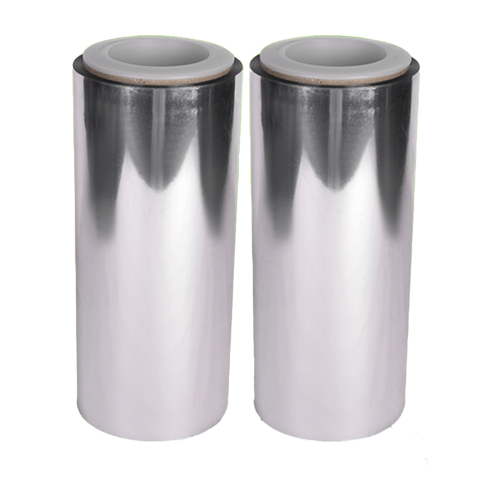
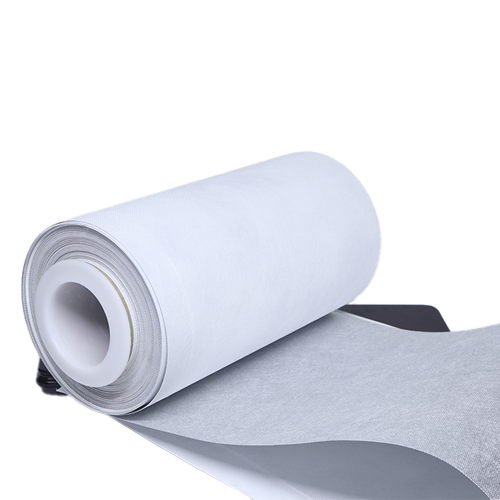
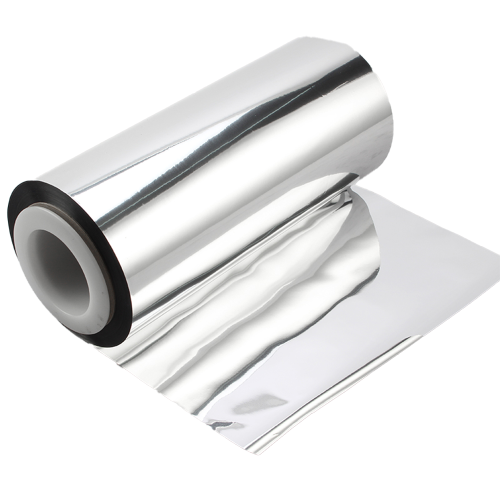
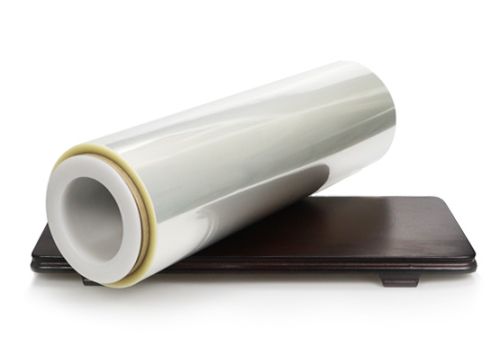
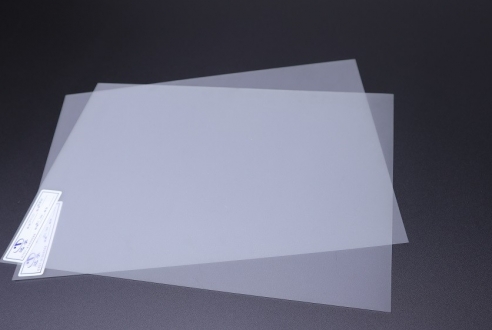
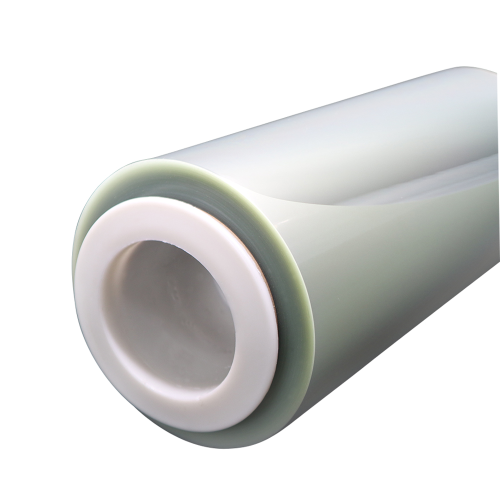
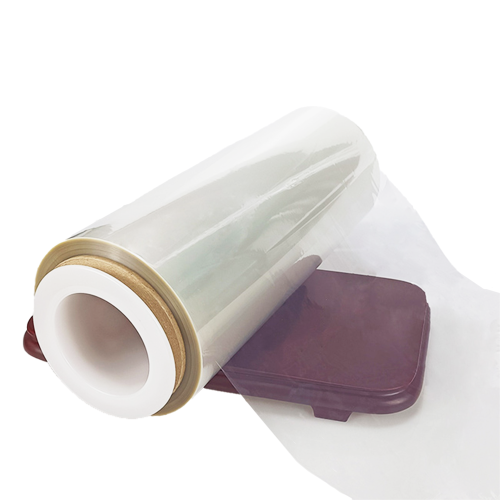
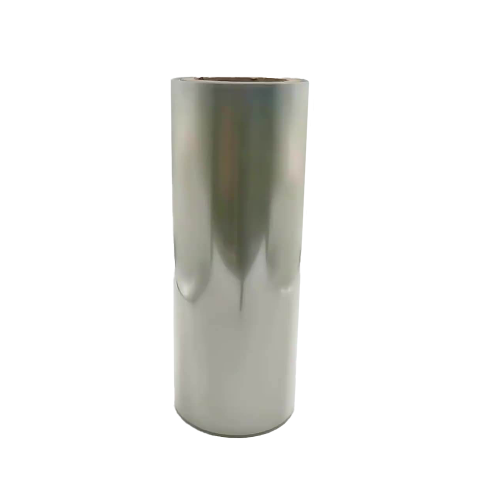
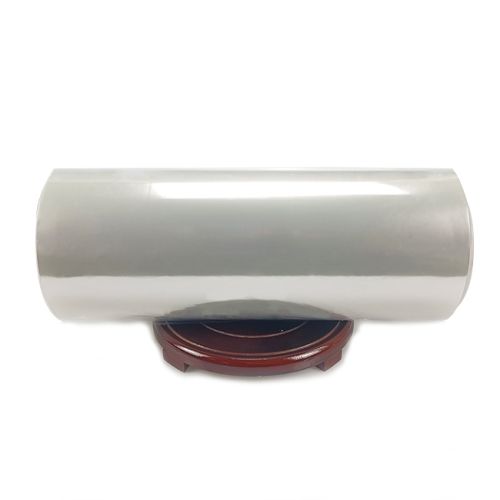
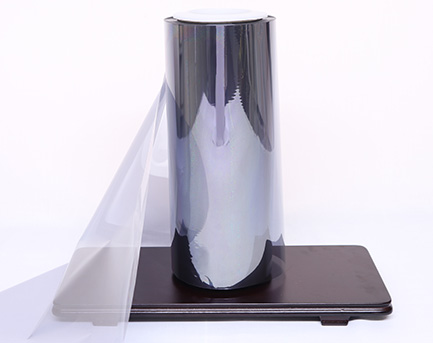
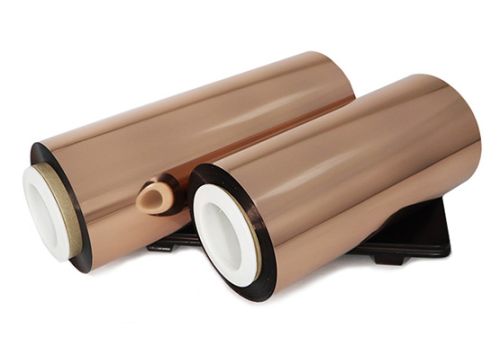
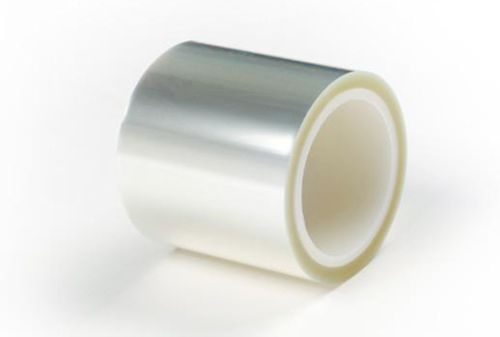
A laminate can hold its metal layer across a wide roll and show silver debris or clear streaks close to the edges after it is slit into narrow rolls. high adhesion metallized PET film gives converters a PET barrier web with a specified aluminum attachment reference. Buyers should compare that reference with the cut edge of the actual laminate before ordering a material for small lanes.
Cailong's film portfolio lists high adhesion metallized PET in distinct grades. The brochure uses 12 µm reference specimens and lists aluminum attachment of at least 2.0 and 2.5 N per 15 mm by the EAA method for the two listed grades. Ask the supplier to identify the offered grade and applicable specification. That measurement describes the attachment of the deposited layer under its test procedure. A slitter trial addresses a different contact and specimen geometry.
Locate the streak before separating layers
Record the parent roll, narrow roll and slit lane before cutting a laboratory specimen. Photograph the edge and the face immediately beside it. If the affected area changes down the roll, retain a section that shows the transition. Include a clean lane from the same parent material to help separate a general laminate issue from a localized one.
Inspect both faces of the laminate and document how the metallic area appears under consistent lighting. A clear streak may indicate missing metal, a cut feature or a change in how the layers reflect light. The converter should preserve the original specimen before peeling it apart. If the appearance affects the disposition of the roll, the laboratory can select an examination that identifies the relevant surface.
Check the material before the slitter
Keep uncut laminate from the same run and inspect the region corresponding to the affected lane where practical. Use a consistent orientation and specimen support. If the feature already appears on the parent material, compare incoming film and intermediate laminate records. If it appears only after slitting, use that observation to focus the next comparison.
The parent web also establishes the layer order and which face carries the metal. Record the adhesive, companion web and cure status. If one product uses a different lamination arrangement, label it as a construction change. A stronger aluminum bond may be useful to the buyer, but it should be evaluated in the stack that actually reaches the slitter.
Compare tooling and roll history
Review the approved slitting method with the equipment team. Identify the tool position that produced the edge, including where the web was supported. Keep records of the cutter condition and when the affected material passed through it. Evidence from several adjacent lanes can show whether a feature follows one tool position or a broader condition.
Retain sections from the roll face and from a representative position within the roll. If the defect occurs only after rewinding or handling, inspect the contact and support involved in those steps. A narrow roll can be affected after the cut has been made. Document which operation first produces the observation before changing the grade.
Use the attachment result for material selection
Request the current grade data and the method used for the aluminum attachment value. If a converter performs a laminate peel check, label it separately and record the geometry and failure plane. A result from one method cannot be compared directly with a force measured on an unrelated adhesive stack.
For a narrow-roll project, take representative specimens that include the affected cut edge. Include specimens farther from the edge as controls where appropriate. If metal transfer is suspected, retain the corresponding surfaces. A force result alone can hide whether separation took place at the metal, the adhesive or another interface.
Check whether the edge enters a functional area
Map the slit edge against the final pouch, label or converted part. Determine whether it is trimmed away later, included in a sealed region or left exposed in the finished product. This distinction affects the evidence needed for release. A streak that enters a functional region may require barrier, bond or integrity checks under the buyer's specified method.
If the package relies on the layer for oxygen or moisture protection, choose representative specimens from the actual conversion route. Request transmission values with the grade, gauge and conditions attached. A flat film value supports screening, while the edge investigation needs samples that preserve the relevant location. Keep both types of evidence in the same qualification record.
Compare trial rolls on the intended line
When a buyer replaces standard metallized PET with a high adhesion option, compare the two using the same laminate construction and slit layout where possible. If the equipment or materials must change as well, identify the combination as a separate trial. Use comparable sampling and keep acceptable edge references for both materials.
Run enough material to inspect representative production conditions and lane positions agreed with the converter. Include the intended roll width, core and winding direction in the brief. A small hand-cut swatch can show the general appearance of the film but cannot represent the edge produced on the production slitter.
Specify what will be accepted at delivery
List the required film grade, gauge, aluminum attachment basis and protective properties. Include the laminate drawing and narrow-roll dimensions. Show the accepted edge appearance and the inspection areas that matter to the application. Define how the supplier and converter will identify the parent and slit rolls if a complaint occurs.
A high adhesion metallized PET web can be a candidate where the buyer needs better control of metal attachment in a flexible laminate. For a narrow-roll order, the deciding evidence includes how the selected construction cuts, winds and performs in the finished format. Linking the film data to traceable slit samples gives purchasing a practical way to compare offers and review subsequent production.