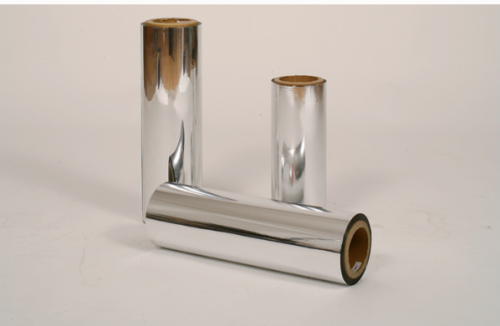
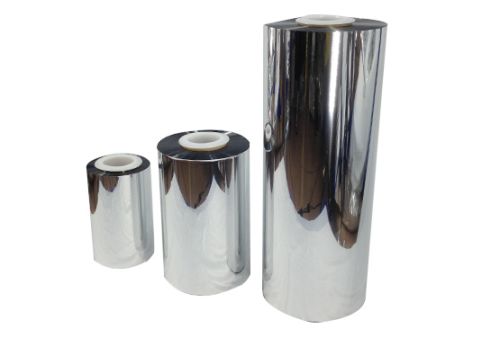
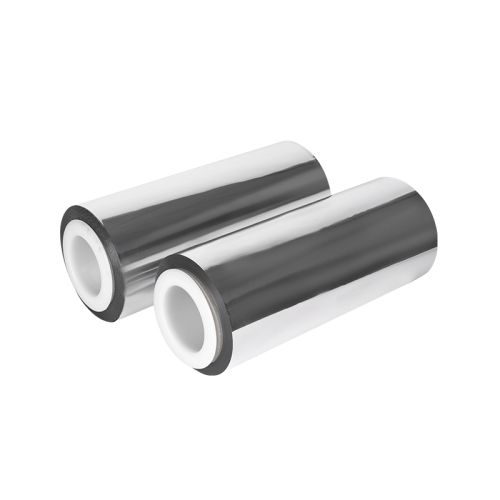
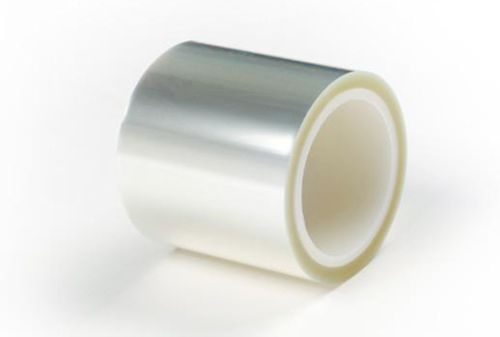
Powder near the end seal can turn an apparently simple sachet into a difficult material qualification. metallized CPP film is a candidate for packaging that needs a metallic barrier layer and a CPP-based structure. The buyer should identify the sealing face and determine how the selected laminate behaves with the actual powder and filling process before comparing seal-strength figures.
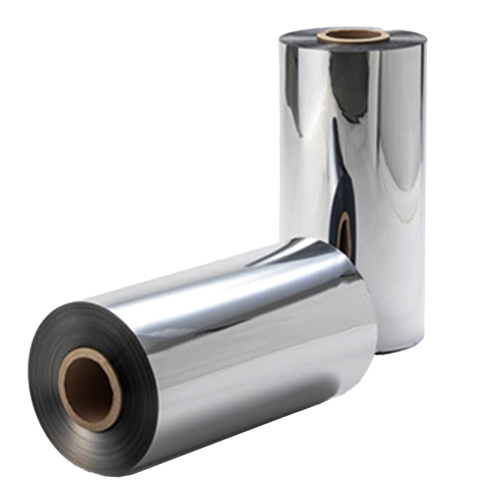
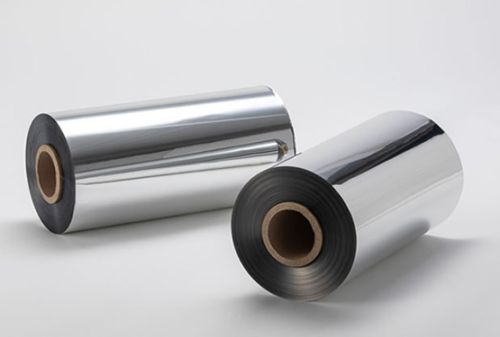
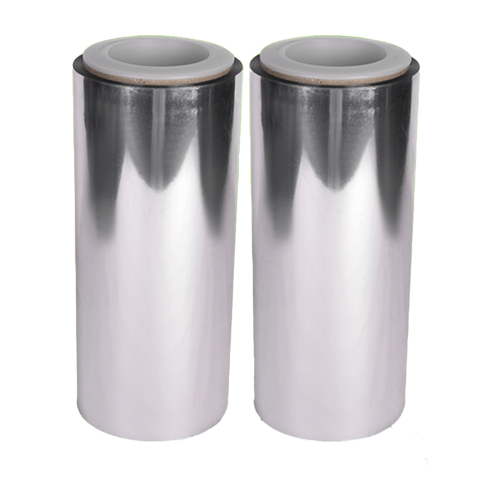
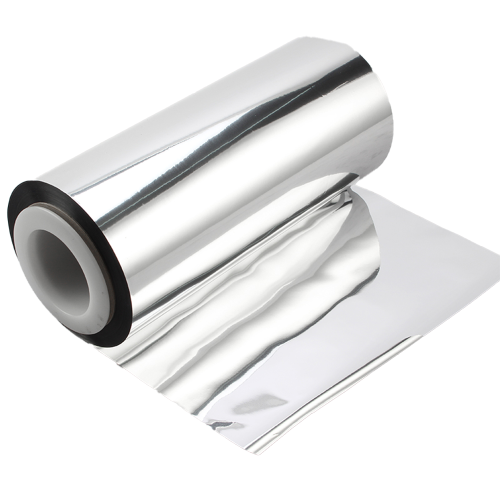
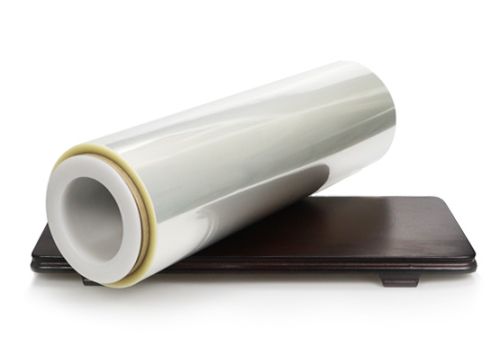
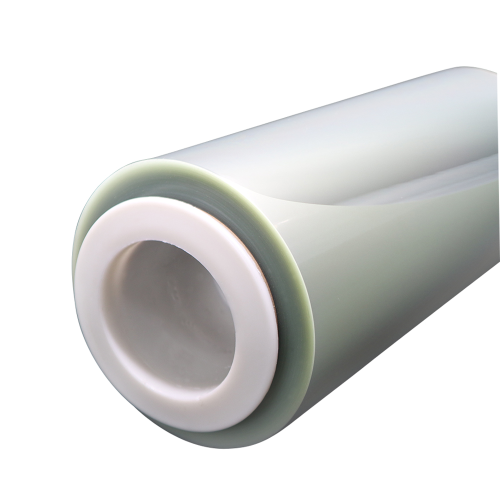
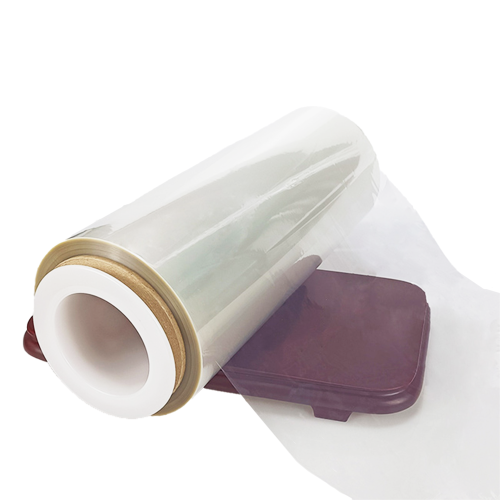
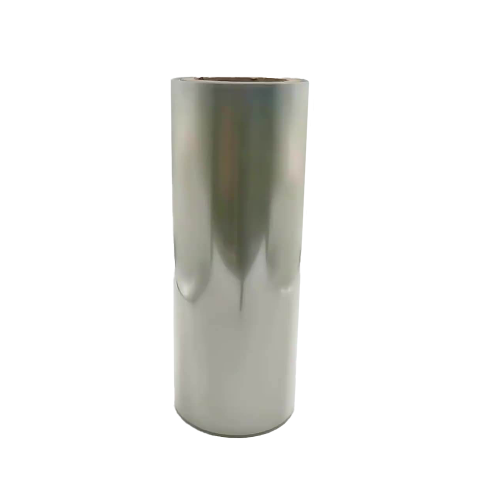
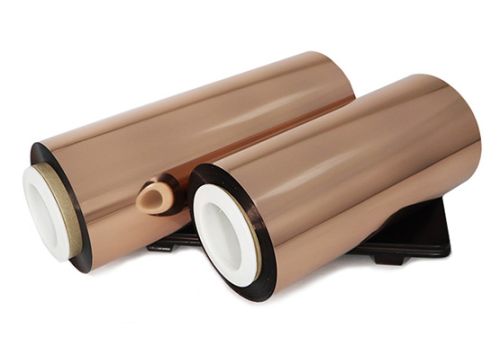
Cailong's film portfolio describes metallized CPP as cast polypropylene carrying deposited aluminum for oxygen and moisture protection. Confirm the offered film grade, gauge and surface arrangement. The intended laminate may use the film in a sealing-related role, but compatibility and processing must be confirmed for the actual construction and the face brought into contact with the jaw and product.
Map where powder reaches the seam
Observe the filling stage and mark where the powder is found before sealing. Inspect representative startup and stable-run samples. Keep the orientation of the bag relative to the machine. A concentrated deposit at one side may require a different process investigation from a uniform dusting across the intended seam.
Record the powder identity and representative condition. Particle size, flow and product handling can differ among formulations. Use the customer's intended fill rather than a convenient substitute unless the trial is explicitly a screen. If a substitute is used, state the question it can answer and confirm the shortlisted material with the actual product before release.
Identify the layers that meet
Draw the laminate and show the intended heat-sealing interface. Identify the face of the metallized CPP that carries aluminum and any other layers or coatings. Ask the supplier and converter to confirm the construction. The film's generic name cannot establish how it will seal in every orientation.
Keep an incoming sample and a section of the converted laminate. If a seal separates, retain both faces and record where the failure occurred. A weakness in an adhesive interface can be mistaken for a weak heat seal when the test specimen is interpreted only through its peak force. The failure location helps decide which supplier should review the result.
Establish a clean-seal reference
Start with samples made under the converter's approved conditions using a clean sealing region. Assess the relevant strength, failure mode and integrity. This provides a baseline for the candidate construction. If the clean reference is inconsistent, resolve that issue before introducing product at the seam as an additional variable.
Use the same method and conditioning for the control and candidate laminate. Record jaw temperature, pressure, dwell and any relevant cooling or handling step. These values come from the actual line or agreed trial procedure. A supplier's laboratory seal reference is useful only within its stated conditions and specimen arrangement.
Compare representative filling conditions
Build a trial that reflects the powder's route into the sachet and how the seam is formed. Use the process team's approved procedure to compare clean and representative filled samples. Document the amount and location of any material in the seam where it can be assessed. Avoid treating deliberately excessive contamination as a universal production condition.
Observe the time between product delivery and jaw closure. Record whether the bag moves or the powder is redistributed during that interval. A change to the filling arrangement may improve the result while the laminate stays fixed. Keep material and process changes identifiable so the team can reproduce the useful combination.
Evaluate integrity alongside opening force
Inspect seam appearance and test the package with methods suited to the required protection. A high peel force can coexist with a localized channel if most of the seam remains well bonded. Conversely, a seam that opens at the chosen force still needs evidence that the unopened pack is sufficiently tight for the product.
Map any confirmed opening to the powder deposit or other physical feature. Preserve both affected and satisfactory samples. If a method cannot locate a leak, state its scope and select a follow-up with the laboratory where necessary. The report should show what each result establishes about the actual filled sachet.
Check what changes after handling
Assess the sachet at the stage where the customer will judge it. Include relevant storage or distribution conditioning and the agreed time after sealing. A freshly made sample provides an initial reference. The pack may also need to retain its seal while stacked, handled or carried through downstream equipment.
Record the location of any later failure. Compare it with the initial seam and the stress imposed by handling. If the project also has a defined barrier target, measure representative converted material or finished packs as required. Seal qualification and barrier qualification should use evidence that matches their respective requirements.
Compare a replacement on the full job
If the buyer currently uses another barrier and sealing construction, compare both with the same fill and format. Review machine behavior, seam appearance, product protection and opening. Metallized CPP may offer a useful construction route, but the decision depends on the functions assigned to every layer and the process that makes the sachet.
Keep powder found outside the bag separate from powder trapped within the sealing interface when recording observations. A dusty outer face can look serious without showing what happened inside the seam. Where the method allows it, map the confirmed particle location before pulling the seal apart. Include photographs and retain the opened specimen. This evidence can help the line team review product delivery and the converter review the sealing layer without confusing two different locations.
Provide the supplier with the roll dimensions, laminate drawing, product information and clean-seal baseline. Add the filled-pack results and photographs of relevant seams. This gives purchasing a clear basis for requesting the right sample and comparing quotations. The approved record can then identify a film and converting route that have been demonstrated on the powder sachet the customer intends to produce.