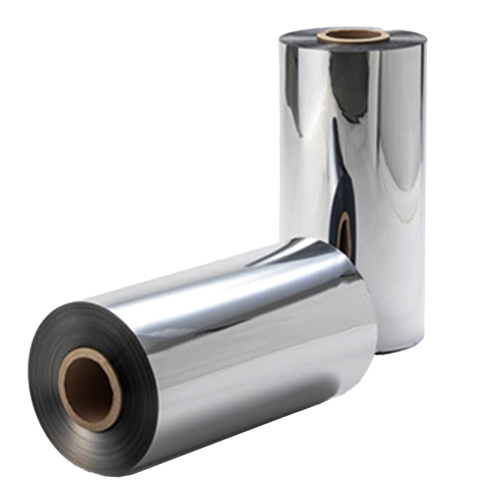
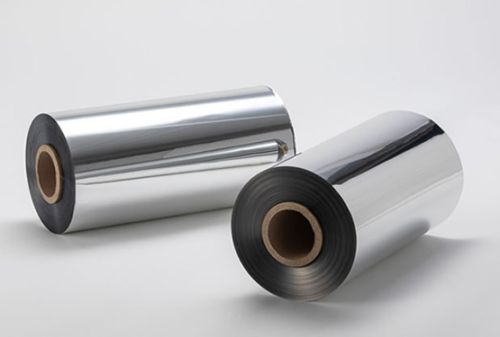
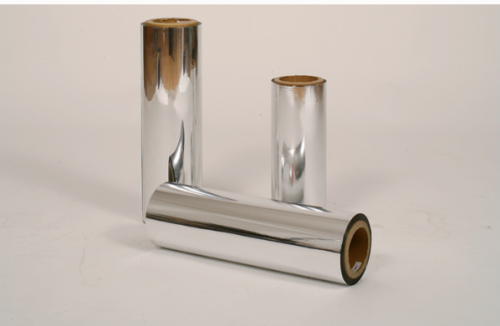
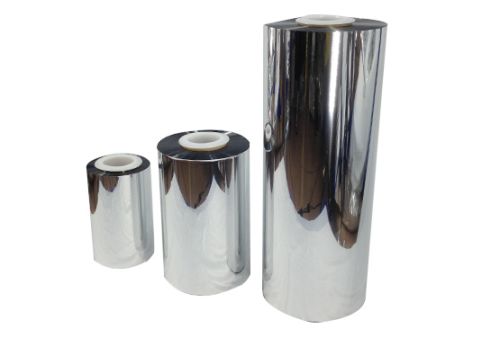
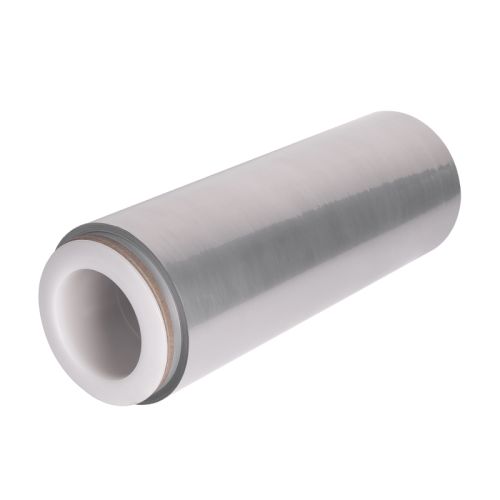
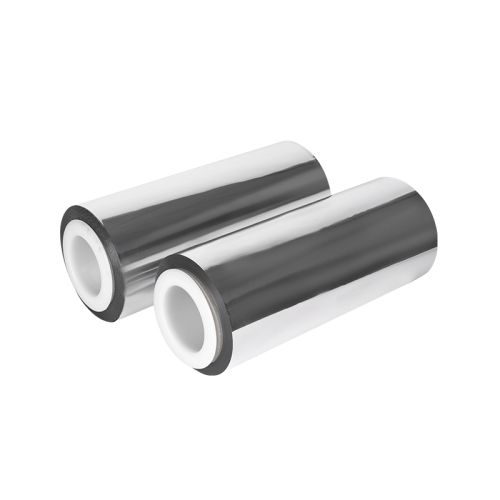
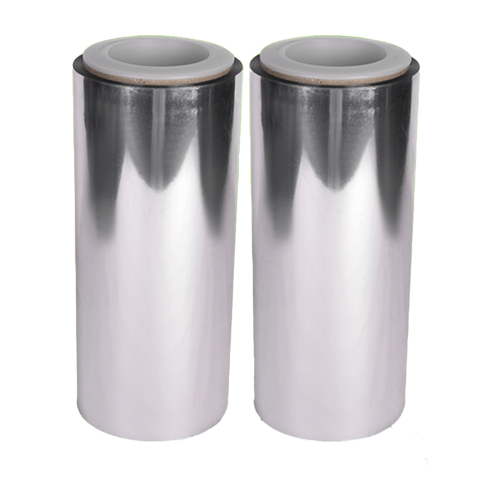
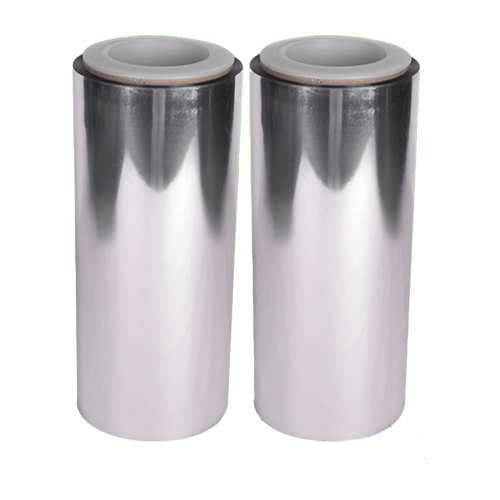
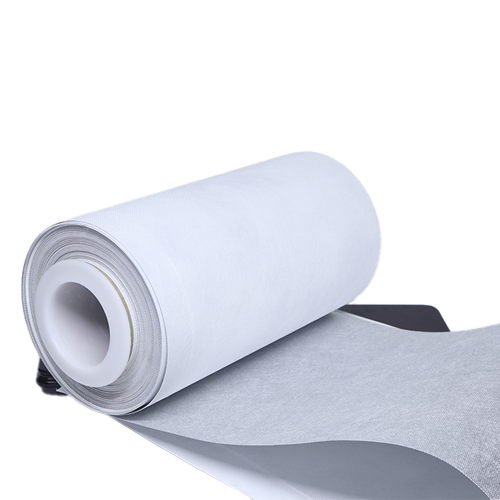
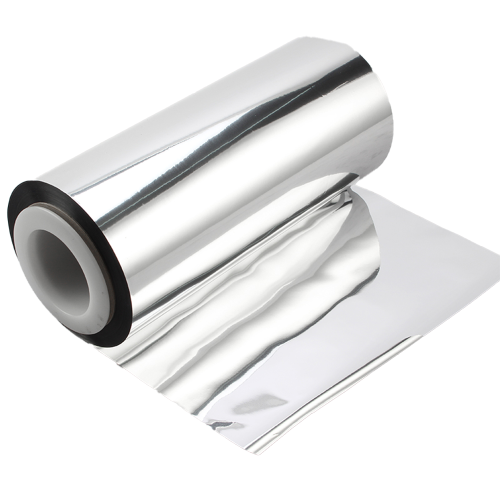
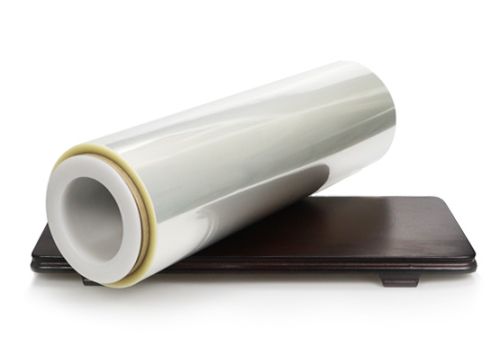
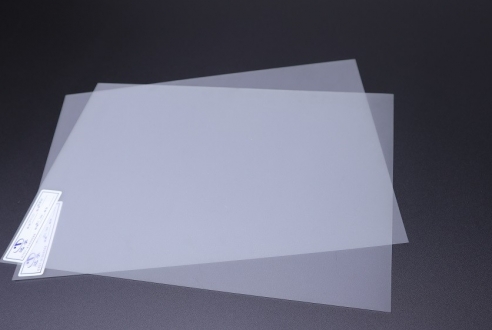
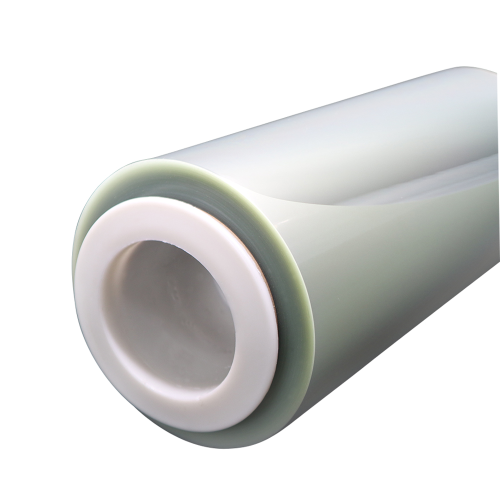
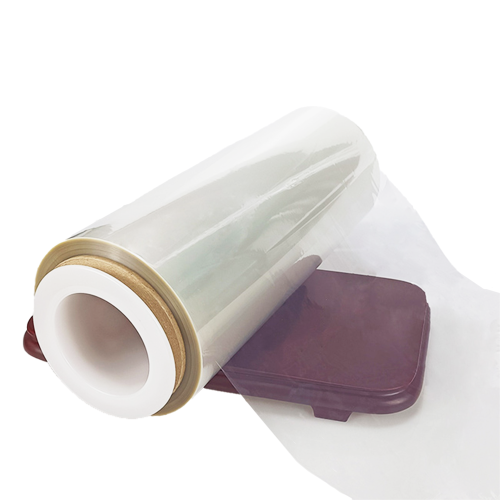
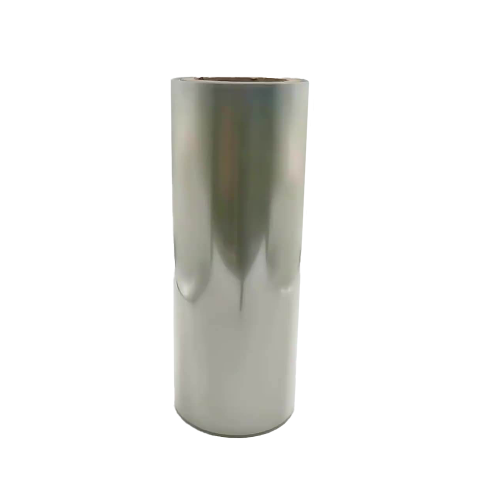
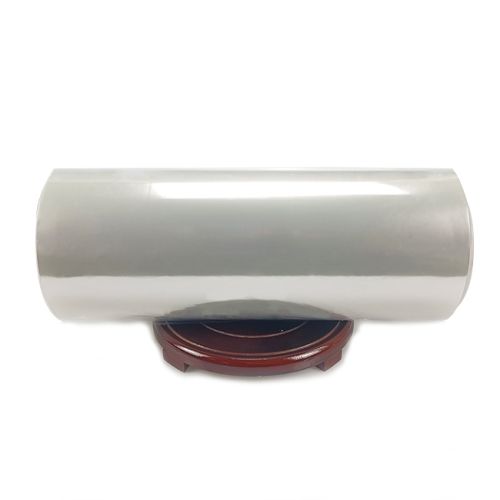
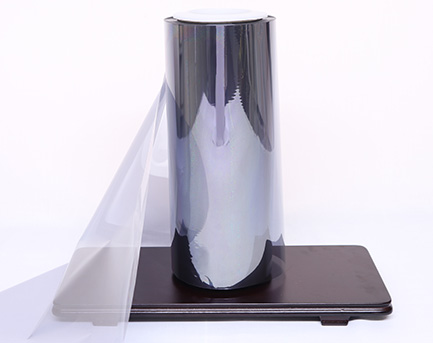
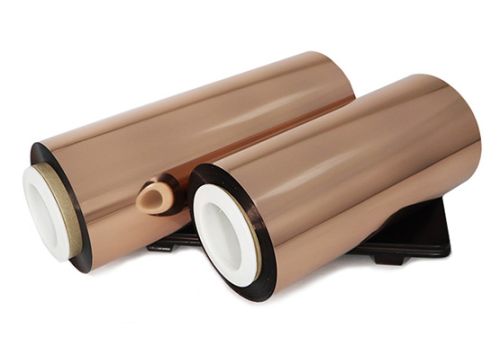
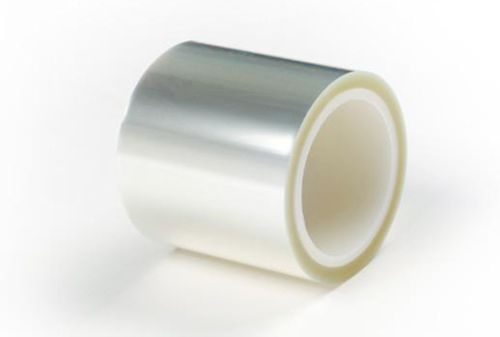
A refill pouch can protect its contents on the shelf and still prove difficult to pour when its folded outlet collapses or tears. metallized BOPA film is a candidate barrier and mechanical layer for converters evaluating a nylon-based laminate. If the outlet is formed from the pouch itself, qualify how that geometry folds, opens and handles the actual fill before deciding on the barrier web.
Cailong's film portfolio lists vacuum metallized BOPA for flexible packaging and describes combining it with CPP or PE in laminates. Confirm which version and companion film the supplier proposes. The coated nylon web can contribute to the structure, while the sealing and pouring performance depend on the complete laminate and pouch geometry.
Describe the opening and pouring sequence
Draw the outlet before opening, after opening and while the consumer pours. Identify the seal, fold, grip and the exposed edges. Observe the current package with the intended fill. A part can appear well shaped when empty and behave differently once the product shifts into the outlet. Record the specific event that the replacement must improve.
Ask the brand or filling team to define the acceptance criteria. These may include a controlled opening, a consistent flow and the ability to handle the pack at the intended fill. Keep those observations separate from unopened package protection. An outlet that opens comfortably still belongs to a pack with a defined integrity requirement.
Assign functions to the proposed layers
Draw the existing construction and the candidate structure. Identify the print layer, metallized BOPA, adhesive and inner sealing surface. Use the actual construction proposed by the converter. If the project is evaluating a different barrier web, mark which other layers change and how the outlet is formed. That makes the comparison useful to both purchasing and production.
Nylon reinforcement and the deposited metal have related but distinct roles. Discuss the required mechanical and transmission performance with the material supplier. The laminate's tearing, folding and sealing behavior also depends on its companion layers. Obtain data for the offered grade and keep the relevant test conditions with any reported value.
Inspect the fold before opening
Retain representative packs before the outlet is opened. Mark the fold and the position of seals relative to the outlet. Photograph the area in the filled shape and examine where stress is concentrated. Keep a flat laminate reference from the same run so the team can compare a converted feature with incoming material.
If the outlet includes several layers at an intersection, measure that geometry and record which parts touch during forming. A test strip from a flat wall cannot reproduce every local contact at the folded region. Use samples from the critical area when the investigation concerns a local tear, leak or loss of shape.
Compare product flow using the same format
Run the candidate and the current pouch with the same representative fill and opening method where practical. Observe how the user holds the pack and what happens to the outlet as the product moves. Record whether the first part of the pour differs from the end. A material change may influence both wall stiffness and the way the empty pouch folds.
Use the actual product if its flow affects the result. A screening liquid or dry substitute may help observe the shape, while release should follow the agreed assessment of the intended fill. Record the test arrangement, samples and conditions with the observations. Preserve an acceptable pouring reference as well as an example of the original problem.
Check seams before and after relevant handling
Inspect the sealed outlet and adjacent regions with methods agreed for the intended pack. Record where any confirmed leakage or separation occurs. A visual fold mark can direct attention to a region without establishing a failure by itself. Keep seal integrity, laminate bond and pouring observations on their own measurement basis.
Follow representative packs through the intended storage and distribution exposure. Examine the outlet after handling and before opening. A filled pack may place loads on the fold that an empty laboratory specimen does not experience. If a result changes, compare the affected sample with a control that has the same construction and a documented exposure history.
Verify the protective requirement
Request oxygen and moisture transmission information for the selected web and intended laminate, including units and test conditions. Check whether conversion affects the property needed by the product. If light protection matters, assess it for the actual pack, including any less protected region. The supplier's film evidence supports selecting a candidate for these checks.
When evaluating an alternative to another barrier construction, include all relevant acceptance criteria in the comparison. The outlet may need a different layer combination from the one used by a plain flat pouch. Document the approved orientation, sealant and converting route before using the result to support another format.
Give the supplier a usable sample request
State the ordered gauge and roll format, proposed laminate, fill and outlet drawing. Include the expected unopened protection and the observations required during opening and pouring. Ask for a sample that can be converted with the intended equipment and marked so that its roll identity remains available through testing.
If an adjustment changes the geometry near the outlet, retain the updated drawing with the approved pack. Measure the position of the relevant fold and seal on actual production samples. This gives the converter a way to reproduce the acceptable shape and investigate a future change without relying on photographs alone.
Metallized BOPA is a material option when the project needs a nylon-based barrier layer and the complete pouch can meet the handling requirements. A purchase decision based on the actual folded outlet links the selected web to the way the pack is formed, protected and used. That record helps the buyer compare repeat offers on the structure that was qualified.