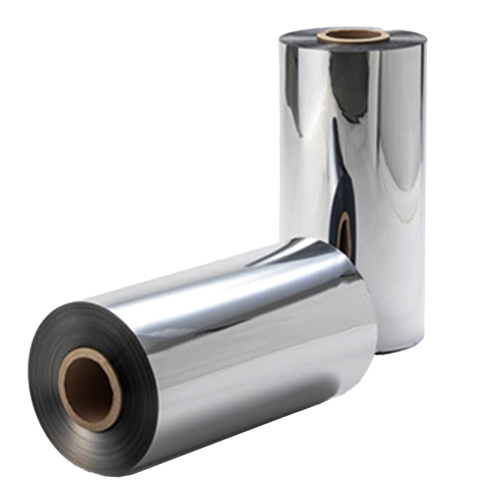
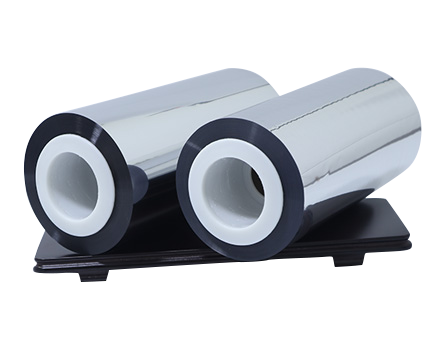
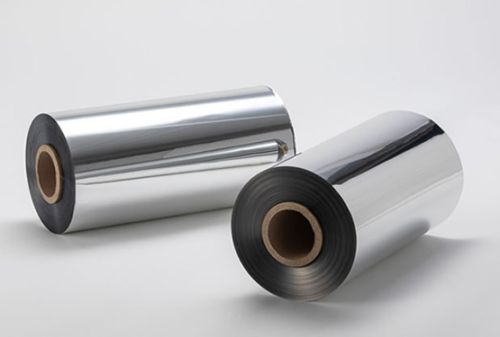
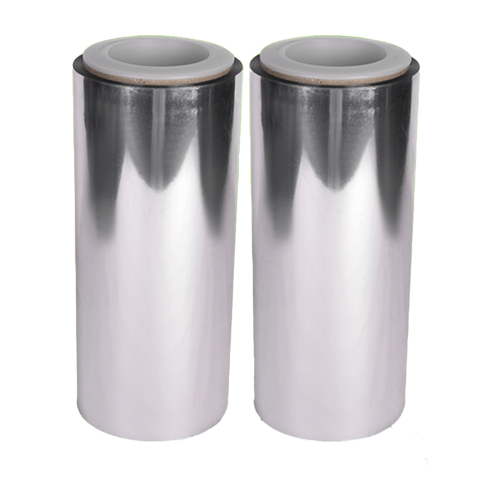
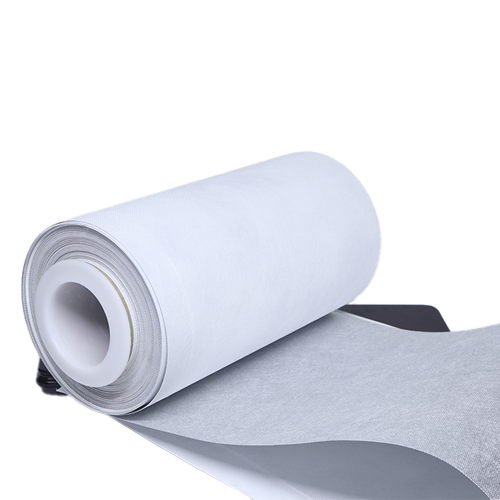
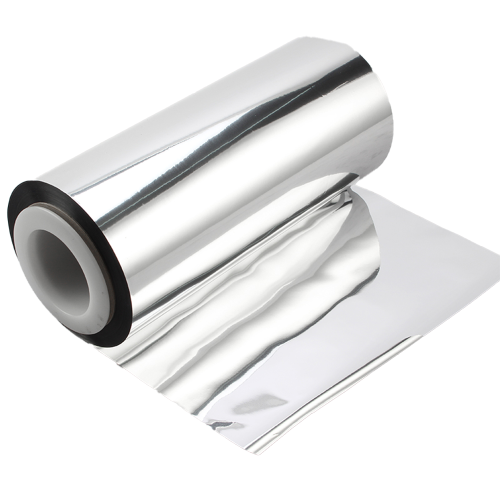
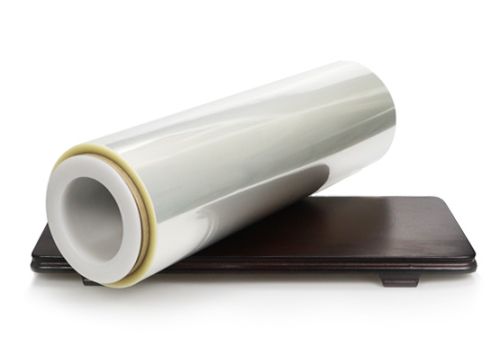
Metallized PET Film may enter a bag-in-box wine liner evaluation when the current construction needs a different balance of barrier, flexibility and handling. The critical question is not simply whether the flat film limits oxygen entry. A wine bag must also work around its tap, survive insertion into the box, and collapse during dispensing without creating a new failure route.
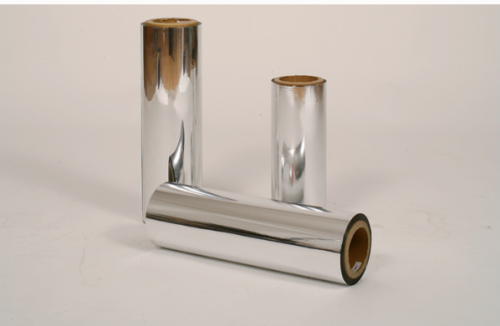
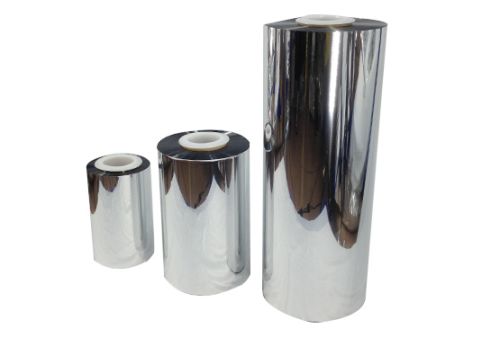
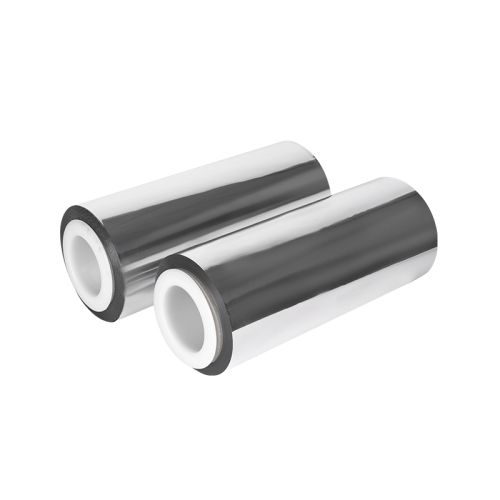
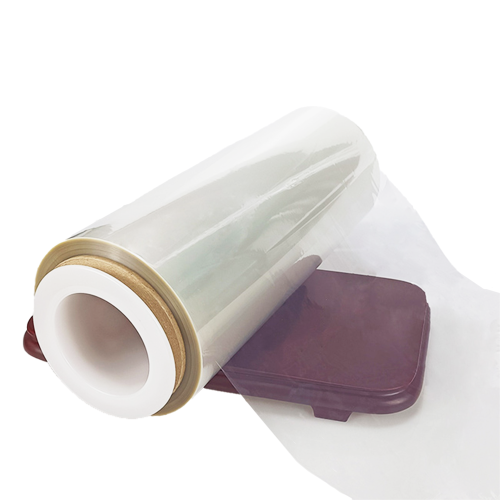
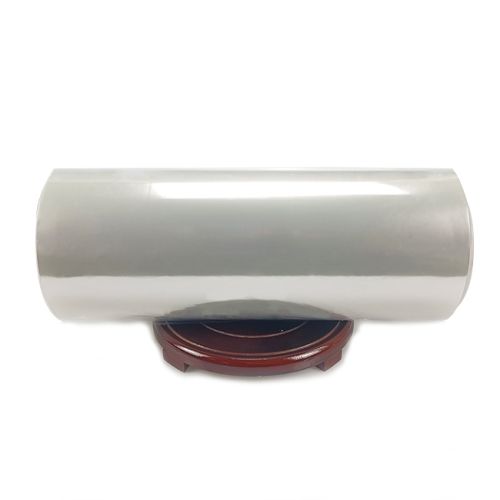
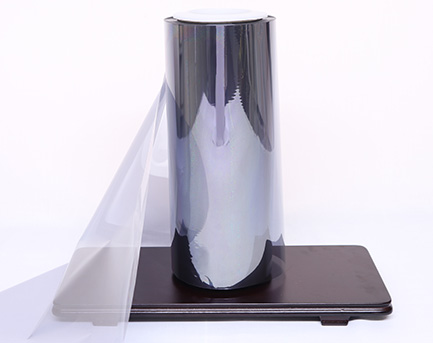
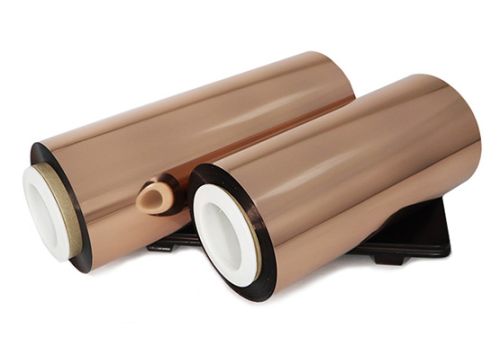
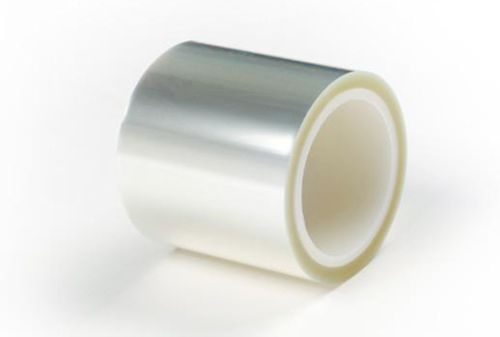
Cailong's VMPET-GZ series is listed for high-barrier laminates requiring oxygen, moisture and light protection. An evaluation with a Metallized Film Supplier should identify the precise GZ grade and intended laminate. Its published general packaging scope is not a validated wine-liner case, so wine contact, fitment compatibility and dispensing performance need separate confirmation.
The liner, tap and box perform different jobs
The carton supports and presents the filled bag. The flexible liner contains the wine, while the tap controls dispensing and introduces a separate interface into the package. A film selection that ignores that interface can overstate what a better panel barrier will achieve. Define the proposed bag assembly before comparing incoming film data.
Map where the bag rests against the box, where it folds during insertion, and where the tap is retained at the dispensing opening. Include the actual bag orientation in the carton. The liner may have adequate flexibility when loose but behave differently once the tap is fixed and the filled bag is constrained by the box walls.
Metallized PET Film is a barrier component
VMPET-GZ uses a metallized polyester barrier layer. Within a proposed wine bag, that layer would contribute panel protection rather than act as an exposed wine-contact surface. The converter must define which sealant or contact film separates the wine from the barrier laminate and how the plies are joined around the edges.
A possible construction for development is an outer protective film / metallized PET barrier / compatible laminating adhesive / PE contact and sealing layer, with any separate inner ply specified by the bag designer. This arrangement is illustrative, not a wine-bag structure confirmed by Cailong. The chosen fitment must be compatible with the layer that actually forms its seal.
Some existing wine bags use different barrier systems or different ply arrangements. Do not assume a metallized PET candidate is a direct substitution at equal total thickness. The panel stiffness, fold response, contact layer and fitment attachment can all change. Preserve the incumbent bag as a functional reference rather than comparing two unrelated flat film samples.
Distinguish filling oxygen from storage entry
A packaging team may observe oxygen-related deterioration even when the liner panel is not the dominant cause. The wine can carry dissolved oxygen into the bag, and filling can introduce additional exposure. Headspace or retained gas may also differ between production settings. Establish those starting conditions before attributing the final product result to the candidate material.
Compare wine from the same controlled filling run where practical, and retain the filling records with the bag identity. A lower panel transmission result cannot reverse oxygen already present when the package closes. If starting oxygen varies substantially between groups, investigate that variation before interpreting the storage comparison as a barrier improvement.
Assess folding through the dispensing sequence
The wine bag changes shape as liquid is removed. Its contact with the carton and the distribution of folds can change along that path. A useful assessment follows the filled, partly emptied and nearly empty bag rather than inspecting only a newly filled sample. Look especially near corners, the tap shoulder and folds trapped by the carton opening.
Examine whether the barrier laminate shows localized creasing, abrasion or separation after the agreed handling sequence. If damage concentrates at a box feature, review the bag fit and carton detail alongside the film. Increasing barrier on undamaged panels may have little value when an avoidable contact point repeatedly damages the same region.
Dispensing behavior also deserves its own observation. Record whether the bag empties smoothly, whether folds obstruct liquid movement, and whether the tap position changes as support decreases. These are system effects, not properties that can be inferred from a metallized roll. The bag designer should decide which observations require a geometry change rather than a new barrier grade.
Compare oxygen protection at the right boundary
Request grade-specific OTR data with its test conditions and identify whether it describes single film or a laminate. Then establish a finished-bag evaluation that includes the tap and perimeter seals. Do not add together unrelated brochure numbers or convert a panel result into a promised storage duration for a particular wine.
Where the incumbent uses foil, compare the actual fold and flex behavior instead of treating foil and deposited aluminum as equivalent. Where it uses a transparent polymer barrier, consider the different response to environmental conditions and the additional opacity of metallization. The box may already provide much of the light shielding, so that feature should not dominate a decision driven by oxygen and dispensing performance.
Include the filled bag's transfer into the carton in the handling record. A temporary fold created during that step can remain trapped for the entire dispensing period. If the same fold recurs, document the insertion method before comparing barrier grades or assigning the mark to normal bag collapse.
Send the bag drawing with the film request
A wine-liner enquiry becomes actionable when it includes the bag drawing, existing ply arrangement, tap and flange specification, fill method, carton dimensions and dispensing orientation. Add the wine-contact requirements and storage conditions. Identify whether the present complaint is early product change, liner leakage, fitment failure or poor emptying.
Cailong can then discuss a VMPET-GZ candidate against a defined laminate requirement. A production decision should follow the converter's bag trials and the wine producer's package approval. If panel barrier is already sufficient and the tap or filling operation dominates the problem, retain that finding and address the actual source rather than changing film solely because a higher-barrier grade is available.