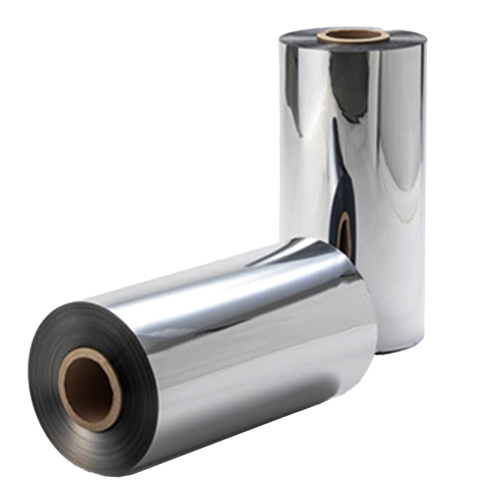
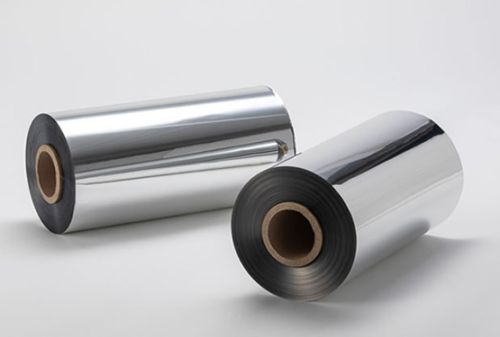
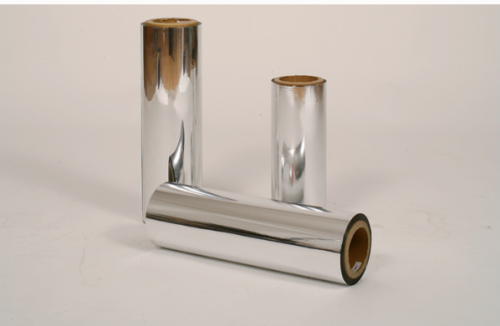
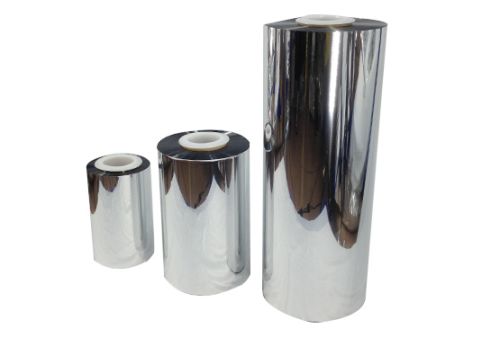
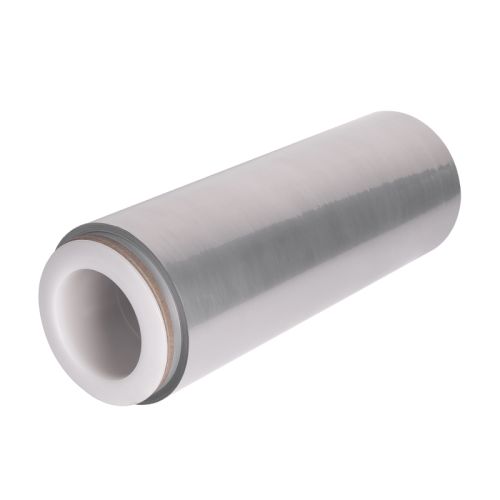
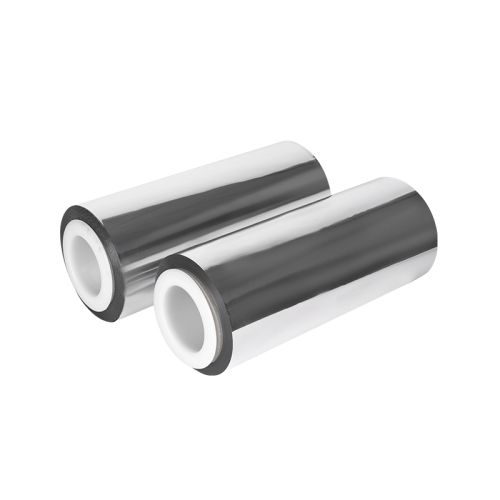
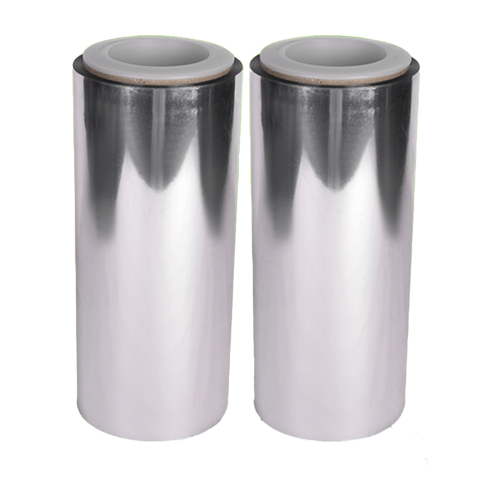
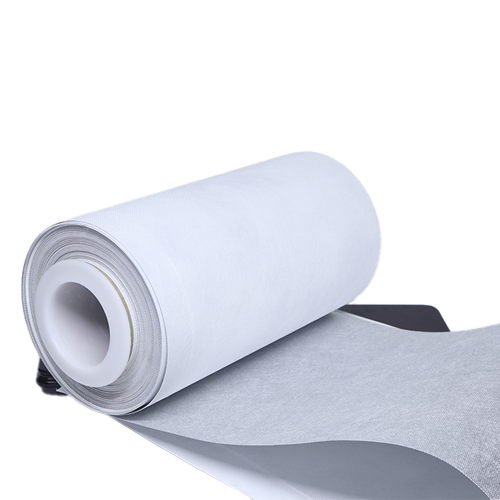
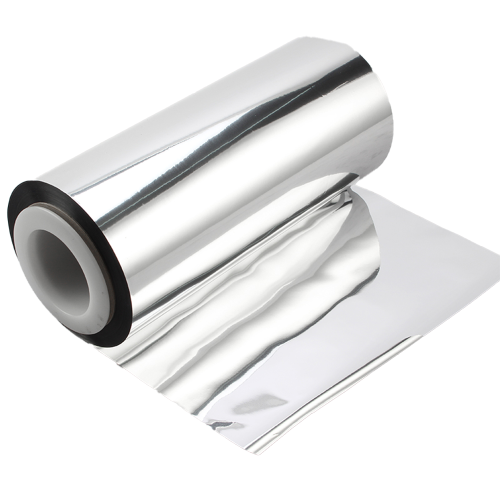
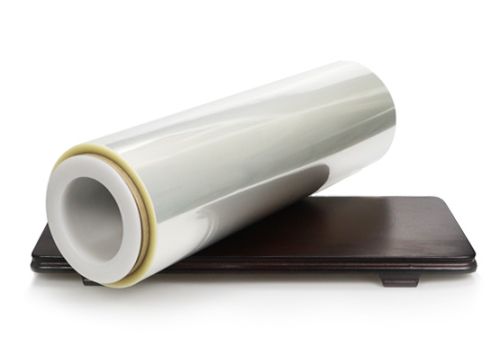
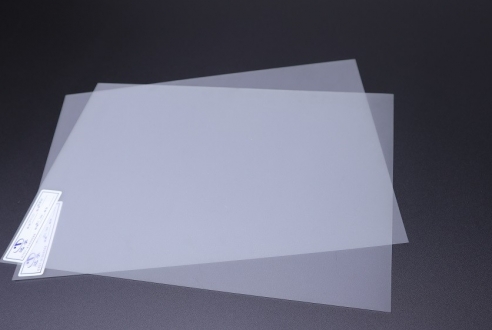
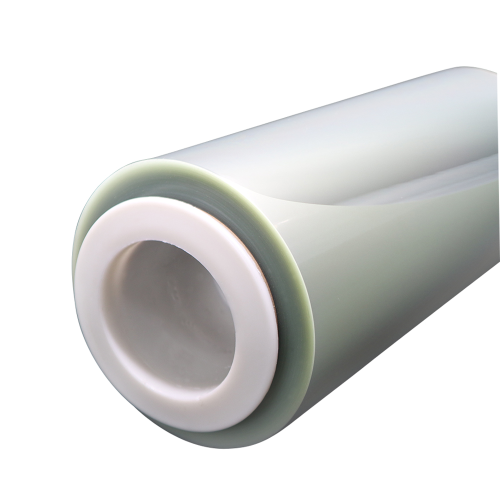
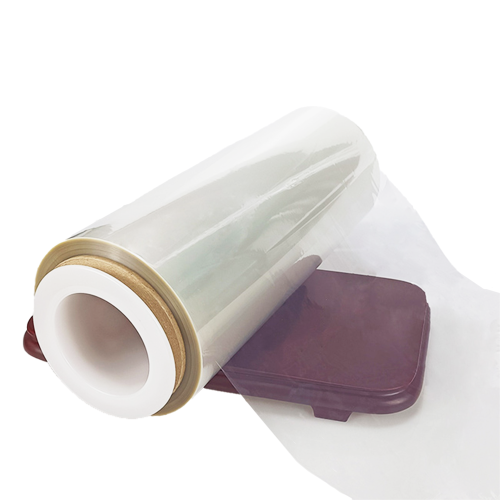
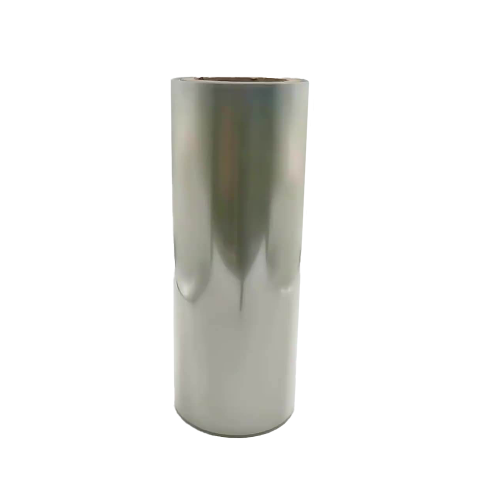
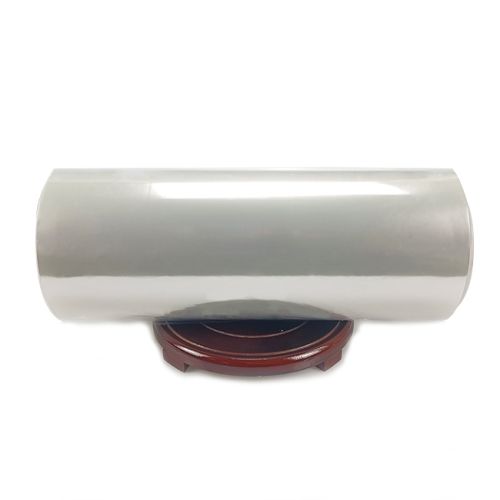
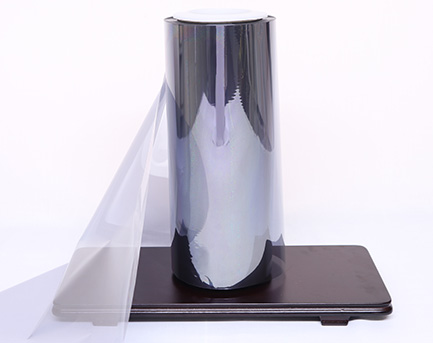
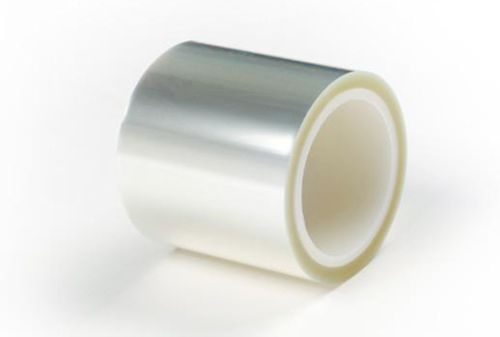
PET AlOx Film is a candidate when a salad dressing brand wants visible contents without abandoning oxygen protection. The selection becomes more demanding when the dressing contains both oil and water, has suspended herbs, and must pour cleanly from a small sachet. A clear barrier panel alone cannot establish whether that portion pack will perform.
For this application, work with an AlOx Film Supplier from the actual recipe and filling process. Cailong lists PET-AlOx-010 as a transparent BOPET-based barrier grade without a top coating, with direct printing not recommended. That distinction matters when the proposed clear sachet also carries branding, opening instructions and an ingredient statement.
Separate an emulsion change from package leakage
A dressing can look different during storage for several reasons. Oil separation, settling herbs, changes in color and leakage are not interchangeable symptoms. Establish which observation caused the complaint before changing the film. A packaging trial aimed at oxygen entry will not necessarily solve a formulation stability problem, and a more attractive transparent window may simply make an existing separation easier to notice.
Keep the same recipe, mixing procedure and filling history when comparing the present opaque sachet with a clear candidate. Record whether the product was homogeneous when filled and whether it was mixed again before assessment. If different batches enter the comparison, the resulting appearance difference cannot be assigned confidently to the barrier layer.
What PET AlOx Film contributes to the sachet
PET-AlOx-010 provides a transparent aluminum oxide barrier on a polyester substrate. Its role is to contribute oxygen and moisture resistance while allowing product visibility. It is not the liquid-contact sealant, an adhesive, or a complete sachet specification. The approved dressing-contact layer must still be chosen around the formulation and applicable packaging requirements.
One possible structure for evaluation is printed PET / adhesive / PET-AlOx-010 / adhesive / PE sealant. The outer PET carries graphics, the AlOx-coated PET contributes transparent barrier, and the PE layer forms the inner contact and sealing surface. This is a candidate construction, not a confirmed dressing laminate. Establish layer orientation and adhesive compatibility with the converter before making trial rolls.
The additional printed layer also has a commercial consequence: the transparent alternative may contain a different layer count from the current pack. Compare the complete constructions rather than assuming that removing metallic appearance automatically simplifies the laminate. A separate printing carrier can be justified when it keeps print processing away from a grade not recommended for direct printing.
Clear presentation changes the light question
An opaque foil or metallized laminate hides the dressing and limits its exposure to light through the panel. A transparent AlOx laminate should not be treated as equivalent light protection. If a recipe is sensitive to retail illumination, product visibility may conflict with the protection requirement even when oxygen transmission is acceptable.
Choose the viewing area deliberately. A small unprinted region may provide enough visibility without making the entire portion transparent, but its effect must be assessed in the intended display. Include the secondary carton or tray if it normally shields the sachets. Compare appearance in that selling configuration, not only in an exposed laboratory pouch.
Match the fill to the opening and sealing design
A dressing sachet is handled differently from a large refill pouch. The user tears a corner and squeezes out a portion, often while holding a meal container. The opening must admit the actual herb pieces and deliver the intended flow without requiring excessive squeezing. An opening that works with a smooth liquid may be inconvenient with a thicker dressing containing particles.
Evaluate the filled pack in the intended serving orientation. Look for dressing retained behind folds, an uncontrolled tear across the panel, and product spreading onto the user's fingers. These observations help separate a laminate opening issue from a recipe flow issue. Do not reduce residual contents by weakening a seal that must survive packing and transport.
At the filling machine, trace any liquid on the seal land back to nozzle withdrawal, stringing, splash or pack presentation. Keep wet-seal observations separate from dry laminate seal results. Changing the barrier film does not remove contamination introduced during dosing. The sealing trial should use the actual portion format and dressing rather than a convenient substitute liquid.
Process suitability belongs to the selected grade
Cailong identifies PET-AlOx-010 as a pasteurizable grade. This classification is not permission to use any thermal process, and it does not make the material a retort grade. Have the food processor define its authorized process first, then obtain written confirmation that the film and complete laminate are suitable for that exact treatment.
For the barrier comparison, request current OTR and WVTR information with temperature, relative humidity, specimen construction and conditioning. Follow the candidate through lamination, cure, filling and the specified process. If appearance remains acceptable but the finished-pack barrier changes, assess the interfaces and handling history instead of relying only on the incoming film result.
Include the meal-kit assembly step if the sachet is supplied inside another pack. Compression beside utensils or a tray corner can produce damage unrelated to the dressing formulation. Inspect the portion in that final arrangement so the film decision reflects the customer's complete delivery format.
Define a dressing-specific trial
Keep the incumbent pack in the trial as a reference. Compare visible product condition, seal cleanliness, opening behavior and usable dispensed portion under the same storage and handling plan. Record the recipe variant because a smooth vinaigrette and a thick herb dressing need not create the same filling or pouring challenge.
To evaluate a transparent dressing sachet with Cailong, provide the existing layer structure, recipe contact requirements, portion dimensions, filling method, thermal process and desired viewing area. Include the observed defect and a filled reference pack. These details allow the discussion to begin with whether PET-AlOx-010 fits the project, rather than with an unsupported promise about shelf life.