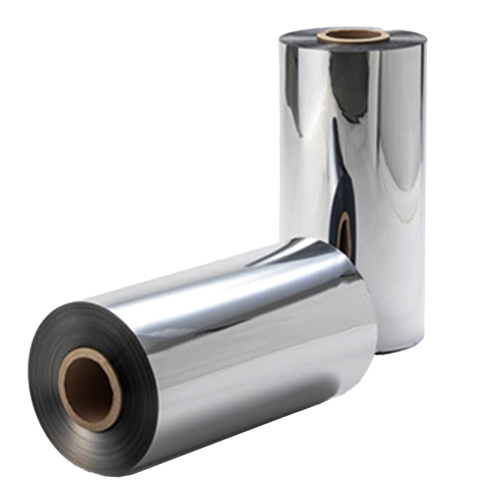
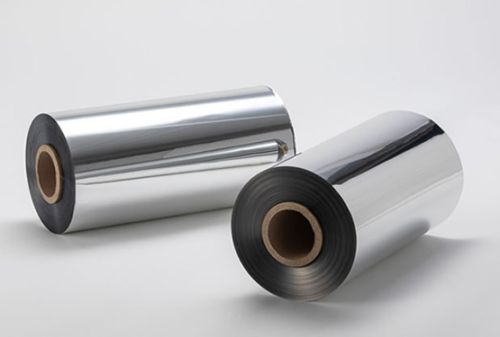
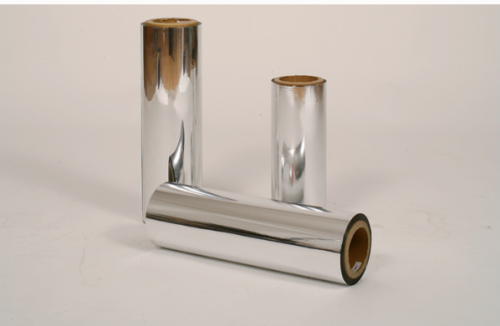
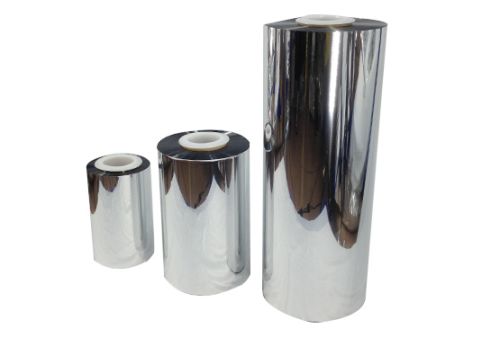
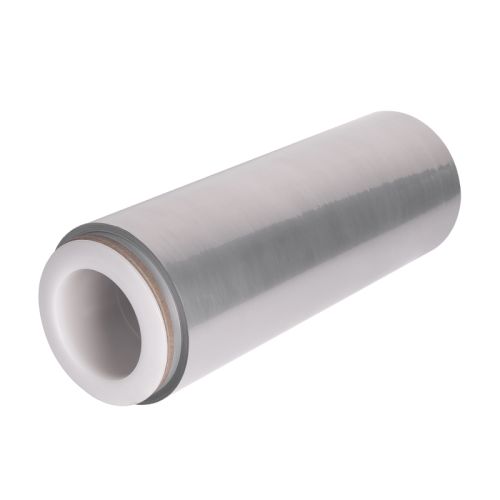
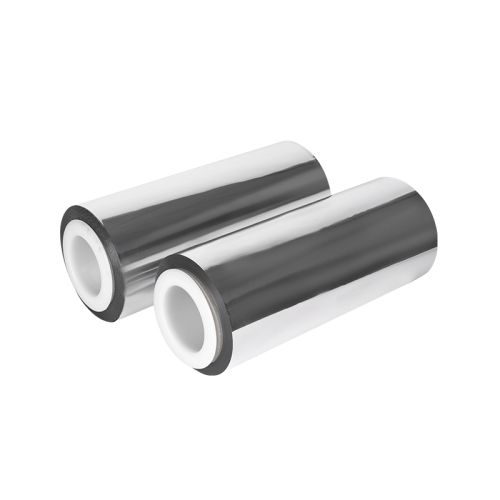
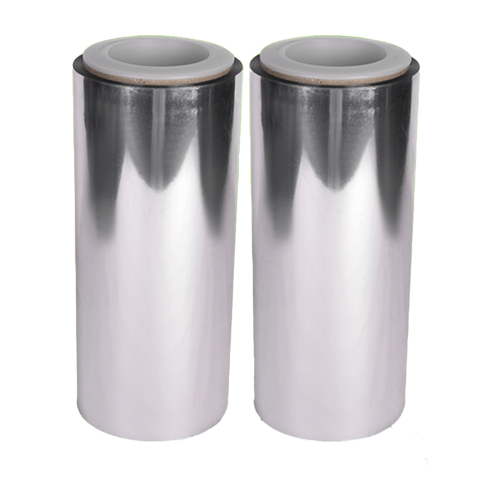
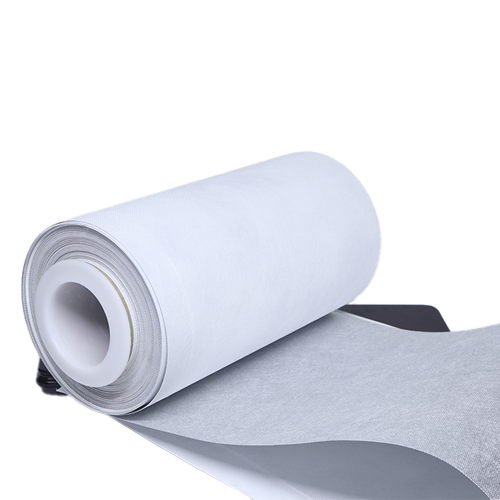
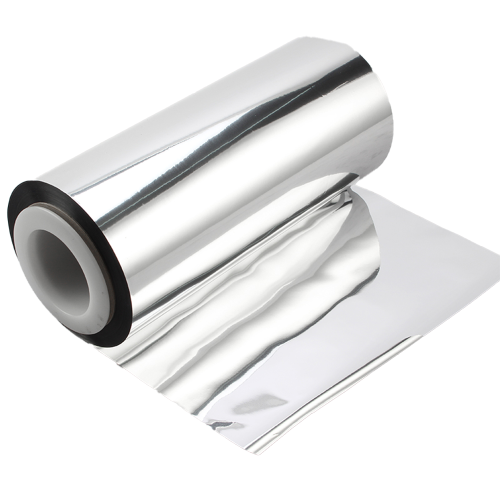
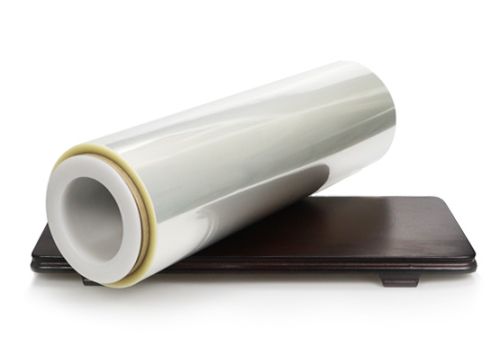
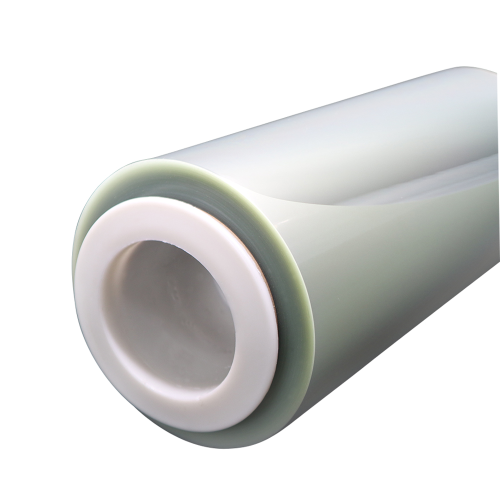
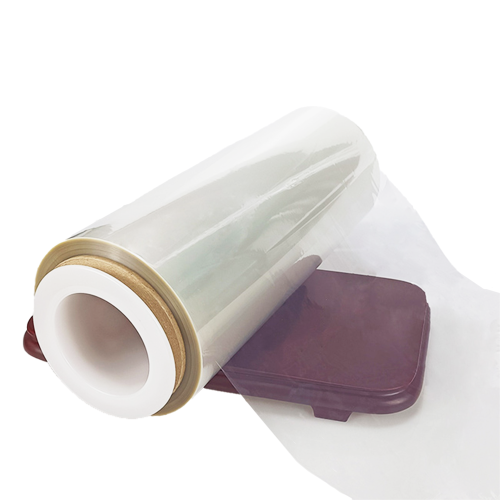
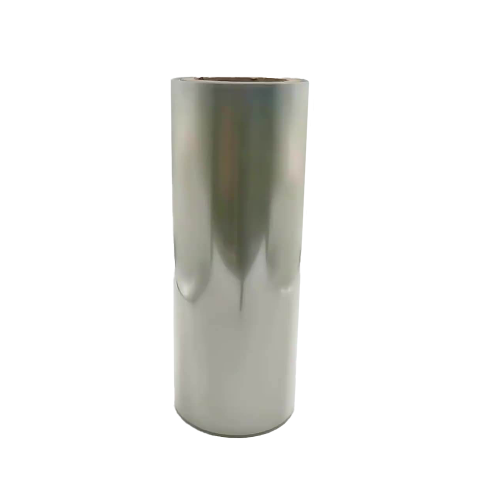
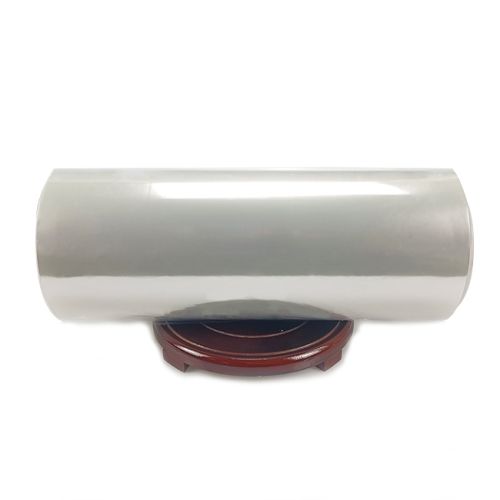
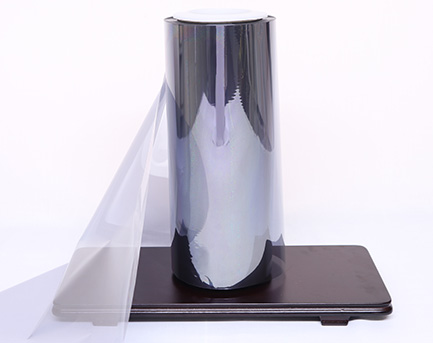
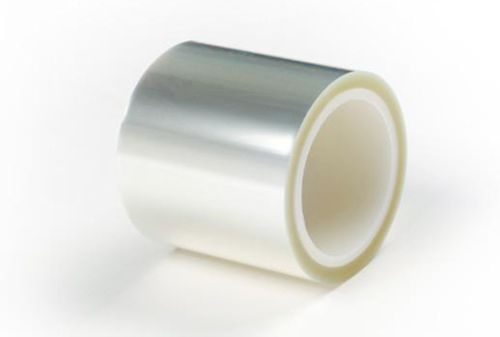
BOPP AlOx Film is worth evaluating when a diagnostic-kit manufacturer wants a transparent moisture-protective outer pouch around dry components. Visibility may help operators identify the contents, but the real requirement is controlling moisture exposure until the pouch is opened. A transparent barrier film is not automatically a qualified diagnostic package or a sterile barrier.
Cailong lists BOPP-AlOx-GZ for high-barrier food, pharmaceutical, medical-material and electronic packaging. For a kit project, an AlOx Film Supplier should receive the component layout and permitted moisture exposure. The confirmed material uses chemically coated BOPP with a deposited transparent AlOx layer. Its relevance is barrier and PP-based structure development, not an assumed approval for a particular diagnostic device.
Decide which package protects the dry component
A kit may contain several items with different packaging boundaries. A sealed reagent pouch, an accessory bag and a common outer overwrap need not perform the same function. Draw those boundaries before specifying film. If each sensitive component already has its own qualified pouch, replacing the common overwrap may affect identification and handling more than reagent protection.
If the common pouch is the main moisture barrier, every item inside becomes part of that package assessment. Include the actual carriers, instructions, desiccant and any humidity indicator. Do not qualify the pouch with an empty cavity and assume that the packed assembly will behave identically. Internal materials can bring moisture into the package before it closes.
Separate initial moisture from later ingress
Two pouches made from the same laminate can start with different internal conditions if they are packed under different exposure histories. Record how long the components remain unpacked and how they are stored between operations. A lower transmission film cannot remove moisture already associated with the contents.
This distinction becomes useful when a kit passes an initial check but changes during storage. Compare packing history, desiccant identity and seal condition alongside the film lot. If changes correlate with time spent waiting before sealing, investigate that queue rather than treating every storage failure as evidence that the barrier coating is inadequate.
What BOPP AlOx Film does in a candidate pouch
One structure for development is printed BOPP / adhesive / BOPP-AlOx-GZ / adhesive / CPP. The printed carrier communicates the kit identity, the AlOx-coated web contributes transparent barrier, and CPP provides the inner sealing layer. This is a possible construction for assessment, not a diagnostic laminate already validated by Cailong.
The sealant, adhesives and inks require their own suitability review for the actual kit. Confirm whether any pouch surface contacts a sensitive component, whether residues matter, and what documentation the manufacturer requires. Using predominantly PP films does not prove finished-package recycling acceptance, component compatibility or medical-device compliance.
Keep the transparent viewing region away from features that make identification unreliable. An indicator hidden behind instructions or a printed batch field obscured by the contents defeats the practical reason for changing the pack. Review the filled pouch as an operator would see it rather than approving only the flat artwork.
Desiccant performance cannot be assigned to the film
If the design includes a desiccant, have the kit owner define its type, amount and intended role. The desiccant and package barrier work within one moisture-control plan, but they are not interchangeable specifications. Adding a sachet does not establish that a leaking perimeter is acceptable, and upgrading the panel does not determine the desiccant requirement.
Check that the desiccant remains in its intended position during packing and handling. A small loose item may enter the sealing area or conceal a component identifier. If a humidity indicator is included, interpret it only under its approved procedure. Do not infer diagnostic performance from the appearance of an indicator alone.
Use the real component edges in handling trials
A rigid carrier, molded accessory or folded instruction sheet can concentrate contact at a repeatable location. Map any panel scuff or puncture to the internal layout. If damage follows the same component corner, consider orientation or protective separation before increasing barrier level. The AlOx coating should not be credited with cushioning sharp features.
Examine seals where the contents approach the pouch perimeter. A clean laboratory seal strip does not reproduce an accessory trapped near the jaws. Compare the filled package before and after the agreed transport and storage sequence, and retain the location of each defect with the corresponding pouch construction.
Consider whether one outer pouch contains several individually used units. If opening the outer bag exposes units intended for later use, the package design needs a defined way to protect those remaining units. A resealable feature should not be assumed to recreate the original moisture boundary. Compare that workflow with individually sealed components before choosing the common overwrap.
Keep component lot identities in the trial. A moisture-sensitive carrier from one preparation batch and a differently conditioned carrier from another can make the same pouch appear inconsistent. Where that difference is suspected, separate the component comparison from the laminate comparison rather than increasing barrier without identifying the starting variation.
Qualify an unopened pouch and its opening event
Specify WVTR with the required temperature, humidity and specimen construction, then assess the converted package rather than relying solely on incoming-film data. If oxygen protection is also required, obtain a separate OTR requirement. Neither result should be converted into a diagnostic-kit storage claim without the kit manufacturer's validation.
Opening changes the moisture boundary. Determine whether the user removes all protected items at once or exposes remaining contents during a staged procedure. A pouch that protects an unopened kit does not automatically protect components left on the bench after opening. That workflow belongs in the package brief before material selection.
For a BOPP-AlOx-GZ trial, send Cailong the pouch layout, existing laminate, component packaging boundaries, moisture specification and pre-seal exposure history. Include desiccant placement, intended opening sequence and the observed failure. These details establish whether a transparent PP-based barrier construction addresses the actual packaging problem.