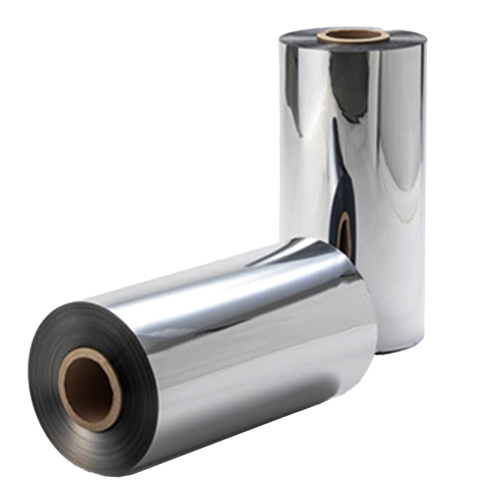
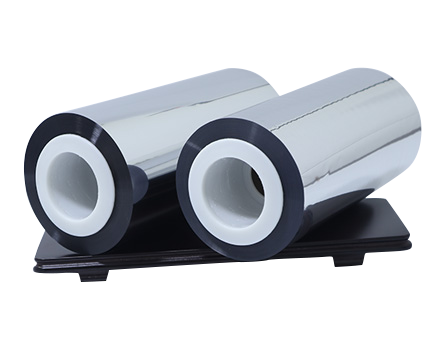
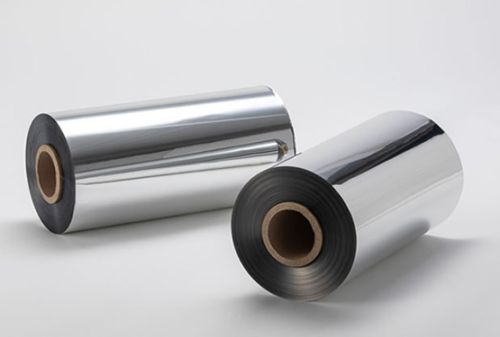
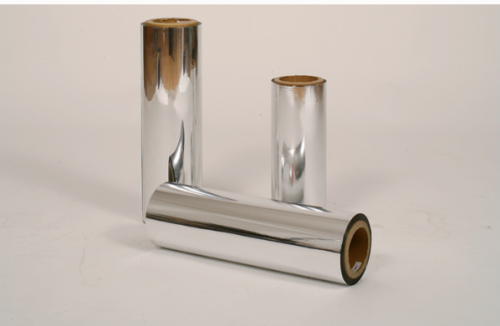
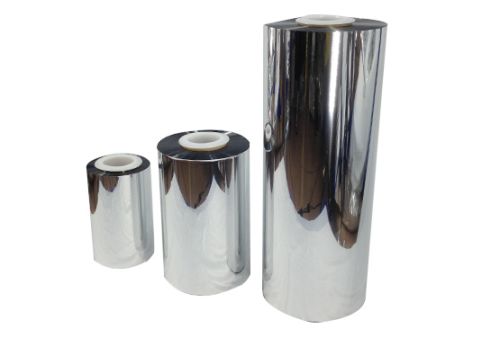
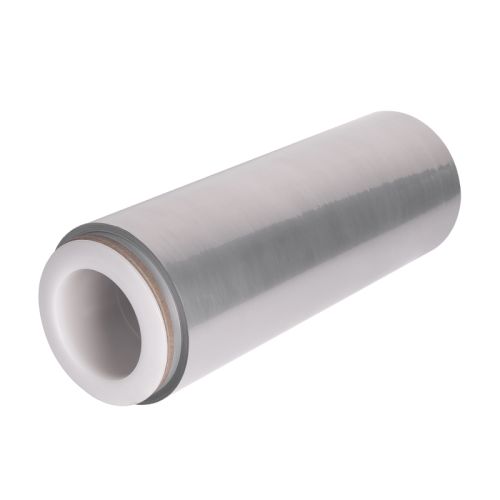
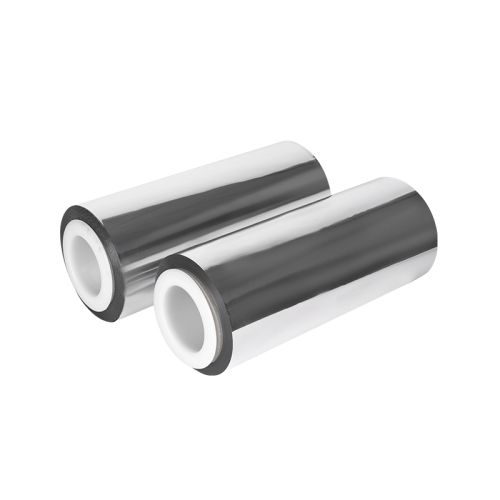
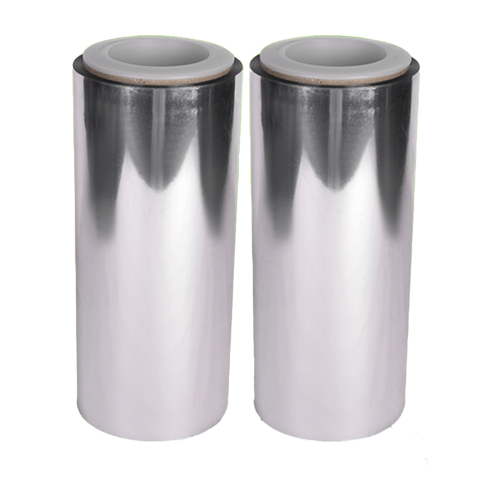
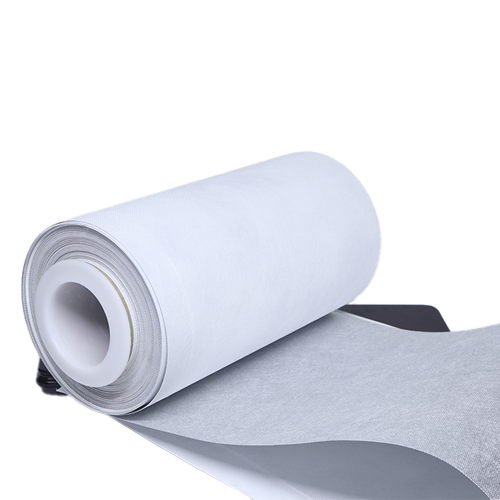
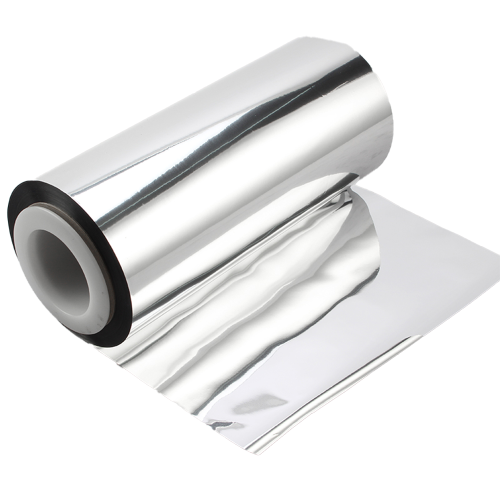
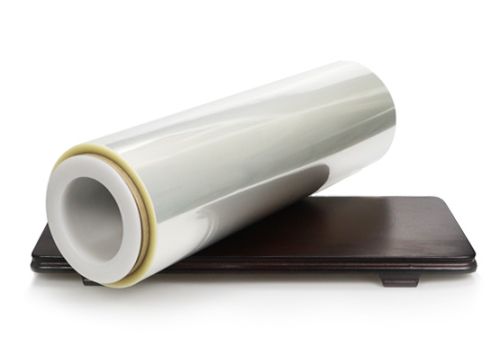
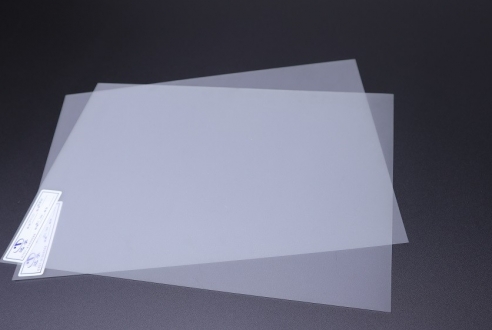
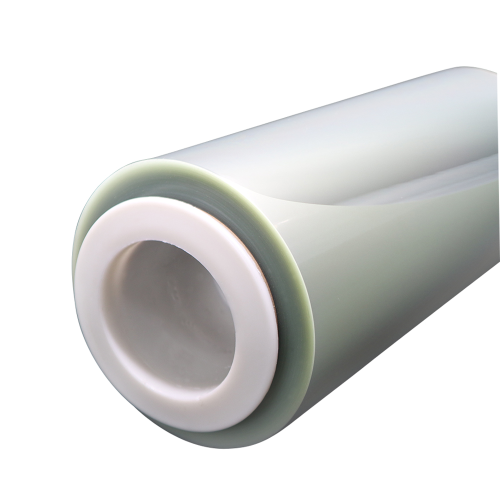
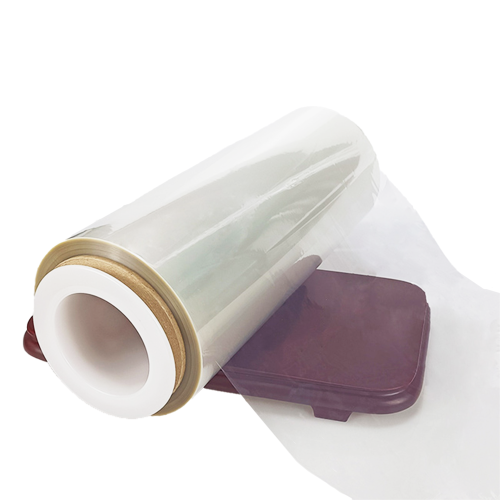
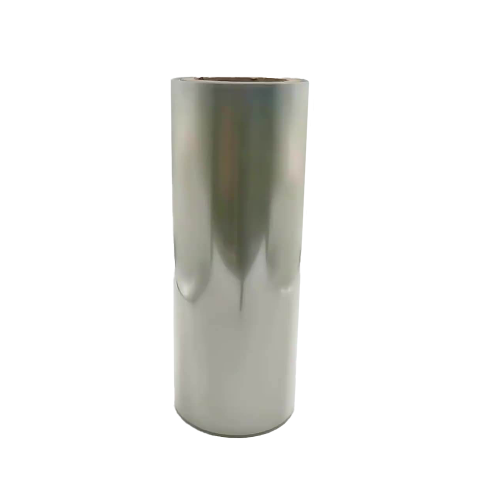
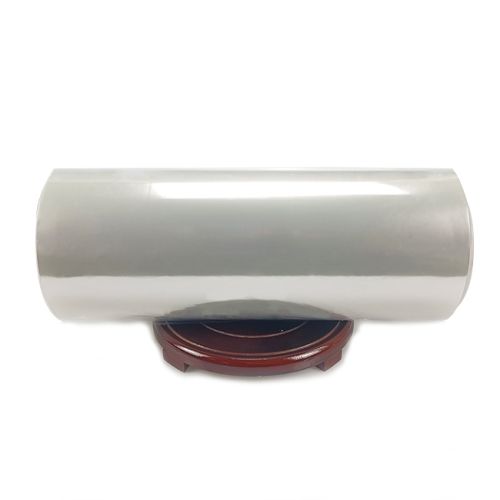
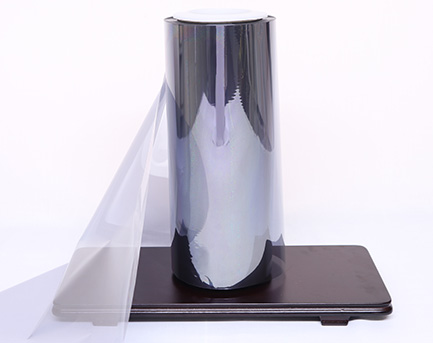
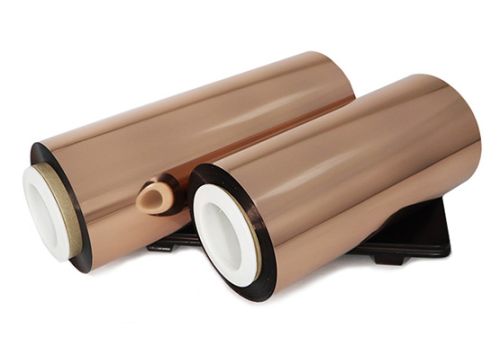
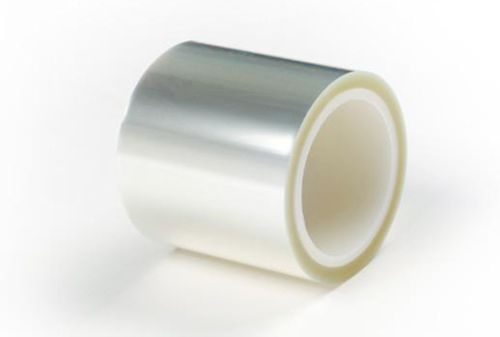
A pouch for dried soup seasoning may use a clear panel to distinguish ground spices from a mix containing visible flakes. The packaging still has to protect the seasoning between filling and use. A buyer considering a move from an opaque pouch can screen PVDC coated PET film as a coated polyester barrier web, then compare complete packs rather than decide on the appearance of a film sample alone.
Use Cailong's film portfolio to locate the supplier and request the single-side coated film for the intended laminate. Tell the converter which product traits prompted the change. Some blends need protection from moisture that could lead to clumping, while others have an appearance or aroma requirement that limits the available packaging choices. Those conditions should drive the pack trial.
Decide which ingredients the panel should show
Make the first mockup with seasoning from an ordinary production lot. A blend of powders and vegetable flakes can settle with more fines at the bottom. Shake or move the pack in the way it will be handled between filling and shelf placement. Then compare the view with the reference photograph the brand uses and check whether the contents look representative at typical fill weights.
Use a printed sample at actual size as soon as the design is available. A customer may read flavor, spice level, and serving guidance before inspecting the mix. The normal print panel needs enough room for those decisions. A lit shelf can also reveal variation from one pack to another. Check the smallest product view that gives the customer the necessary information without making the clear area larger than the project needs.
Identify the coating and division of work
Cailong describes this offer as a polyester film coated with PVDC on one side. Establish which side is coated, how the converter wants it wound, and whether printing is intended on that film or on another web. Compare the converter's proposed structure with the existing pouch. A separate sealant web may still be required depending on the closing equipment and the way the material is used.
Ask the converter to show what each ply does on a short structure drawing. One surface may carry graphics, the coated polyester may contribute barrier, and another layer may provide the sealing interface. The supplier should identify the proposed grade, while the converter should confirm the bonded interface and the seal area. Put the construction in the sampling request so a repeat run can use the same arrangement.
Establish a seasoning protection test
Decide how moisture exposure will be assessed. A seasoning that is meant to pour evenly from the bag can be evaluated against a retained control for lumping and pour behavior. Set the sampling intervals with the product owner and include relevant storage conditions. When requesting published or grade-specific data, ask for the test conditions and distinguish a measurement on film from evidence on finished pouches.
Look separately at the conditions that may affect ingredients visually. A spice mix can change appearance with exposure to light even if a protective layer meets its moisture specification. Where the existing pouch is opaque, retain it as a reference during the needed shelf and storage comparisons. Use the same filling lot, pouch size, and inspection schedule so the decision turns on the packaging choices under evaluation.
Include the powder path in the packaging trial
Ask the filling team to run a representative product at the planned portion and observe where particles travel during dosing. Examine the mouth of the bag before sealing and pick samples from different points in the run. If the existing pack has a guide or air-handling step that keeps fines away from the seam, include that arrangement when preparing the converted trial. Mark any operating change in the record.
The test pouch can also reveal how a customer handles fine powder. Place the opening instructions in the print area and verify that the user can grasp and tear the pouch where intended. Check that a small pack empties without excessive material collecting beside a gusset. An acceptable sample should support both the product's storage requirements and the intended preparation routine.
Review the pack after it reaches display
Place trial pouches in the carton, tray, or shelf arrangement used by the retailer. Some displays obscure the bottom seam and some expose the entire side panel. Note which part of the window remains visible after handling. If the brand uses one pouch size across several flavors, verify the label and clear field with the lightest and darkest blends planned for the range.
If a case configuration changes, compare the bags where they touch the neighboring pouches or their carton. Note where abrasion or pressure marks appear, and keep film and laminate identification for any sample included in that comparison. A mark in the window may affect shelf appearance even if it does not change another criterion in the technical report.
Ask for samples that represent the purchase
Provide the proposed gauge, roll dimensions, coating orientation, intended companion film, and trial converter. Send the project requirements for any product-contact documentation to the responsible team for review, using the whole structure and its actual use conditions. Keep approved graphics and a filled sample with the technical record so the next order can reproduce the package that reached the decision.
The decision for the seasoning buyer comes down to a clear enough view, suitable filling and closing, and product condition during the required storage period. A coordinated film and package comparison gives the brand a basis for each of those decisions. If a different seasoning or format later joins the range, use the same records to identify which parts of the original evaluation can be repeated directly and which need new samples.