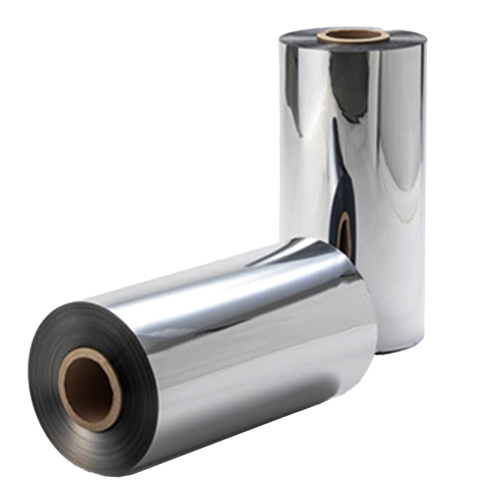
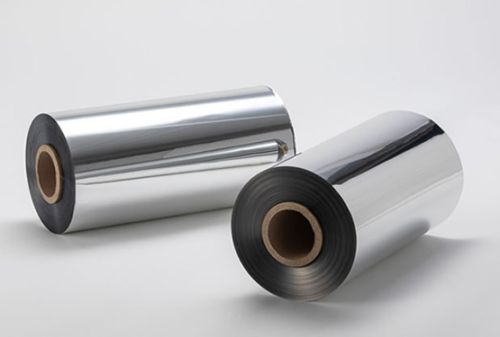
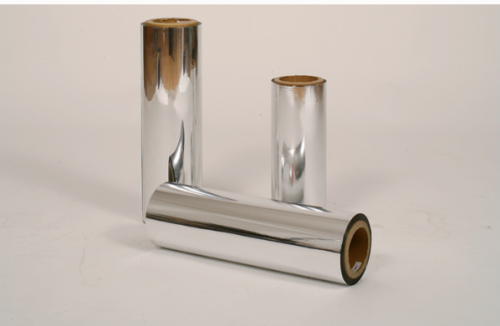
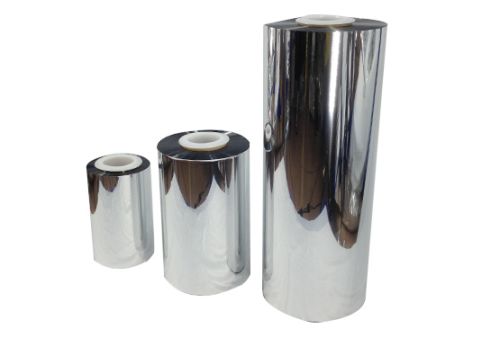
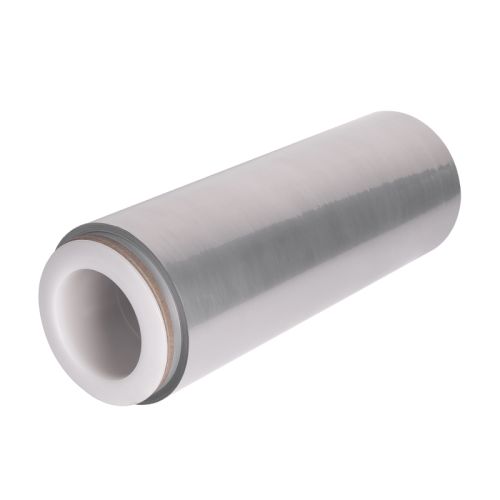
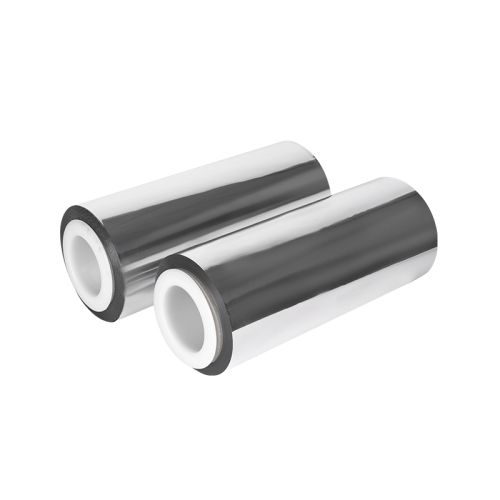
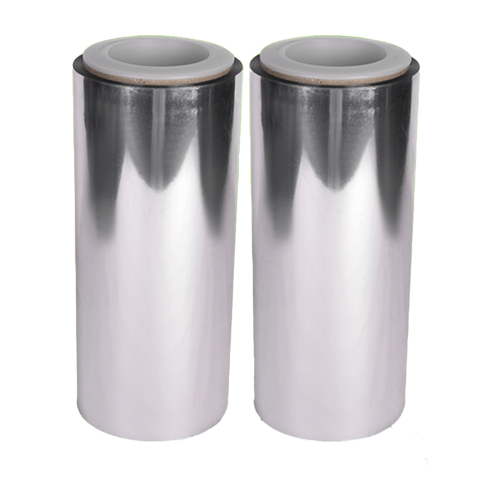
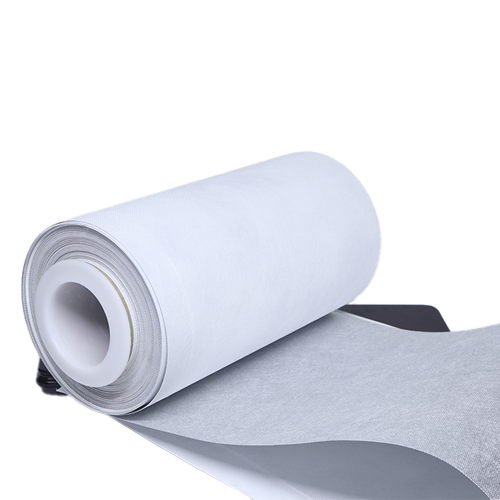
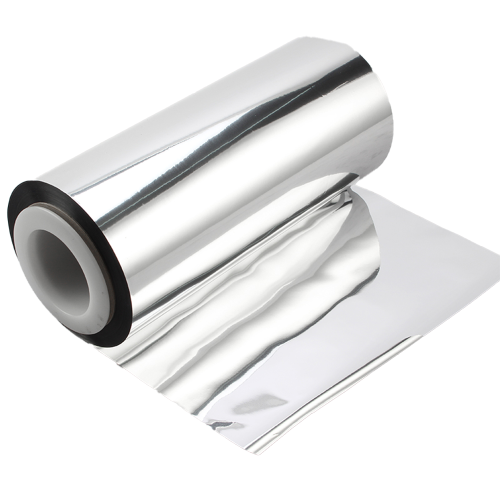
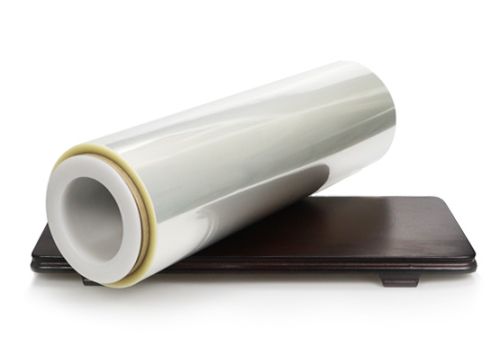
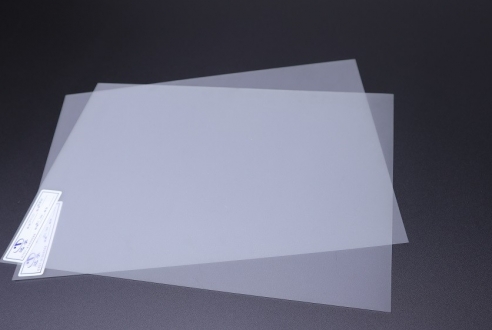
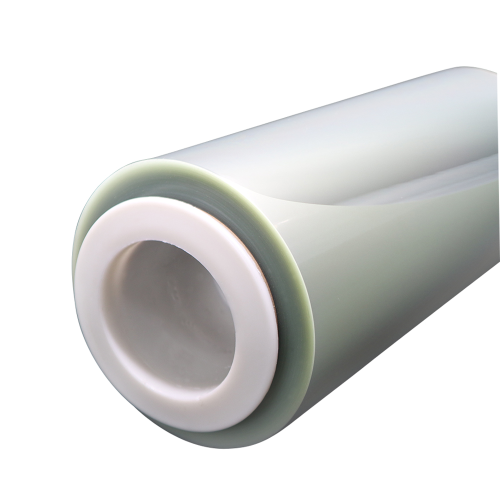
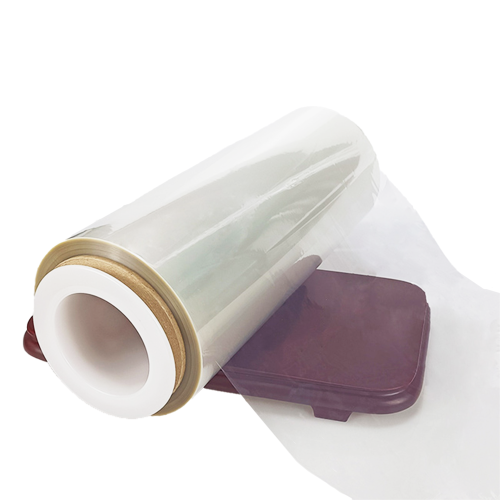
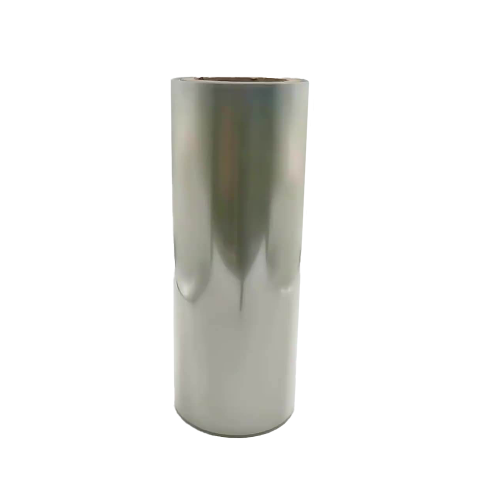
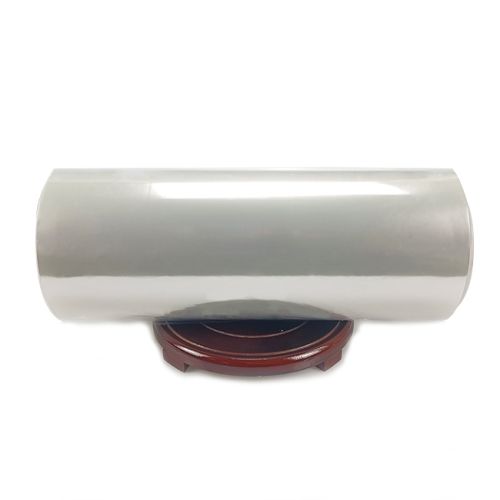
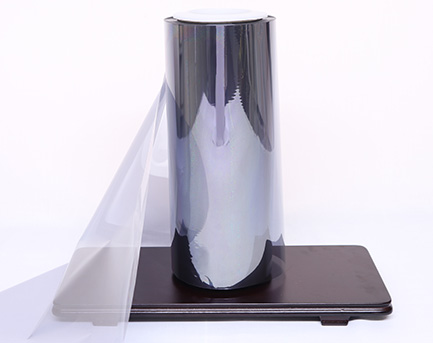
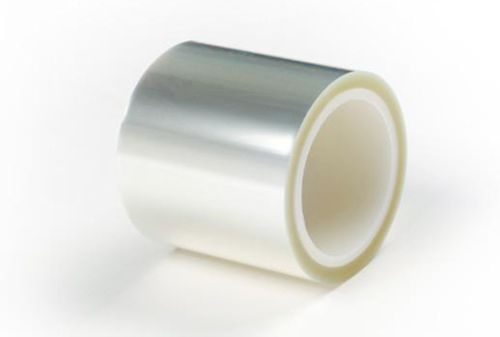
A bicycle workshop may sell similar hardware kits for several frame configurations. If a loose label comes away from the bag, a small difference in an axle spacer or fixing can leave the mechanic uncertain which kit is on the bench. water based coated BOPP film can be evaluated as the face stock for a short-run workshop label where the part reference, drawing revision, and pack count need to stay recognizable.
Use Cailong's film portfolio to locate the supplier and include the actual backing, print process, and adhesive system in the sample inquiry. A coated polypropylene web is one part of the label. The ink gives the operator a readable reference, the adhesive connects it to the packet, and the liner influences how it feeds and dispenses. Send the assembled label design to the converter so the right components are represented in the trial.
Decide what the label identifies
Place the kit where it is normally counted, picked, and opened. An assembly worker may need to find a build reference quickly, while the mechanic may look for a part number and a left or right designation. Put the most important information where it can be read with the bag sitting flat in a bin or hanging on a stock hook. A small color patch can support the decision while leaving the identifier readable in monochrome.
Determine which information varies by production order. Printing a permanent graphic and leaving a field for a variable release number can help the shop use one label format across families. Test the darkest and lightest expected print combinations, especially if a clear label is fitted to clear packets whose metal contents can reflect light through the printed area.
Work from the coated side and printing method
The Cailong product detail lists label and printing applications for its water-based coated BOPP. Ask which face takes the intended print and whether the grade is supplied with that face presented correctly for the line. Give the printer the ink series, marking method, and finish expected. A shorter approval strip can help establish an initial print setting before the full label construction is assembled.
Run representative identifiers as part of the proof. A bold logo on a print sample will reveal little about whether a compact lot code remains legible. If the kit is identified with a scanner, try the smallest proposed code and check it again on a bag with the intended fill. Confirm which information the recipient must still be able to read if scanning is unavailable.
Apply it to the real bag
Use the intended label footprint and the real parts kit. Identify an application area away from the opening, main folds, and large changes in the bag profile. Where a spacer or fastener sits under one edge, try moving the label or changing its dimensions so it can remain seated. Record where the edge touches a flat surface and where the backing flexes during handling.
Include a filled bag from the end of a normal assembly run. Hold time, handling, and the bag surface can vary between a desk proof and a production application. Ask the converter to evaluate the specified adhesive on the actual bag. The coated face addresses the print side of the design, while the adhesive and bag surface determine whether that label stays attached in service.
Include the workshop handling sequence
Review unopened packs after storage, picking, and shipment in the planned carton. A label that is readable when the top pack sits alone may be difficult to identify through the glare of several packets stacked together. Try the label placement with the bins and picking angle used by the distributor. Match the handling trial to the ordinary temperature and contact conditions for inventory.
Open a few bags in the manner the mechanic will use. If the lot number is needed after opening, check that the tear line does not remove it. Some shops retain the empty bag until the parts are installed. The label position can support that workflow by keeping the reference intact and away from torn corners or a perforation.
Agree on the roll before increasing volume
Confirm face-stock width, liner, roll direction, gap between labels, and whether the user will dispense by hand or use automatic equipment. Approve the target artwork after the layout and barcode have been tried on filled kits. If one roll serves different benches, run the same sample on each dispenser to establish whether the delivery format can stay common.
Where procurement compares the coated PP construction with a plain film label or a paper version, make the comparison about the approved task. Include the needed artwork, adhesion to the bag, reading after handling, and any requirement to remove the label. Keep the label and film suppliers informed of any downstream process that changes the contact surface.
Keep a sample for the next order
Retain an applied label from the approved run and one piece of unused roll stock with its direction marked. Record the artwork version, film designation, and liner used in the trial. Make the agreed location clear to the person preparing the kits. That simple set of records ties the roll specification to the printed information needed by the technician and gives purchasing a reference for checking the next order.
If two kit sizes ultimately share the label construction, retain an approved applied sample of each size. Record where the application position changes and whether the same roll presentation works for both. This reduces the chance that a later order reproduces the artwork correctly but ships a version that cannot be applied consistently.
If the repair kits are sometimes supplied in bulk cartons, include the receiving label and the individual bag in the same check. The two references should lead the mechanic to the same drawing and quantity.