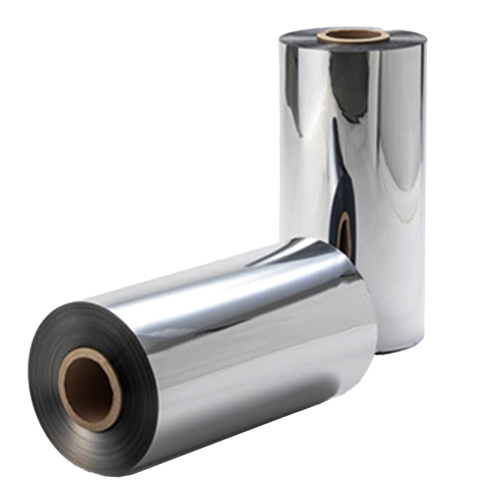
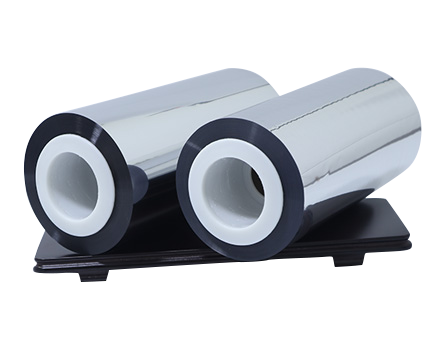
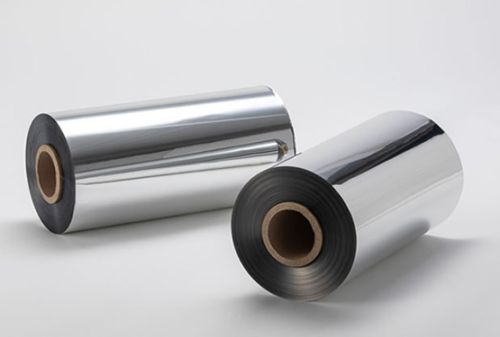
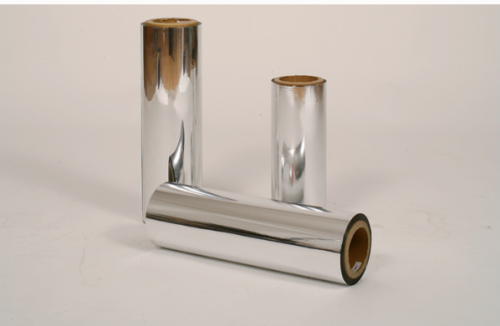
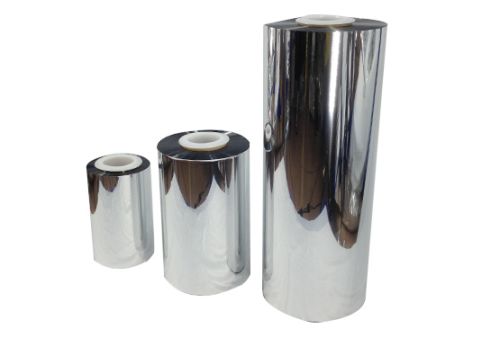
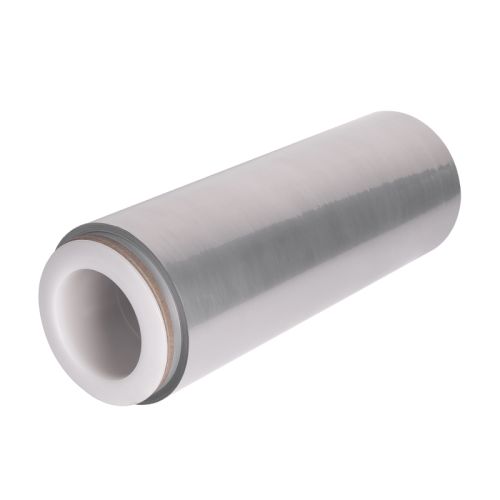
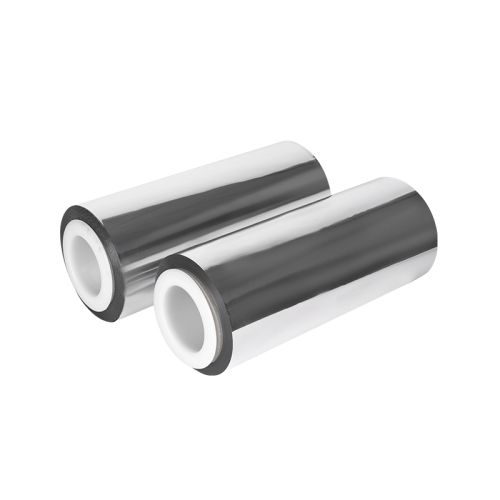
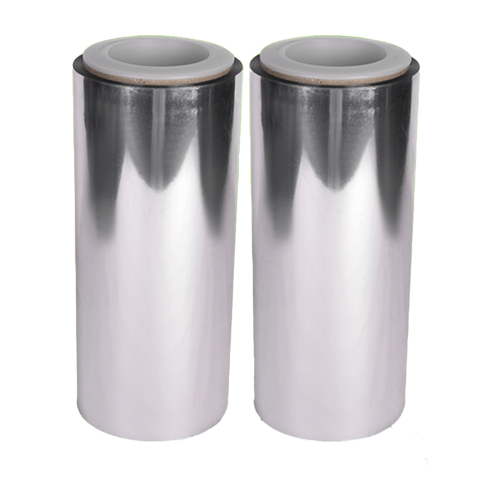
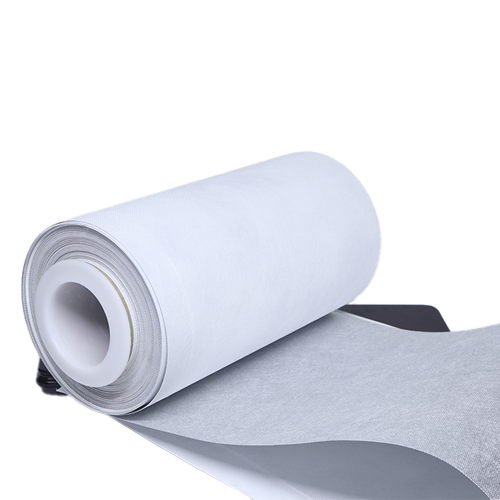
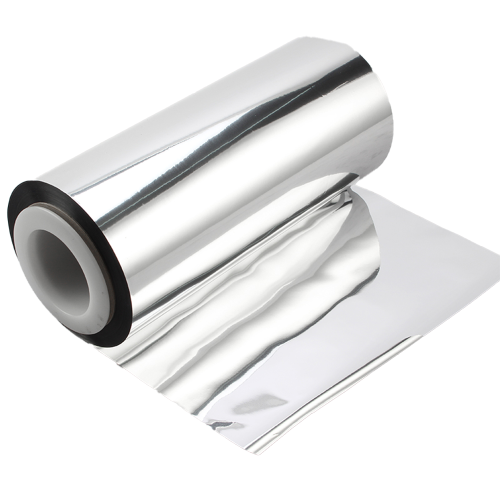
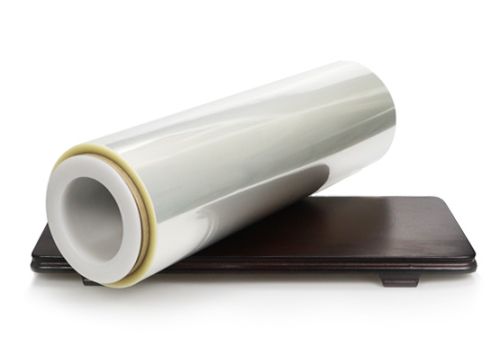
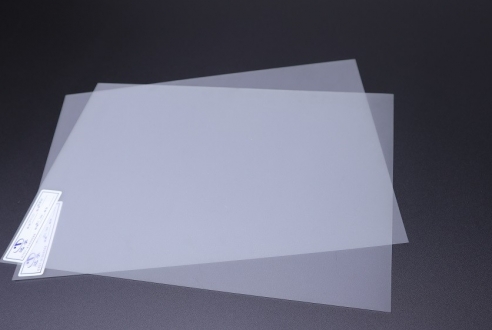
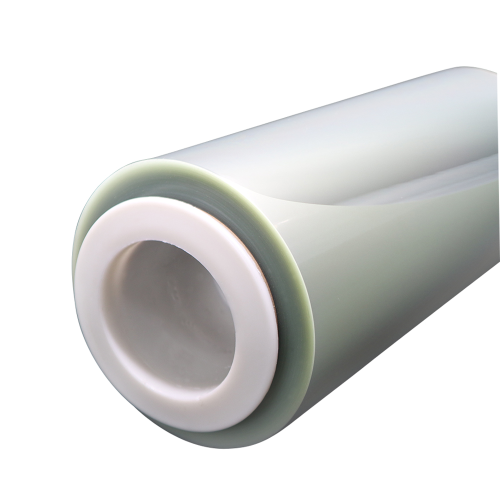
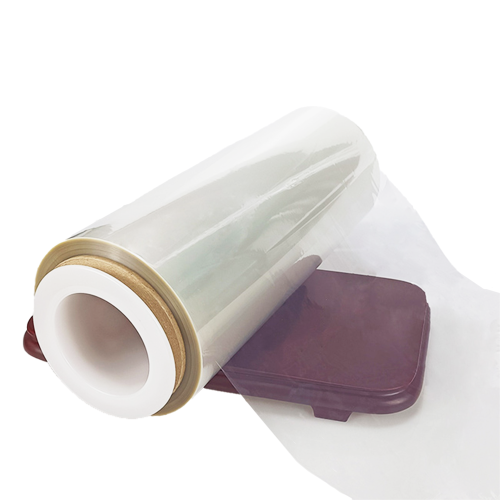
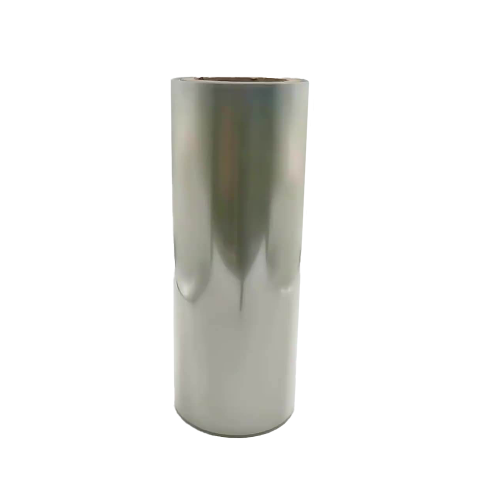
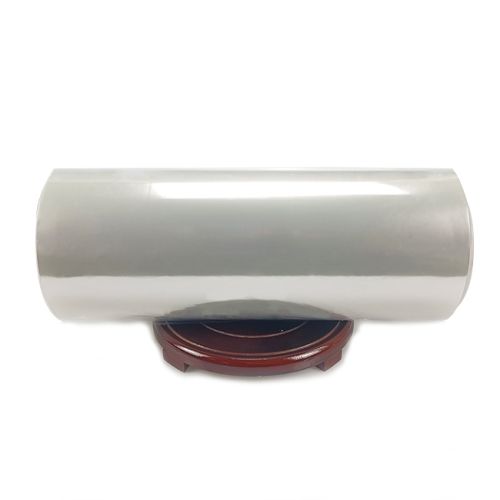
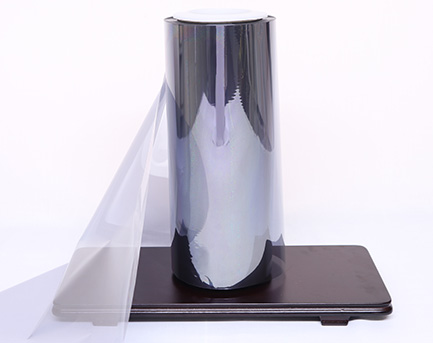
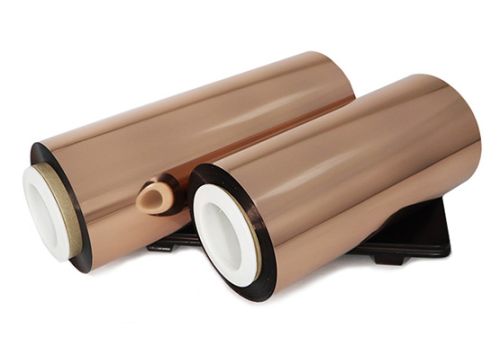
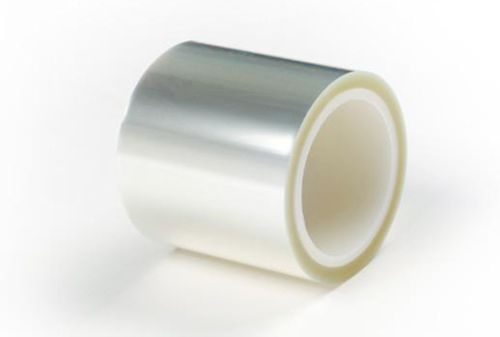
A refill pouch for colorful embroidery thread can benefit from a clear strip so a shopper can match a shade directly. The same package may need an opaque band to hide the winding card and give the brand a metallic background for identification. half metallized PET film is a polyester web with a partly metallized layout that a converter can trial when those two visual needs belong on the same face.
Start at Cailong's film portfolio and send a drawing showing the intended transparent width, the position of the metallized band, and the relationship to the pouch web. Include the reference shade card or examples of the contents. A film swatch can show the general contrast between the two areas. A filled pouch establishes whether the pattern will be in the right location when the product is standing or hanging.
Lay out the line between shade and graphics
Start from the thread color that is hardest to distinguish from a neighboring shade. Place both colors inside packs with a window at the intended height and compare them under ordinary shelf lighting. An arrangement that shows a broad part of the thread is easier to evaluate than a sample where the transparent strip passes over a small end or a fold in the winding card.
Choose where the winding card can appear and where it should sit behind the metallized area. Keep the shade number readable without needing to turn the bag if the retailer sells several colors on adjacent hooks. A contrast panel behind the identification can help staff sort returned packs. Review the same layout with dark and light thread so the colors used in the print work across the set.
Align the pattern with the pouch drawing
Cailong describes a half-metallized PET film for packaging that combines metallic and transparent regions. Discuss the required pattern dimensions for the quoted film and which face the converter will print or bond. A drawing needs to indicate distance from a repeat reference, the window width, and how the pattern relates to the bag edge. If the material is supplied with a longitudinal band, clarify where that band sits in the slit roll.
Allow for the positions of the seal, tear feature, and hanger. A small shift in the boundary can change what is visible or move the reflective region into a label. Ask the converter how lateral position is controlled on the printing and converting equipment. Check the permitted range with the physical pack before making the metallic transition an exact decorative alignment point.
Prepare a laminate the parts can tolerate
Select companion layers with the converter based on how the pouch will be filled and closed. If the current pouch is plain clear film with a separate printed insert, draw both constructions and compare the benefit of incorporating the metallic band into the web. Confirm how the print and bond interact with both parts of the pattern. The visible finish needs to be judged on the composite, because adhesives and other layers can affect the clear and metallic areas differently.
Fill the trial bag with the actual winding card and thread. Inspect the region where a thick pack changes the shape of the side panel. Fold the pack as it would be arranged in transit and observe whether the boundary still supports the graphic when returned to the display. Keep the backing and product in the comparison so a change in visible shade can be judged fairly.
Check how the pack is identified in use
Set up one run of similarly colored packs as they would hang in the shop. Have a person read the code and choose a shade from a short list. Note whether the frame, hook, or overlapping bags obstruct the window or reflect enough light to distract from the thread. If the packs also spend time in a bin, check identification from the top of the bin.
Include the normal scanning location. A code can be qualified on a matte proof and behave differently when placed against a glossy portion of the laminate. Use the actual print and scanner at the positions the retailer or distributor uses. Adjust the print background or code location if that gives a more consistent result than changing the proposed film pattern.
Build a usable roll and packing specification
Provide the bag layout, laminate stack, requested width, pattern orientation, and the specification for each visible region. Ask for the allowed pattern variation and how the supplier identifies which edge is which. Discuss any additional needs for the proposed retail pack with the converter, including seal and hanger checks. Use samples from a representative production setup when moving beyond a proof.
Store an approved filled pack, a flat label reference, and a sample of the purchased web with its orientation marked. If several versions share the same roll specification, state the graphics and finished bag sizes covered by the approval. Give the printer and bag maker the same drawing reference so they can see how the two visual regions must meet the finished layout.
Run a short pilot with the narrowest target window. Take samples at different points in the converting run and set the winding card at its permitted placement limits. Include a reference photograph showing the maximum acceptable amount of card visible through the window. Give that reference to both the converter and the person who fills the pouch.
A useful result makes the thread easier to compare without requiring retail staff to open the refill. The purchaser can then select a material on its actual pattern and converting fit. For a later range extension, compare a new winding card against the retained reference because the card position can change what the customer sees even when the film design stays the same.