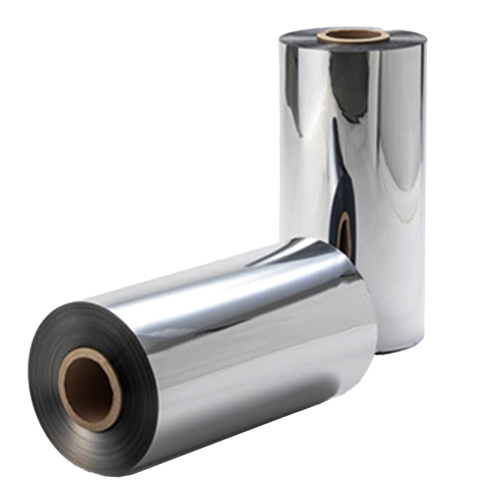
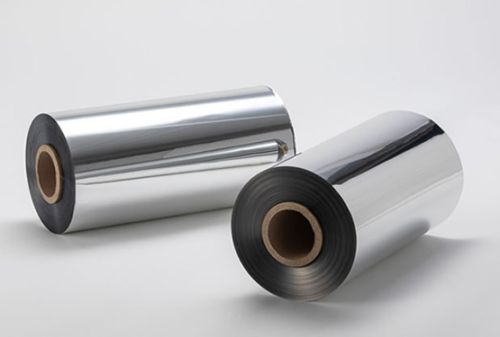
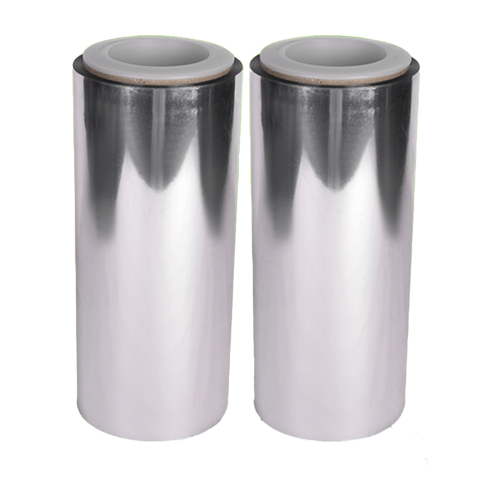
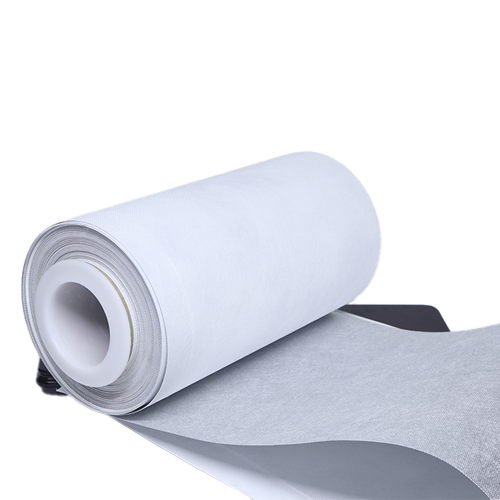
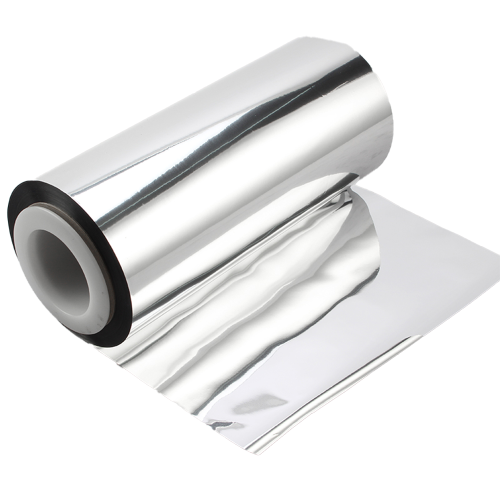
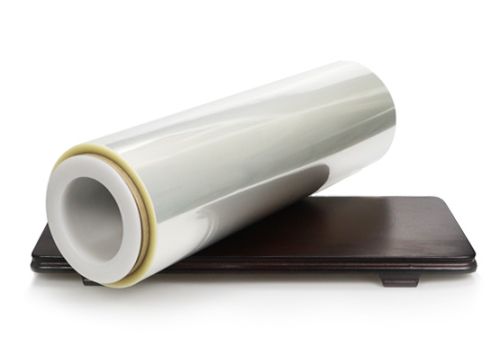
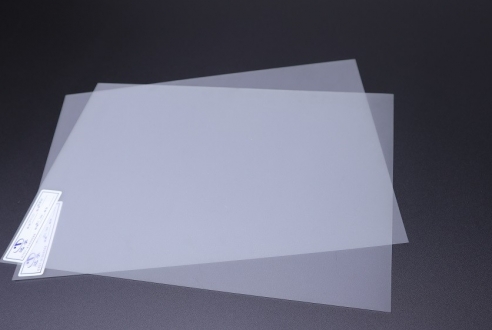
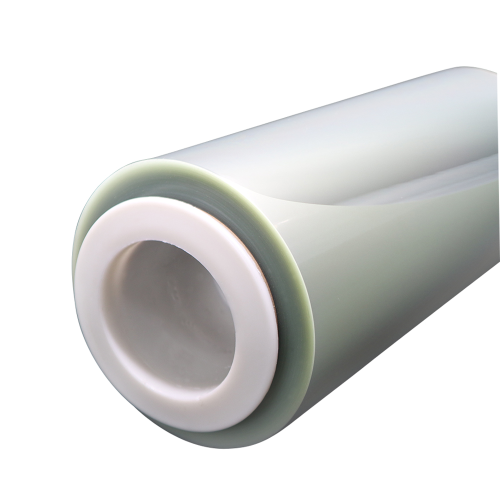
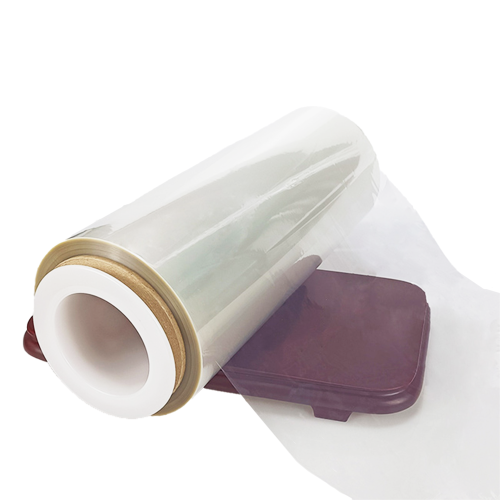
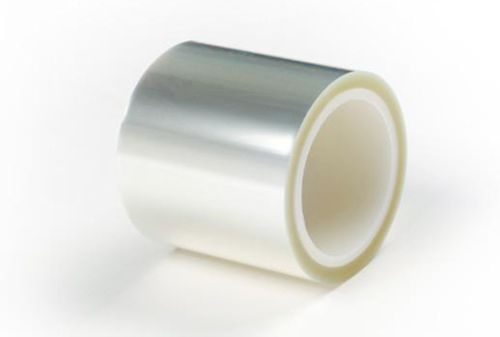
An electronics service pocket can look right at the inspection bench even when the static-control surface ends up facing the wrong direction. The error can begin in roll setup and survive printing, rewinding, and pouch assembly. When qualifying antistatic PET film, record the treatment orientation at each operation. Include a check of the surface the component will see inside the finished pocket.
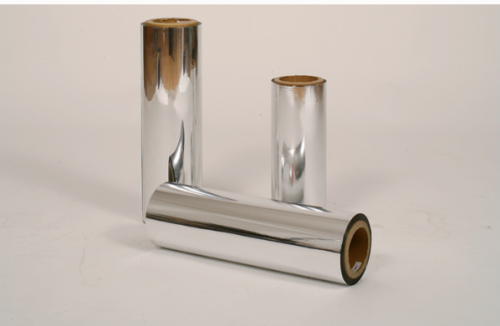
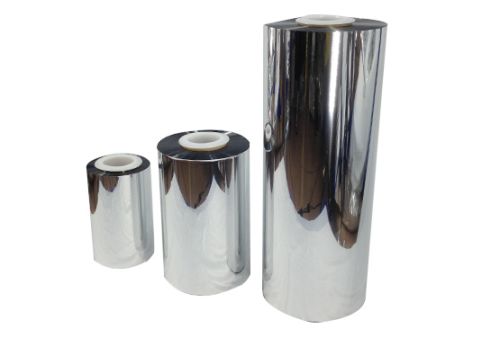
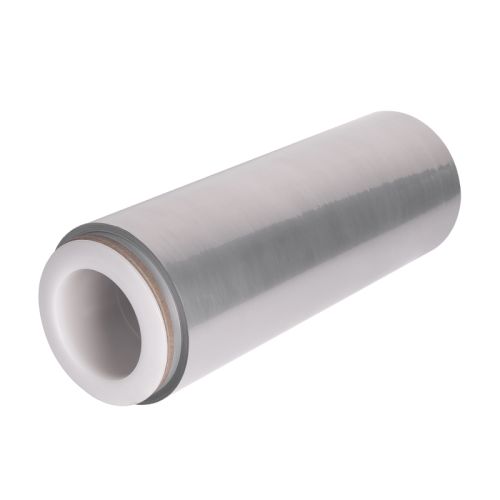
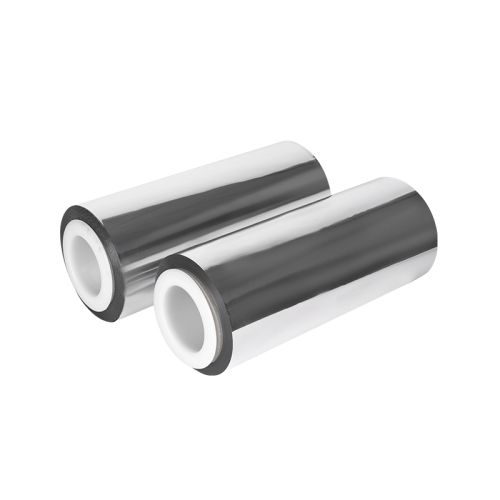
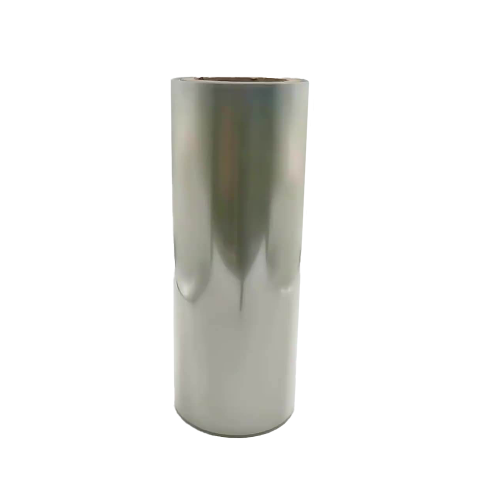
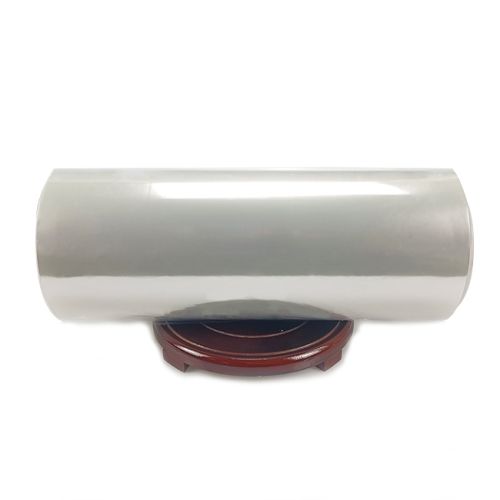
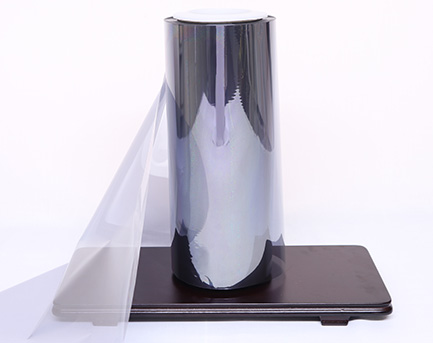
Consult Cailong's film portfolio for the supplier range and request confirmation of the treatment for the offered antistatic polyester. Ask which face carries the treatment, how it is identified on the delivery roll, and which evidence applies to the quoted gauge. The component owner should define the protection needed at the work station and during distribution, including whether separate shielding is required.
Identify the exposed surface from the kit layout
Lay out the kit in the order in which the technician will use it. A shallow pocket can hold connectors or mounting hardware where the part number has to stay visible. A deeper pocket may hold an assembled replacement with its own protective packing. Identify what the user needs to recognize through each window. The clearest part of the film can be reserved for the code, shape or orientation that prevents a service mistake.
Decide which components can share a package and which need isolation. A card with several separately enclosed pockets can keep similar parts arranged without requiring every opening to be used at once. A single pouch may be appropriate where parts are used together and visual sorting is straightforward. Bring actual components and their labels to the layout review. A drawing of empty compartments can hide the differences in size and handling that determine the suitable layout.
Choose the visible layer and the closing layer
Show the role of the PET on a cross section. If it serves as the transparent outer web, identify the backing or companion web and the material that makes the closure. Establish which side faces the parts or another layer. Ask the converter whether the planned print, coating or lamination covers the treated surface. The electrical behavior of an exposed face should be checked in the configuration actually delivered.
A bare transparent film sample can show whether printed information remains readable. A closed pocket is needed to judge closure, backing and fit. Where a design uses an opaque protective pack inside the visible compartment, check what can still be recognized at the kit level. The outer clear pocket can organize the parts while the approved inner packaging meets the defined component requirement. Record both constructions when they are used together.
Approve readability with the product inside
Place representative items in the pockets and view them under the light used at the service bench. Include a dark part over a bright card, a light part over the intended print and any part with a small code or directional feature. If the viewer has to rotate the kit to read a label, check whether the contents move or cover it. A larger see-through area can help, but a different label position may resolve the problem with the same film.
Check whether protection during shipping changes the appearance at opening. Put the kit in its usual box or sleeve and use the approved handling route. Inspect the visible region after the layers are separated. A rub mark beside a part code has a different consequence from one in a margin. Keep a closed reference and an opened kit so a later change to packaging or the card can be compared with both.
Qualify static behavior for the intended handling
Give the supplier the environment, handling method and acceptance criteria established by the component owner. Ask which electrical evidence applies to the film face, and keep the method, units and conditioning with the result. If the film will be printed, laminated or stored before use, include representative converted samples in the agreed evaluation. Record which face was measured and which surface is exposed during assembly and opening.
Carry out the normal opening sequence with the production pocket and support. If the project requires checking the package as a complete configuration, use the component team's designated procedure. Record the material lot and any additional layers used. This allows the buyer to trace the approved result to a specific construction, including the inner protection where applicable.
Specify the product format in the inquiry
Send the supplier the gauge, usable width, required treated face and film evidence for review. Give the converter the pocket drawing, contents, print location and closing route. Explain whether you need unprinted rolls, a laminated web or assembled kits. Include the part labels that must be visible and identify the face a technician will touch. A quote is easier to compare when every supplier understands the same construction and scope.
Before the converting trial, define the reference face on a retained piece from the incoming roll. Record how that face appears after any turn bar, rewind, or change in unwind direction. Compare the exposed face on a converted pocket with the incoming reference under the same conditioning and measurement setup. If the printing operation covers only part of the film, identify separate reading areas for printed and unprinted surfaces. Keep a marked sample with the process record.
Retain an unopened kit and one used in the acceptance trial. If the component list changes, check where new parts touch the film and whether the same protection and identification requirements still apply. A family of service kits can share film stock where the finished configurations have been evaluated. The purchase record should connect that stock to the exact layer schedule, compartment design and handling conditions that produced the accepted result.