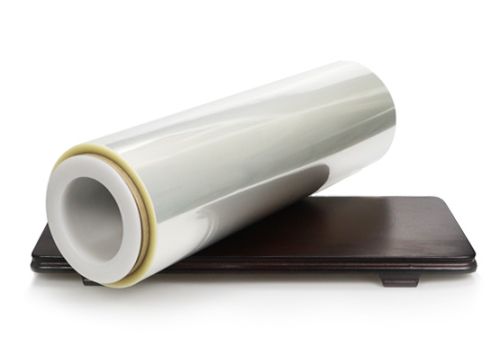
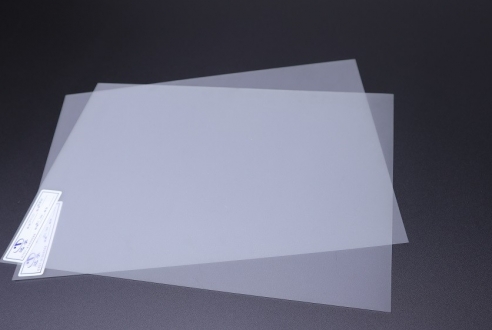
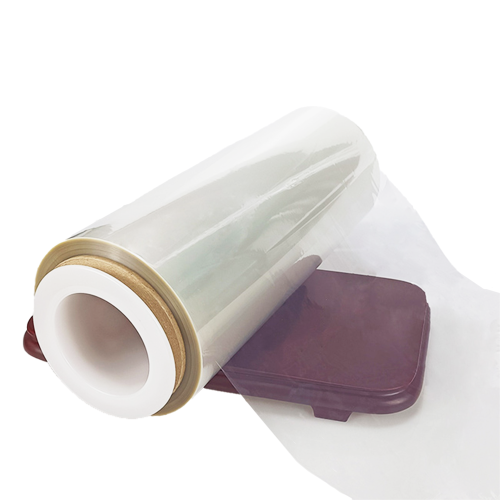
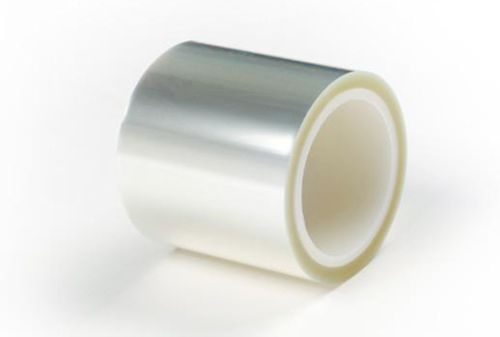
A display carton for replacement hardware may need a clear window big enough to identify the part while keeping it inside the box. The window can also keep the printed compatibility information on the surrounding board unobstructed. Buyers considering high transparency PET film should choose the window position and support with the actual contents in place. The same film can give a different view when it sits over a deep cavity, lies close to a bright part or bows across a large opening.
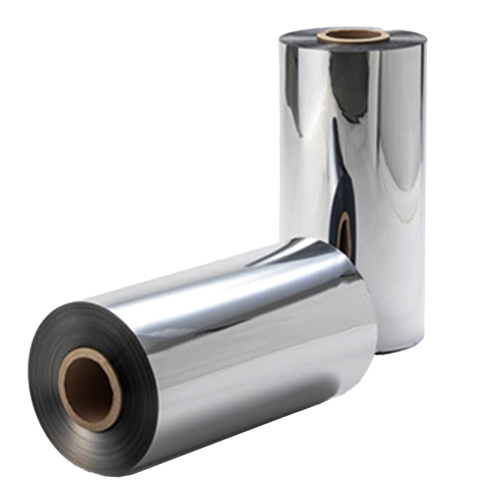
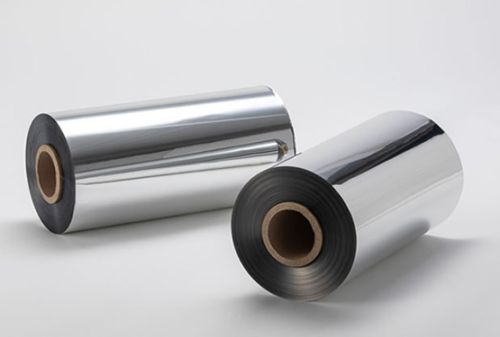
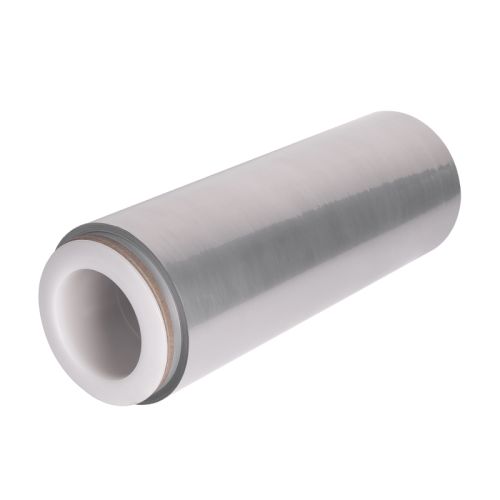
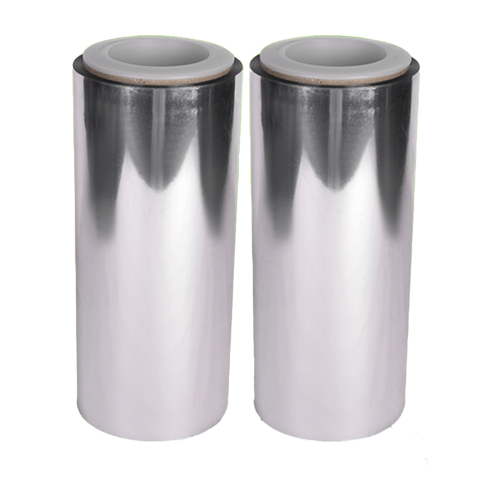
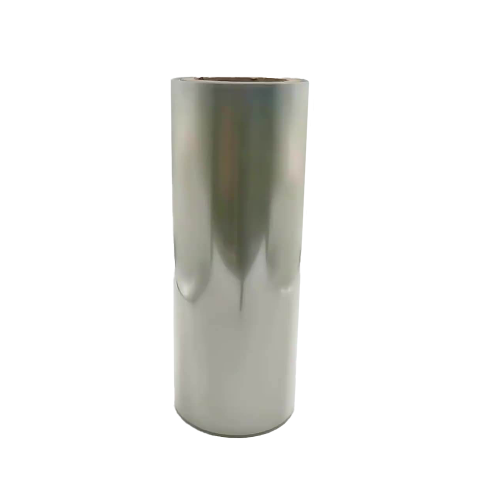
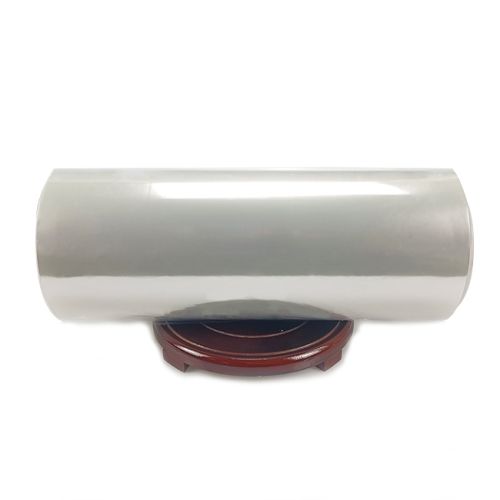
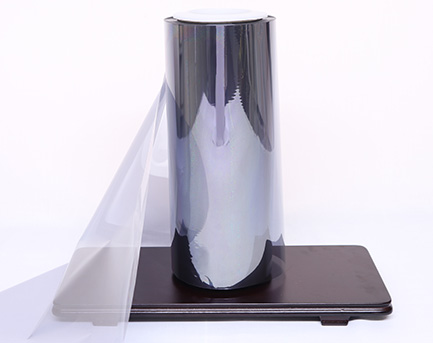
Cailong's film portfolio lists a high clarity polyester grade. Ask for the useful width, thickness and surface treatment offered for the window construction. If the project specifies haze or transmission, request values for the corresponding film and method. The optical reference describes the film specimen. The useful buying decision also depends on the size of the opening, the film position and the contents customers need to see.
Put the visible feature on the carton drawing
Start with the component, such as a replacement handle, nozzle or mounting accessory. Identify the feature that helps a buyer choose the correct variant. It may be a fitting shape, a stamped code or the visible size of one end. Place the window so this feature can be seen on a shelf and while the carton is picked up. Use the normal package orientation and note whether the part can move within its support.
Compare an opening that shows only the distinguishing detail with a larger opening that shows more of the part. A small window leaves more board available for compatibility text. A larger window can make identification easier while requiring a different support and a larger clear area for inspection. Make both windows at actual scale before deciding which construction to quote. Pictures of flat board do not show how far the part sits behind the film.
Select a flat patch or a supported insert
Ask the converter how the film will be attached. A patch behind a flat opening can be held by the surrounding board. A formed or supported insert may help place the film closer to the part. Identify which layer carries the load and how the edges overlap. The trial should use the intended adhesive and board finish because both influence how the patch sits behind the cutout.
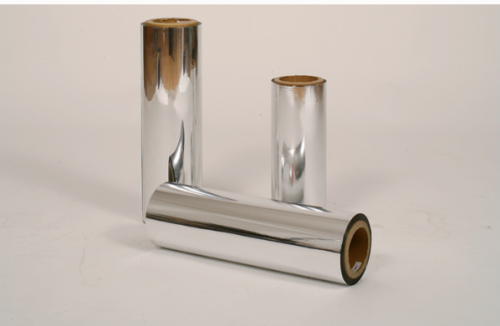
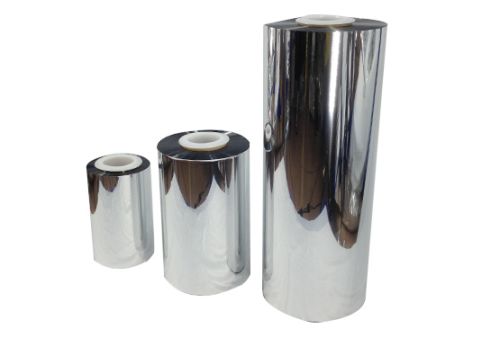
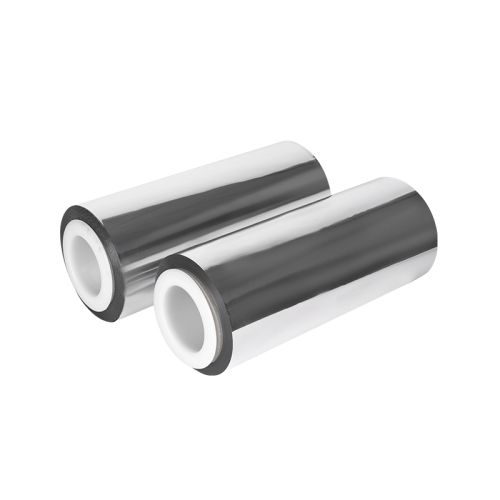
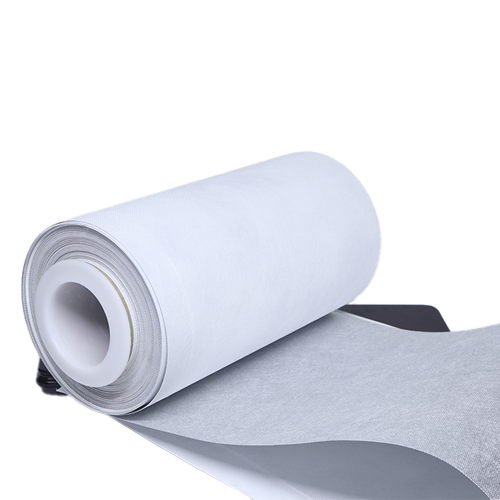
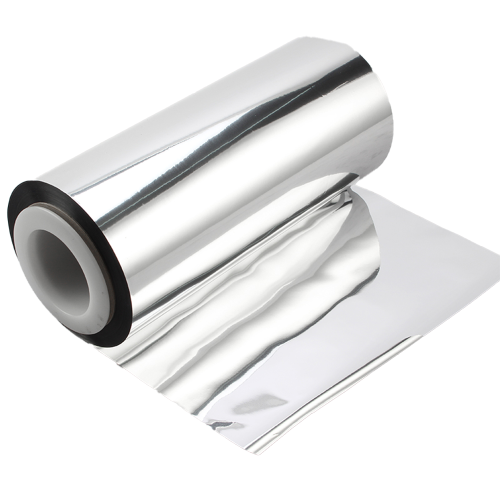
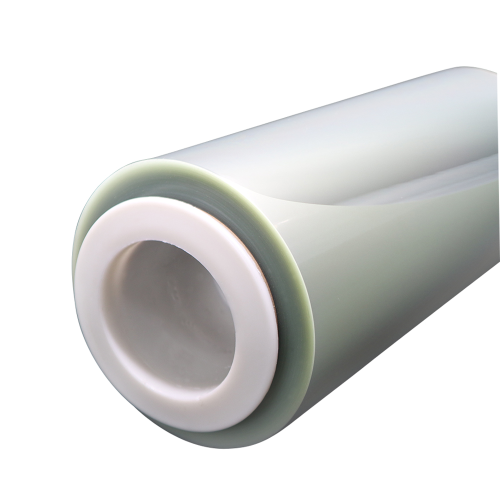
Request film samples in the format that the converter can handle, whether rolls or cut sheets. Give the required patch width and length rather than the nominal size of the carton opening alone. A finished window may need room for adhesive application, alignment and a clear viewing zone. Confirm which face is placed outward and how the surface will be protected between converting and packing.
Inspect the product under shelf lighting
Assemble a carton and place the actual part in its normal support. View it straight on and from the angle a customer would see when approaching the shelf. Include a bright overhead light where it reflects across the viewing face. A reflection can hide the stamped code even when the same window shows the general outline clearly. Decide which detail must remain easy to recognize and record the relevant angle.
Use both the largest and smallest parts planned for the window. If a light part blends into a pale insert, test the intended contrast treatment before changing film. A different background can make a window easier to use without increasing the opening. Keep samples of the stock film, assembled carton and support together. This gives the supplier and converter the same reference during later sourcing.
Review contact and protection after packing
Check which surfaces can touch the film when the component shifts in normal handling. A round housing can press at the center, while a corner can touch along an edge. Use the production insert and packing arrangement during the review. Inspect after the approved handling and storage conditions. Record whether any new marks are on the film, the part or another surface visible through the opening.
If the carton uses several board thicknesses or a new coating, compare adhesion and position on those versions. A patch held flat on one board may lift at a corner on another. Include the packaging line's acceptance checks for the bond and placement. Keep those observations tied to the actual stack so a change in board or adhesive can be reviewed independently of the stock film.
Give the buyer a common specification with clear scope
A shared window film can simplify purchasing across a range of cartons when the patch construction and visible requirements are compatible. List the cut sizes and board variants that use the stock. Specify which format has the broadest unsupported opening or the most critical view. Qualifying that format helps define the limits of the shared approval. Review a new product separately where its shape or position adds an untested contact.
Send the requested gauge, usable width, surface condition and visible area with the sample order. Give the converter the cutout, patch dimensions, support drawing and placement tolerance. Identify whether the quote covers film or patched cartons. Retain the accepted assembled box and a matching piece of the original film. A buyer can then compare later lots to the stock reference and verify that the window still lets customers identify the part through the finished package.
Check the carton at the store's normal stocking depth. A shelf lip or neighboring carton can remove part of the viewing angle. Set a sample at the back of the display and check which identifying features are still apparent before moving the window or changing its outline.
For a shelf label that repeats the part code, compare the text on the board with the mark visible inside. The two references should be understandable in the same view, even when the carton is displayed beside another size. Keep that arrangement with the sample used for visual acceptance.