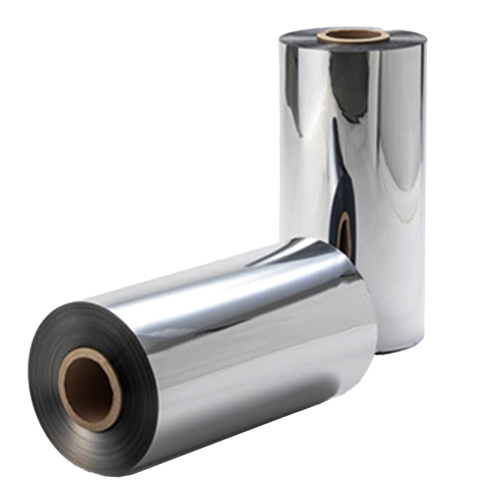
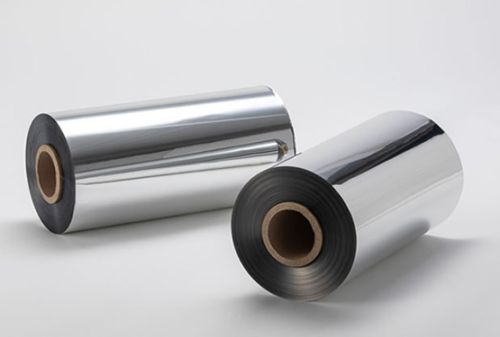
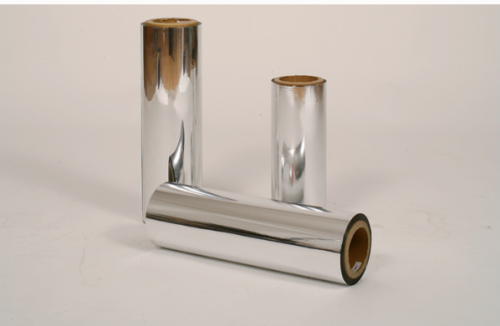
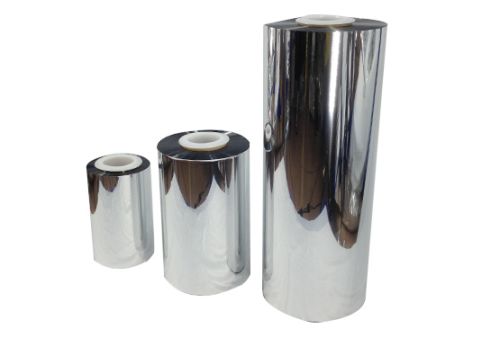
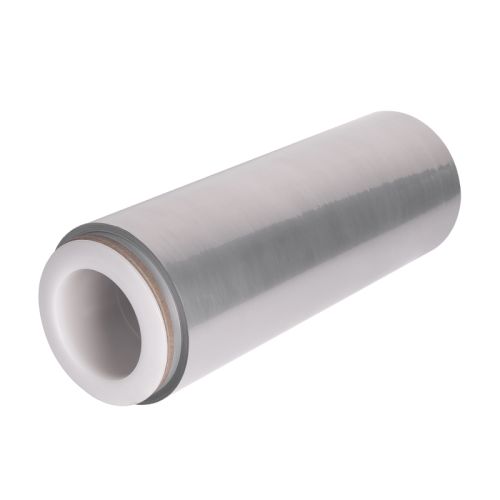
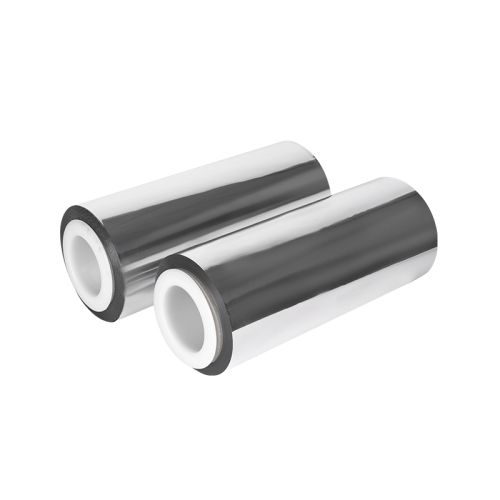
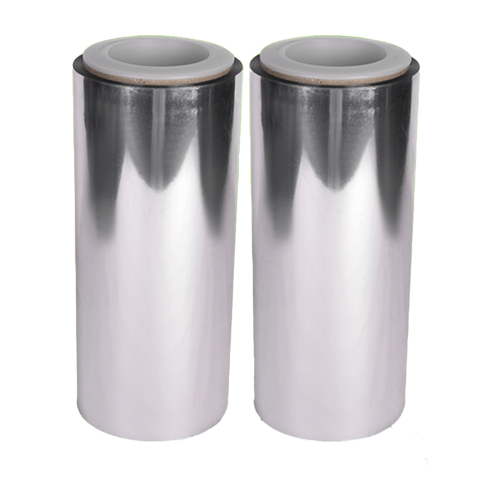
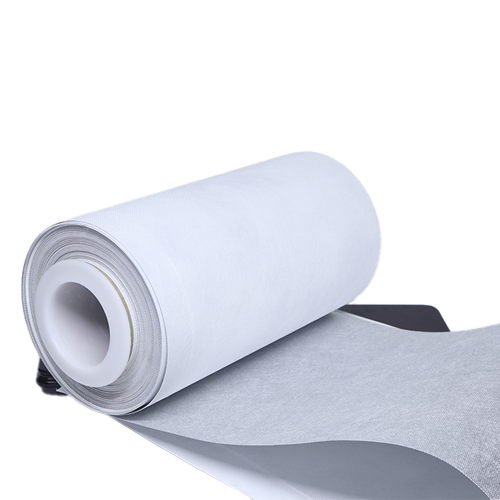
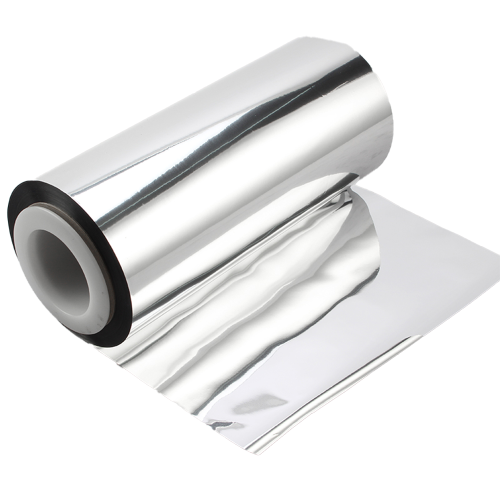
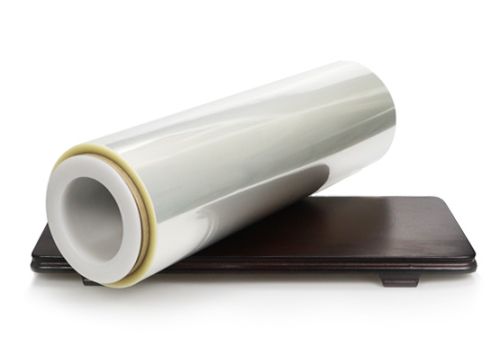
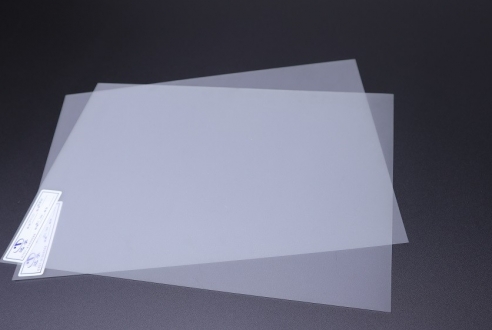
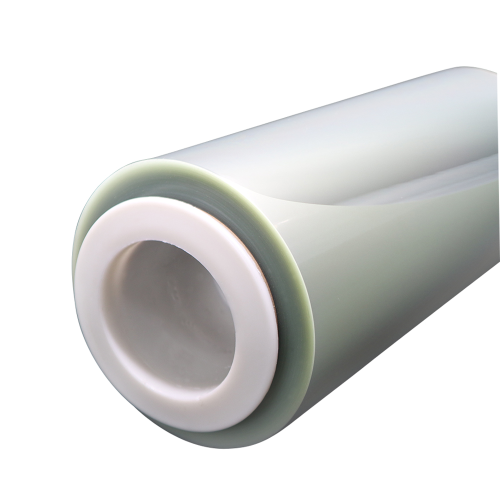
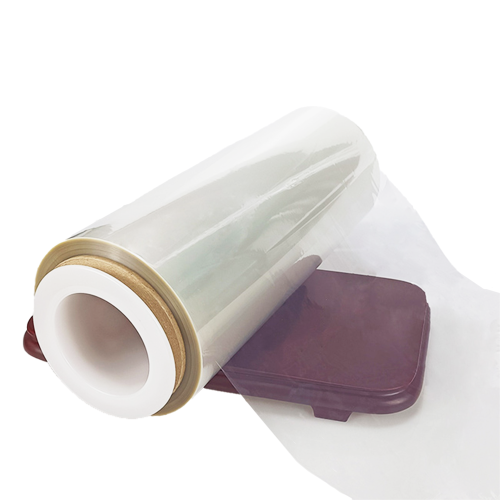
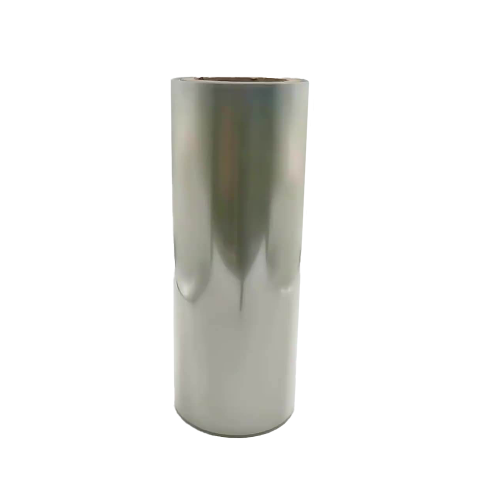
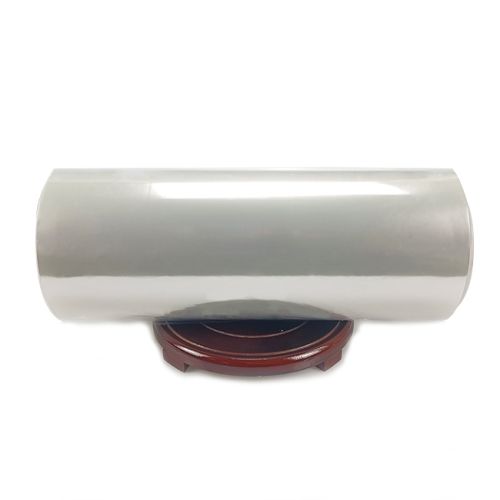
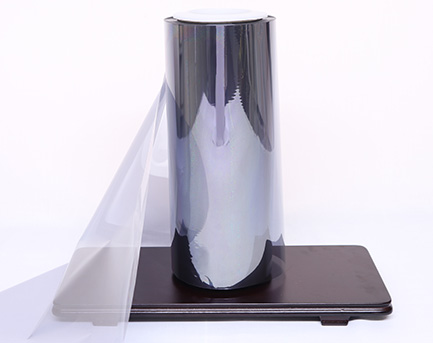
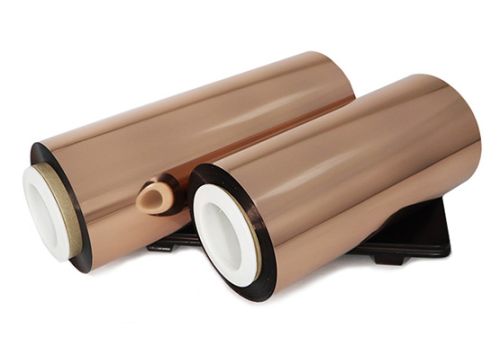
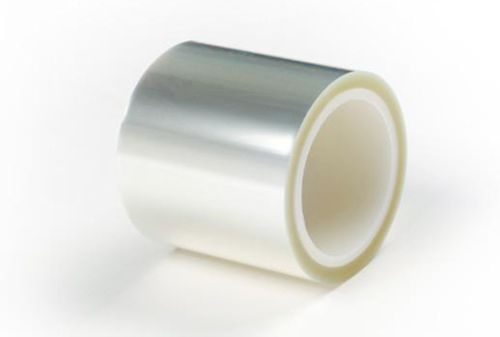
A transfer graphic can let a manufacturer decorate several product shapes without printing each shape directly. The carrier film keeps the image together through preparation and placement, then releases it through the selected transfer process. Buyers considering thermal transfer PET film should first define the receiving surface, image size and placement method. A carrier chosen around those requirements can be evaluated alongside the release layer and printed system that the converter actually uses.
Cailong's film portfolio lists thermal transfer PET for heat-transfer printing, foil stamping and related materials. Confirm the particular gauge, surface and release characteristics of the offered film. Ask which functions are supplied in the quoted web and which layers the converter will add. A base film, a coated transfer carrier and a completed printed transfer are different supply scopes, and the quotation should identify the one the project needs.
Start with the decorated part
Use a representative receiving surface from the production route. Record its shape, finish and condition at the stage when the transfer will be applied. A flat part offers a different placement task from a shallow curved face. Mark the area where the image must sit and any edge or opening that limits its size. Include the surrounding graphics if the transfer has to align with them.
Define the image features that matter most. Fine strokes, separated small elements and broad solid fields can place different demands on a carrier and release system. Include the largest image planned for the project and the version with the smallest separate details. Keep the artwork at production scale. A large simple test rectangle cannot show whether small elements remain positioned during application.
Choose a carrier format for the converter's route
Ask whether the project will use single sheets, cut transfers or a roll format. Match the width and handling allowance to the equipment or application fixture. A sheet needs enough clear area for positioning and handling. A roll may require a specific repeat and a stable web reference. Record those dimensions before requesting sample stock so both converter and supplier can prepare material suited to the trial.
Identify the print face, any coating and the direction in which the carrier is removed. The carrier may be viewed from the opposite face during placement, so check the artwork orientation with the converter. Include the layers in a simple cross section and keep the finished design reference alongside it. This prevents an apparent registration issue that comes from preparing a mirror image in the wrong direction.
Build a representative printed transfer
Use the intended print system and receiving layer arrangement. Record the carrier lot, coating identification and artwork revision. Keep an unprinted film sample and a printed sample before application. Those references show whether a line or missing area existed before the transfer reached the part. If a trial changes the release layer, retain the earlier construction for comparison.
Inspect the printed image in the state used for production handling. Check whether the graphic remains stable when sheets are stacked, separated and carried to the application station. A film that is easy to handle on a bench may sit differently in a feeder or fixture. Record the point where the operator holds the piece and any contact with the image area.
Review placement and release together
Apply transfers through the converter's approved trial route using the intended receiving part. Record the relevant process conditions and the removal sequence. Observe when the image makes contact and whether the carrier can be lifted without shifting its position. If the construction calls for a defined waiting condition before removal, keep that condition with the sample record.
Inspect fine details and large fields separately after release. Compare them with the printed carrier reference. If an element stays on the carrier, record its location and check whether the same element repeats the issue. If the image moves as a group, review placement and carrier restraint. Preserve the used carrier and the decorated part as a pair so the converter can compare where the material went.
Evaluate the graphic on the intended product
Check the decorated part under the lighting and viewing distance relevant to its use. Include the edge of the transferred area and the surrounding surface. A transfer can meet placement requirements while its finish differs from the part around it. If a coating or further manufacturing step follows decoration, inspect after that stage using the buyer's existing approval procedure.
Use the project's required handling or durability check on the finished construction. Record the receiving surface, transfer layers and processing sequence for each result. A good release result establishes that the carrier performed its role in that trial. The final graphic still needs the evidence the buyer requires for service. Keep both decisions in the record with the exact construction.
Give purchasing a complete transfer specification
Send the requested carrier gauge, width, surface and supply format. Include the receiving part, artwork dimensions and application route. Ask for the supplier evidence that applies to the offered web, and identify who is responsible for printing and preparing the transfer layers. Retain an unused printed piece, a used carrier and an accepted decorated part.
For a part with a locating recess, compare transfers with the image placed at the center and at the allowed positioning limit. An image can release fully yet leave a critical detail too close to the recess wall. Keep the accepted placement reference with the film and print records so a repeat trial uses the same receiving geometry.
If a product variant changes surface finish, image scale or shape, compare the affected placement and release features before reusing the approval. The same PET carrier may suit several versions when the converter can reproduce the system. A physical reference and documented supply scope help the next buyer request the material actually qualified for the decoration process.