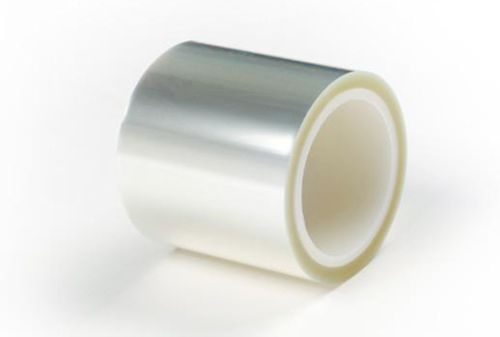
An adhesive gasket can be difficult to convert when the narrow border of waste repeatedly pulls up the small pieces that should stay on the liner. The defect may appear only near a sharp internal corner or late in a roll. Buyers evaluating release PET film should compare the release system on the production cut pattern, with the adhesive and waste removal route identified. An uninterrupted strip peel provides a useful material reference, while the converting trial shows whether the liner can carry the parts through the actual operation.
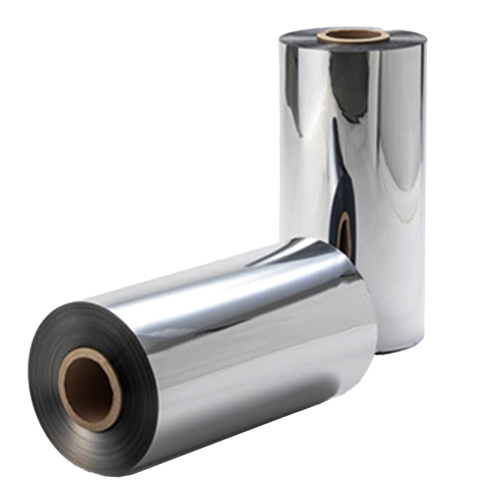
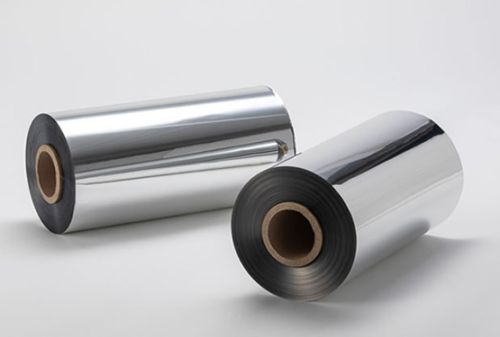
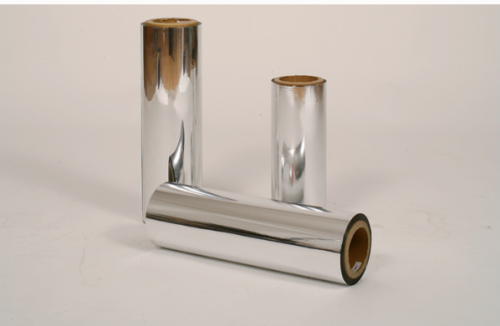
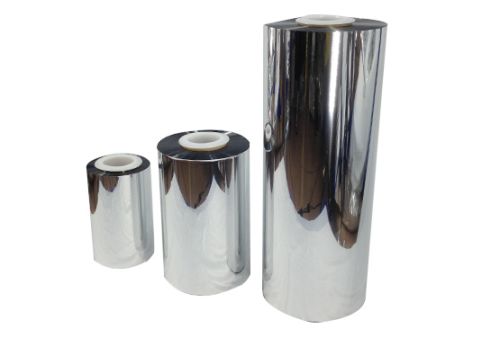
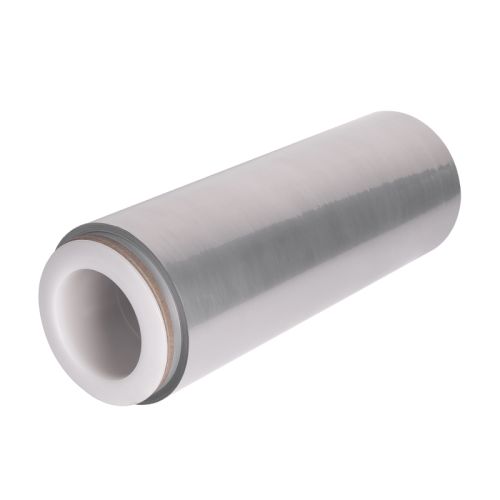
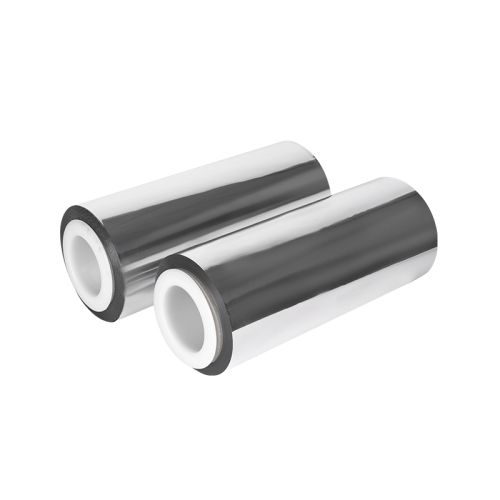
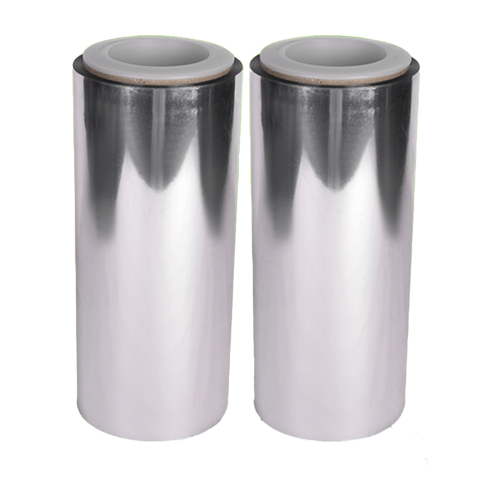
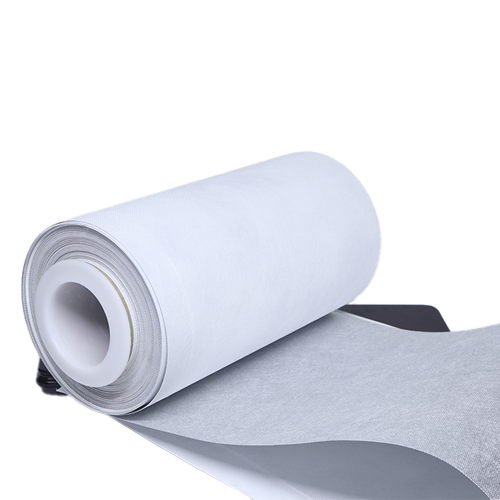
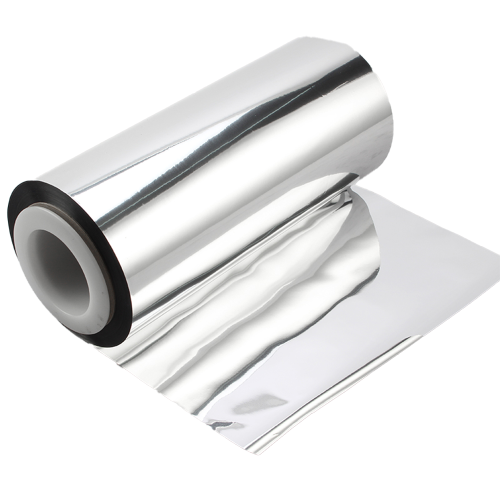
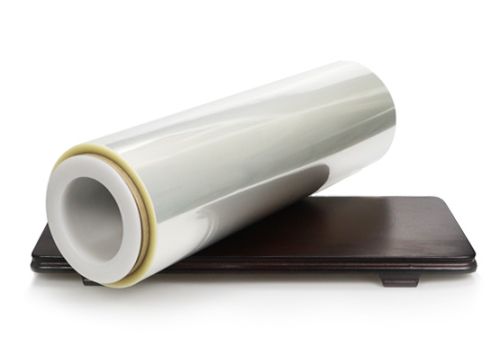
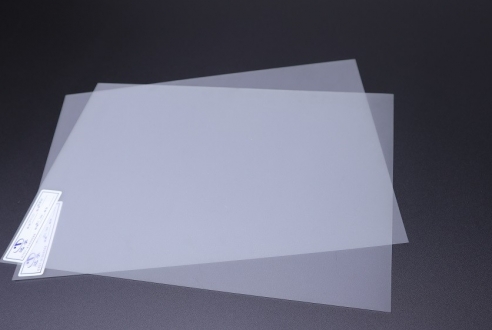
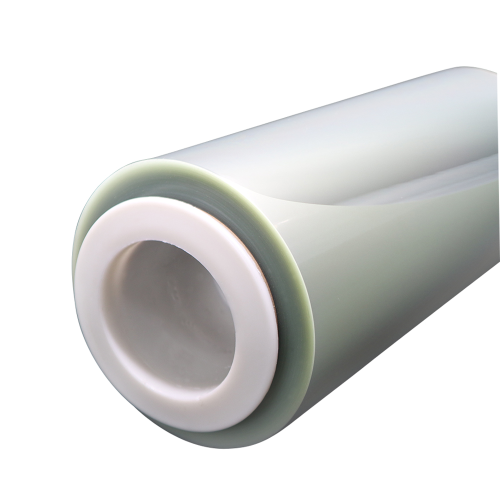
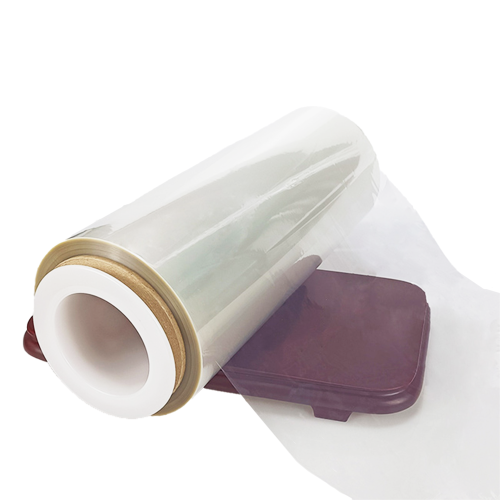
Cailong's film portfolio lists polyester release film for adhesive backing, labels and protective uses. The product information describes adjustable release force. Ask the supplier which liner face, gauge and release option are offered for the intended adhesive. Keep the tape and test conditions with any reported release data. A value obtained with a reference tape cannot describe every adhesive construction or the way a narrow waste border loads a small die-cut part.
Identify which pieces must remain on the liner
Use the production drawing and mark the smallest retained pieces, narrowest waste regions and inside corners. Record the direction in which the waste is removed. A small retained island can be loaded differently when the surrounding web is lifted from its short side. Include the original design and any approved alternative that gives the waste a wider path. Keep their film and adhesive construction the same for the initial comparison.
Make samples at actual scale. An enlarged drawing can omit the part that is most likely to lift. Where a tool cuts several lanes, label the parts by lane and position. Record whether the problem always follows one feature or appears across unrelated regions. This distinction helps the converter compare the artwork and tooling before requesting a different release level.
Keep the complete adhesive construction in the trial
Use the intended face stock, adhesive, liner and any carrier applied during cutting. Confirm which face of the PET is coated and which surface touches the adhesive. If the supplier provides more than one release option, keep the samples separately identified through converting. A piece taken from an unidentified roll offers little evidence for selecting the next order.
Record how the adhesive reaches the condition used for converting. Include its relevant age and the interval between lamination, cutting and waste removal. If a trial changes that timing, keep its results separate. A release system can respond differently after a different dwell, so a newly prepared specimen should not automatically be compared with production stock that has waited through normal storage.
Inspect the cut before stripping
Observe representative parts while the waste is still present. Check whether the retained pieces already sit unevenly, whether a liner mark follows the cut or whether the waste remains joined at a corner. Use the converter's approved inspection procedure to assess cut completion. A joined area can transmit load into a retained part even when the general release level is suitable.
Keep a sample before waste removal and a matching sample immediately afterward. If a retained piece lifts, mark the first location of movement and retain the neighboring waste. The two surfaces may show whether the adhesive pulled away from the face stock, the part moved on the liner or the cut failed to separate cleanly. Describe the visible evidence and leave uncertain layer identification for the converter to confirm.
Compare the production removal route
Run the trial using the intended waste path, support and approved operating condition. Record whether a change appears at startup, after a stop or through a stable interval. If the machine team adjusts the path, identify the samples made before and after the adjustment. The accepted result should show which geometry and process accompanied the release film.
Where practical, compare an agreed alternative removal direction with the same material. A change that reduces the load on a narrow island may improve retention without requiring another liner. If a different release option is also tested, evaluate it with the original path first so the buyer can see its effect. Keep retained part position and clean waste removal as separate acceptance observations.
Check whether the parts still transfer as intended
A liner that holds every part securely during waste removal also needs to let the user remove those parts at the next stage. Run the intended dispensing or hand removal check after converting. Observe whether the part stays flat, releases in one piece and arrives at the correct location. If the geometry creates a difficult grasp point, include that in the trial rather than peeling a wide strip from an unrelated area.
For parts that wait before use, inspect the finished converted stock after the buyer's normal storage interval. Keep packing and stack orientation representative. Compare it with the original reference and record any change in removal behavior. The qualification should cover the material at the point where the converter supplies it and the condition in which the customer actually handles it.
Put the selected release system into the order
Where the stripped parts are rewound for delivery, include that step before checking dispensing. A lifted corner may be pressed flat again on the reel and become harder to identify at receiving. Retain material immediately after stripping and from the final supplied reel. The comparison helps show whether the delivered appearance records the original event or a later contact.
Send the requested gauge, usable width, coating face and release requirement with the adhesive identification and die-cut drawing. Include the smallest critical feature and the removal route used in the accepted trial. State whether the supplier quotes film only or converted components. Retain an unstripped sheet, a successfully stripped sheet and the corresponding material record. The next buyer can then reproduce the same release system and see which converting conditions supported the result.