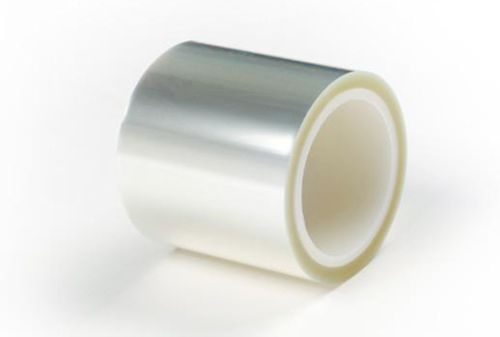
A foil-effect label on a refillable dispenser can look consistent across several product variants, then develop a polished track where operators press or grip the surface. That track can be visible even when the printed wording remains intact. Buyers qualifying matte metallized PET film should compare the finish in a defined contact zone using the planned print and protective layers. A small scratch or rub result from a flat swatch does not necessarily explain why a repeated hand or fixture contact creates a broad change in appearance.
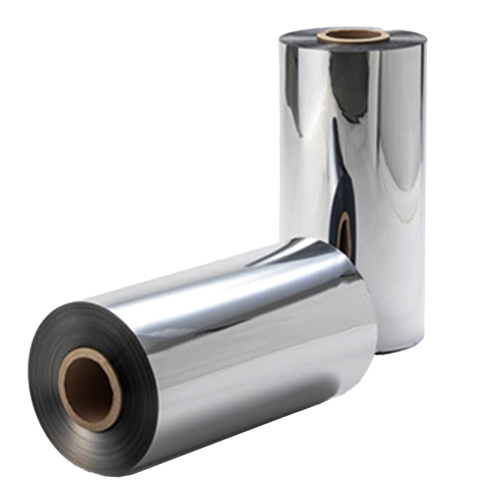
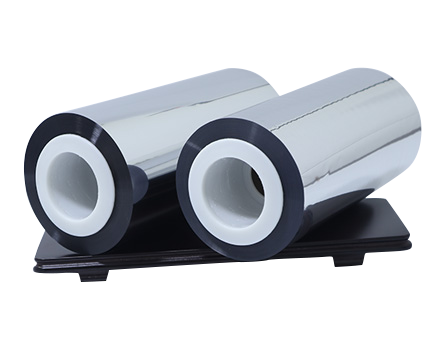
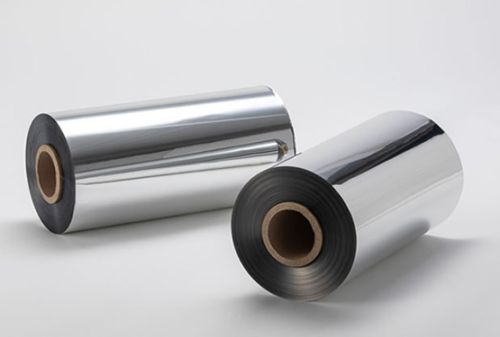
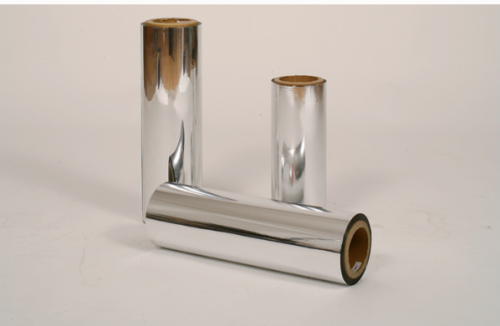
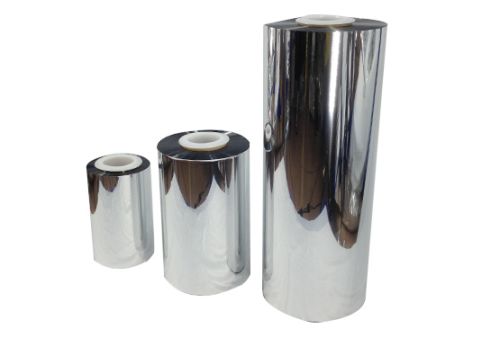
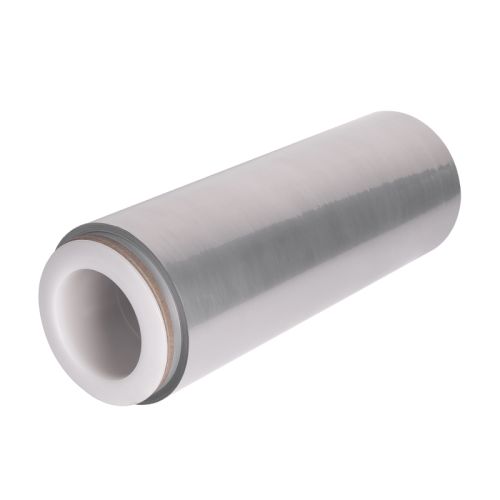
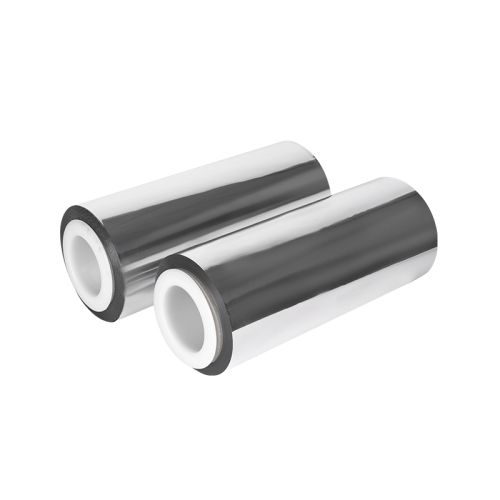
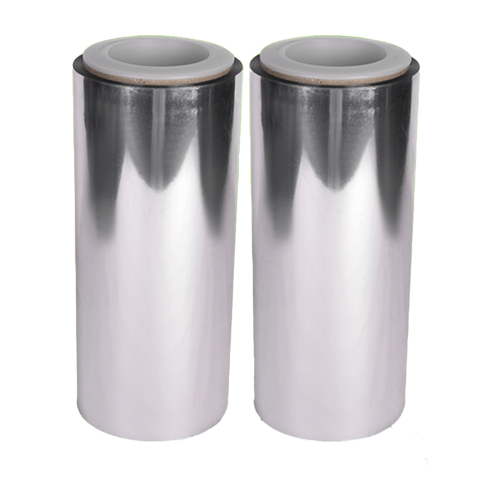
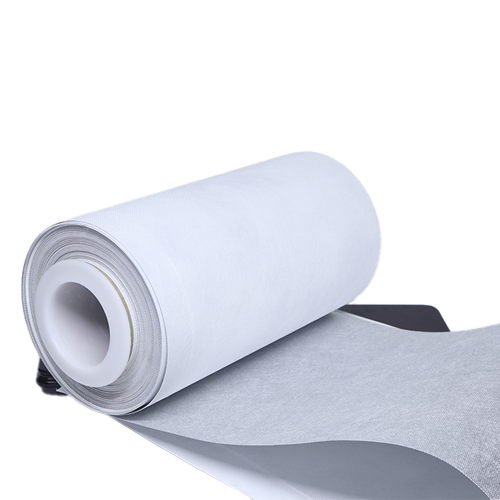
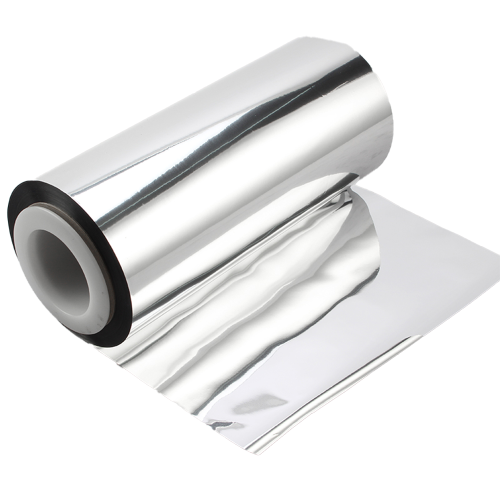
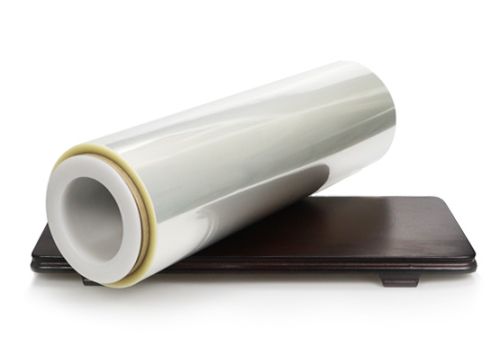
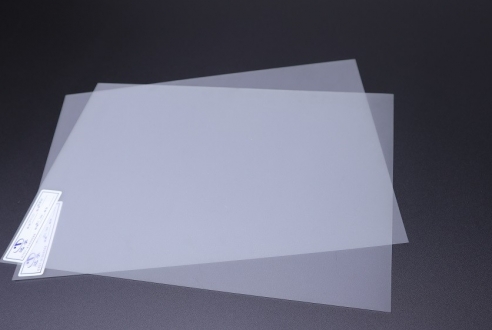
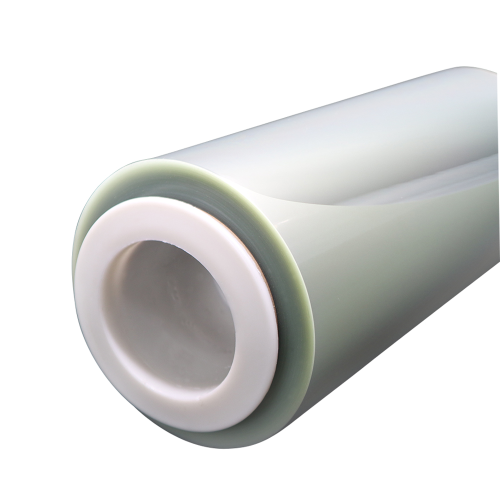
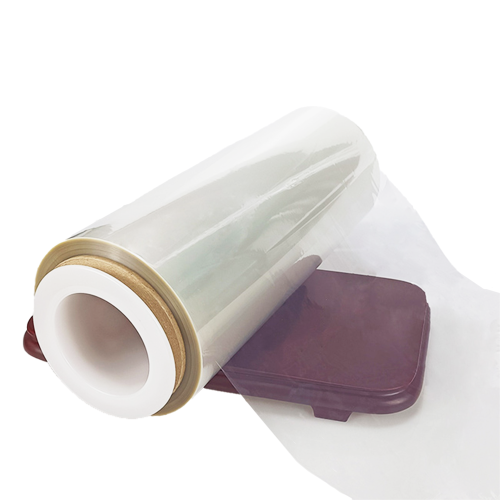
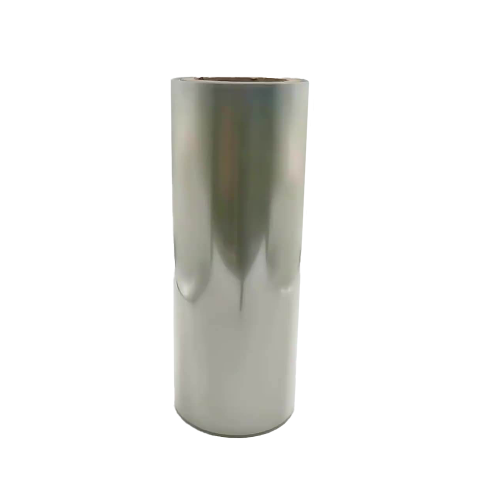
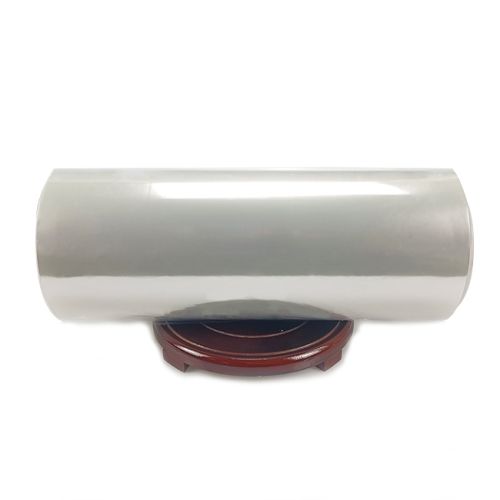
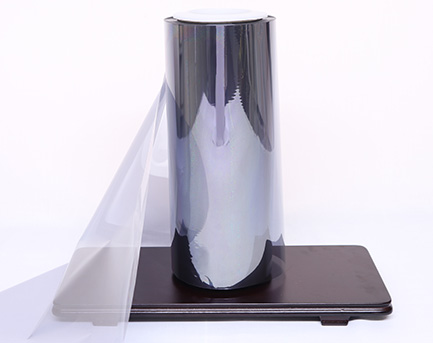
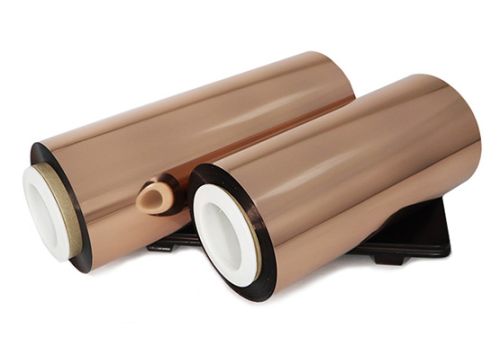
Cailong's film portfolio lists matte metallized PET film for decorative and converting applications. Confirm the specific finish and the intended visible face before making samples. Keep the print construction and any overcoat identified. The surface contacted during use may be an exposed film, a printed region or a separate protective layer. A finished-label test should reproduce that actual contact and show whether the changed gloss comes from the outer face or a different part of the construction.
Locate the area that is repeatedly touched
Mark the normal grip or press area on the dispenser. Include features that guide the user's fingers and any contact with a refill fixture or packaging. A narrow rib or support can concentrate the contact along a line. Check whether the region happens to cross a dark ink field or lies on bare metallic decoration. Photograph the original position before removing the label for inspection.
Compare labels from equipment that has seen the intended use with an unused reference from the same construction. Record how the dispenser is normally held and cleaned. If several versions share the label, include the shape with the highest or most concentrated contact. Where a partly used specimen is available, preserve its condition and avoid creating new marks during the investigation.
Establish the appearance before the contact trial
Fit a control and candidate label on the actual dispenser or a representative carrier. Use the same adhesive and support when practical. Inspect the same panel from the expected directions under consistent light. If there is a directional matte effect, mark the direction from which the surface looks most uniform. A shallow curve can move the reflected area even before the material is handled.
Use a marked location for any gloss or visual comparison required by the project. Record the geometry and measurement conditions. A large-area measurement may include uncontacted material on either side of a narrow track. Where practical, use the approved method to obtain a useful result from the contact region and an untouched area. Preserve a photograph showing which portion was measured.
Reproduce contact and cleaning separately
Use the approved handling sequence and contact material. If the dispenser is gripped by hand, follow the buyer's established practical inspection route. If a fixture is responsible, preserve its location, surface condition and expected contact history. Inspect the first marks before the repeated exposure is complete. The position of a developing track can give better evidence than the appearance after it has spread.
Where cleaning is part of normal use, compare handling alone with handling followed by the approved cleaning procedure. Record the product or contact material as required by the buyer. A different finish can appear after cleaning if material is removed or redistributed. Keep a sample of the label in the condition first observed and use a separate piece when investigating the effect of cleaning.
Distinguish gloss change from transfer and wear
Look for a bright band, loss of color, visible debris or a change limited to a printing boundary. Compare the result under direct and oblique light. A mark that follows the reflected bright region can look different from a line that remains visible across several angles. Record whether the underlying metallic appearance changes or the difference seems confined to the top surface. Where the layer cannot be identified visually, send the retained samples to the converter.
Compare the same region on an unprinted piece and on the completed label if both can be prepared. If the effect follows only the printed or coated sample, ask the converter to review that surface and its preparation. If it appears in both pieces, compare the contact history and material finish. Keep the result specific to the construction and exposure used during the trial.
Confirm what the buyer will accept in service
Inspect the dispenser from the positions where customers or operators see it. A small track behind a handle can be acceptable while the same mark across a brand element is visible immediately. Define the locations where the difference matters and retain an agreed example. If the buyer uses a quantitative gloss criterion, tie it to the method and region that produced the reference result.
If changing the artwork moves the contact away from a critical visible zone, compare that version with the original layout while keeping the film the same. Where the selected fix involves a protective coat, repeat the initial appearance review as well as the contact exposure. Retain the finish that was actually accepted in the assembled product.
Specify the construction for repeat supply
Compare the exposed label with an area partly covered by the dispenser housing. That protected strip can provide a local reference made from the same converted material. Note any differences already present before handling so the protected and exposed regions can be interpreted correctly.
Give the film supplier the requested gauge, width and matte metallic reference. Provide the converter with the surface orientation, print or coating details and dispenser drawing. Include the position of repeated contact and the inspection views. Keep an unused label, a used specimen and an approved assembled reference together. A later print revision or housing change can then be assessed against the contact and appearance the buyer originally qualified.