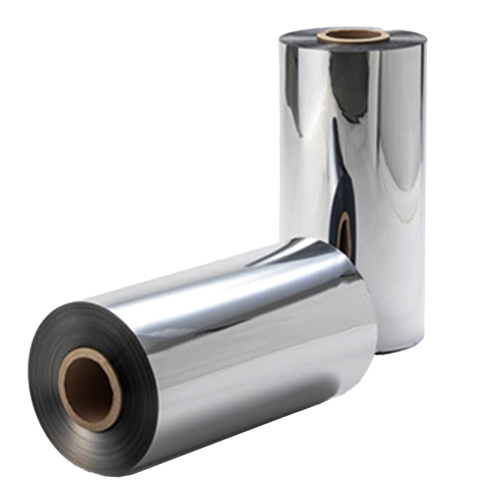
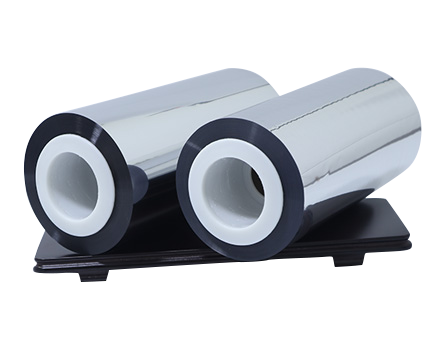
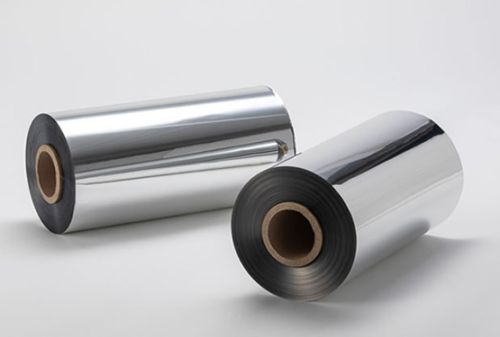
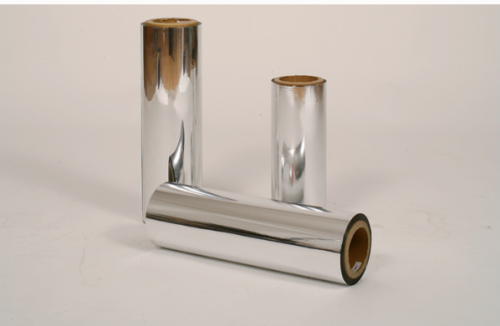
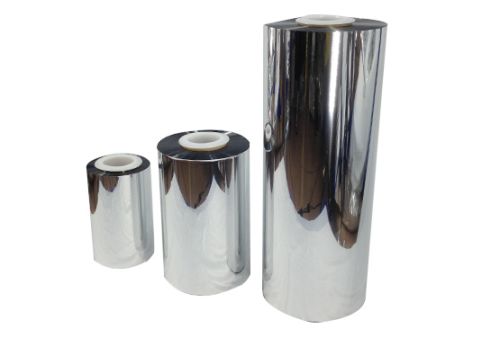
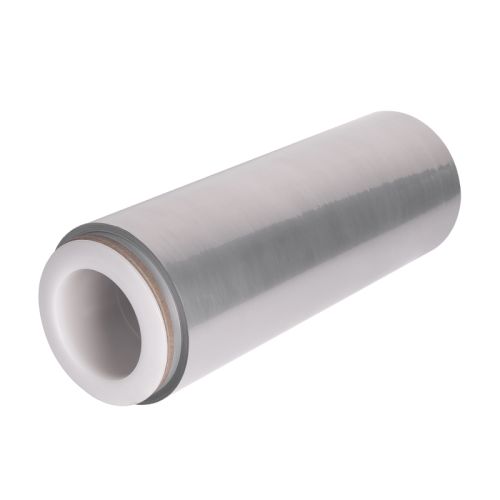
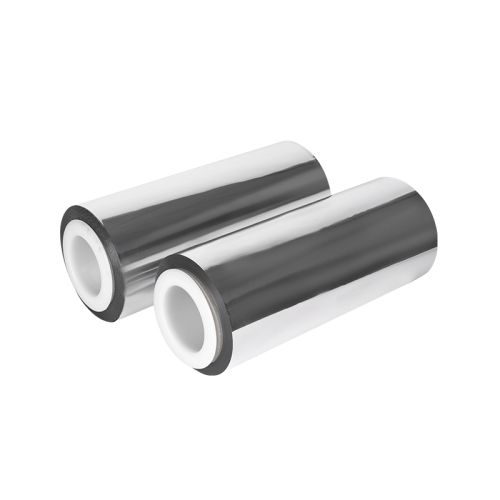
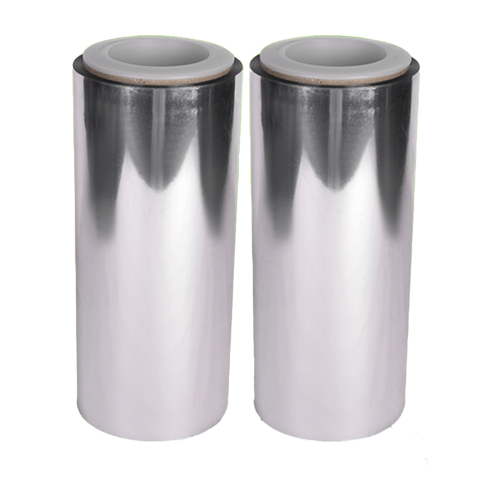
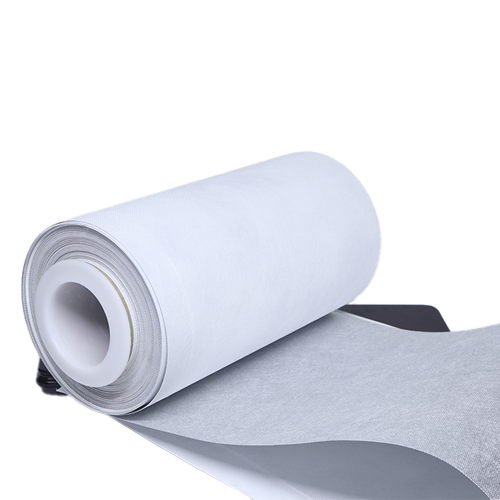
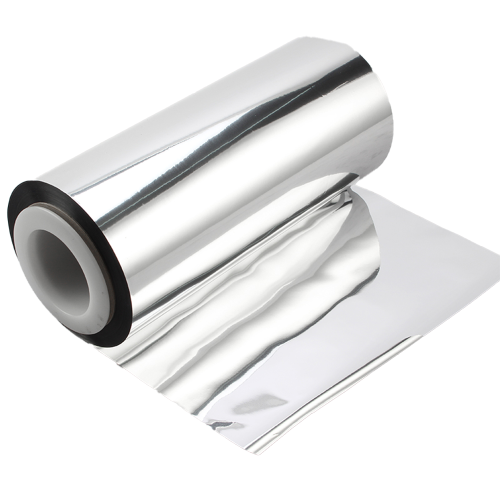
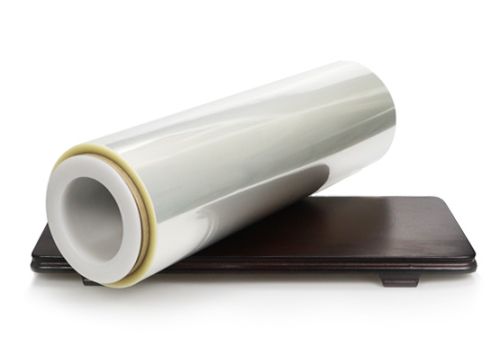
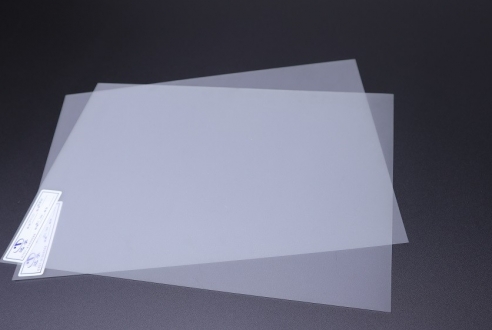
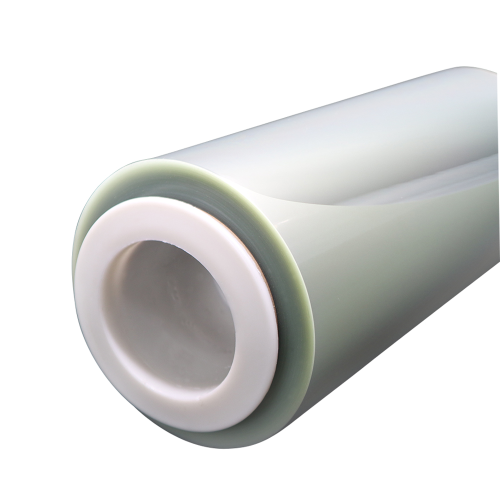
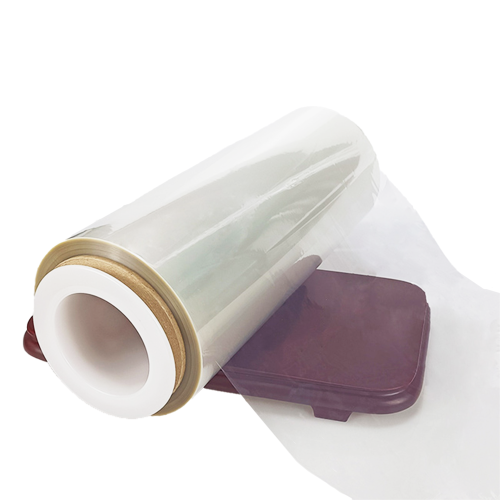
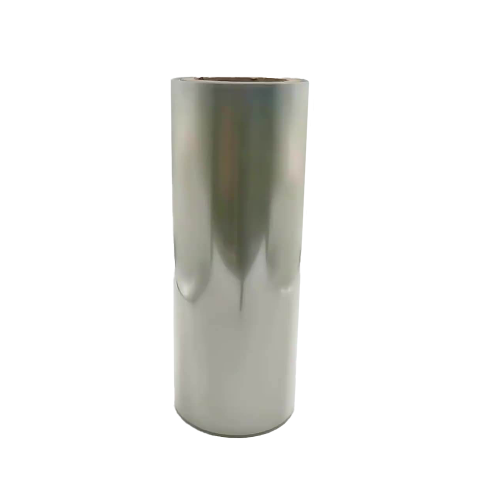
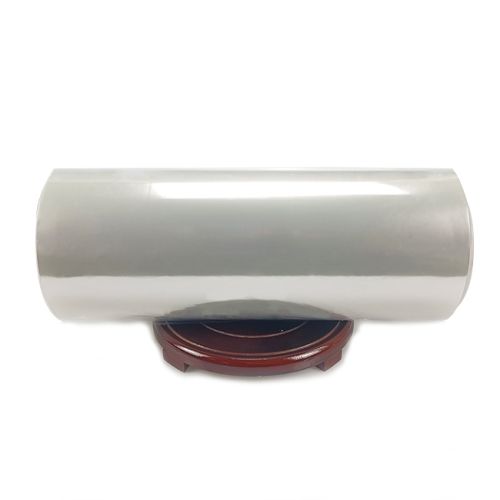
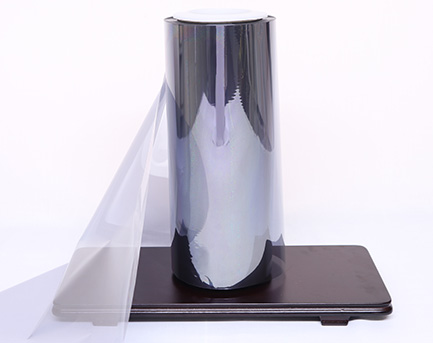
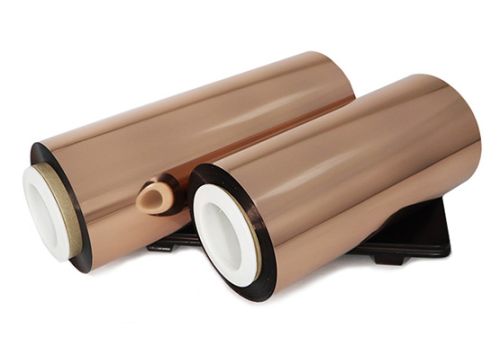
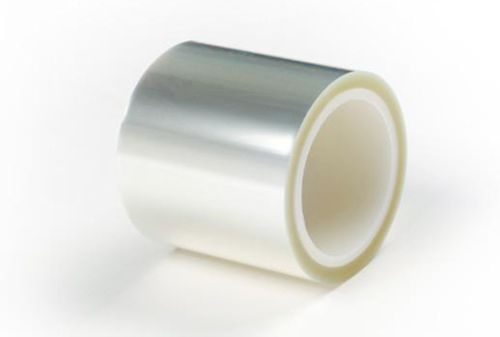
A transparent inner seal can fit under a screw cap and leave the product visible when the consumer opens the outer closure. In a bottle program, the decision to use heat seal PET film starts with the rim material and the way the seal has to open. A material that bonds well to one rim construction may not behave the same way on another. Qualify the heat-sealable face in contact with the actual bottle finish and inspect the seal after it has been capped, stored and opened.
Cailong's film portfolio lists heat-sealable polyester film for uses including bottle cap sealing. Confirm the grade, sealable side and offered gauge before requesting samples. Ask what substrate was used in the supplier's seal evaluation and which conditions are reported. The film supplies a candidate sealing face, while the bottle finish, cap and closure line determine the assembly that must pass the buyer's checks.
Match the closure drawing to the film
Obtain the bottle finish drawing and mark the sealing land. Record the rim material, surface condition and allowed variation in flatness or width. If several bottle suppliers serve the same product, identify the finish used in each trial. A nominally interchangeable bottle may present a narrower or differently shaped contact area. Use actual bottle samples and retain one unprocessed piece from each trial lot.
Draw the sealing piece and mark any lift area or unsealed tab. Confirm whether the consumer is expected to peel the seal, tear it or use another opening action. If a cap compresses the tab or pulls it while being removed, include that relationship in the assembly drawing. A seal that opens cleanly in a flat bench comparison may behave differently once the tab is folded beneath a cap.
Compare adhesion on representative rims
Make an initial run with the selected sealing face identified and the bottle prepared through its normal process. Use the converter's approved trial settings and record the relevant line conditions. Keep an incumbent seal or another approved closure as a reference if it serves the same purpose. Examine whether the seal contacts the full intended band and identify the position of any visibly discontinuous area.
Collect trial pieces from the beginning and stable part of the run. Check whether the appearance follows one bottle position, tool location or material sample. If only part of the rim bonds, inspect whether the same area is uneven before assuming the film needs a different sealing characteristic. Preserve a sealed example intact so the supplier can review the original placement and geometry.
Inspect the cap and the seal together
Apply the cap using the established closure procedure. Review whether it touches the face of the inserted seal and whether that contact is intended. A tab can fold under the cap and remain difficult to grasp even though the seam is intact. Record cap clearance, liner arrangement and opening direction where those features affect the test. Compare the behavior of the same seal before and after the cap has been used.
Open selected packages using the expected consumer motion. Observe whether the seal starts to lift at the intended point, whether it follows the rim cleanly and what remains on the bottle. Record the location and appearance of any partial tear. If the project needs both a consumer opening check and a seal strength reading, retain each result with its own specimen and method. Opening from a tab gives a different loading path from a laboratory strip.
Include the product and storage interval
Use the intended fill or an approved product simulation. Identify whether product can contact the seal during normal shipping or storage. If the packaging team requires storage in more than one orientation, record which part of the seal sees that contact. Use the approved duration and environment. Avoid assigning a result for one product fill to another with a different interaction at the closure.
Inspect after storage and any required handling exposure, using the buyer's method for closure integrity. Record visible seal damage and measured leakage separately. A closure can look even when a small region fails the intended integrity check. Keep any failed package unopened until it has been marked and photographed. Locate the relevant feature before removing the seal so it can be compared with the corresponding rim.
Decide whether heat-sealable PET fits the design
Compare the candidate with the existing seal on the same rim. If the aim is visibility, inspect the assembled closure against the intended product and lighting. If the aim includes easy removal, check whether the sealing area and tab still work when the bottle is handled as expected. A supplier's film data can guide grade selection. The completed closure should have its own evidence for bond, integrity and opening.
Where a trial requires changes to rim finish or closure tooling, record the new construction and repeat the affected checks. Hold the remaining inputs constant where practical. A successful package may depend on the new combination rather than one material decision. Keep accepted and rejected examples together so the packaging team can see the impact of the change.
Give the supplier the closure details needed to quote
Provide the material and dimensions of the rim, the requested film gauge and width, the seal side and the intended opening action. Include the presence of a cap and the compression or storage stage that matters to the application. Ask what data are available for the offered grade and specify whether the request is for raw film or converted inserts.
Retain the approved bottle, removed seal and trial conditions with the purchase record. A revised cap, rim supplier or fill can change which part of the test needs to be repeated. The next buyer can then reproduce the closure that was qualified and ask for the same heat-sealable film with an identifiable production reference.