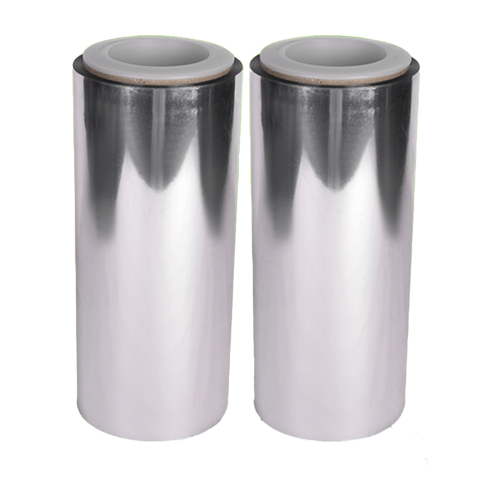
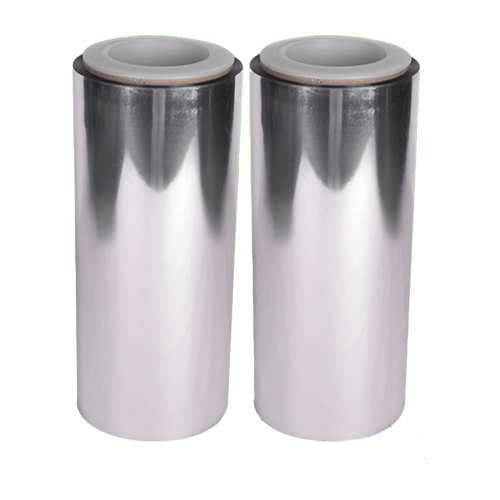
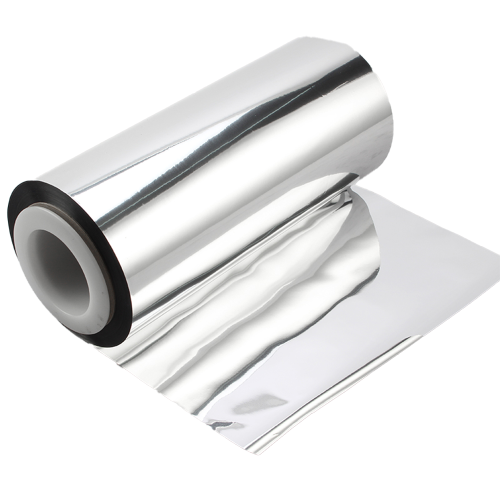
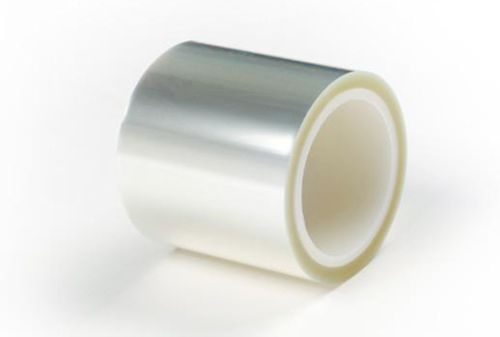
A metallic wraparound label on a tapered bottle has to follow two different circumferences and still present an even, readable face. For a decorative bottle or jar, a converter can evaluate metallized PVC film with the actual cut outline, graphics and adhesive. Start with the container geometry and the appearance the brand intends to show at shelf level. A flat swatch can establish the finish, while a labeled container reveals whether the chosen construction can deliver it.
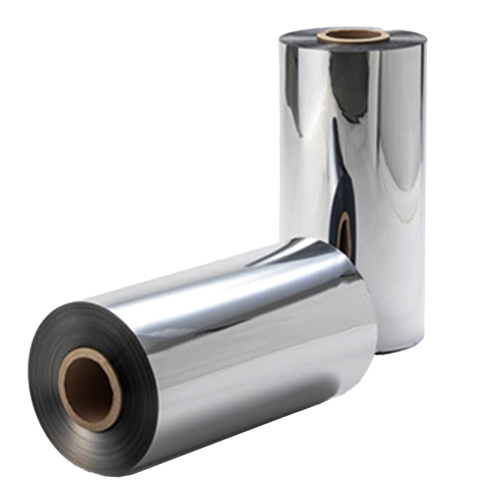
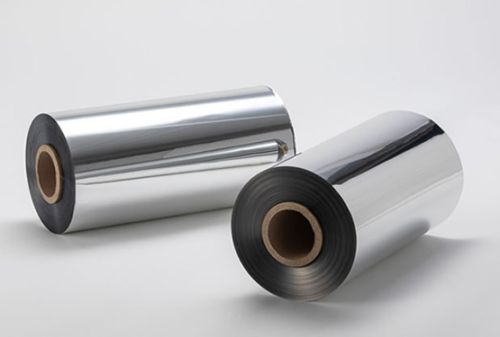
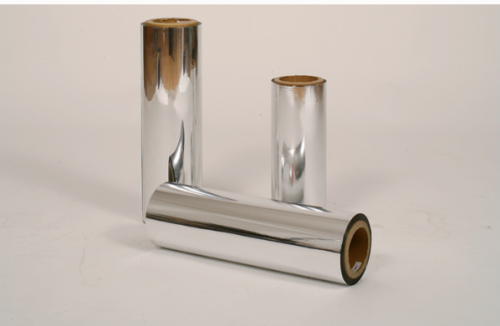
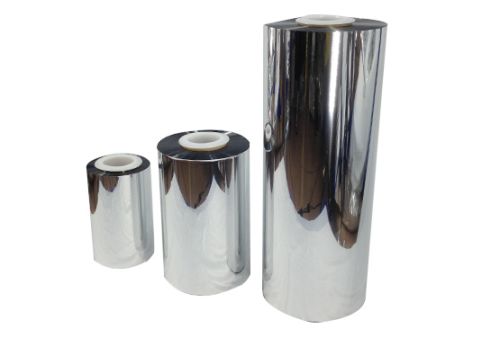
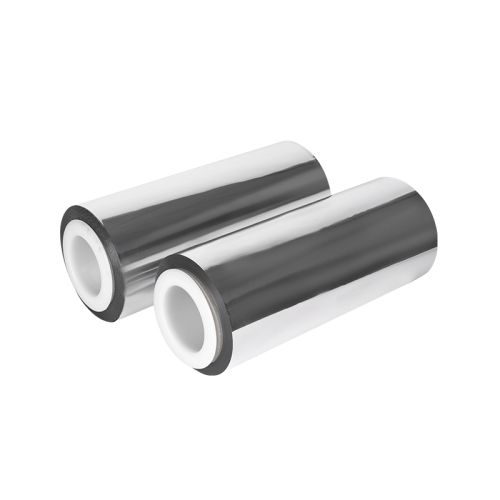
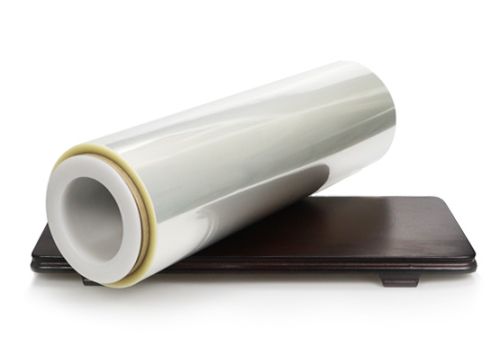
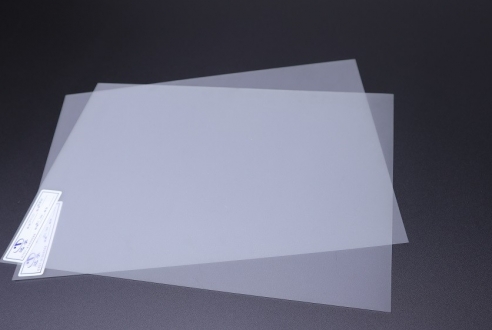
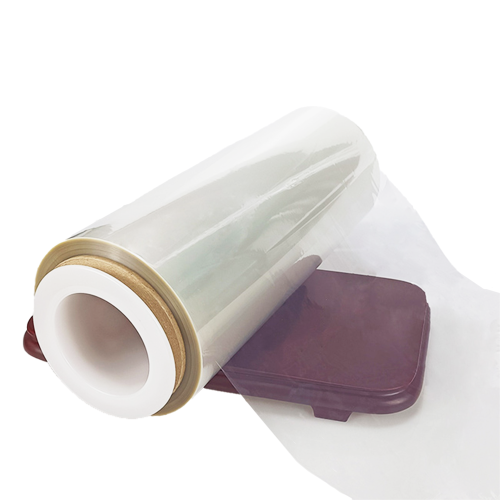
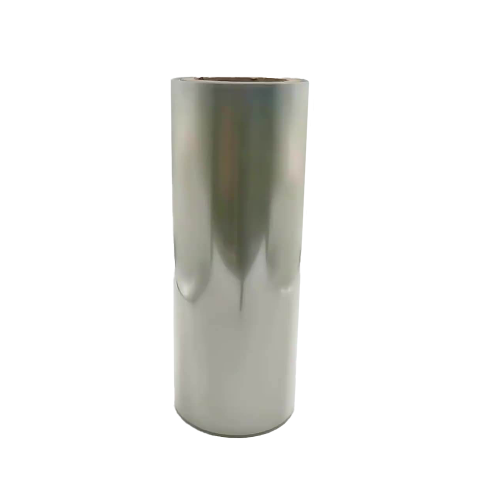
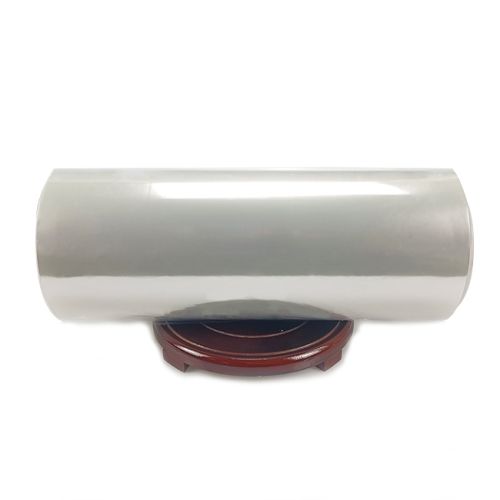
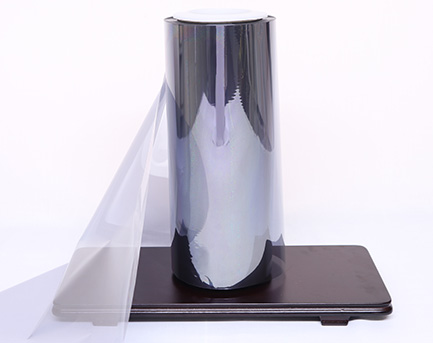
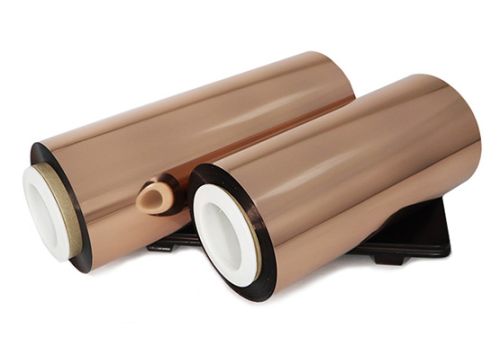
Cailong's film portfolio describes vacuum metallized PVC as an aluminum-coated PVC film used for metallic labels and decorative materials. Confirm the face that will be visible, the offered gauge and the surface that will receive print or adhesive. The supplier's material description provides a starting point for a converting trial. The assembled label includes the adhesive, ink if used and the container wall, all of which can affect the appearance on a taper.
Measure the part where the label will sit
Identify the upper and lower edges of the intended label area. Measure the container at both positions and note any shoulder or transition that falls within the label. Inspect several containers from the expected dimensional range. A label located on the constant part of a tapered wall may behave differently from one that crosses into a nearby curved shoulder. Include the production container drawing in the sample request.
Mark the location of the overlap or gap between the ends of the label. Describe how much the exposed seam may vary. If the label is applied by an operator, record the feature used to align it. If a machine applies it, use the production reference position and label orientation. A small shift around the container can move a bright crease into the most visible part of the design.
Compare cut shapes on the same container
For a bottle that narrows steadily, ask the converter to compare a tapered label outline with the original rectangular blank. If the label crosses a rounded shoulder, trial a shorter label that stays on the wall as well as the full-height design. Keep film, printing and adhesive constant initially. Apply each version to comparable containers using the production method and note where the first ridge, lift or change in seam alignment appears.
If the tapered shape improves contact along one edge but makes the seam harder to align, retain both observations. The buyer may need a cut shape that balances appearance with practical application. Record the labeled dimensions and the variability between samples. Avoid choosing a single best-looking piece without showing whether the same position can be achieved on repeated applications.
Review the metallic effect under useful light
Rotate the container under the intended retail or display lighting. Observe whether the mark moves with the reflected bright band or remains visible as a fixed ridge. Photograph representative positions with consistent exposure. A metallic surface can make a small change in angle stand out more than it does on plain film. Include a flat piece cut from the same web to check whether a line was already present before application.
If the label carries color or printed text, inspect the printed and unprinted areas separately. A dark design may make a shallow shape difficult to see while an exposed metallic field makes it obvious. Record the print revision and the position of the mark relative to the artwork. A pattern that follows the edge of the printing may need a different investigation from a wrinkle that follows the taper.
Check contact after the normal waiting interval
Review each candidate after the adhesive has reached the condition specified for inspection. Look for a lifted seam, interrupted contact or movement near the narrow end. Note the storage orientation and the surfaces that contacted the label while it was waiting. A seam that sits down when first pressed may begin to lift after the container is handled or placed in a tray. Keep the intended packing layout with the observed results.
Where the project includes handling or cleaning, use the relevant approved conditions. Inspect the same locations before and after exposure. If lifting begins in one location, compare it with a sample from a less curved part of the same container. Keep the adhesive and surface preparation history identified. A local change in contact can be related to the geometry even when the material in both samples is identical.
Decide whether the next change is in the film or the design
Compare approved film gauges in the same cut shape if the geometry alone leaves an unacceptable ridge. Note which surface faces outward and use the same label placement. A thinner web might make one area easier to lay down while changing the appearance and handling of the overall piece. Assess that change in the installed label before putting a nominal gauge on the purchase order.
If a new adhesive or surface treatment is trialed, preserve a reference made with the original construction. Document any process change needed to produce the candidate. Test the features that actually determine acceptance, including print adhesion or bond where relevant. The final result should describe the combination the converter will supply and the container on which it was qualified.
Give purchasing a retained label and drawing
Send the supplier the film gauge, roll width and finish required for the project. Include the cut outline, taper drawing and intended adhesive construction for the converter. State whether the quote is for raw film or finished labels. Preserve the approved container, applied label and unmounted cut piece. Record how each was prepared so a future order can reproduce the same shape and appearance.
When the container supplier changes the taper or the artwork moves the seam, use the retained label to identify which application checks must be repeated. The material reference can remain useful while the converter verifies the new assembly on its own geometry.