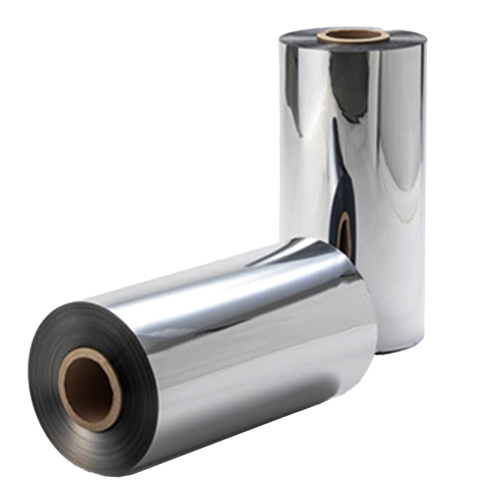
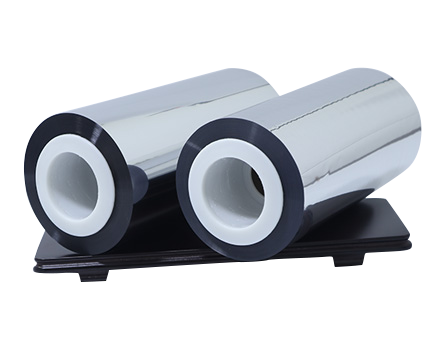
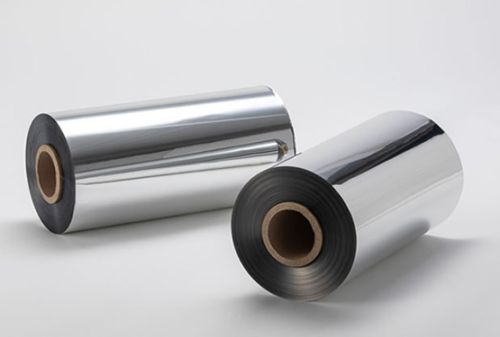
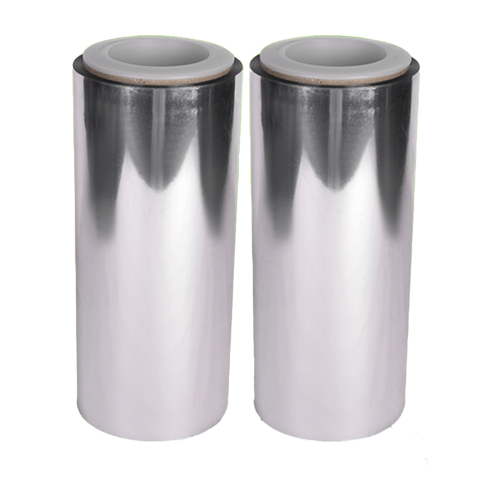
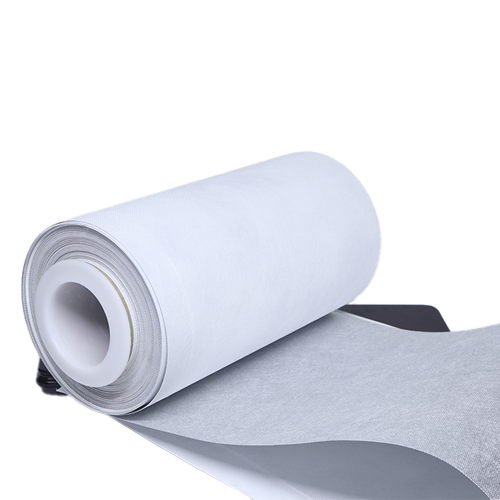
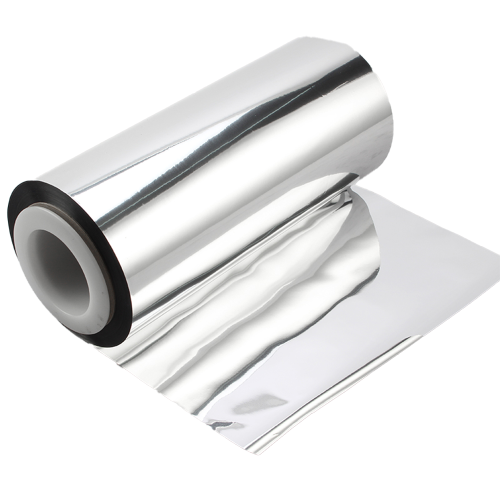
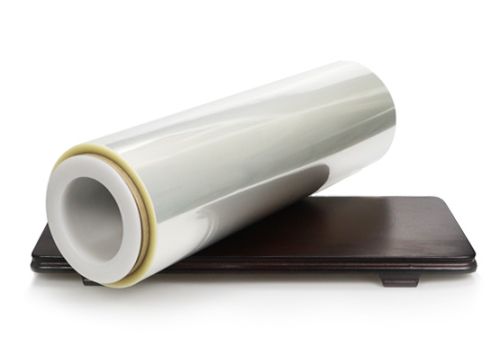
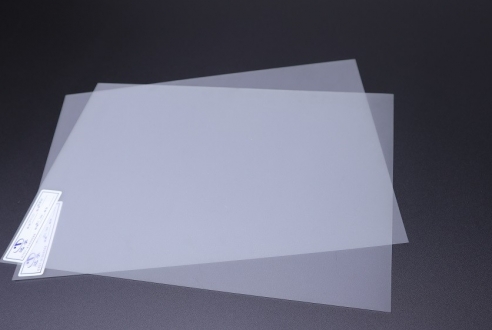
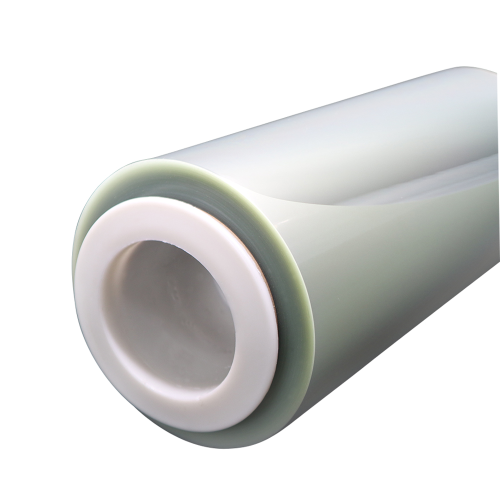
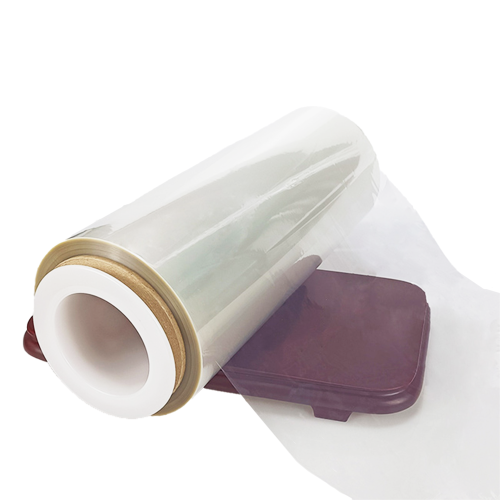
A pouch can show its contents through a front window while using an opaque rear panel for graphics and light control. A flat sample of the rear film may appear completely dark, yet the converted pack can show bright points where the back joins the front or where a seam crosses a folded region. Buyers considering black metallized PET should specify how much of the finished pouch is meant to block light and identify the intentional window before testing. The back material can contribute to that design only within the area that it actually covers.
Cailong's film portfolio describes black metallized PET as an option for light shielding and packaging. Use the actual grade, film orientation and laminate drawing when setting up the comparison. A black appearance in reflected light does not provide the same information as a transmission measurement. The metallized web can be screened in flat form and then checked after printing, lamination and pouch making to see what changes in the intended construction.
Put the light requirement on the package drawing
Mark the areas that must remain dark and the areas designed to transmit light. Include the edges of the front window, the transition to the back web and the regions covered by seams. If the dark back is primarily an appearance feature, define the visible defects that are unacceptable. If light exposure is a product protection concern, have the package team establish the relevant wavelengths and exposure limits before selecting an evaluation method.
Record whether a visible opening at the seam would expose the product directly or only appear bright from certain views. An inspection with the entire pack backlit can reveal defects, but the arrangement may illuminate parts of the pouch that receive little exposure in ordinary use. Keep the inspection geometry and the use condition separate in the records. A buyer can then decide how an observed bright region relates to the intended application.
Compare incoming film and converted material
Retain a flat strip from the incoming roll and a strip of the production laminate from the same roll. Identify the coated side, partner webs and the location across the width. Use the same viewing arrangement for both and map any isolated bright points. If the chosen inspection method includes measurements, record the illuminated area and the instrument settings. A larger test area can include more variation and should be compared with another area selected in the same way.
Look for changes that follow a print boundary, roll contact or a converting lane. An evenly dark incoming strip can develop a narrow line after one production operation. Preserve samples from the last unaffected stage and the first stage where the line is seen. The inspection evidence is more useful when the supplier can match the line to an identified film face and a known place in the converting sequence.
Isolate the seams from the intentional window
Use an opaque mask around the window in a trial fixture where that can be done without disturbing the seam. Compare the same pouch with and without the window masked. Light entering through a clear front area can scatter inside and make an edge look like a direct transmission path. If the bright line stays in the same location after the window is masked, inspect the corresponding layers from both faces.
Review the transition where the dark film ends and the next web starts. Mark the overlap and check that it falls within the planned position on several consecutive packs. If the defect is visible only near one corner, compare the cut and seal geometry there with a corner that appears dark. The difference may follow registration or the way a fold sits. Keep a marked sample before taking it apart to inspect the layers.
Evaluate the filled construction
Use the intended fill and pouch shape so the pack adopts its normal geometry. A flat, empty bag can hold its panels together, while a filled pouch can pull them apart and alter the visible edge. Inspect from the relevant directions and repeat the check after the approved handling exposure if distribution is part of the trial. Record any newly visible features alongside the fold or seam positions.
Where the package has defined seal or barrier requirements, check them through the buyer's established procedures. An optical inspection can locate a region for investigation but cannot determine a gas transmission value or establish seal integrity. Keep the optical map and package test results linked by sample number so an unusual reading can be investigated in the correct region.
Write the inspection scope into the order
Give the supplier the gauge, usable width, required faces and intended layer arrangement. Send the dark-area drawing and explain whether approval depends on an appearance check or measured light transmission. If a particular condition governs the decision, include it with the acceptance criteria. A request for black metallized film alone does not identify the lighting, assembly or conversion stage that matters.
Retain the incoming film reference, converted strip and approved pouch together. When a window size, seam layout or partner web changes, repeat the affected parts of the light inspection before transferring the result. That gives purchasing a way to distinguish a different film lot from a change to the finished pack.
If the pack has printed blocks on both panels, inspect examples with the normal production artwork. A dark block may conceal a small feature in one design and leave it visible in another. Keep the approved design revision attached to the inspection record so a new graphic can be assessed against the same package requirements.
Where one design uses a zipper, inspect the ends of the zipper alongside the ordinary seams. The transition may introduce a gap or a layer arrangement absent from a simple flat bag. Mark the location in the package drawing used for the trial.