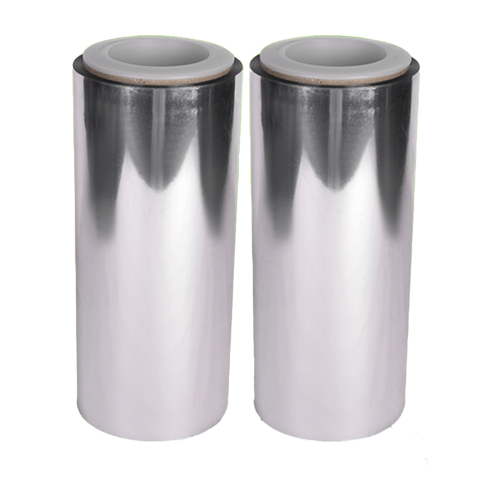
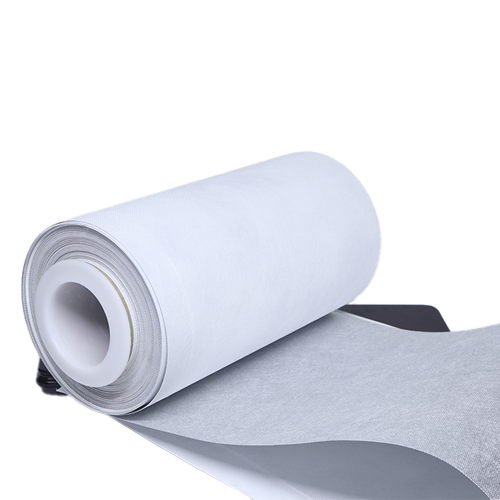
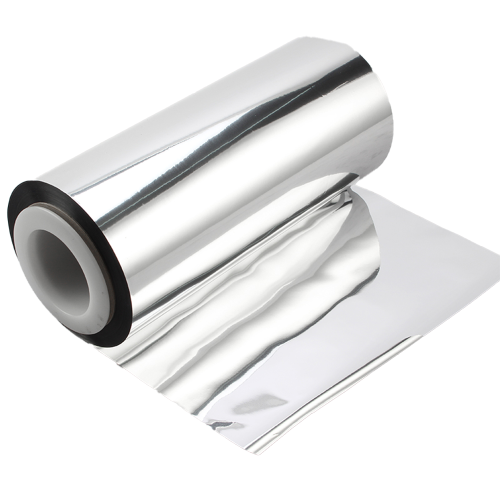
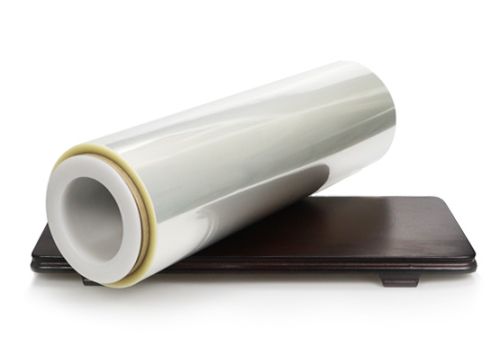
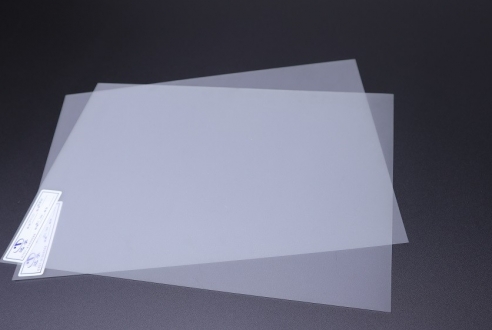
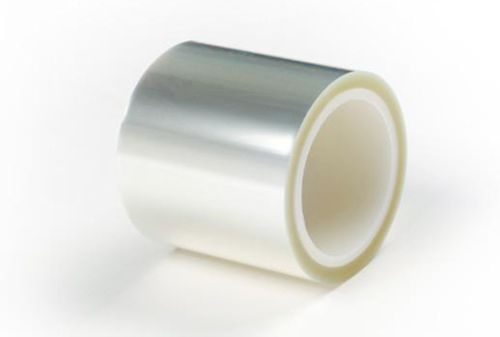
A service label may pass every scan on a flat proof and still slow down a technician after installation. On a machine housing, the reader may approach from an angle and a lamp can throw a bright reflection across a small code. If a glossy label produces that problem, matte PET film gives the converter another surface to trial. The decision depends on the readability of the finished label at the actual mounting location, with the intended printer and reader.
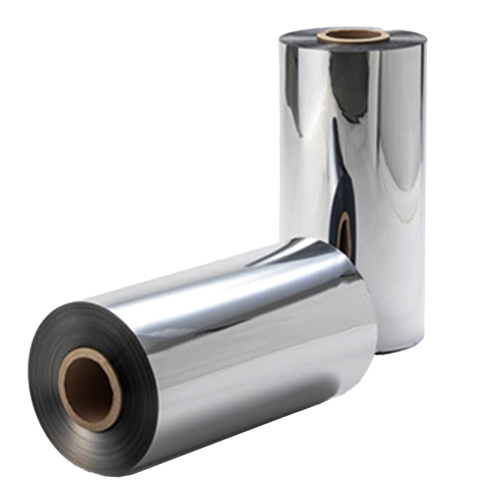
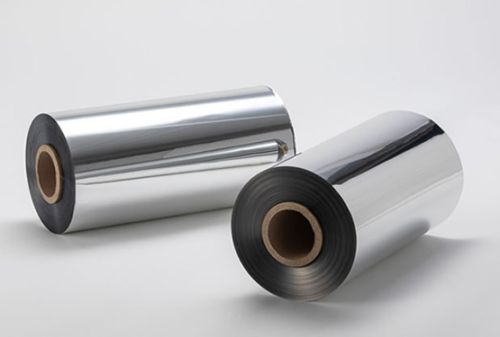
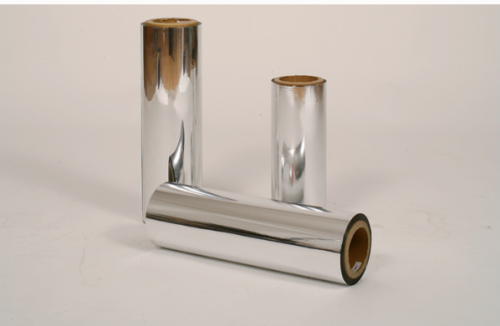
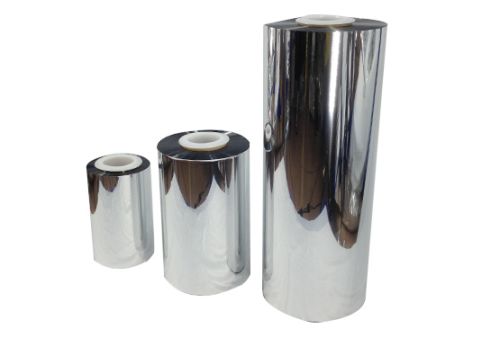
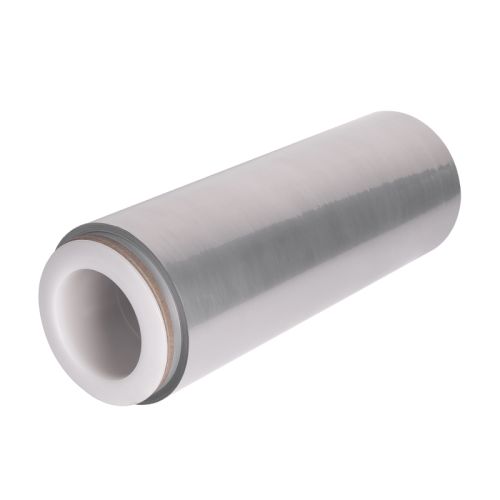
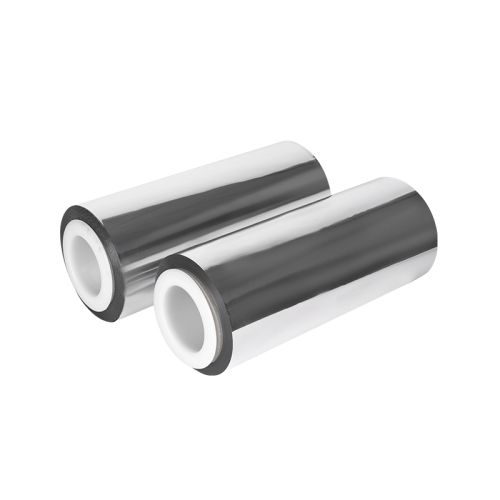
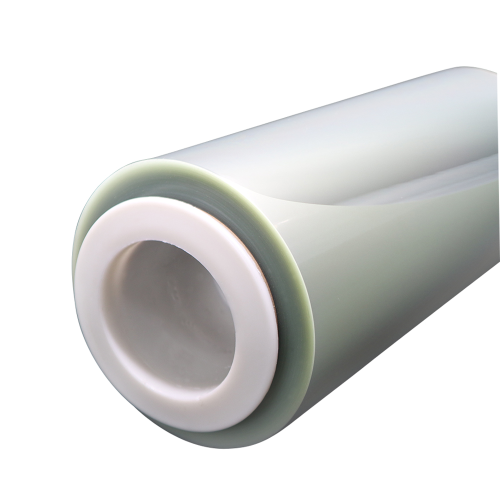
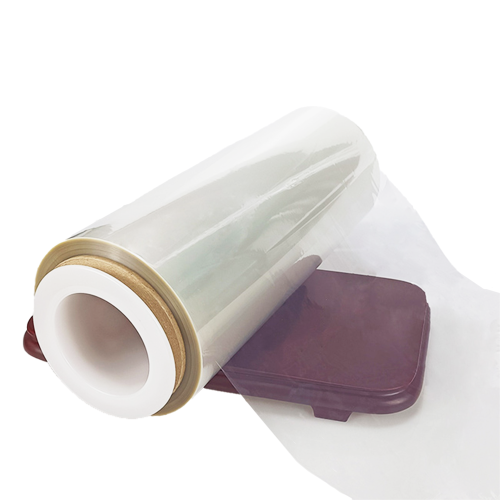
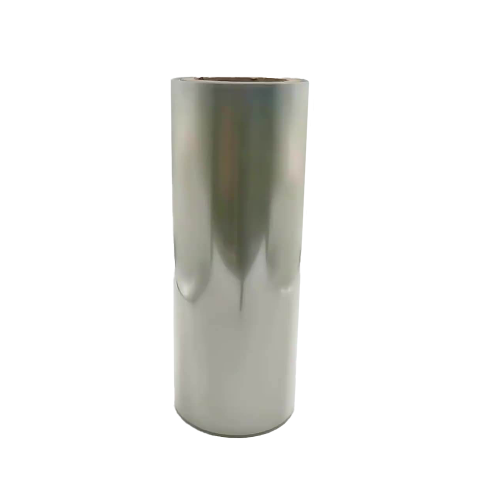
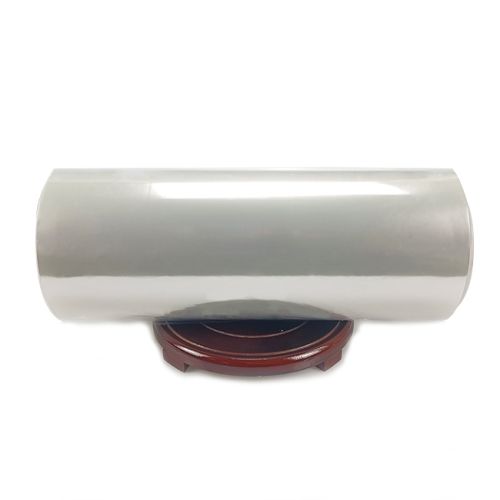
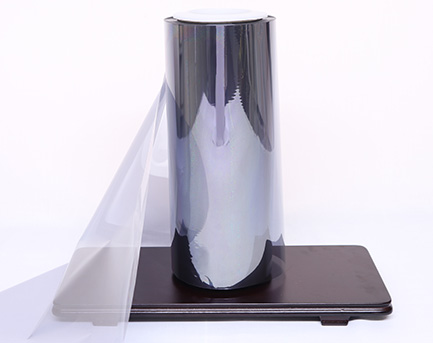
Cailong's film portfolio lists polyester matte film for printing and labels, with a matte finish available on one or both sides. The order should identify which side receives print and which face contacts adhesive or the supporting web. The matte appearance is a material feature, while the contrast and scan result depend on the whole construction. A matte film can change the background appearance as well as the reflection the buyer originally wanted to reduce.
Identify the reader's actual line of sight
Ask the maintenance team to show where a person stands and how the reader approaches the label. Note any recess, guard or nearby hardware that limits the approach. Include the likely illumination when a scan takes place. A label mounted low inside a cabinet may be read with a portable light, while a label near a control panel may sit directly beneath an overhead source. Document those conditions before choosing a visual reference.
Mount the incumbent and the matte trial labels on the same substrate. Keep the label position and orientation consistent. If the surface is curved, use the representative curvature and confirm that the code stays within the part of the label that follows it cleanly. Include the intended mounting adhesive in the trial. A proof that remains perfectly flat under a weight cannot show whether the label edge will lift and change the angle presented to the reader.
Print the production code and nearby information
Ask the converter to reproduce the actual symbol size, quiet area and text arrangement. Small neighboring graphics may interfere with a code if the print shifts or the clear area is narrower on production pieces. Include the darkest and lightest design versions if the same label stock will serve more than one equipment model. Preserve the corresponding artwork revision with the sample so a later artwork change can be checked independently of film variation.
Use the intended ink, ribbon or print process for the first qualification. Test its compatibility with the selected face and record which surface the converter used. Let the printed samples reach the agreed condition before handling. If the code lacks contrast at all viewing angles, review the artwork and print laydown before assuming a different surface finish will solve it. A backing color can also affect the appearance of a film with some light transmission, so check the same backing planned for production.
Separate visual inspection from reader performance
Examine the code by eye under the selected lights and record the angle at which a bright band appears. Then run the practical scan with the intended reader, working distance and direction. Record successful and unsuccessful attempts alongside the exact lighting arrangement. If the buyer uses a formal code quality procedure, keep that result separately from the practical equipment check. The two measurements answer different questions about symbol quality and field access.
Compare a flat reference from the same print run with the mounted piece. If the mounted trial fails but the flat sample reads consistently, inspect the label's contact with the surface and the available reader approach. If both versions are affected at the same positions in the code, examine the printed edges or background. Retain the failed sample with its print location so the converter can distinguish a periodic printing fault from an installation problem.
Include the way the installed label is cleaned
If the service team wipes the area before scanning, use the procedure and materials approved for the equipment. Inspect the print and background after the intended handling exposure. A change confined to a small part of the code can matter more than a larger mark elsewhere on the label. Record where the mark occurred and whether the reader result changed. Keep a stored sample from the same production strip as the reference for any later investigation.
Where the original label uses a protective overlay, include the overlay in the production comparison. Its outer face may govern reflection even if the substrate underneath is matte. Test the same candidate with the intended layer arrangement and inspect the perimeter for raised areas that change the reader's angle. If the finished construction differs between labels in one equipment family, document which construction was used for each result.
Put the mounted reference into the purchase specification
Request the film gauge, roll width, matte face arrangement and relevant printing surface. Supply the converter with the exact code artwork and mounting conditions used for approval. Include the expected reader and the permitted approach area, especially where servicing takes place through a narrow opening. Give the supplier a retained visual sample if the decision depends on how the finish appears under a particular lamp.
When several service labels share a common roll, include a production sample from each intended print location. The equipment team may use one reader for the entire machine while individual labels face different lights or sit behind different guards. Record the mounting position with each accepted scan result.
Tie the accepted scan results to the mounted reference, printed lot and film identification. If a future order changes the ink, protective overlay or backing, rerun the checks that relate to that change before applying the results to the new construction. The approved material specification should help the next buyer reproduce the label that actually reads in service.