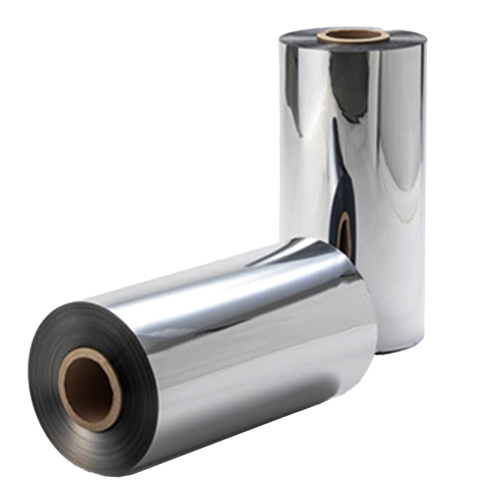
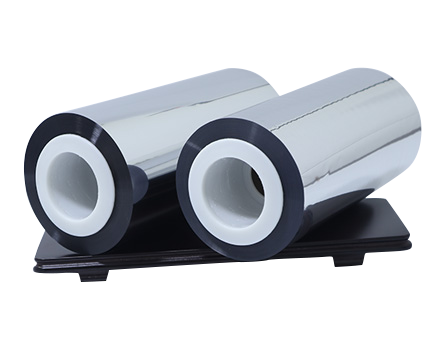
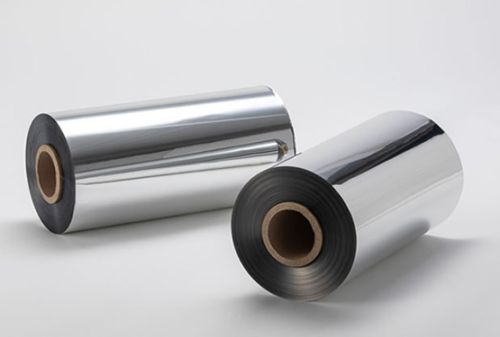
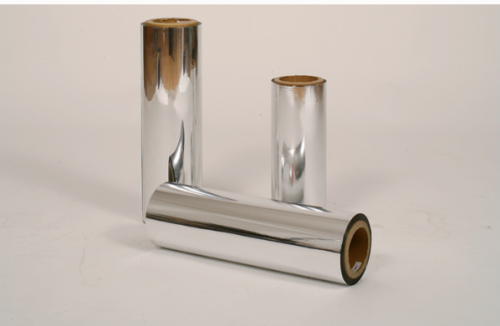
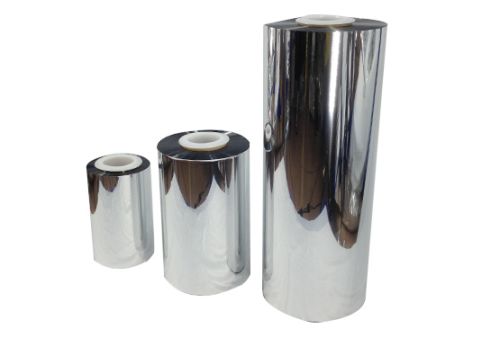
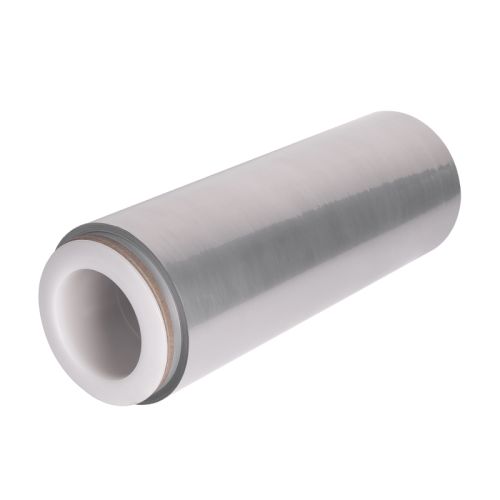
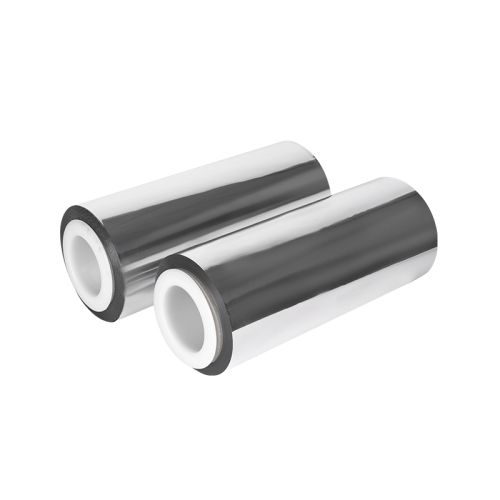
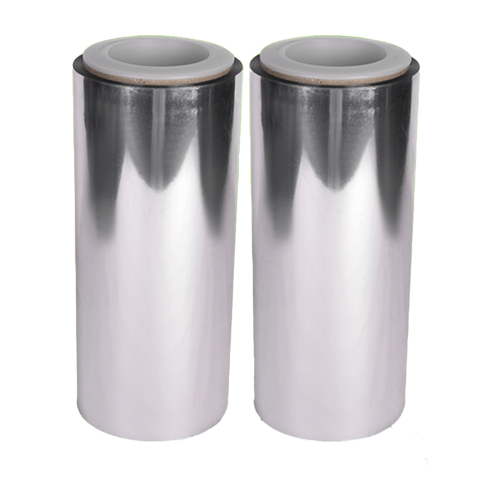
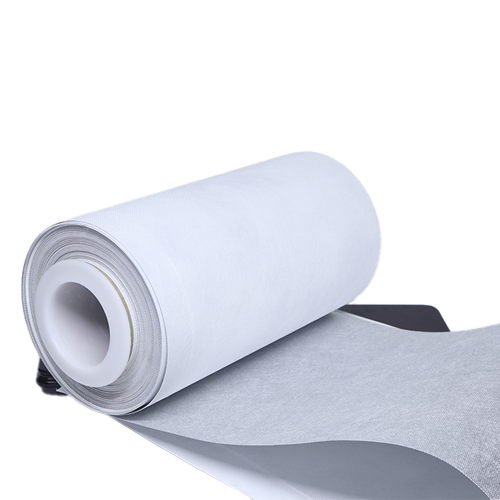
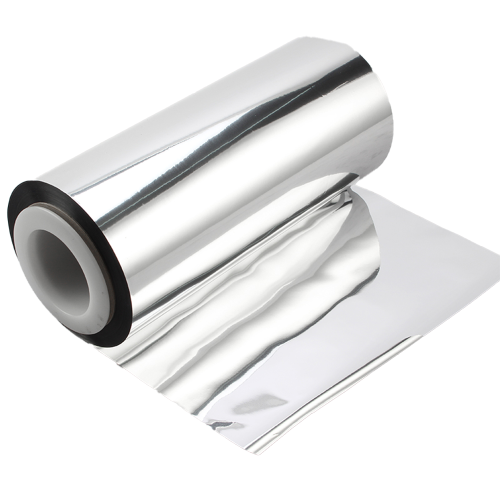
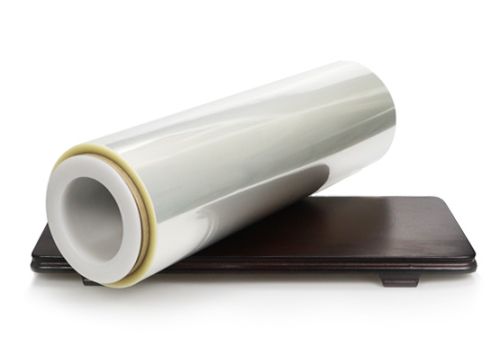
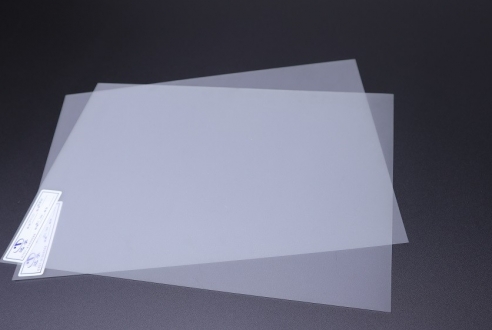
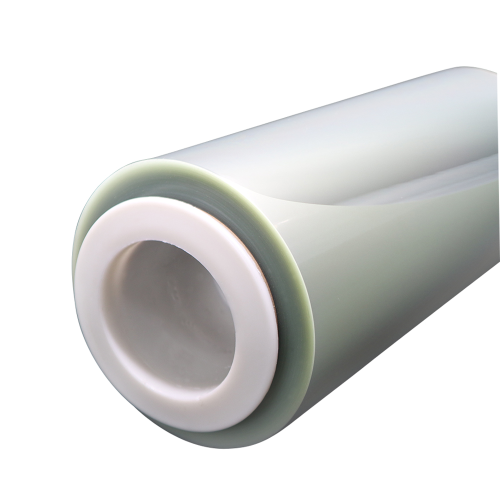
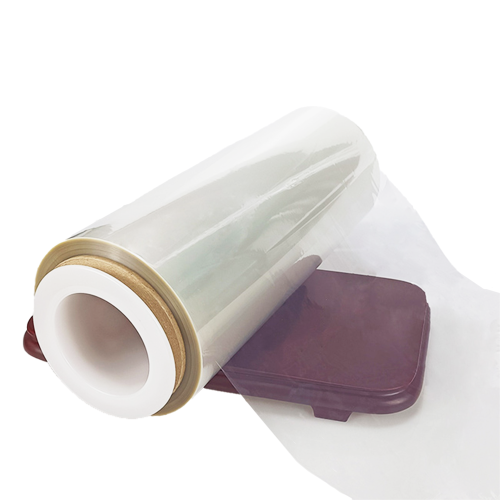
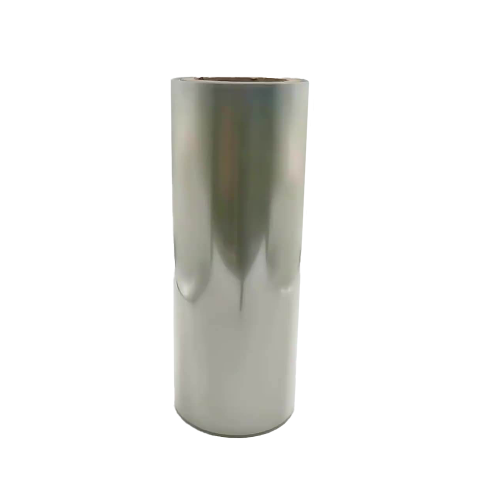
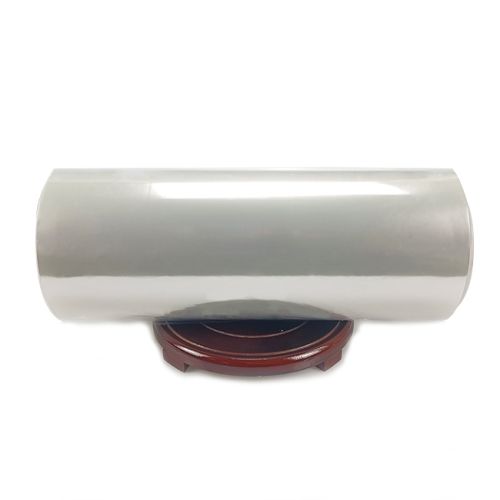
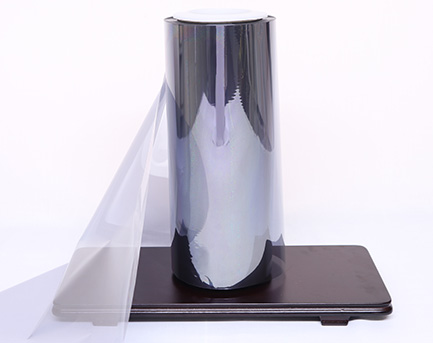
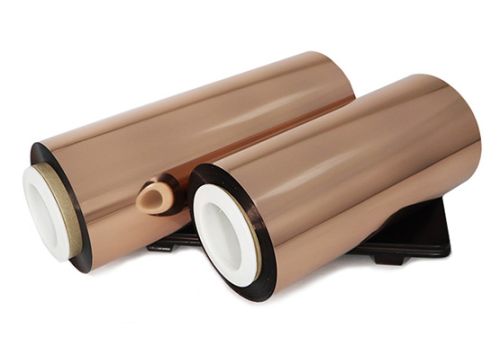
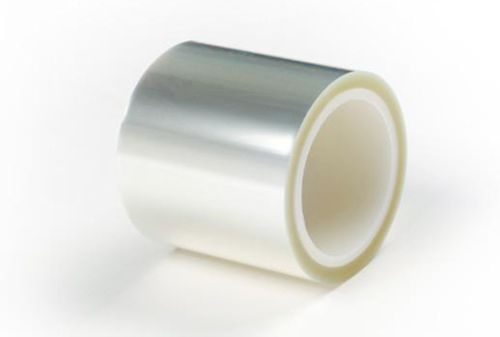
A flow wrapper that uses a lap seal brings two different faces of the laminate together along the back of the pack. high barrier metallized PET film can supply a barrier layer in that laminate, but the buyer must specify the actual surfaces that meet. A material suitable for a fin-sealed pack may need a different outer-face construction when the design changes to a lap seal.
Cailong's film portfolio lists an ultra-high-barrier metallized PET family for oxygen, moisture and light protection. Its brochure provides a 12 µm reference table with distinct grades. Use that information to shortlist the barrier web, then work with the converter to define the sealing layer and any outer coating required by the package format.
Draw the two faces at the seam
Make a cross-section through the proposed lap seal and mark the product-contact face and outer face. Show the print, adhesive, metallized PET and sealant in the correct order. Ask which surfaces touch in the overlap. This drawing is the starting point for selecting a construction that can make the intended seam on the wrapper.
Compare it with the existing fin seal if the project is a format change. A fin seal commonly joins the inner faces of the web, while a lap arrangement can bring an inner face against an outer face. Confirm the actual design with the equipment and converting teams. The purchase brief should identify the interface and the function assigned to each layer.
Define the practical goal of the change
The project may aim to change the seam profile, package appearance or use of web width. State the objective and retain the existing pack as a reference. A change of seam can affect the usable artwork area and the way the package is held. Include the product and finished dimensions when comparing candidates.
If reducing material use is part of the project, measure the proposed construction after its technical requirements are established. Compare actual web dimensions and complete laminate gauge. A narrower overlap concept does not establish a cost reduction by itself. Processing, waste and the material needed on the outer face can influence the final commercial comparison.
Select the barrier web by its own requirement
Obtain the offered grade, gauge and transmission data with method, units and conditions. The brochure separates grade references. Use the correct entry when requesting a sample. If temperature or humidity is absent, ask the supplier to confirm it before comparing quoted values. Keep the 12 µm reference gauge attached to any result taken from that table.
The metallic layer can support a design that needs light protection. Evaluate that requirement using the actual laminate and pack where relevant. Print coverage, folds and local damage may affect the finished result. Keep barrier selection connected to the contents and storage conditions required by the product team.
Qualify the outer sealing surface
Ask the converter to identify how the outer face will receive the required sealing behavior. Where a coating is proposed, confirm its identity, application and compatibility with the print and laminate. A bare PET surface or a decorative ink layer needs evaluation for the job it is being asked to perform.
Use the intended inks, coating and cure arrangement in the trial. A clean unprinted strip can help screen a material pair, while the package may bring a printed region into the overlap. Show the seam location on the artwork and inspect the actual production surface. Include any protective varnish that forms part of the contact.
Establish the seam trial with the wrapper team
Run the selected construction under approved equipment conditions. Record temperature, contact and dwell or speed information relevant to the method. Keep material identity and seam geometry fixed during a controlled comparison. A laboratory seal reference applies to its own specimen and conditions and should be carried into the trial with that scope visible.
Inspect overlap position and width along representative packs. A seam made from compatible materials can still have an integrity issue if alignment varies. Preserve samples from relevant points in the run. Mark the machine direction and retain the outer surface and opened seam for examination.
Test integrity and mechanical behavior
Choose integrity and seam tests with the packaging laboratory. Record the failure plane and specimen geometry with any force result. The seam may separate at the intended interface or at a different layer in the laminate. A force value without the failure description leaves the converter unable to identify which part of the stack needs review.
Include the filled package and intended handling. The seam can be exposed to product movement, stacking or contact with adjacent packs. Examine the pack at the agreed condition after processing and distribution trials. A flat material reference supports a shortlist, while the lap seam needs evidence from the package route.
Check artwork and the converted stack
Review whether the artwork leaves the required contact area and remains legible in the finished pack. Retain the design revision with the sample. Inspect the relevant area after the full conversion process. A decorative change can alter the surface brought into the overlap, so keep that construction visible in the trial record.
Compare the existing acceptable pack with the candidate where possible. Review barrier, integrity, appearance and machine behavior against the same requirements. If the candidate uses a new coating or sealant, identify that change in the result. The comparison then supports a purchase of the actual laminate that was tested.
Request the complete sample construction
Give the supplier the barrier target, roll dimensions, lap geometry and layer drawing. Ask the converter for a sample with the selected outer face and product-contact layer. Retain an approved seam and its process record. A repeat order should identify the film grade and complete laminate revision.
High barrier metallized PET is a candidate when the package needs its protective role and the converter can provide the compatible sealing construction. Approval for a lap-sealed format should show which two surfaces join, how the seam is formed and how the pack performs. That record gives purchasing a basis for comparing offers that may describe different laminates.