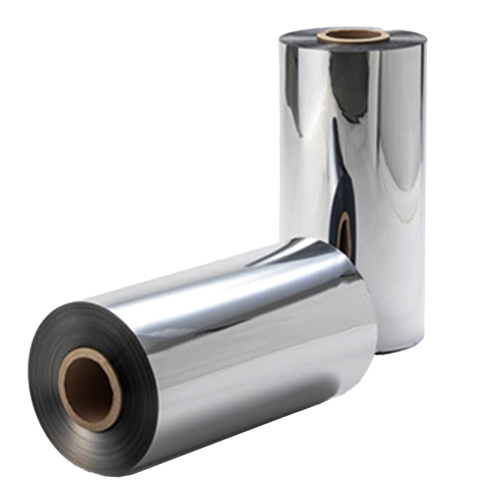
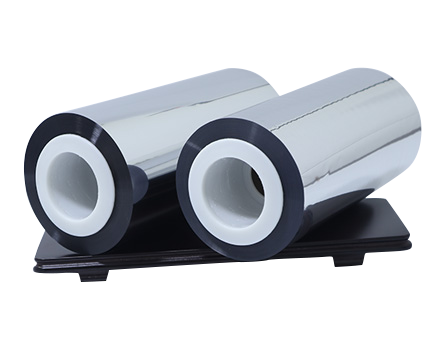
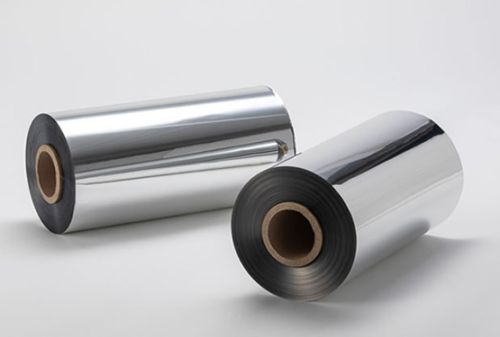
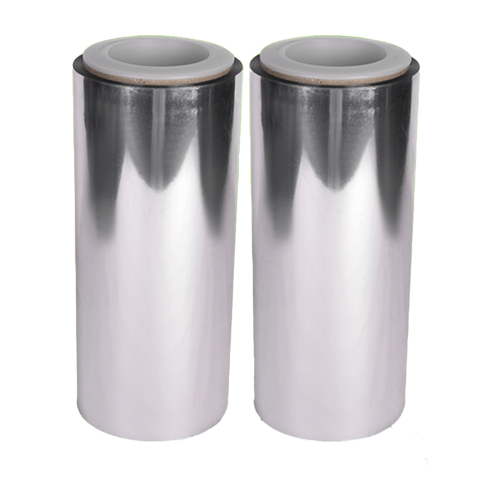
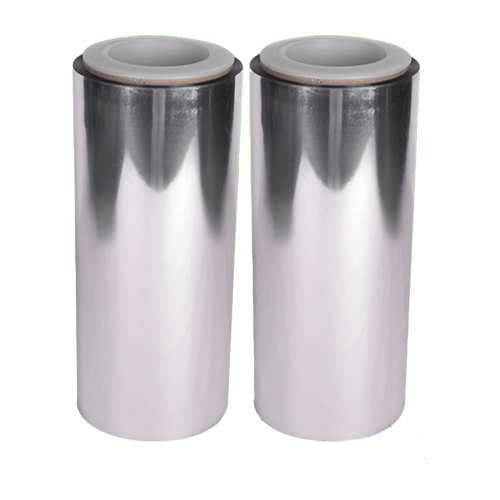
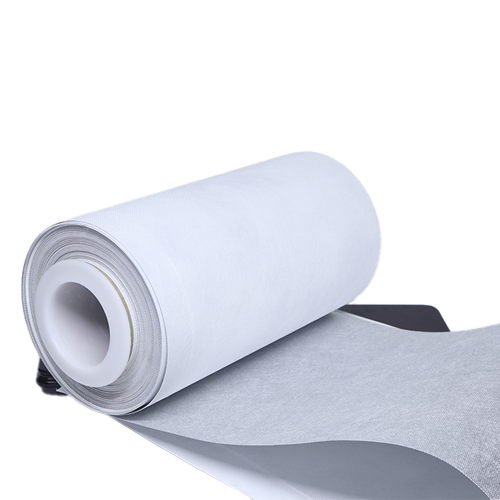
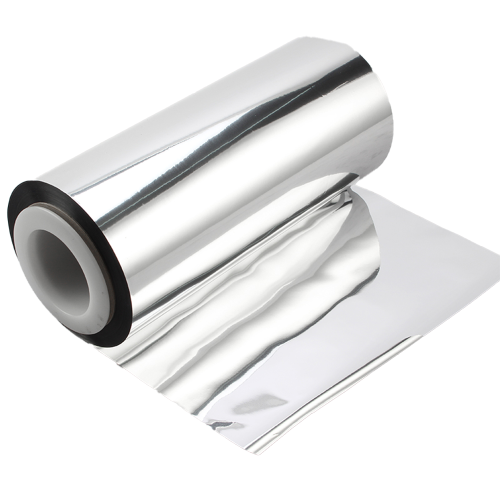
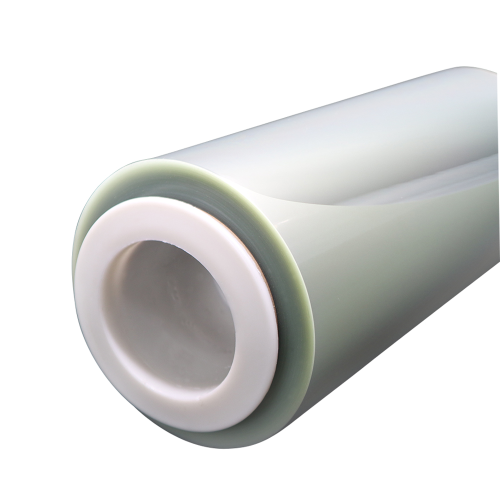
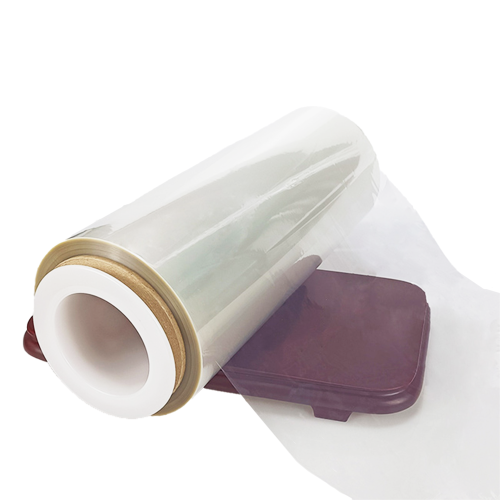
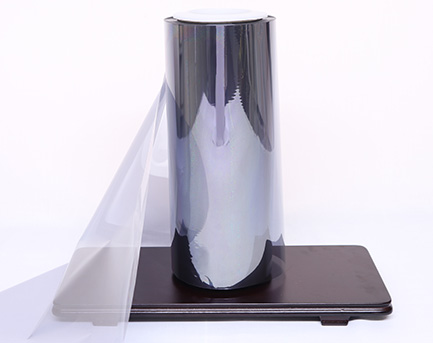
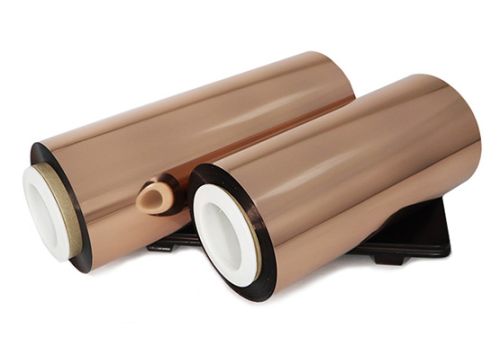
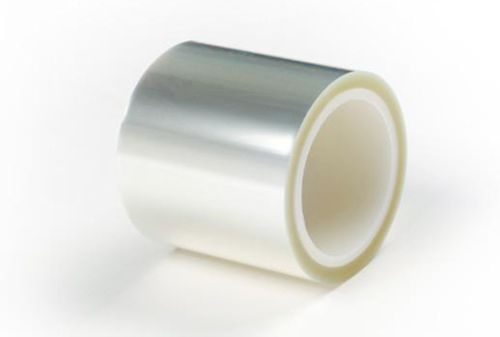
A wrapped sweet can leave the machine looking secure and arrive at packing with one end partly open. twist PET film is made for twist-wrap applications where the ends need to retain a usable shape after wrapping. When an end relaxes, observe when movement begins and how it relates to the wrapper dimensions, product shape and line handling.
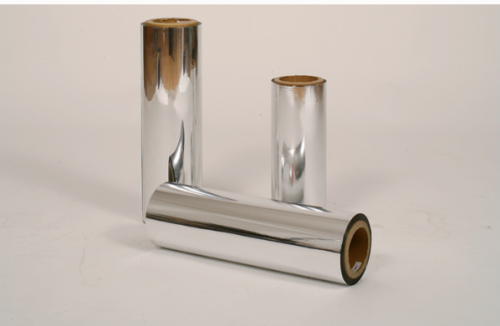
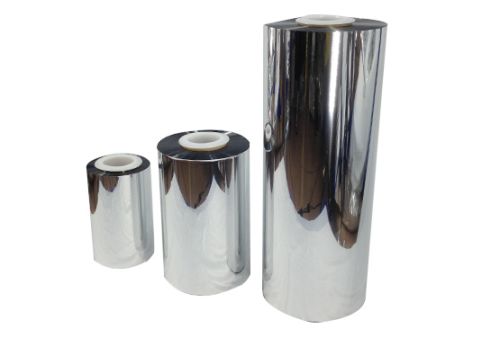
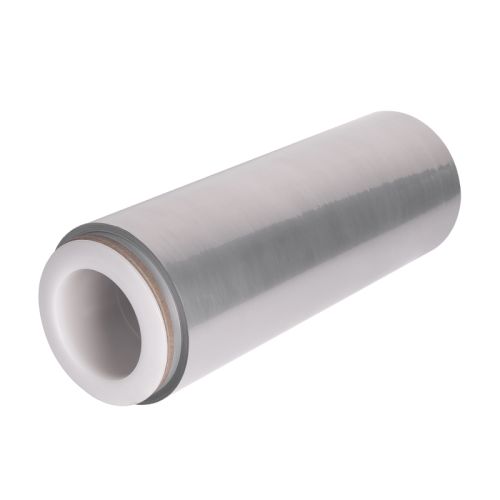
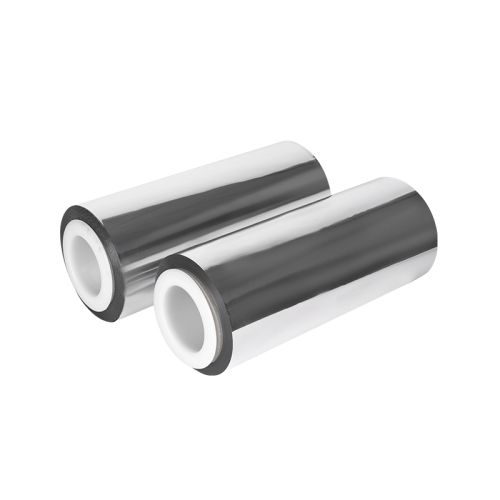
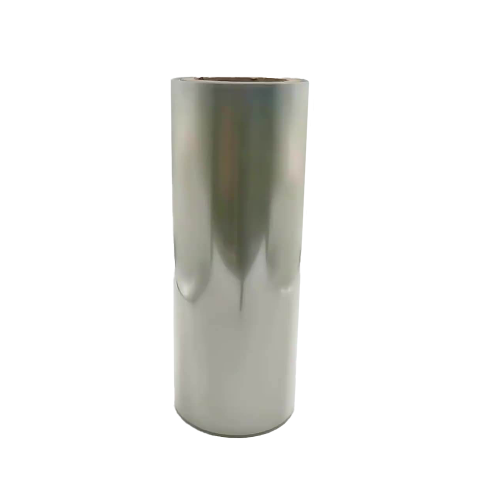
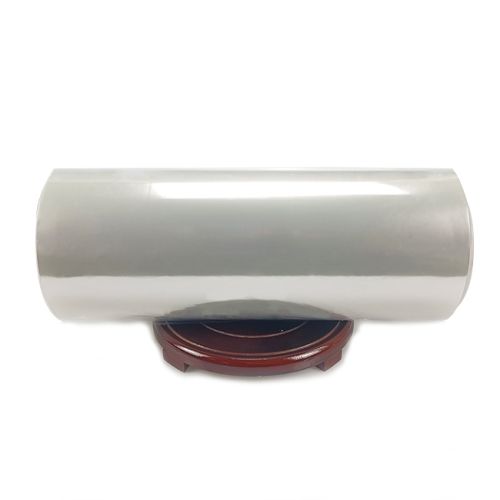
Cailong's film portfolio lists a metallized twist PET film with a 12 µm reference option and confectionery among its applications. Its metallic appearance and twist behavior support a wrapping trial. The supplier specification cannot establish how long a particular end will hold on every confectionery line.
Identify when the tail begins to move
Inspect wraps just after the twisting station, during transfer and after the intended settling interval. Record which end moves and whether the opening progresses over time. A tail that starts to open immediately can be investigated differently from one that changes after touching a guide or being crowded into a container.
Use a consistent camera angle and a simple reference mark on the trial drawing. Preserve sample orientation and note the machine direction of the film. If one end is affected more often, check the relative position of the product and the wrapping head. A record showing both ends is more useful than a single photograph of the worst result.
Check how much material reaches each end
Measure the wrap length, width and product position on representative samples. Confirm the amount of free material on both sides before twisting. A small positional shift can leave one end with less material to gather. The effect can be especially visible when product length or shape varies within a run.
Compare the planned blank dimensions with the cut pieces that actually feed into wrapping. Track whether the difference appears across the roll or follows a particular machine position. If the film is printed, note whether the artwork reference remains aligned with the actual cut. A centered image and a centered product may require separate checks.
Separate twist retention from cutting and feeding
Examine unwrapped film collected at the approved sampling point. Look for damage, uneven cut edges or changes in the way the film approaches the wrapper. Keep one sample from an acceptable run for comparison. Trace differences in unwind and feed through the equipment team's established checks before using the twist result as a film diagnosis.
At the twisting station, review the approved setup with the line team. Record how the ends are gathered and when they are released. Changes to the mechanism or timing should follow equipment guidance. The film listing gives no universal adjustment for a particular candy shape or wrapping machine.
Include the shape and surface of the confectionery
Test the product that the package will actually contain. A rounded sweet and a piece with a pronounced edge can load the film differently. Record dimensions and the range observed in production. A wrapper approved on a uniform sample may behave differently when it must accommodate ordinary variation in shape.
Check the condition of the product surface at wrapping. Where relevant, note whether powder, oil or fragments appear around the ends. Keep product and film changes in separate comparison groups. If a tail opens on a subset of pieces, compare their geometry and condition before attributing the pattern to a roll.
Observe what happens between wrapping and packing
Follow the trial pieces through the intended transfer and collection steps. Pay attention to contact between neighboring wraps and with guides or containers. Photograph the arrangement before moving the samples. A secure wrap can be disturbed by a contact that is absent during a bench test.
Compare samples held in isolation with pieces collected in the normal manner. This can show whether relaxation occurs by itself or mainly after handling. Record the time of each check. Choose the interval to represent the actual line and storage sequence rather than a convenient time unrelated to the customer's operation.
Define an acceptable end by its function
Agree the smallest acceptable retained tail shape and the conditions for judging it. The requirement may include coverage, appearance and ease of opening. An end that holds very tightly could be less convenient for the consumer. Evaluate how the package will be opened as well as how it looks in a display or carton.
A twist closure has its own design limits. If the product also requires moisture, oxygen or contamination control, assess those needs on the complete wrap or secondary pack as applicable. Keep the appearance and retention judgment separate from tests of protective performance. Verify the chosen arrangement under the actual storage and distribution requirements.
Compare film options in the same wrapping trial
Where a buyer is considering a change from another twist wrapper, retain the current film as a control. Use matched product sizes, wrap dimensions and approved conditions where possible. Differences in gauge, orientation or cutting can affect the comparison. Note any variable that cannot be kept the same.
Include samples at startup and after stable running. Capture tail movement at equivalent points on the line. If the film supplier provides different gauge options, compare each in the same defined evaluation sequence. The outcome should explain which film and wrap format reliably meet the intended end condition.
Put the approved wrapper into the purchase brief
Identify the film grade, gauge and face orientation. Include wrap dimensions, the representative product and the accepted appearance after the agreed handling period. Retain a sample showing the acceptable tail and another showing the failure mode. These references give the converter and the packing team a common basis for assessing future lots.
If the issue reappears, check whether it follows a changed product size, wrap position or transfer condition. Keep traceable samples from the affected period. This allows the buyer to review the relevant combination before revising the material specification.
Twist metallized PET is a practical candidate when a confectionery design calls for a metallic wrapper with gathered ends. The decision should follow a line trial that shows how those ends behave from release through final packing.