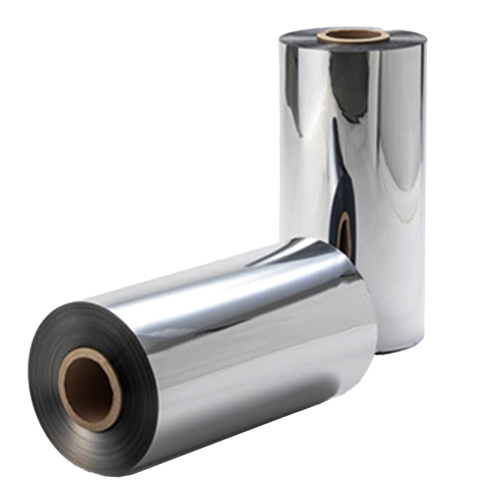
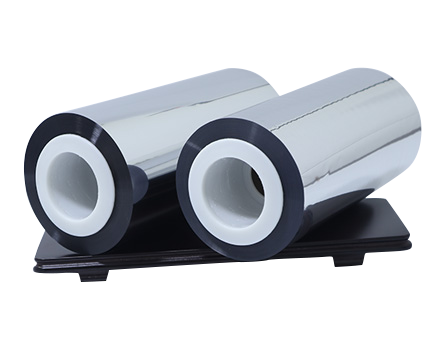
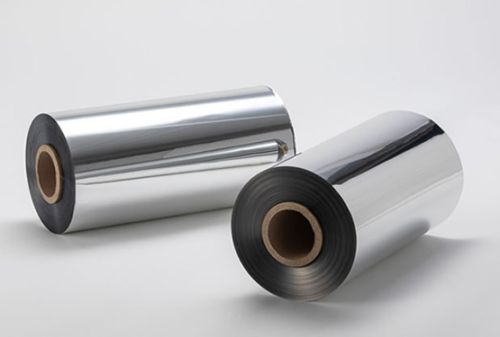
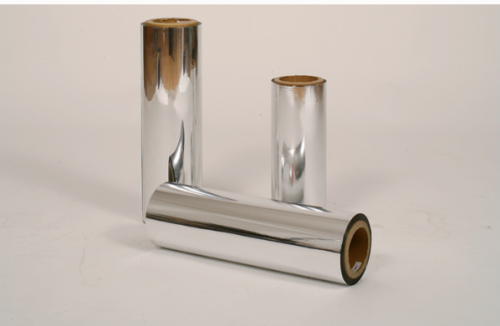
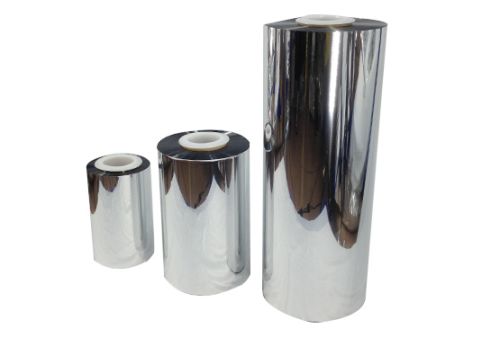
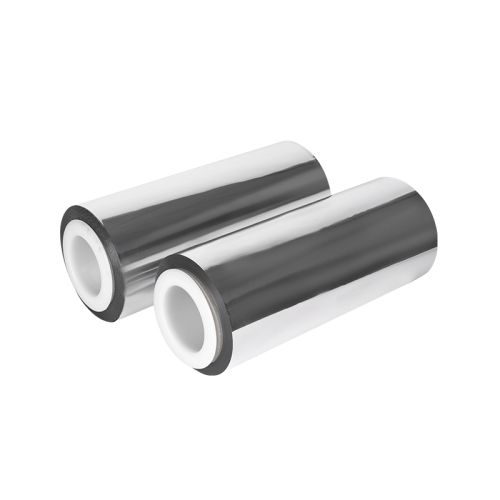
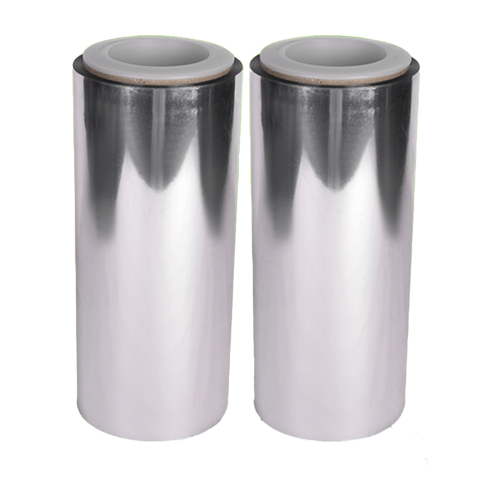
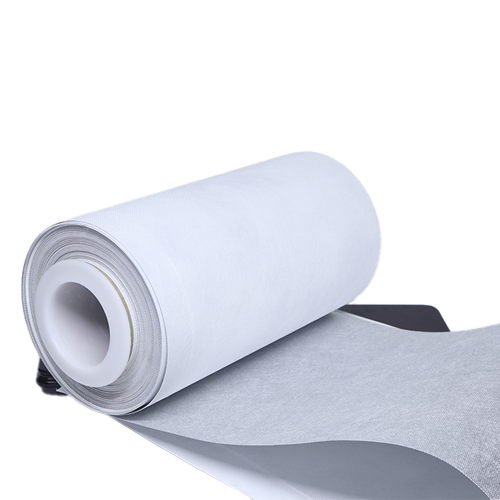
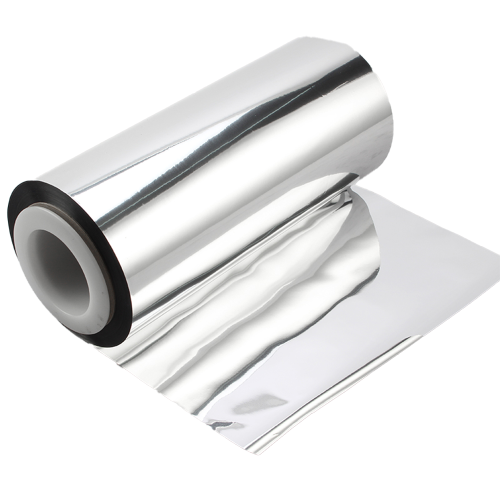
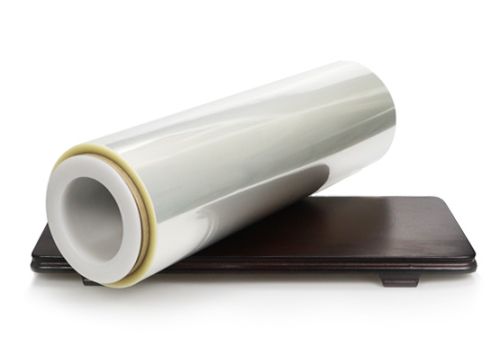
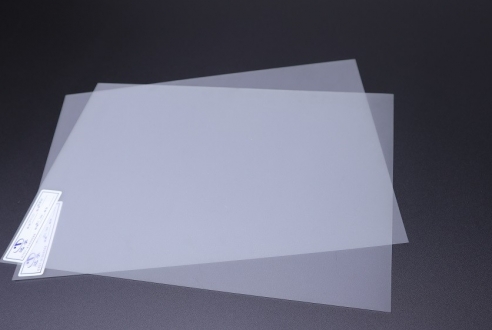
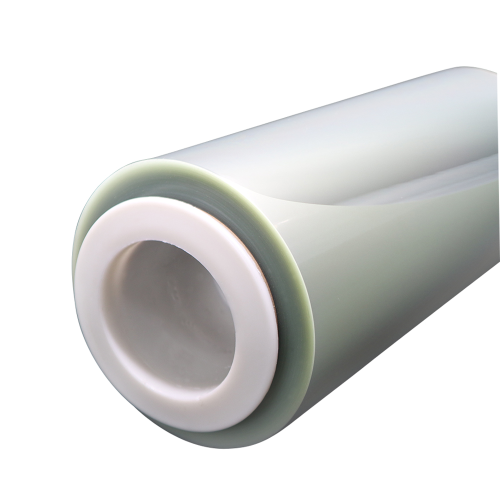
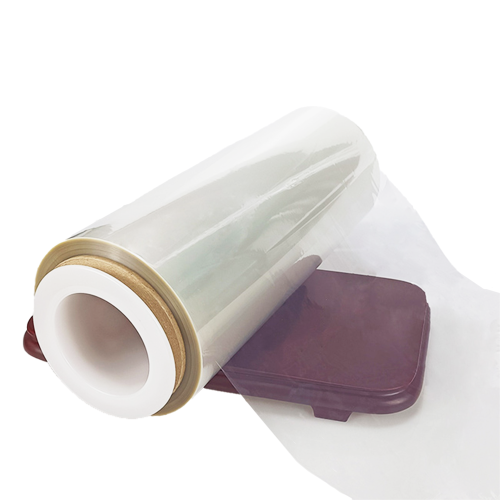
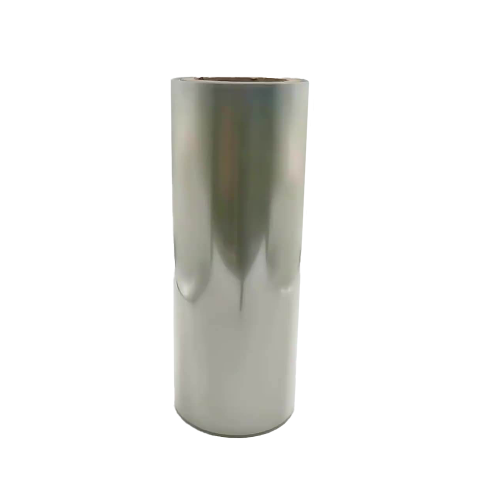
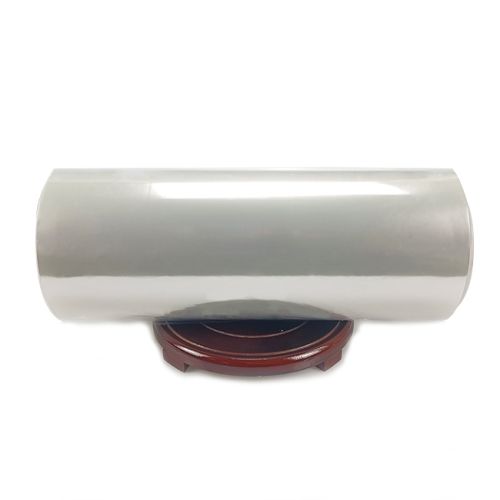
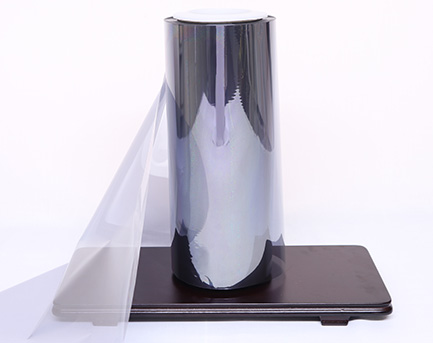
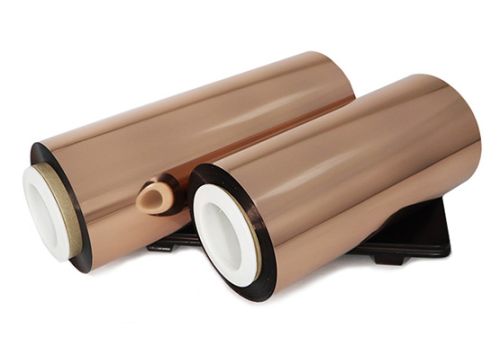
A snack pouch can look uniformly metallic on a roll and show small bright points when it is held against a light after converting. metallized BOPP film can serve as a light and barrier layer in a polypropylene based construction. Before rejecting a roll or changing the package, locate the points and determine whether they correspond to a real interruption in the deposited layer.
Cailong's film portfolio lists a high barrier metallized BOPP option at a reference thickness of 18 µm. Its product documentation separates aluminum adhesion and heat seal measurements from protection requirements. Buyers should request the current grade data, including test conditions, and assess light protection using the complete structure they intend to run.
Give the light inspection a defined purpose
Start by asking whether the concern is visible appearance, product exposure to light, or a possible packaging defect. These questions can lead to different acceptance criteria. A decorative metallic panel may have a strict visual limit, while a light sensitive fill requires evidence tied to its own protection needs. Describe the intended decision before selecting an instrument.
Set up a repeatable viewing condition with an agreed light source, sample orientation and observation distance. Use an accepted reference and retain images that include the scale and position of each finding. Automatic camera exposure can make sparse points appear brighter or weaker across images. Keep imaging settings fixed when comparing specimens.
Map the bright points through conversion
Collect corresponding regions from the incoming web, converted laminate and finished pouches. Track roll, lane and direction. Look for repeating spacing or a line of features concentrated in one lane. A pattern that appears only after a specific operation can help the converter identify where to examine web contact, tension or handling.
Take samples from the flat body as well as regions near folds and seals when those locations show the symptom. Keep the pouch drawing with the inspection images. The same bright feature can appear in a wide panel, along a crease or near a trimmed edge, and the location changes what the investigation should cover.
Distinguish transmitted light from reflection
Examine the same area under reflected and transmitted light. An apparent point can come from an interruption in the metallic layer, a surface disturbance or an optical effect in another layer. A mark that changes when illumination moves should be documented in both conditions. Section or surface examination may be appropriate if the disposition depends on the failure plane.
Where the package has printing, use the artwork as a reference. Print can mask a spot or create an appearance change near a transition. Compare the area with a corresponding unprinted specimen if one is available. This can help identify whether the observation belongs to the metallic layer or to the way the package is decorated.
Use optical density and spot inspection together
A broad optical measurement describes the region covered by the chosen method. Small local features may contribute little to a broad average even when they are visible in a light inspection. Ask the supplier to identify the measurement basis and map the spots separately. The two sets of observations answer related questions at different scales.
Document whether the method is intended to find individual points or compare general transmission across a film. Keep the illumination and any threshold used for detection consistent across lots. If the buyer needs a numerical limit for bright points, agree on the size definition and examined area first. The resulting limit should be meaningful for the finished pouch.
Confirm whether package performance changed
When a bright point is associated with a material discontinuity, compare the relevant protective properties using the actual package requirement. A light test does not measure oxygen or water vapor transmission. Keep those measurements on their own test basis and record the layer arrangement and condition of each sample.
If a pouch may also have a seal defect, assess integrity separately. Light seen through an area of a laminate and leakage through a pouch opening have different implications. Select a method that can answer the relevant question. A converter should be able to show which result supports a material decision and which supports an integrity decision.
Compare structures using the same viewing and fill
A PP-based laminate may be considered in place of a structure using a different barrier web. Compare converted pouches at the intended size with comparable print and product fill. Follow the handling sequence expected in packing and distribution. This gives the buyer evidence about the surfaces and folds that matter to the application.
Check that proposed changes to adhesives, sealants and inks are reflected in the documented stack. A change that improves the appearance can also change the package construction. Review recycling compatibility for that complete structure and the target collection route if it is an explicit design objective.
Set the handover sample and acceptance conditions
Retain an incoming film specimen, a converted sample and a representative finished pouch. Identify the locations assessed, the lighting setup, and any integrity or barrier results needed for approval. Provide the defect map to the supplier when requesting an investigation. A precise record of where a finding first appeared is more actionable than a general complaint about pinholes.
After corrective action, repeat the same observation using samples from equivalent roll positions. Record how many areas were examined and whether the reported pattern returned. Keep both the original and corrected references so production can distinguish a repeat occurrence from a different defect.
Metallized BOPP offers a light protection and barrier route for a PP-based packaging project. Approval should connect the selected grade with the finished pouch results and the intended viewing criteria. This allows purchasing to judge bright points in the context of their location, frequency and practical effect.