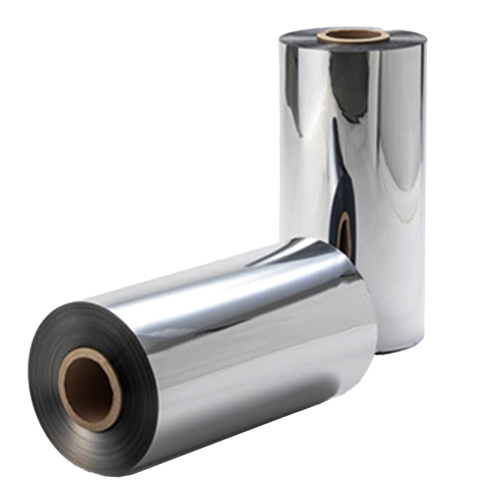
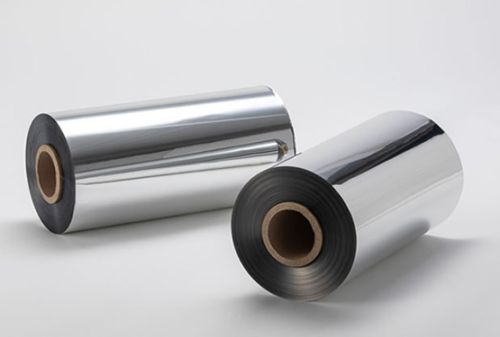
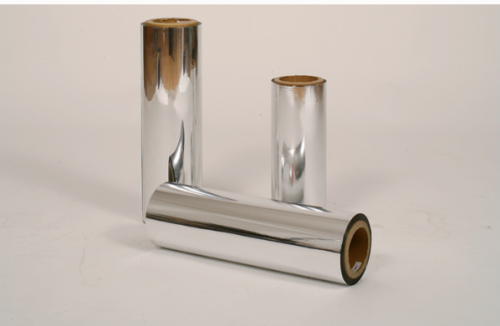
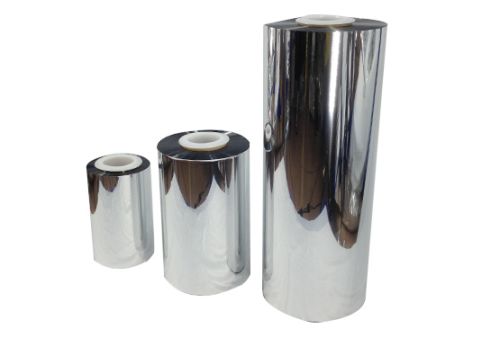
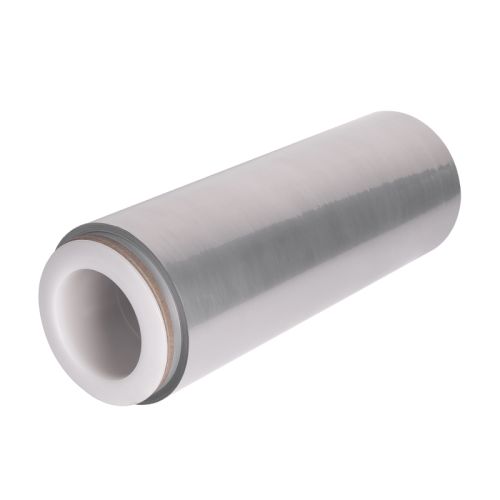
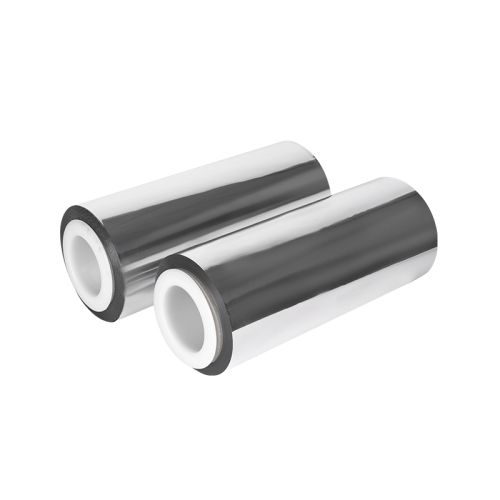
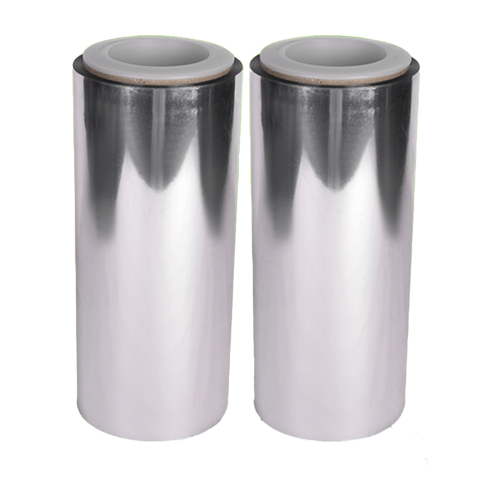
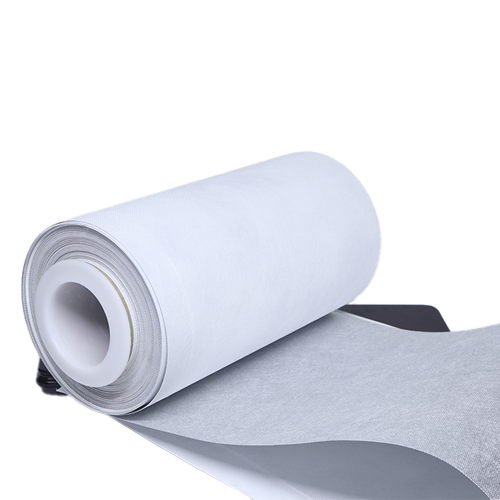
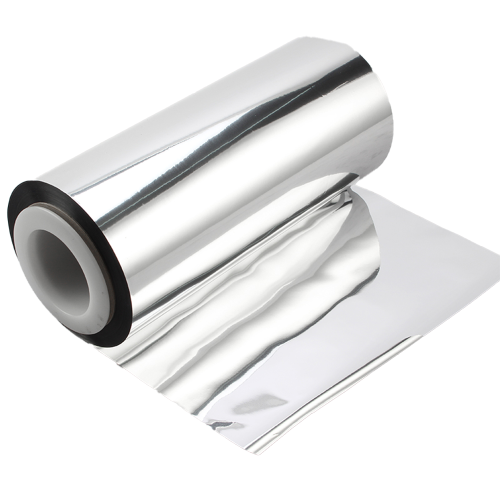
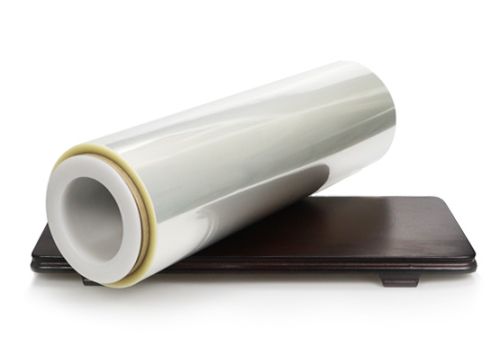
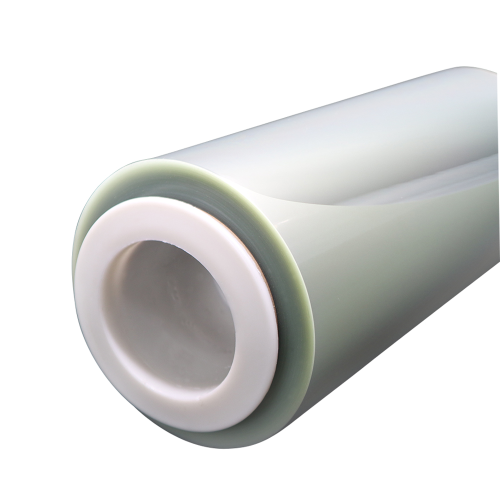
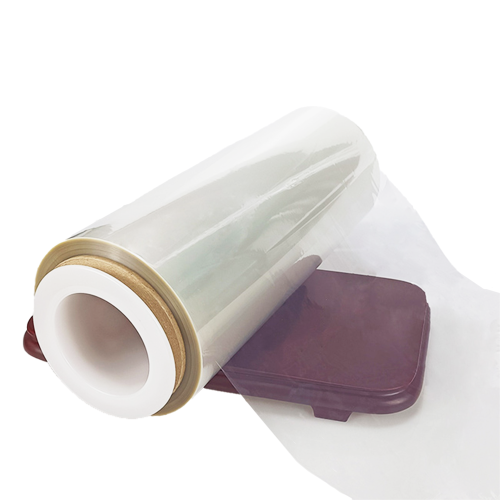
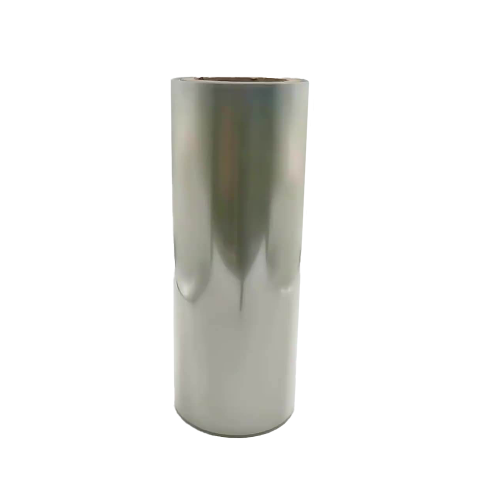
A laminated snack pouch can pass an incoming film inspection and later show silver transfer in a peeled sample. metallized BOPP film is an option when the buyer needs a polypropylene barrier web with enhanced aluminum attachment. The first question in a complaint is where separation occurred. A silver mark on one face of a peeled specimen can guide the investigation, especially when its position is compared with the print pattern and the bond structure.
Cailong's film portfolio lists a high adhesion metallized BOPP grade for laminated packaging. Confirm the selected film, coating orientation and available adhesion evidence before planning trials. A supplier test for aluminum attachment and a peel test on a printed adhesive laminate describe different interfaces. Document both so the grade selection addresses the separation actually observed.
Keep the two peeled surfaces together
Lay out the peeled surfaces in their original alignment and mark the direction of the pull. Photograph both faces under the same illumination. Record whether the silver area corresponds to a clear patch on the other face, an ink boundary or a feature that extends beyond the printed region. Preserve a nearby intact section for comparison.
A photograph of a single peeled face can be misleading. It may show a metallic reflection without revealing how much material moved or where the separation ran. Retain the aligned pair and identify the layer that was originally exposed to the adhesive. If a laboratory section is needed, sample across the boundary between affected and acceptable areas.
Use print coverage as a diagnostic reference
When the laminate contains artwork, compare heavily printed, lightly printed and unprinted areas from the same run. Map the affected regions to the artwork and web lane. A feature that follows one ink color may direct attention to a particular print layer. A feature that crosses every color can point to a condition shared across the whole structure.
Keep print and adhesive records linked to the roll section. If the ink is on a separate companion web, show that in the stack drawing. Place a copy of the drawing with the sample so that both suppliers can identify which interface they are inspecting. The physical location of the print changes how a color boundary should be interpreted.
Distinguish aluminum attachment from laminate peel
Ask the film supplier to state the method and preparation used for the aluminum attachment result. Confirm that the value refers to the selected grade and supplied side. Then agree on the laminate peel method with the converter. Record strip width, direction, conditioning and cure age. A useful comparison needs equivalent preparation and timing.
Include the observed failure mode alongside every reading. One sample can lose metal in a narrow region while another separates over a broad adhesive interface. Their measured peel forces can be similar even though the corrective actions differ. If the failure changes during the pull, note where the change occurs and preserve the trace where available.
Compare the same film in controlled constructions
Build a small comparison that changes one relevant part of the stack. For example, compare a printed section and an unprinted section made with the same companion film and adhesive. Where the converter needs to change ink, retain a matched control made with the original ink. Record any difference in drying or treatment.
When evaluating a higher attachment grade, use the same planned laminate process and inspection conditions where possible. Confirm the coating side with the supplier before conversion. A trial that changes both the coating and adhesive can establish that a new construction works, while leaving the original failure mechanism unresolved.
Follow the laminate through the intended pouch route
Sample after lamination and again after representative conversion and storage. Establish the actual cure schedule with the adhesive supplier. Inspect whether the failure is concentrated in a folded region, at an edge or in an area that was flat throughout the process. Carry the roll and location information forward to the finished sample.
If the package must protect the contents from oxygen, moisture or light, test the appropriate finished construction. A metal attachment value provides useful incoming evidence. It cannot quantify the protective effect of a local separation after pouch formation. Keep the bond requirement and the finished package requirement in separate parts of the approval plan.
Define an acceptance report the converter can repeat
Specify the selected grade, gauge, orientation and full layer sequence. Include agreed references for the acceptable failure modes, specimen conditioning and the appearance of both peeled surfaces. Ask the converter to record the position of any recurring mark in relation to print coverage and web direction. This makes later complaints easier to compare.
A trial should include samples from normal production as well as the area where the defect was reported. Compare results using the same evaluation conditions. When a change appears to solve the issue, retain a baseline specimen from the affected run. The original evidence allows the team to verify that the new construction addresses the same failure.
If a repeat defect appears at a particular peel distance, label that location on the unopened specimen before preparing more strips. Review whether the distance corresponds to a print repeat, splice or process transition. Compare successive repeats from the same lane. An intermittent feature can be diluted in an average peel report, so retain its frequency and approximate dimensions alongside the force data.
For a project moving from an existing mixed material structure to a PP-based laminate, review print performance, barrier and finished pack handling together. Evaluate the complete structure for any recycling objective in the intended market. Select high adhesion metallized BOPP where the evidence supports its role at the identified interface, and document the converting conditions that produced acceptable pouches. The final purchase brief can then give both the film supplier and the converter a reproducible way to review metal transfer.