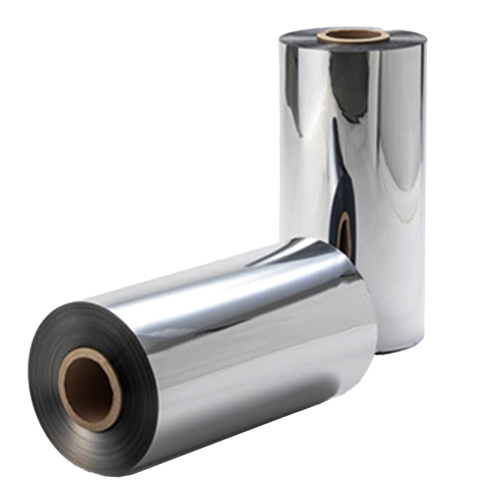
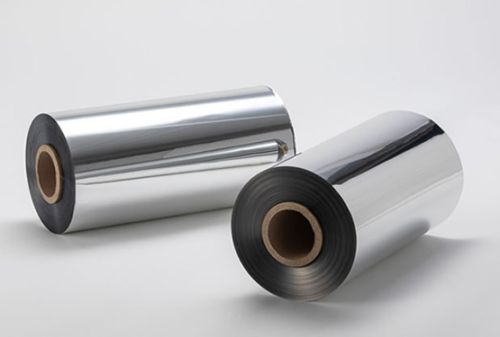
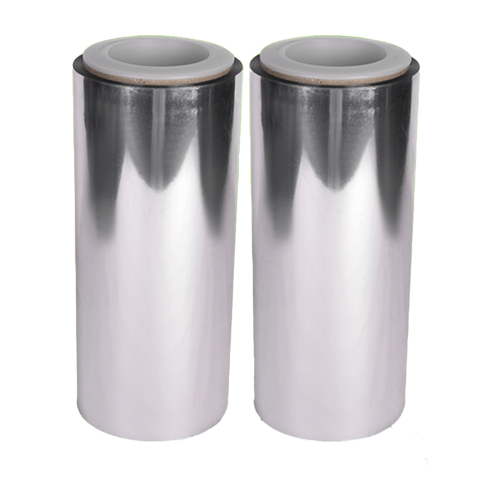
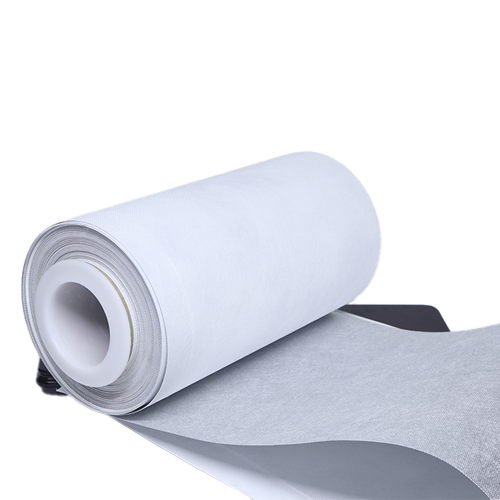
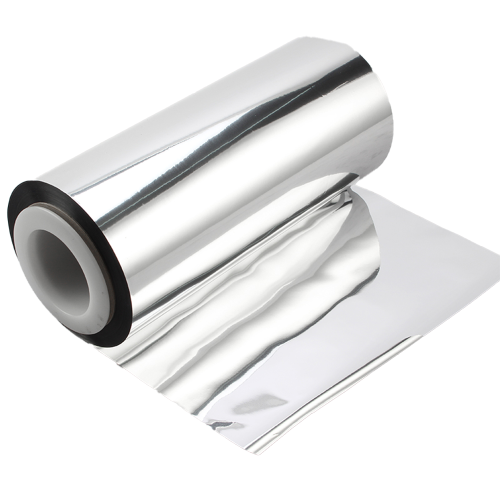
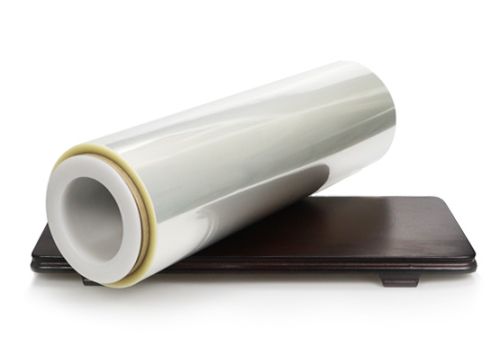
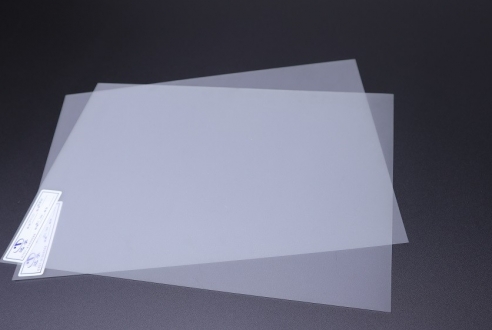
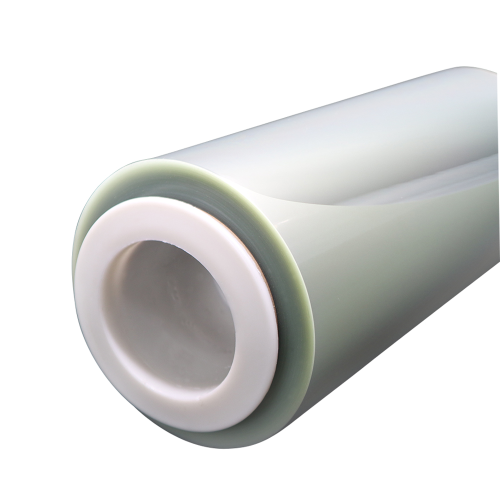
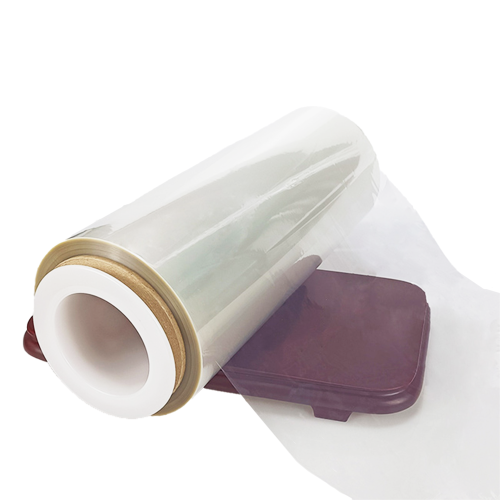
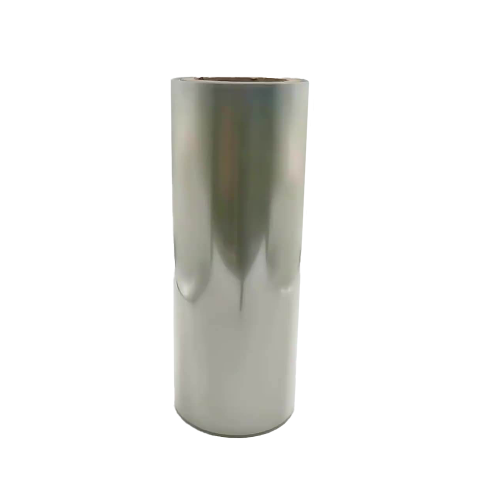
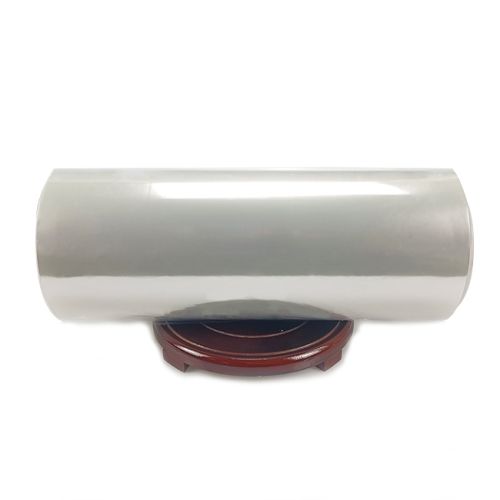
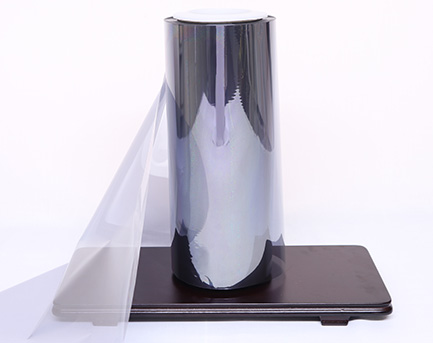
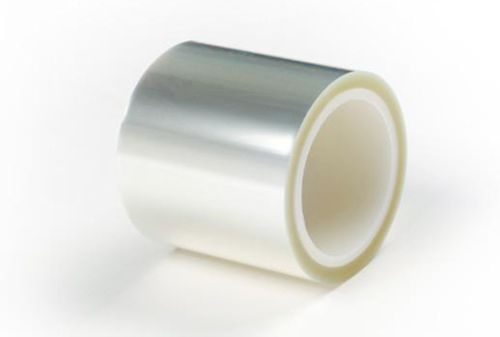
A small clear window in a printed pouch can look clean on the artwork and show a narrow opaque border after conversion. BOPP AlOx film is a candidate barrier web for transparent areas in a PP-based package. When the window is misplaced, distorted or partly covered by ink, the first question is where the printed opening stopped matching the pouch geometry.
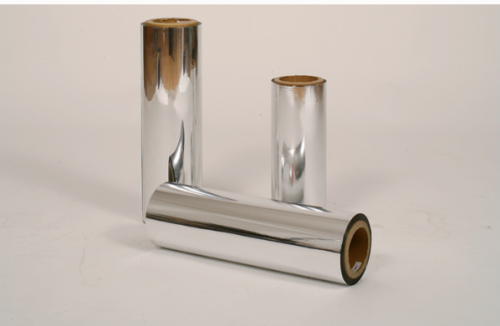
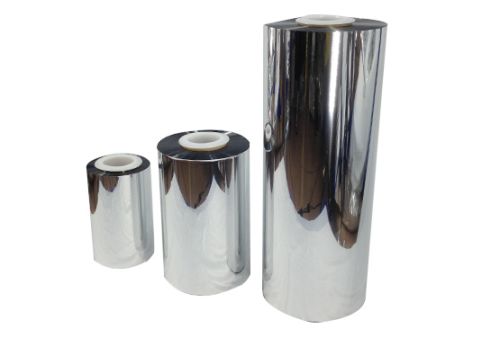
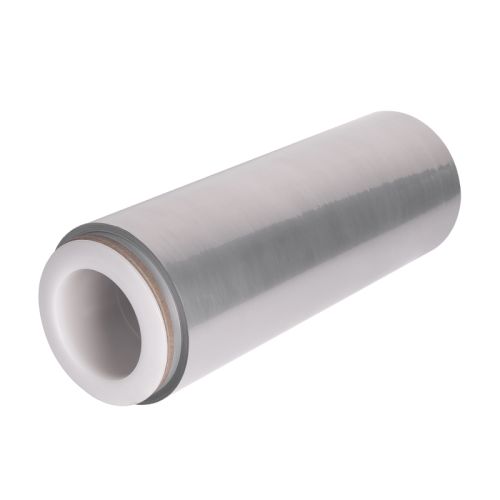
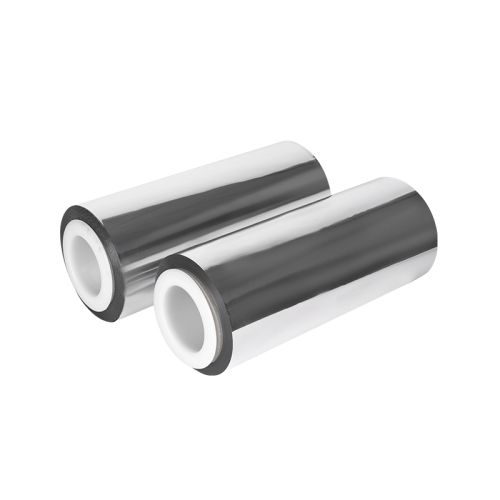
Cailong's film portfolio presents BOPP with an aluminum oxide barrier coating for transparent flexible packaging. The converter can assess it alongside a compatible sealant and the chosen print arrangement. Establish which side carries the coating and which web carries the image before placing the window in the design. That choice affects inspection and troubleshooting.
Define the opening by its visible area
Draw the minimum usable window on the finished package with the intended product inside. Include borders, opaque ink, gussets, folds and any region hidden by the way the pouch stands. A rectangle dimension on a flat artwork file may overstate the opening after the wall bends. Show the area that must remain clear when the customer views it.
Give the printer and bag maker common reference points. A center line and an agreed seal reference are more useful than measuring from a trimmed edge that may move between operations. Make it possible to compare the window position before lamination and after pouch conversion. The drawing should also indicate how the buyer wants corner encroachment recorded.
Observe the print before adding the next layer
Check whether the visible border comes from ink placement, coverage variation or an effect introduced later. Retain a printed but unlaminated sample with the register marks and adjacent repeats intact. A photo cropped to the window can conceal a repeating alignment error across the web. Capture the position of the defect in the print repeat.
Compare the clear areas in transmitted light with a consistent background. Edge appearance can look different when an opaque underprint is present. If the print design intentionally overlaps certain colors, ask the printer to identify those edges in the drawing. This helps separate a designed overlap from a stray strip that entered the transparent area.
Carry reference marks through converting
Where the process allows, follow matched sections through lamination, slitting and pouch formation. Use safe sample collection points and retain edge orientation. Record the across-web lane and repeat number. A shift that appears in all lanes may require a different investigation from a defect concentrated in one slit roll.
Measure both the window geometry and its location against the agreed pouch reference. A window of the expected width can still be misplaced. Conversely, its center can be correct while one edge is visibly irregular. Reporting these as separate measurements gives the converter more information than a single alignment pass or fail.
Build the viewing test around the product
Use representative filled pouches to assess transparency under the intended lighting. A light product behind a window can reveal marks that a dark fill conceals. The sealant, adhesive and reflections from the product can change appearance relative to the bare barrier web. Keep the wall orientation and viewing distance consistent when comparing materials.
Decide whether the priority is seeing a color, reading a product feature or confirming fill visually. These tasks can have different acceptance needs. An optical measurement may help screen materials, while a filled-pouch reference can establish the appearance expected by the customer. Link both measurements to the same construction revision.
Protect the coating during layout changes
A decision to move the print to another surface or to change the laminate order can affect which interfaces the converter must qualify. Record the coating orientation and check adhesion with the selected inks, adhesive and companion film. A material shortlist based on transparency and barrier still requires evidence that the proposed print route suits the chosen surface.
The aluminum oxide layer is intended to provide a barrier in the transparent structure. Window registration is an artwork and converting issue, while oxygen and moisture protection require appropriate tests on the selected material and package. Evaluate the converted construction after relevant handling so that the visual improvement and protective requirement are considered together.
Allow production variation in the drawing
Use observations from multiple repeats and representative roll positions when deciding how close the print border can run to a fold or seal. Show the allowable positional variation explicitly. A trial piece cut by hand to match an artwork overlay can help visualize the idea, but production acceptance needs samples made with the intended registration and cutting system.
If the window needs more margin, review changes to artwork before changing material gauge. A wider border allowance or a relocated clear zone may solve the observed issue without changing the film. If the defect remains after alignment is corrected, investigate the surfaces and laminate condition using the retained samples.
Specify the approved window and stack together
The order should identify the selected BOPP AlOx grade, film orientation and complete laminate. Include the artwork revision, alignment references, representative filled pouch and agreed appearance checks. Retain an approved sample from the trial so a later roll or artwork change can be compared against the same physical reference.
During handover, show the printer which part of the opening is most critical. For a tall pouch this may be the lower region where the product settles, even if the artwork centers the opening vertically. This detail can change how the team prioritizes an alignment correction across different sizes.
A PP-based construction may be attractive when replacing an opaque barrier laminate or developing a visible product panel. Evaluate the selected structure for its actual product, processing and intended market. A clear window does not by itself establish recycling compatibility. The material decision can proceed when the converted window reliably exposes the intended product area and the finished pack meets its separately specified protection requirements.