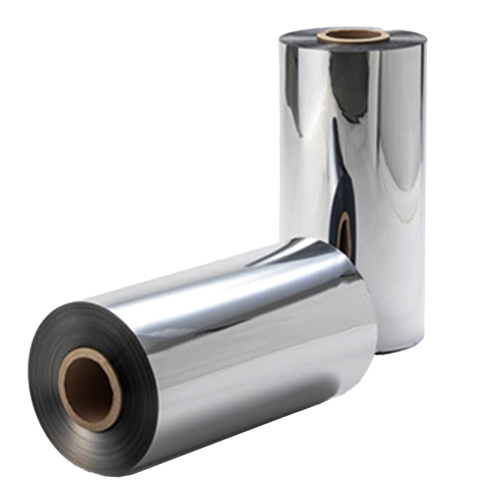
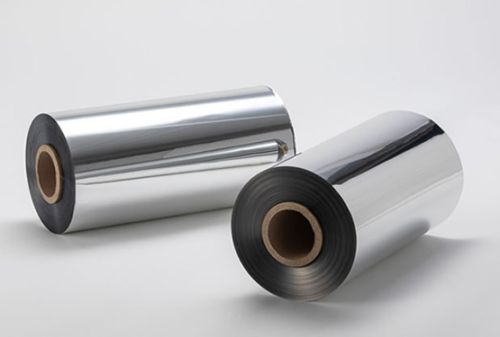
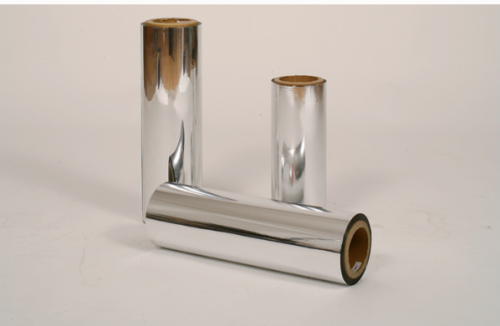
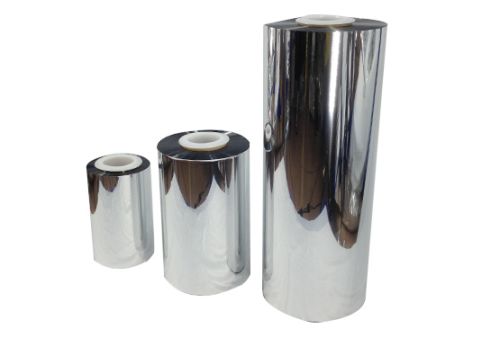
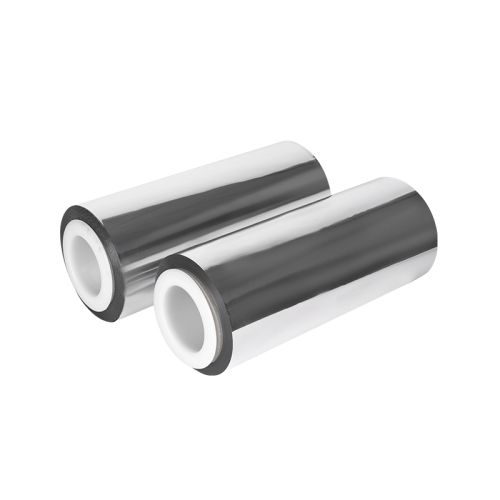
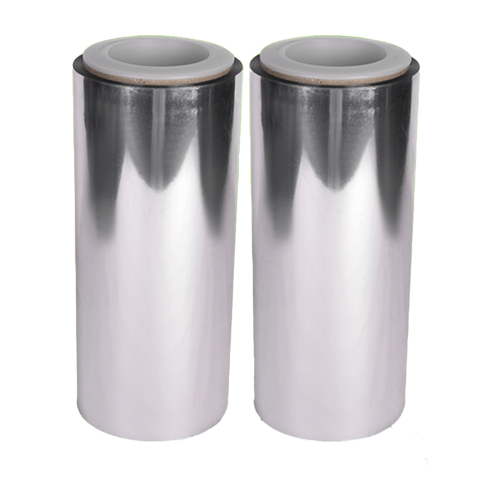
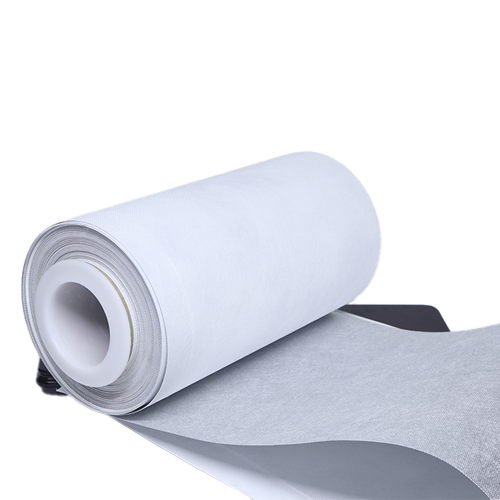
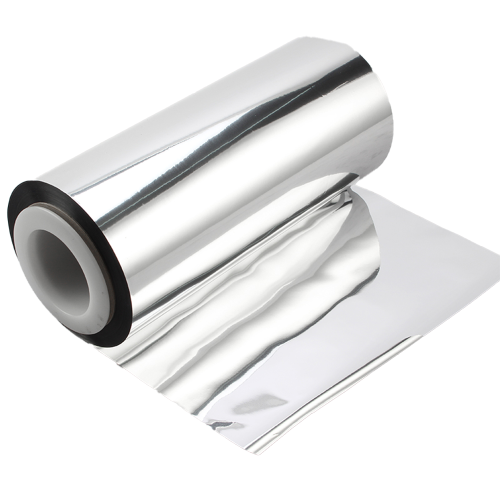
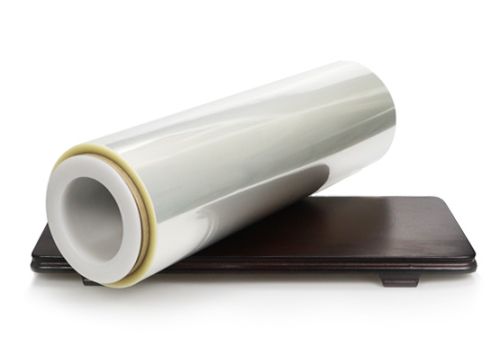
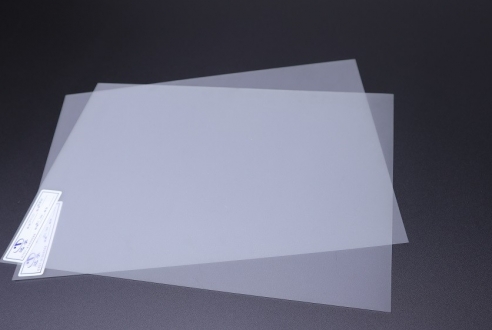
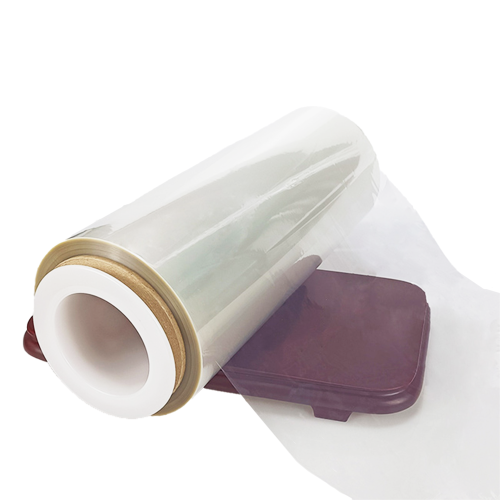
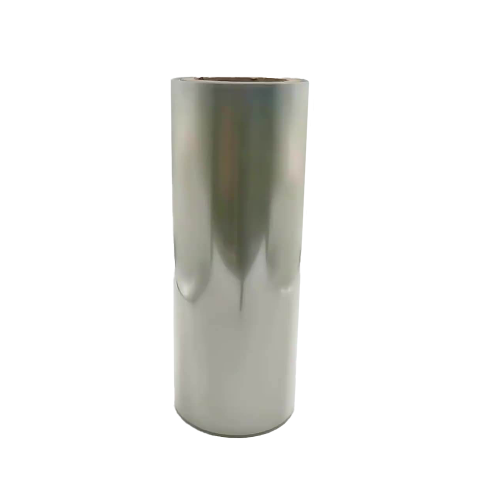
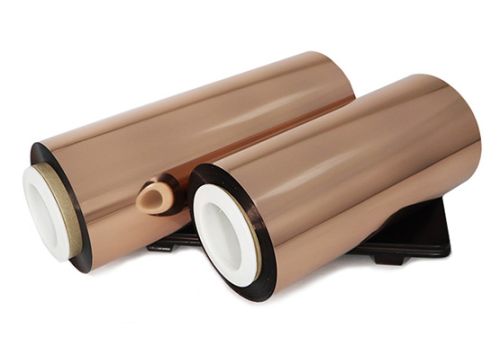
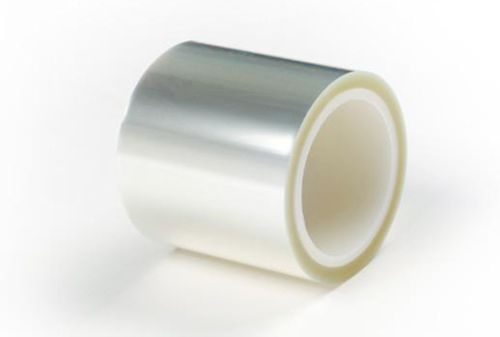
metallized paper is worth considering when a packaging project seeks a paper-based barrier component with a metallic appearance. An easy-tear feature introduces a separate requirement: the package must start tearing where intended while preserving protection before opening. A laser score therefore needs qualification against the actual layered construction, rather than approval from the unscored material's barrier data.
Cailong's film portfolio presents metallized paper for packaging development, and its brochure provides material reference information. That information helps a converter shortlist the paper. It does not supply a universal laser setting or an approved score depth. Opening design must account for the paper, deposited metal, coatings, adhesives and sealing layers that are present in the proposed package. Retain the construction revision with each score sample. Otherwise an apparently identical opening trial may involve a different coating or sealant, making the laser comparison difficult to interpret.
Decide which layer is allowed to change
Create a cross-section of the package and mark the planned laser side. Identify the layer intended to guide the tear and the layers expected to remain continuous. A drawing that says only paper laminate leaves too much uncertainty. The converter and laser-equipment specialist need to know what lies below the visible surface before they define a trial.
Do not assume that a visible line proves the intended depth. The appearance of a scored paper surface does not identify the condition of every buried layer. Request a suitable examination of trial sections where necessary. The purpose is to establish what the scoring operation has changed, rather than to infer the internal construction from a photograph of the outer face.
Separate starting force from tear direction
A consumer may struggle to initiate a tear even when the remaining line tears smoothly. Another sample may start easily but run into the seal or spill the contents. Evaluate these as different outcomes. Observe where the tear begins, how it travels, and whether the user can control the opening throughout the intended movement.
Use the final package dimensions and the intended grip area during opening trials. A narrow test strip cannot reproduce every interaction between the consumer's hands, a filled pouch and its seals. Record the opening orientation and the condition of the pack. Product loading can change the way the user supports the material while pulling at the tear start.
Treat scoring as another converting operation
Document the laser system, process arrangement and variables agreed with the equipment supplier. There is no single energy, speed or line pattern that can be prescribed from the metallized-paper brochure. Changing the outer coating or print coverage may require a new assessment, even if the package still carries the same generic paper description.
Keep the unscored structure as a control and change trial conditions in a way that allows the effects to be traced. Examine the start and end of the scored path as well as its middle. The useful result is a repeatable opening feature within the selected production window. A single pouch that happens to open cleanly provides limited evidence for a purchasing decision.
Check the unopened score as a protective feature
The package spends its storage life with the score already present. Evaluate transmission or integrity using methods selected for the actual structure and product requirement. Test the scored construction as well as the matching unscored version. If the scored sample changes, investigate the affected layers and score geometry before attributing the result to the incoming paper itself.
Keep film or paper transmission rates distinct from whole-package leakage. A localized discontinuity and increased transmission through an intact material are different mechanisms. The laboratory should state what its method measures and which failure modes remain outside its scope. An opening-force result cannot substitute for either of those protective-performance questions.
Keep paper data within the brochure's scope
The metallized-paper brochure contains reference data for the supplied material, including barrier-related properties. Use the selected grade and its stated test basis when requesting a quotation. Do not transfer a result from an intact sheet to a laser-scored laminate. Where temperature, humidity or construction details are missing, obtain them instead of completing the specification by assumption.
The same distinction applies to end-of-life claims. Adding a sealing layer, adhesive or opening feature produces a particular package construction that needs its own assessment. A paper-based material description does not establish that the completed pack is accepted in every paper recycling stream. Keep the sourcing discussion tied to the actual structure and intended market.
Follow the opening line through downstream handling
Retain scored samples after the planned bag-making and filling operations. Check whether the tear start remains recognizable and whether it has opened prematurely. Investigate any damage with its location marked relative to the score, seal and fold. This helps distinguish an opening-feature problem from unrelated handling damage at another part of the package.
Repeat the agreed opening and protection checks after representative distribution conditioning. Include packages from different relevant positions in the trial run. An early sample collected under stable conditions may not reveal variation near a process adjustment. Report how many samples were examined and which conditions they represent, without inventing a universal acceptance quantity.
Compare replacements on the finished opening
When replacing a conventional plastic-based barrier construction, retain the current pack as a reference for consumer opening, product protection and converting behavior. The paper-based candidate may require a different score arrangement. Copying the previous laser recipe can conceal a structural difference instead of shortening development.
Ask for an agreed sample set containing the incoming material, unscored laminate, scored laminate and filled package. Link the measurements to the exact construction and scoring revision. Metallized paper becomes a practical purchasing option when the customer can demonstrate both a controlled tear start and adequate unopened-pack protection. The decision should preserve that balance rather than maximizing easy tearing in isolation.