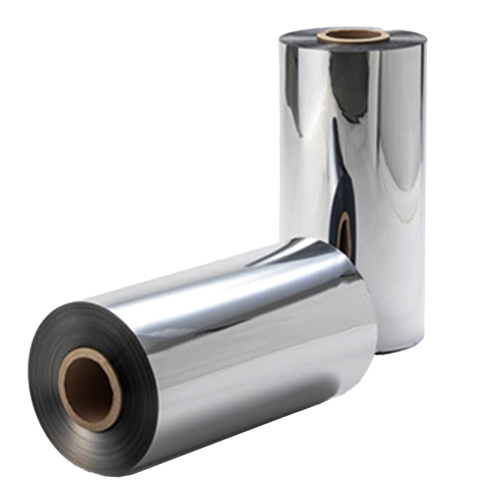
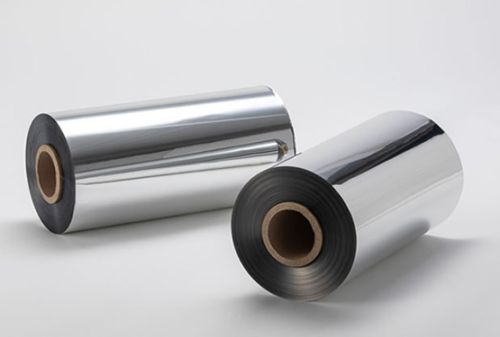
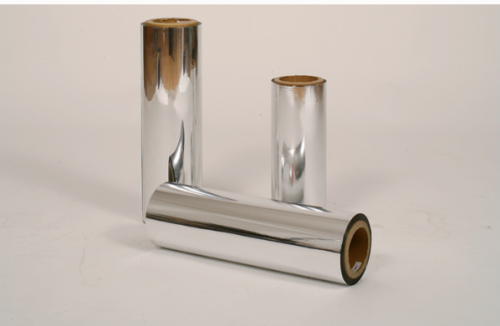
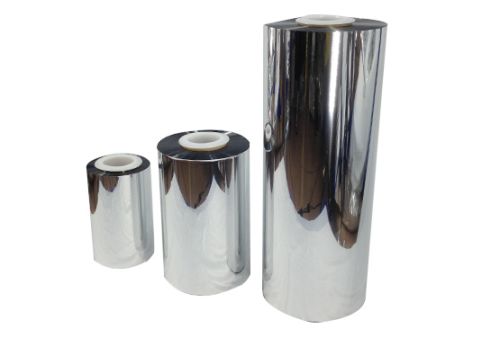
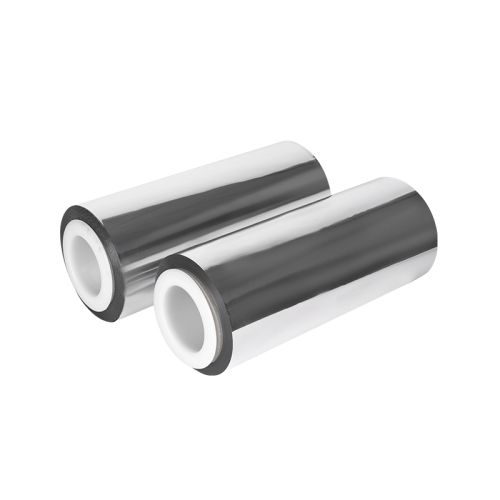
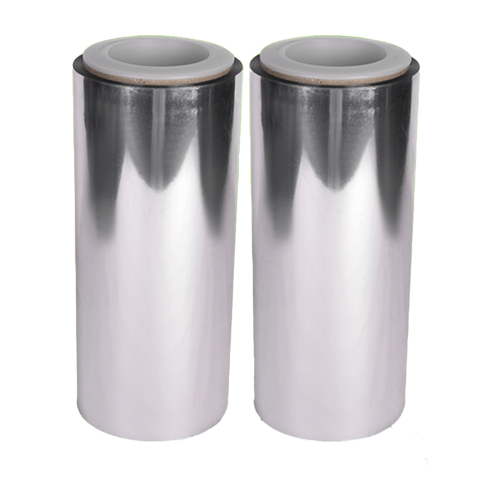
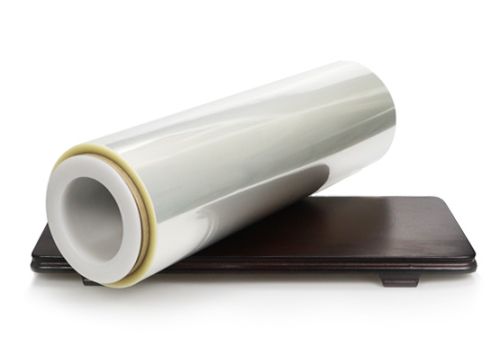
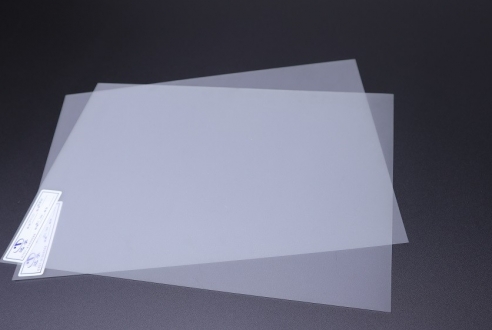
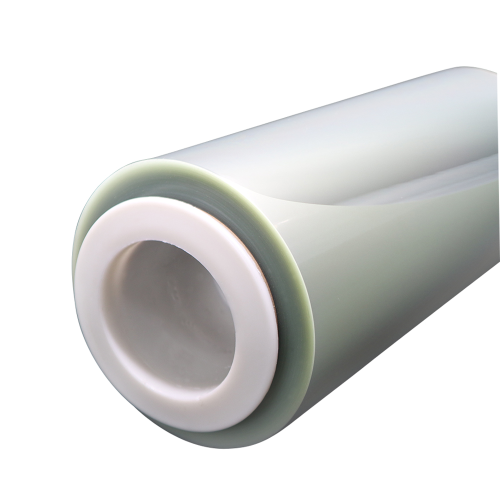
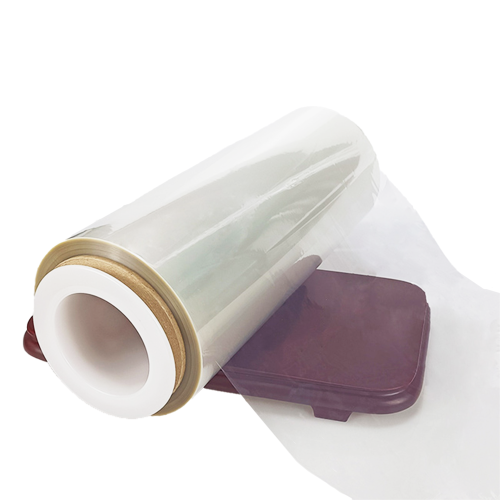
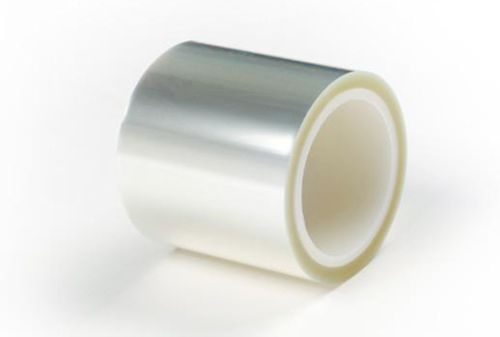
PET AlOx film offers a transparent barrier option for coffee packaging when buyers want customers to see the beans. Adding a degassing valve creates another design question: how will the complete pouch release gas while limiting unwanted entry through the valve and its attachment? A strong film specification cannot answer that question on its own.
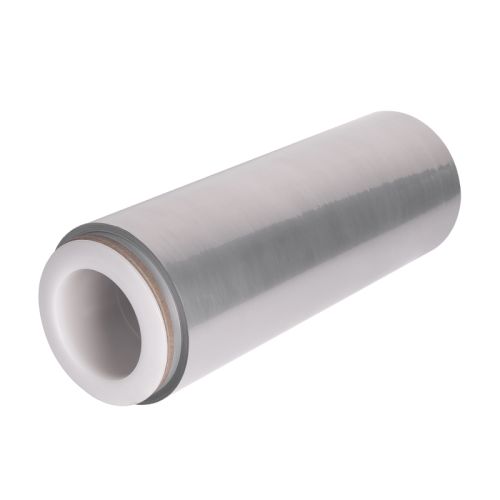
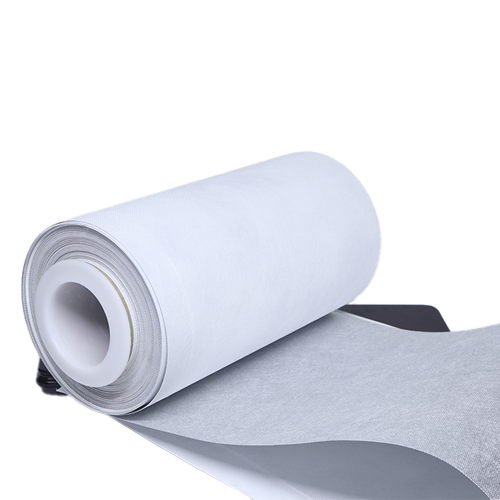
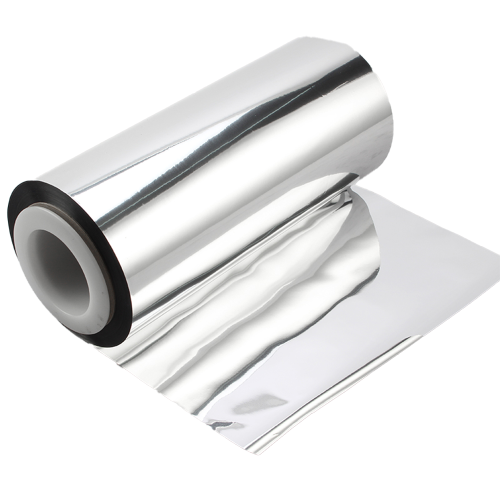
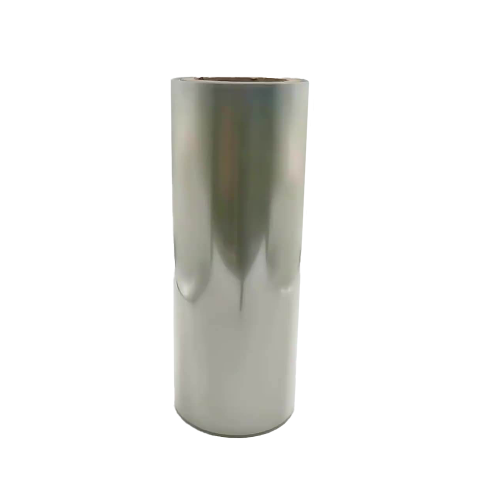
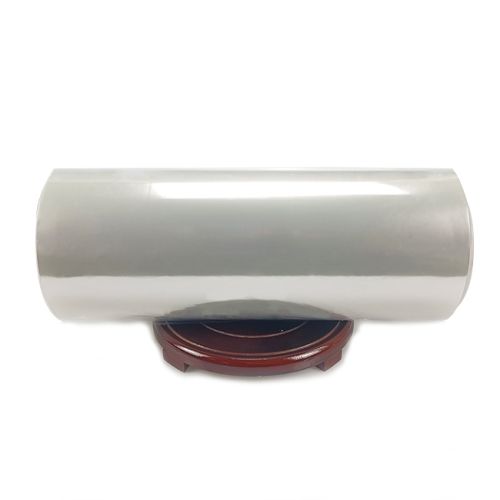
Cailong's film portfolio includes the 12 µm PET-AlOx-T03 grade for applications including coffee and other dry foods. The technical sheet describes oxygen and moisture barrier together with printing and lamination performance. This is a candidate barrier web for development, rather than an approved valve-bearing pouch construction. The valve, sealant and attachment process require their own evidence. Keep supplier responsibilities visible in the trial brief, so a change to the valve flange or sealing face is reviewed by the parties responsible for that interface.
Separate the three routes through the pack
Begin with a drawing of the unopened coffee bag. Identify transmission through the laminate, passage through the valve mechanism, and leakage around the valve flange or other seals. These routes involve different materials and interfaces. An investigation that reports only the web's oxygen transmission rate can overlook a local installation problem elsewhere on the pouch.
The coffee specification should also identify the intended product, filling conditions and storage period. Whole beans and ground coffee need not produce the same packaging challenge. Ask the coffee packer and valve supplier to establish the required gas-release behavior. Do not derive a valve opening pressure or flow requirement from an AlOx coating specification.
Choose transparency with its processing limits
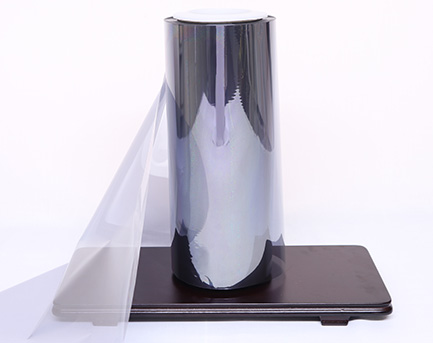
The T03 sheet lists light transmittance of at least 89%. This supports considering a clear product window instead of an opaque metallized or foil-based presentation. Evaluate visibility through the actual laminate, because print coverage, adhesives and the valve location can interrupt the view. A clear base web does not mean every area of the converted pouch will appear equally clear.
This grade is explicitly unsuitable for boiling, pasteurization and retort treatment. Its inclusion in a dry-coffee project must not be extended into a general heat-processing claim. Local valve attachment also needs assessment under the converter's actual equipment conditions; the absence of a retort requirement does not automatically qualify any attachment temperature, pressure or dwell time.
Read barrier data without filling missing conditions
The published TDS specifies OTR no greater than 2.0 cc/(m²·day) using ASTM D3985, and WVTR no greater than 2.0 g/(m²·day) using ASTM F1249. It reports respective test values of 1.79 and 1.08. Temperature and relative humidity are not stated for those transmission measurements, so request the complete test conditions before comparing competing offers.
These figures describe the film reference, not oxygen entry into a finished valve pack. Film transmission is expressed per unit area, whereas a whole-package measurement includes the actual package geometry and all relevant entry routes. Keep the results in their original units. A simple numerical comparison between a film rate and a whole-bag result would be misleading.
Define what the valve attaches to
Show the sealing face in the laminate drawing and identify the material contacted by the valve flange. Ask the valve supplier to confirm compatibility with that face. Printing or lamination suitability of the PET AlOx web does not establish that a valve can be sealed directly to it. The selected sealant and valve design determine the attachment interface.
Retain the intended valve position, local print layout and nearby pouch folds in trial samples. A flat laboratory attachment may behave differently when the pouch is filled and changes shape. Include the actual installation sequence in the trial record. Moving the valve operation to another point in production can change the support, alignment and thermal history around the flange.
Use controls that identify the source of a change
Compare representative unconverted laminate, converted pouches without a valve, and otherwise comparable valve-bearing pouches. Select test methods with the laboratory that can distinguish the relevant transmission and leakage questions. A detected difference should trigger investigation of the valve area, rather than an automatic conclusion that the AlOx web has lost its barrier.
Keep a known satisfactory valve installation as an additional reference when available. Record valve identity, installation equipment, pouch dimensions and sealing conditions for each group. Inspect attachment continuity and alignment, then connect those observations with the laboratory findings. Surface appearance alone cannot establish whether the flange interface is sufficiently tight for the intended coffee pack.
Include filling and distribution in the evaluation
An empty pouch trial leaves out contact with the coffee and the shape of the filled bag. Ask the packer to assess the installation with the intended fill level, headspace and handling sequence. Product particles near the attachment operation, bag distortion and valve obstruction are questions to investigate where relevant; none should be assumed to occur in every process.
After the agreed distribution exposure, reassess both package integrity and valve function. A valve that remains attached has not necessarily retained its specified gas-release behavior. Likewise, a pouch that looks unchanged may still require oxygen-entry measurements. The acceptance plan should state which observations and results are necessary before the coffee packer releases the construction.
Make the purchase specification cover the assembly
Request the film grade and gauge, complete transmission-test conditions, laminate layer order and intended sealing face. Add the valve specification, approved attachment arrangement and finished-pack evaluation to the same development brief. This gives the film supplier, converter and valve supplier a shared description of the package they are trying to qualify.
For a transparent replacement of an existing opaque coffee bag, approve the viewing requirement and protective performance separately. PET AlOx can provide the clear barrier component; it does not remove the engineering work introduced by a degassing valve. A useful purchasing decision rests on evidence from the assembled coffee pack, including its valve, rather than a single attractive film number.