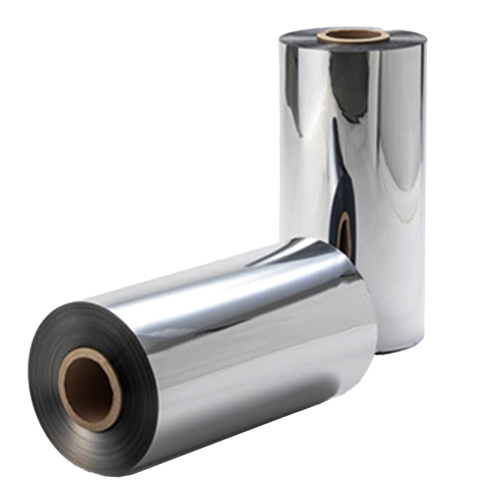
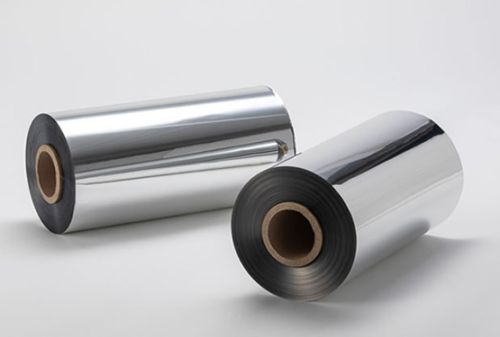
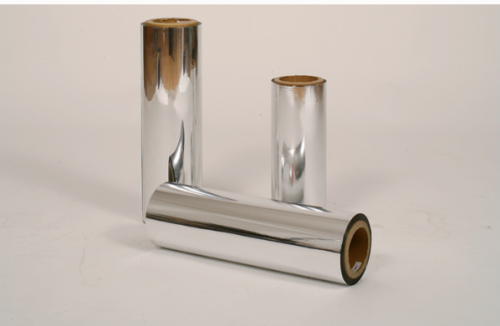
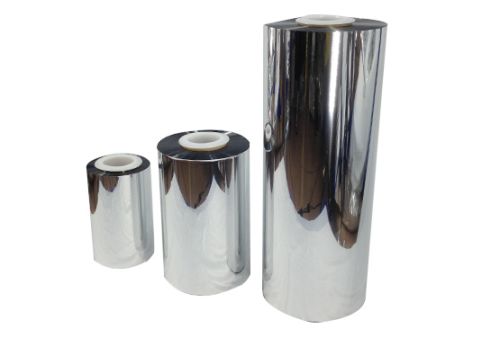
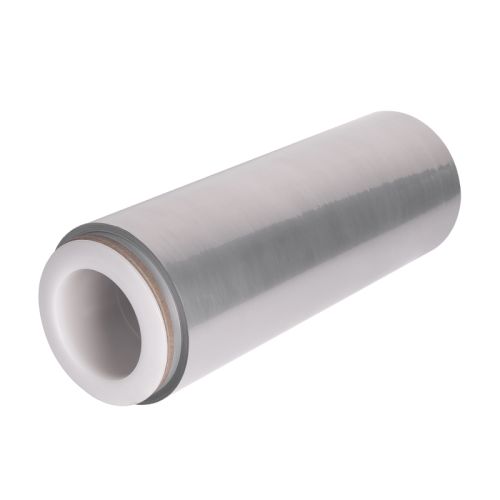
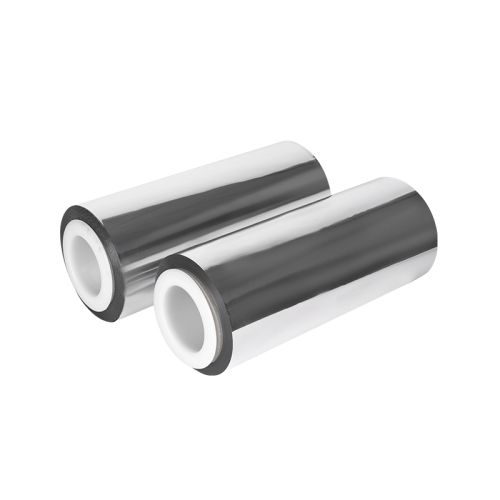
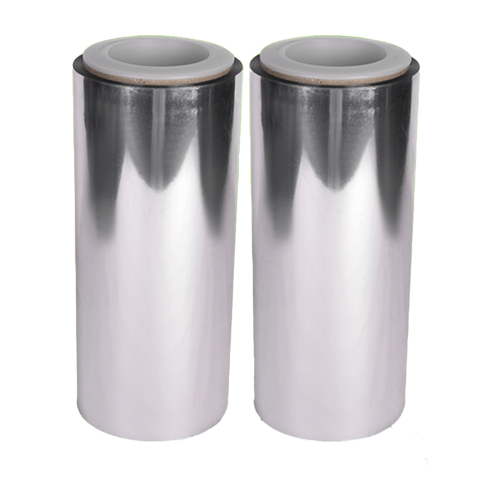
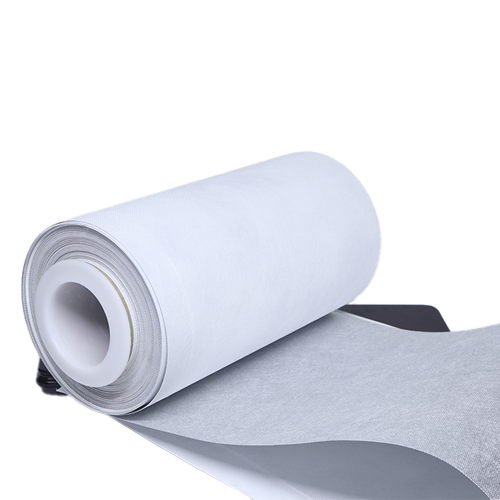
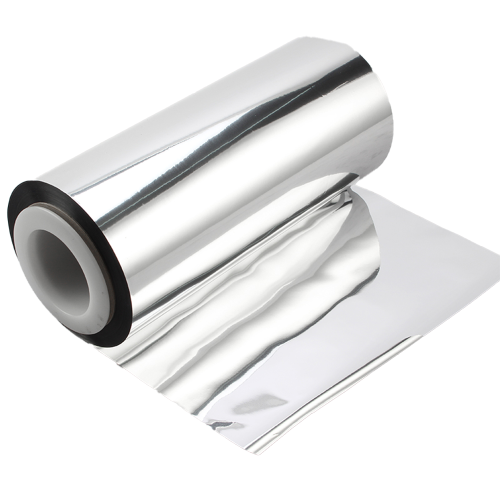
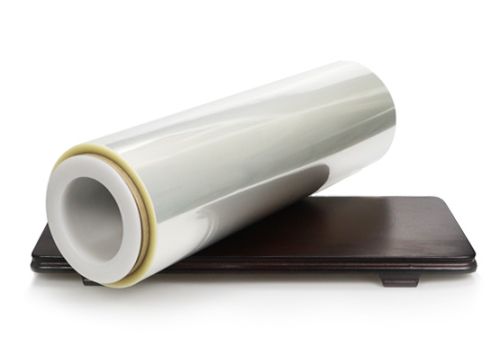
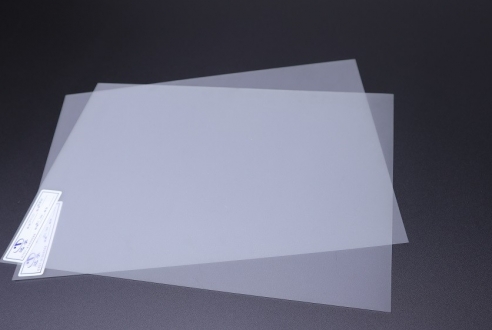
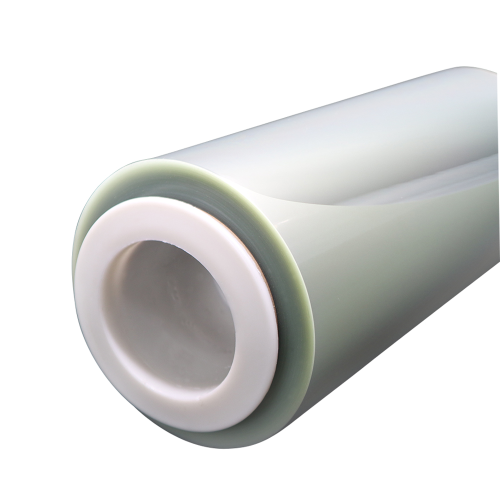
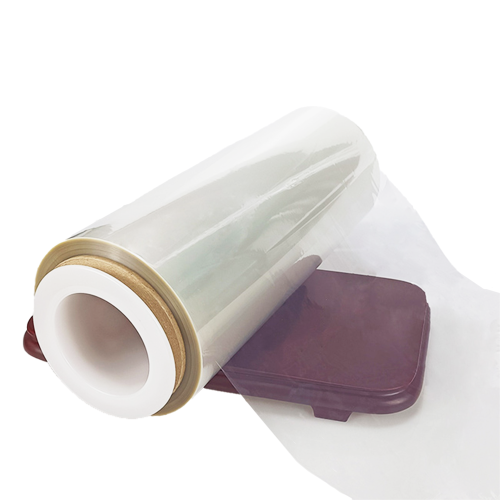
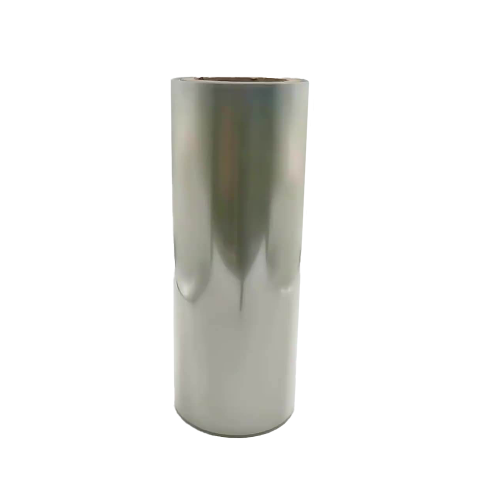
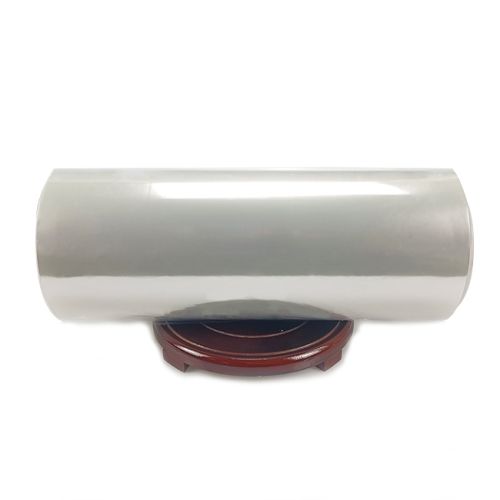
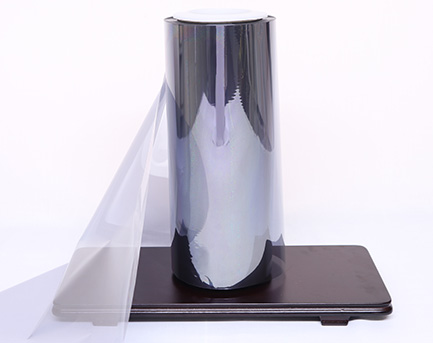
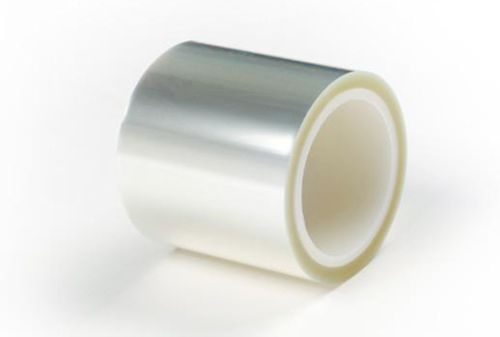
BOPA film can be considered when a transparent food pouch needs both barrier protection and resistance to mechanical damage. For refrigerated distribution, the important evidence comes from filled packs at the relevant condition. A room-temperature drop result or a single-film puncture description cannot establish how the pouch will behave when its contents, seals and laminate have been chilled together.
Cailong's film portfolio lists a 15 µm BOPA-CLG material with transparency, puncture resistance and lamination capability. Its TDS identifies a BOPA-CLG//RCP reference laminate for retort-related barrier data. That reference does not supply a chilled-drop rating. Treat it as material and construction information while selecting the complete pack needed for the customer's refrigerated product.
Define the damage the replacement must prevent
Collect failed packs and record whether damage begins at a corner, a seal intersection, a product contact point or the pouch body. These origins suggest different questions. A hard internal feature can load the wall locally, while liquid movement may load a seal or gusset. The same generic complaint of bursting can therefore describe several mechanisms.
Record when the leak was discovered and what handling occurred beforehand. A visible tear immediately after impact differs from a small leak identified later. Retain the product orientation and the damaged area before emptying the pouch. Once the contents have moved and the pack has been flattened, useful evidence about the original impact can be lost.
Condition the product and package together
Specify the refrigerated condition relevant to the distribution route and allow the actual filled pack to reach it using a qualified procedure. A short visit to a cold room does not show that the contents have reached the intended state. Large or dense fills can respond differently from empty film samples, so define how conditioning is verified.
Maintain the relevant condition during transfer and testing. Record the time outside controlled storage and any evidence of warming. Avoid comparing a freshly removed candidate with an incumbent that has waited on the laboratory bench. The result should reflect a material or construction difference, rather than an uncontrolled difference in the state of the samples.
Reproduce fill mass, headspace and product movement
Use representative fill mass and product geometry. A pouch of water can help investigate a liquid-impact mechanism but cannot reproduce the sharp contacts of a solid food. Identify any substitute fill and explain its purpose. Do not present its result as a direct qualification for a different product without demonstrating why the substitution is relevant.
Keep headspace and pouch dimensions recorded. They influence how the contents move and how the pouch deforms during a fall. An apparently tougher candidate may simply contain less product or a different amount of gas. Match these conditions when comparing constructions, or explicitly evaluate their variation if changing the format is part of the project.
Retain untested packs from the same run. They help distinguish an impact-related leak from a defect already present before the drop, especially when failures are detected only during a later integrity check.
Select orientations that expose vulnerable features
Define impact orientation, receiving surface, height and sequence through the customer's agreed test plan. Use the applicable distribution requirement rather than inventing a universal acceptance height for BOPA film. A flat-face impact and a corner impact can load very different regions. Record each event so the first damaging impact is distinguishable from later handling.
Include manufacturing features relevant to the pouch, such as gusset intersections and seal ends. Check that the samples reflect the intended production process. A carefully prepared prototype may omit a difficult seal transition that appears on the commercial line. That difference matters when the goal is reducing damage in distribution rather than comparing idealized flat materials.
Separate web damage from seal and laminate failure
After testing, inspect the starting point and the path of damage. Determine whether a seal opens, an adhesive interface separates, a web tears or a sharp product feature penetrates the wall. Choose any further analysis around that observation. Increasing nylon content may not correct a sealing defect, and a sealing adjustment cannot guarantee resistance to an internal sharp edge.
Retain the exact layer construction and adhesive history. BOPA is one contributor to a laminate's behavior, together with sealant, bonding, thickness and conversion quality. Compare a candidate construction with the incumbent as a complete system. Avoid assigning a successful pouch result entirely to one layer if several materials or process conditions changed at the same time.
Check protection after mechanically demanding handling
A pouch may survive visually while sustaining damage relevant to protection. Select suitable leak or barrier checks for representative impacted specimens. Keep intact controls to establish the starting condition. Visual inspection is useful for locating damage, but it does not independently measure oxygen entry or establish the remaining storage performance of every tested pack.
The TDS's barrier references concern its stated laminate and retort condition. The retort duration and OTR temperature and humidity are not supplied. Do not convert those references into a guarantee for a chilled distribution route. Where oxygen protection is critical, confirm the required test conditions and evaluate the candidate after the handling sequence that the package must survive.
Compare corrective options before increasing material usage
Potential changes include a different laminate, improved product positioning, revised pouch geometry or a change at a vulnerable seal transition. Trial the selected options while keeping the rest of the comparison controlled. A thicker structure may be one candidate, but it should earn approval through reduced relevant damage and retained processing performance, rather than thickness alone.
For procurement, document the material grade, full construction, fill, conditioning and accepted failure criteria. BOPA film offers a verified transparent packaging-material option for that work. Its practical value in a chilled pouch is established when the finished pack demonstrates the required mechanical survival and protection under representative distribution conditions, with the source of any remaining failure understood.