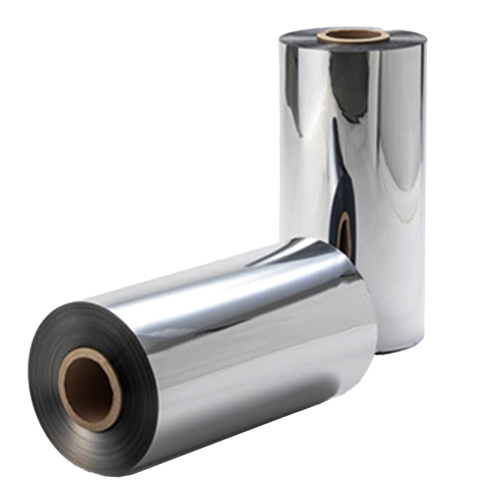
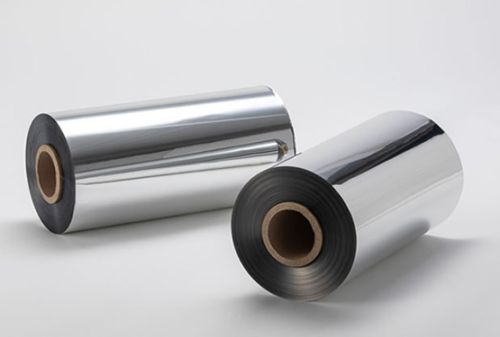
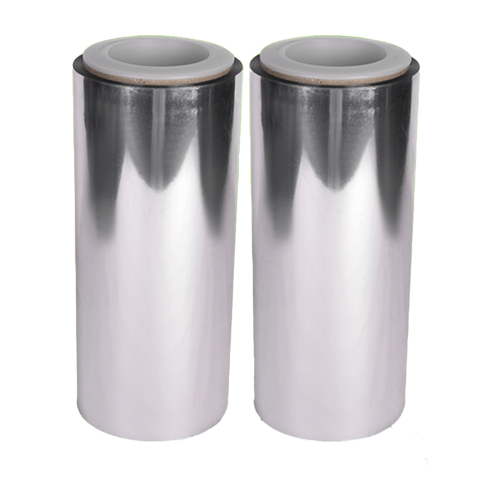
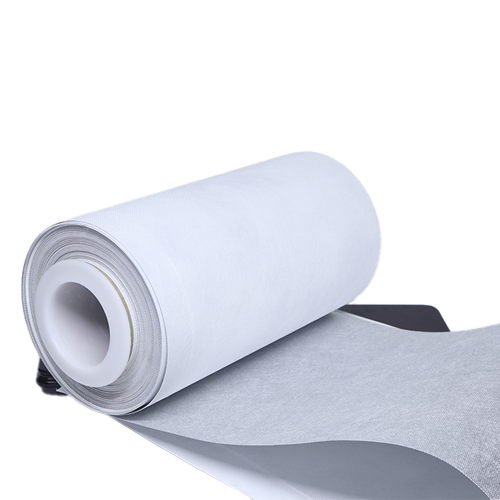
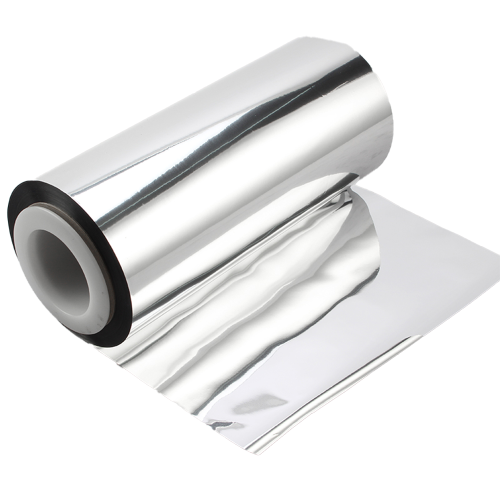
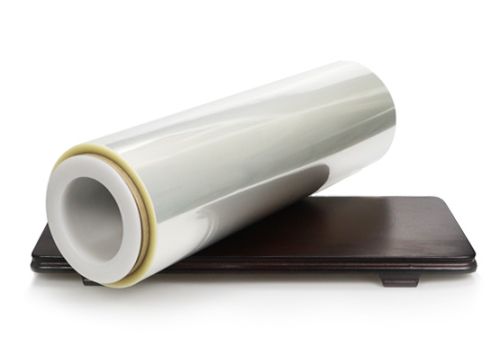
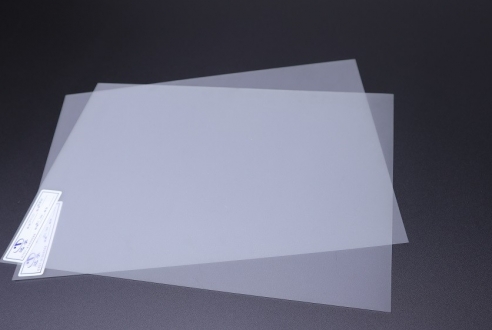
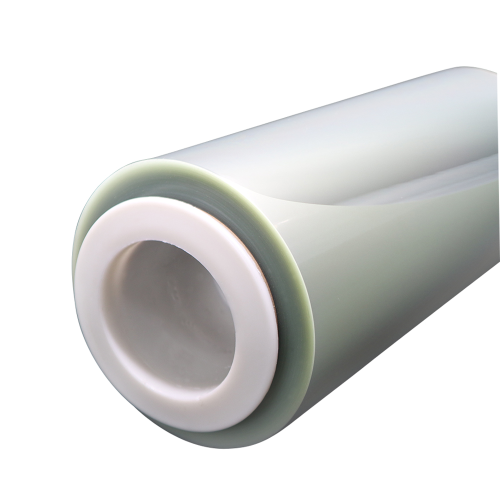
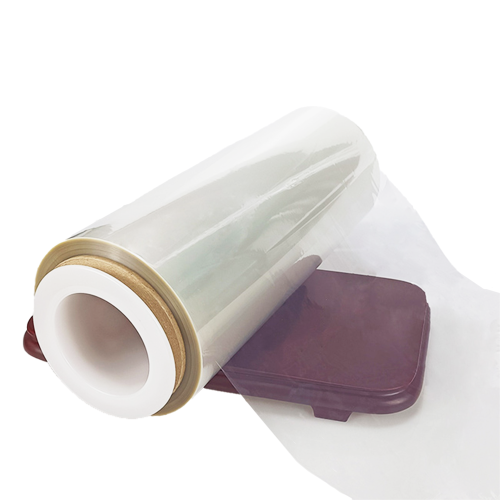
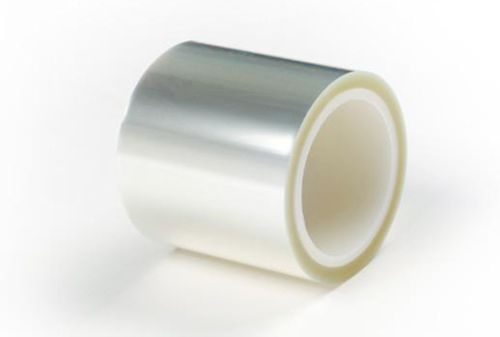
PET SiOx film is a candidate when a tray pack needs a clear view of the contents together with oxygen and moisture protection. However, selecting a transparent barrier web does not determine whether the consumer can peel the lid cleanly. The converter must combine the barrier layer with a sealing construction matched to the tray and the required opening behavior.
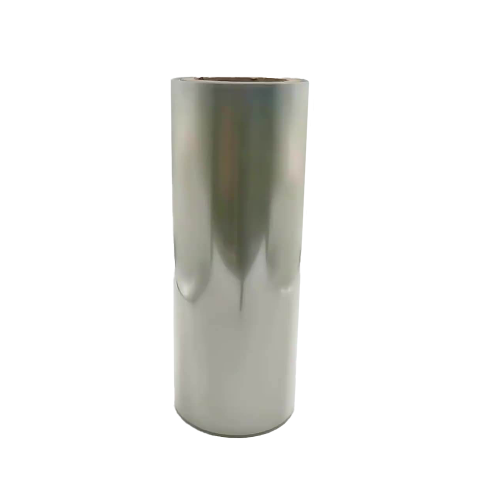
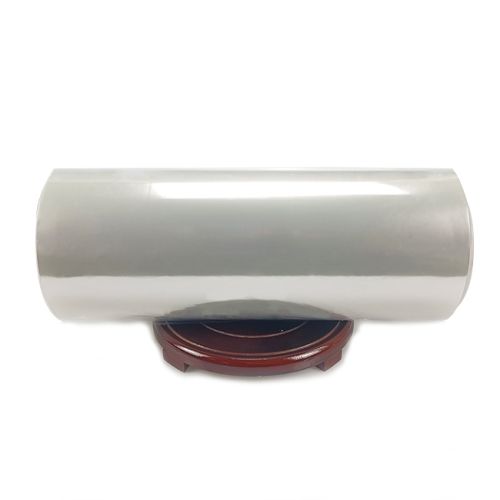
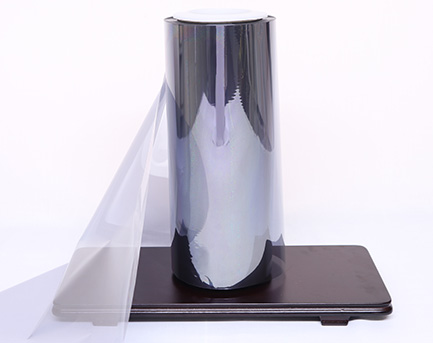
Cailong's film portfolio lists WBP-12RT as a transparent PET SiOx material with a reference thickness of 12.5 µm. Its technical sheet provides optical and transmission data for material evaluation. It does not establish heat-seal performance or an approved easy-peel tray construction. Use the published barrier information to shortlist the web, then develop the sealing interface as a separate part of the project.
Identify the function each layer must perform
Draw the proposed lid from the outer viewing surface to the tray contact face. Identify the print, adhesive, barrier web and sealant wherever present. The PET SiOx layer is being considered for product visibility and protection. Opening behavior depends on the selected construction and its interaction with the tray, including where separation is intended to occur.
Do not assume that a film described as suitable for printing or lamination also seals directly to the tray. Ask the converter to identify the actual sealing face and the compatible tray material. A successful seal between two laboratory strips may not represent a lid sealed to a formed flange with its own surface condition and dimensional variation.
Use barrier values with their original conditions
The WBP-12RT sheet gives typical OTR of 0.32 cc/(m²·day) at 23°C and 0% RH under ASTM D3985. Its typical WVTR is 0.35 g/(m²·day) at 38°C and 90% RH under ASTM F1249. These are flat-film references. They are useful for defining a trial but do not certify the completed tray pack after sealing and handling.
The optical references are 89% transmission and 2% haze under ASTM D1003. Assess the complete printed laminate when visibility matters, because additional materials can change the view. Clear areas should be evaluated with the actual product and lighting. A barrier specification and a transmission value answer different questions, and both may be relevant to the purchase decision.
Decide what a satisfactory opening looks like
Define opening force, continuity of the peel, lid removal and acceptable residue before choosing a sealant. A lid that starts easily but tears halfway across the flange may disappoint the user. Likewise, a low average peel force can conceal a sharp starting peak. Observe the opening sequence and retain the force trace when the selected method provides one.
Record the intended failure location. Separation at the tray interface, cohesive separation within a peelable layer and delamination elsewhere are different events. A weak adhesive bond in the laminate should not be accepted simply because it makes the lid easy to remove. The desired opening path must coexist with adequate integrity before the consumer opens the pack.
Reproduce the tray flange and sealing process
Use production-representative trays, including the flange geometry, surface and support arrangement. Check whether the flange is flat and whether product can enter the sealing region. A locally distorted flange can create an irregular seal even when the sealant itself is appropriate. Identify those conditions before treating variation as a problem with the barrier film.
Run sealing trials within an agreed process window, recording temperature, dwell and pressure. Keep machine settings separate from the conditions actually reached at the sealing interface. The available PET SiOx sheet does not supply a universal sealing recipe. Determine the appropriate window from the sealant, tray and equipment rather than borrowing a temperature from an unrelated barrier-film grade.
Include the storage period before opening
Test opening after the relevant storage and distribution sequence, not only immediately after sealing. The buyer needs the opening behavior at the time of use. Define the sampling intervals and environment, and use separate representative packs where testing is destructive. Record changes in both the starting region and the continuous peel around the flange.
Evaluate chilled conditions if the intended product is sold cold, and keep that condition distinct from an ambient laboratory test. If thermal processing is required, obtain evidence for a suitable complete construction. WBP-12RT's supplied technical data do not establish boiling or retort suitability, so those uses cannot be inferred from its oxygen and moisture transmission results.
Check integrity while the lid remains closed
Choose appropriate seal-integrity and package-protection checks for the intended food and format. Easy opening is only useful if the unopened pack remains protective. Identify leakage or damage around the flange independently of the peel result. A mechanically strong lid can still leak, and a correctly designed peelable seal can remain intact before deliberate opening.
Compare the incumbent lid and candidate transparent laminate using matched tray geometry, fill conditions and handling. If the project replaces an opaque construction, examine light exposure separately. Making the product visible changes the optical environment. Oxygen protection does not by itself show that the food will tolerate the additional light reaching it through the clear window.
Ask for samples that resolve the actual decision
Provide the tray material, flange drawing, product, desired opening style and storage conditions with the sample request. Ask for the complete trial construction rather than the barrier web alone when evaluating consumer opening. Retain material and process identification so an acceptable prototype can be reproduced on the intended line and compared with subsequent production samples.
PET SiOx film can contribute transparency and documented barrier performance to that development. The sealing layer and tray interface must contribute the required closure and opening behavior. Qualifying these roles together gives the buyer a useful basis for considering a transparent lid replacement, with protection and consumer opening assessed on the same finished package.