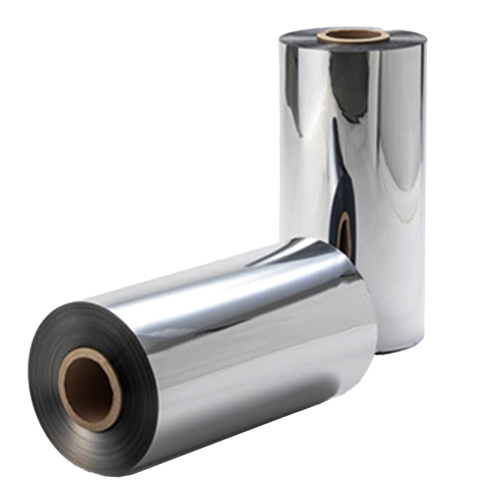
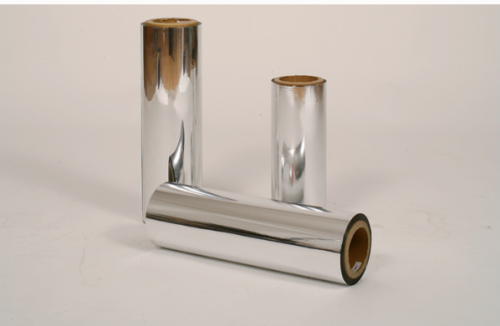
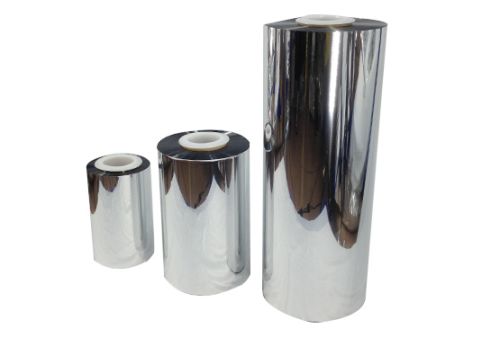
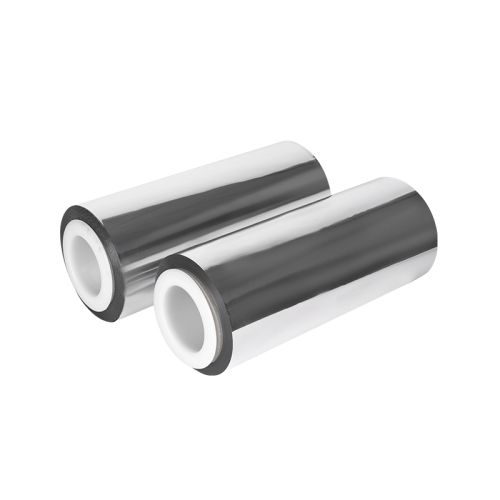
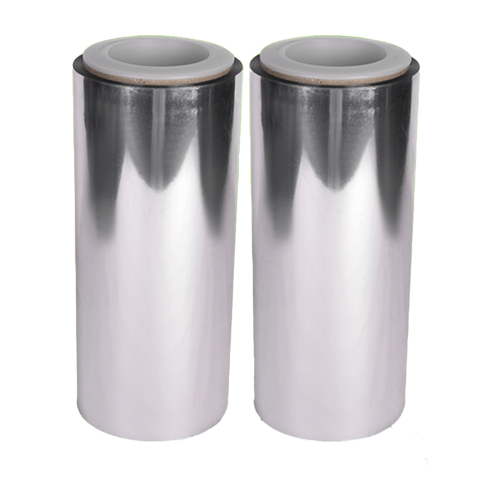
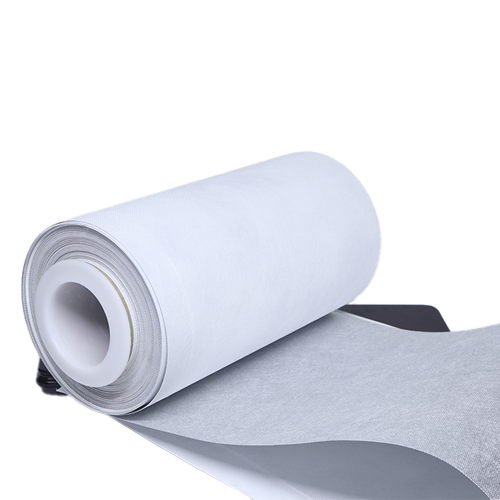
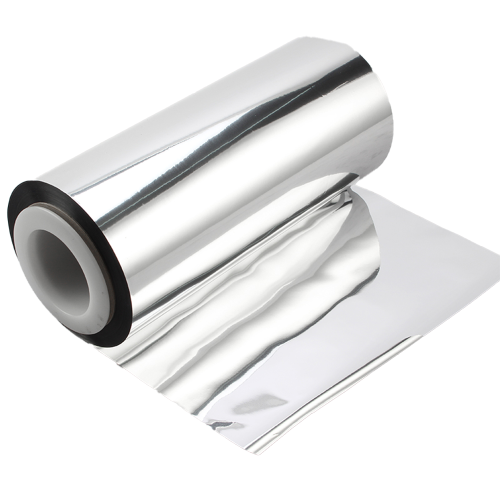
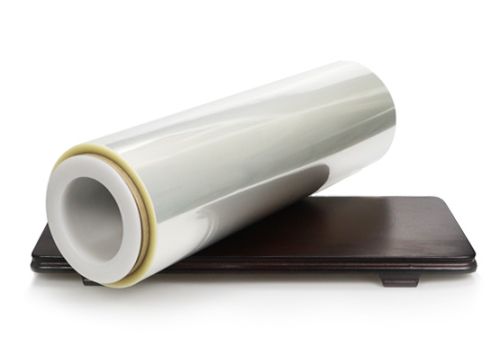
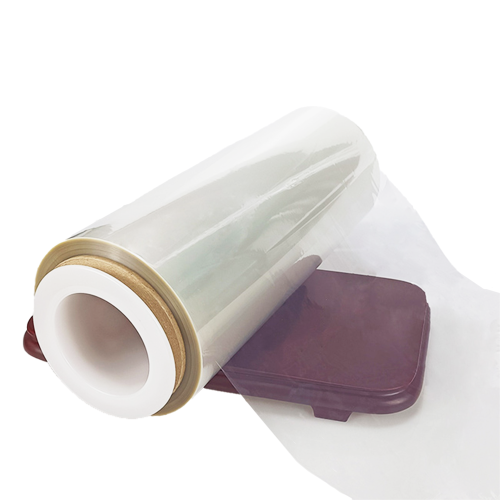
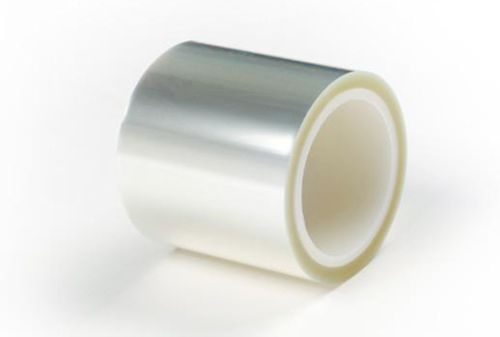
BOPP AlOx film may be selected for a transparent PP-based pouch, yet the retail hang hole introduces a mechanical requirement that an intact-film barrier result cannot answer. A pack can remain sealed after filling and still tear at its display header. The design must carry the filled weight while keeping the punched opening and any growing damage outside the protected product cavity.
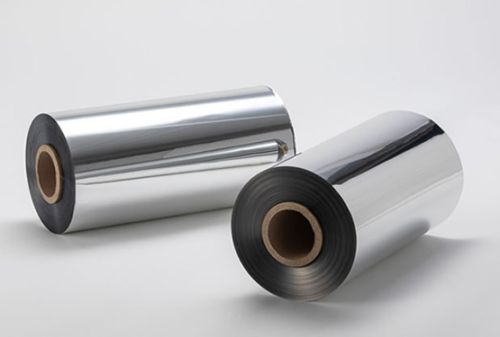
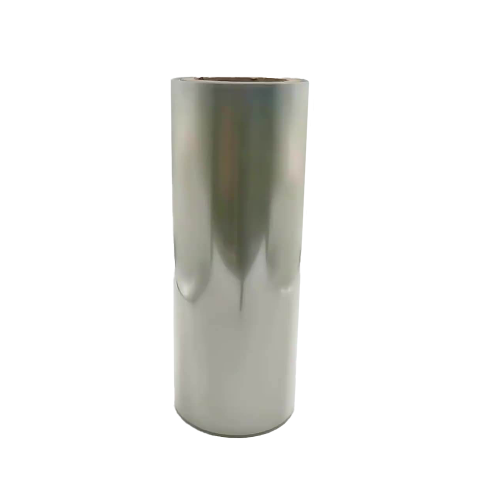
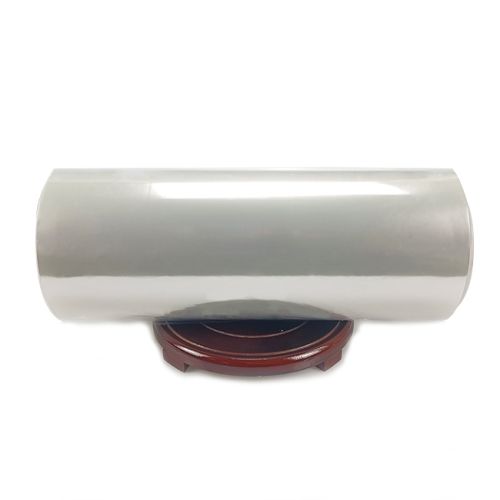
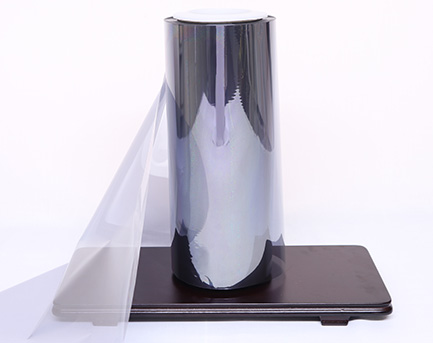
Cailong's film portfolio includes AlOx-coated BOPP for transparent high-barrier packaging. The confirmed structure options on its product page include BOPP / BOPP-AlOx / CPP and BOPP-AlOx / CPP. These provide starting points for PP-based laminate trials. Neither structure is a published guarantee that a particular hole shape, header dimension or retail hook will support the customer's filled pouch.
Draw the load path before selecting a thicker web
Show the hole, top edge, header seal and product cavity on the same drawing. The remaining material around the hole transfers load toward the pouch body. Narrow bridges, sharp transitions and an unevenly filled pack can concentrate that load. Increasing the barrier web thickness without examining this geometry may leave the main cause of tearing unchanged.
Locate the punched opening above a continuous seal separating it from the contents. Confirm the actual seal position and its dimensional variation on production pouches. A hole that intersects the cavity creates an opening irrespective of the film's OTR. A header that looks wide enough on artwork also needs sufficient separation after punching, sealing and trimming tolerances are considered.
Account for the hook as part of the package
Specify the hook or peg used in the target display. Its diameter, contact shape and orientation determine where the hole is supported. A broad laboratory support can distribute force differently from a narrow retail peg. Keep the fixture representative when comparing designs, and record contact details so another laboratory can reproduce the result.
Observe whether the pouch hangs centrally or tilts. Product movement, an asymmetric shape or adjacent packs can change the loading around the opening. The display requirement should include realistic filled mass and how consumers remove the package. A gentle static hang answers a different question from pulling a pack forward against a hook or repeatedly handling its header.
Inspect the punched edge before loading it
Evaluate openings made with production-representative tooling. A nick, incomplete cut or scrap caught near the edge can become the origin of a tear. Inspect both faces and retain samples from different tool positions when the die produces several openings at once. A clean hand-cut prototype does not establish the capability of the production punching operation.
Keep film direction identifiable on the header. Oriented webs can respond differently depending on the direction in which a tear develops. The finished laminate combines more than one layer, so do not predict its tear path from a generic BOPP description. Compare the actual construction and hole orientation using observed damage rather than an assumed preferred direction.
Distinguish slow deformation from immediate tearing
During a suspension trial, record the initial opening shape and its change over the required display period. An elongated hole may still carry weight while reducing the remaining bridge to the top edge. Conversely, a small edge defect can produce rapid tearing without much prior extension. These outcomes need different corrective actions and should not share one vague failure label.
Use the customer's relevant temperature and humidity conditions, including any storage stage before display. Report the exposure duration and observations at defined intervals. The available product information does not set a universal suspension load or display-life limit. Those acceptance criteria must come from the filled-pack requirement and be agreed before a trial is used for approval.
Check the seal below the hole independently
A sound header depends on the laminate and the seal joining it. Observe seal distortion, peeling and any damage that travels downward from the opening. If the top seal begins to separate, determine whether the failure occurs within the sealant, at a laminated interface or through a web. A larger hole reinforcement cannot automatically correct an unsuitable sealing process.
Retain an unpunched control and a punched but unloaded control where useful. Comparing those with loaded specimens helps isolate damage introduced by the punch from damage produced by suspension. If protection is a concern, perform suitable integrity checks on the loaded finished packs. Visual survival at the hook does not establish the condition of every seal or barrier interface.
Review reinforcement against the original material goal
A patch, extra header layer or revised pouch shape may distribute force differently. Treat each as a construction change with its own processing and protection checks. If the project targets a PP-based design, record the composition and mass of any added reinforcement. An improvement in carrying strength should not be described as proven recycling compatibility without evidence for the full package.
Sometimes moving the opening or increasing the header depth is more practical than adding another polymer. Compare the options against pack dimensions, artwork, opening convenience and conversion yield. The purchasing decision should recognize both performance and material usage. A design requiring more trimming or a deeper header can change the amount of material purchased per usable pack.
Define a suspension requirement the converter can reproduce
An effective trial request includes the filled mass, pouch drawing, laminate, hole dimensions, tooling condition, hook geometry and display environment. Identify the failure modes that matter: falling from the peg, visible tearing, excessive hole growth or loss of package integrity. Record results separately so a visually unattractive header is not confused with a breached product cavity.
BOPP AlOx film can then be assessed for its verified role as a transparent barrier layer within the chosen laminate. The header design and converting process must demonstrate the separate ability to support retail display. Combining those two sets of evidence helps the buyer pursue a PP-based package that protects the product and remains serviceable while it is hanging.