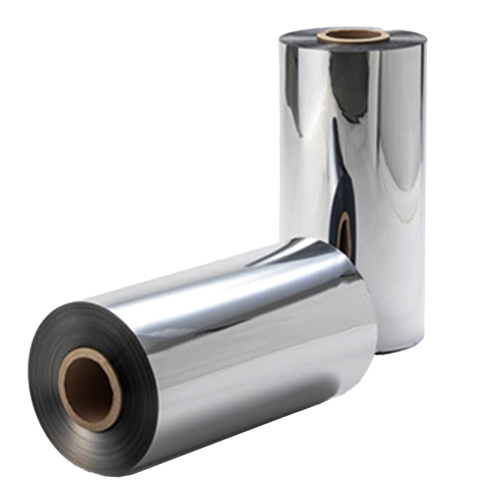
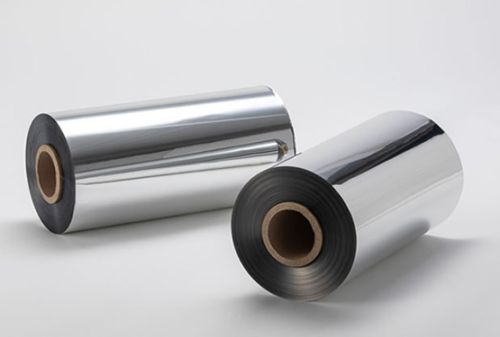
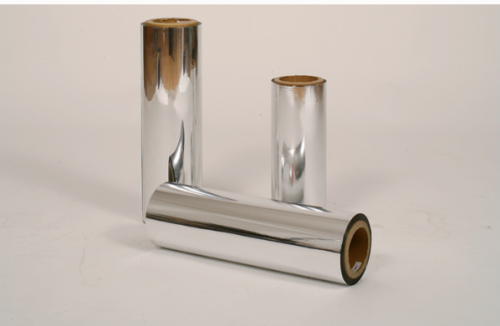
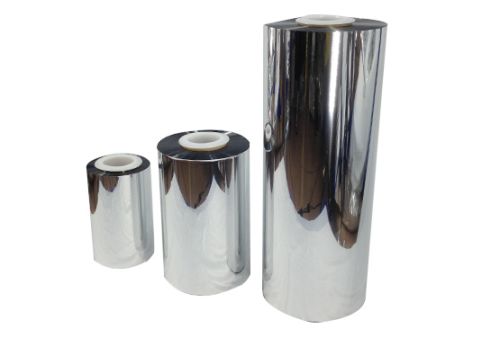
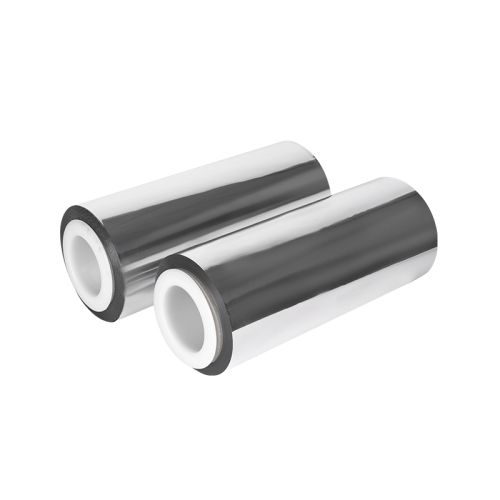
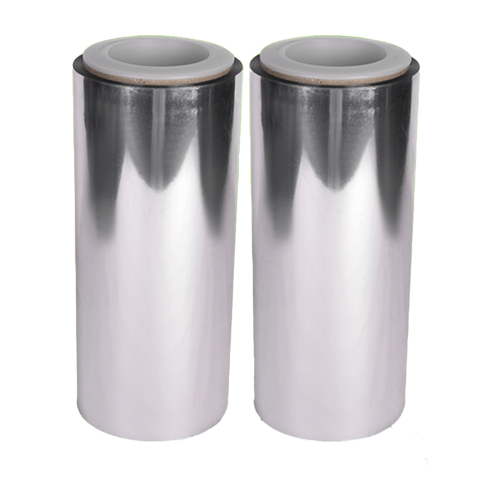
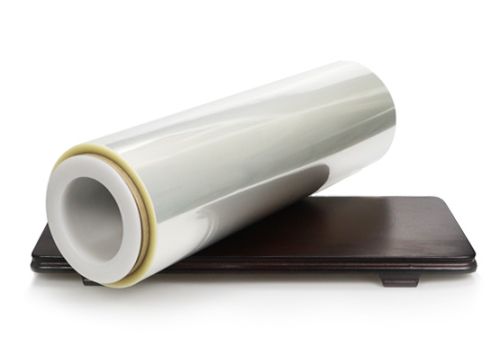
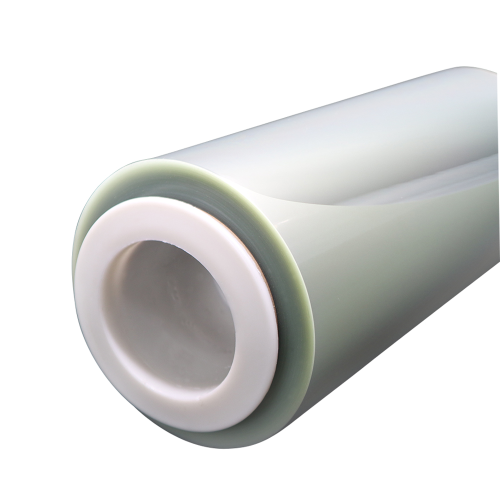
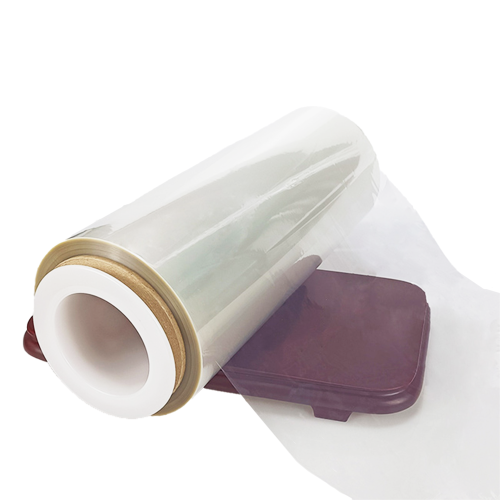
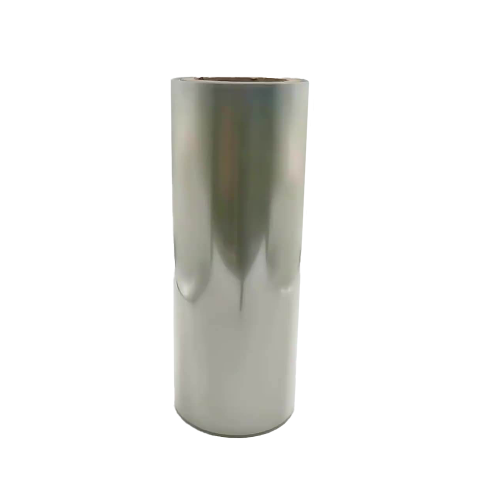
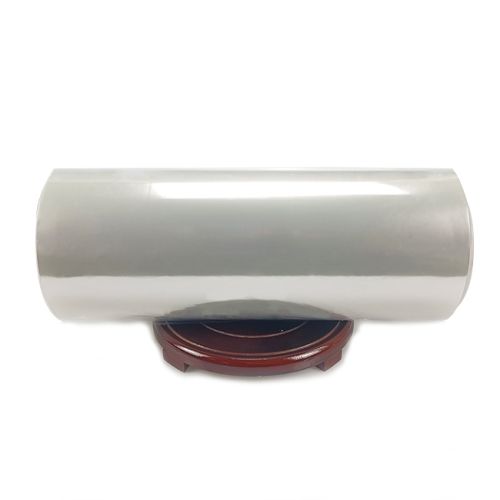
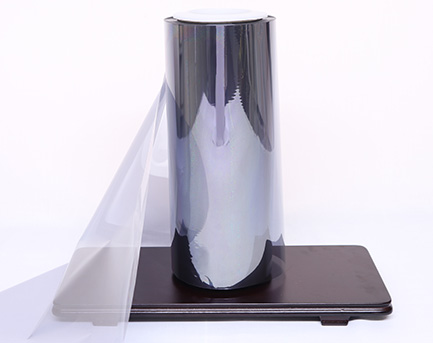
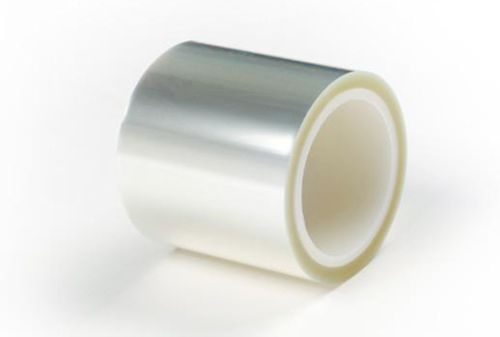
PET AlOx film can help a dry-food pack retain a low-oxygen atmosphere, but the oxygen percentage measured after filling needs careful interpretation. Two pouches can show the same percentage while holding different amounts of gas. A buyer comparing pack sizes or changing a clear barrier laminate should therefore record the free gas volume and sampling time alongside the concentration result.
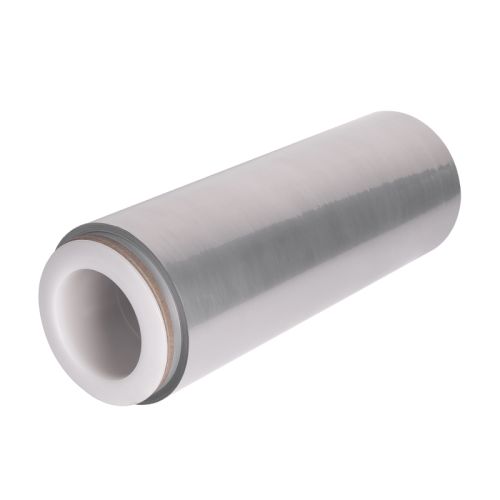
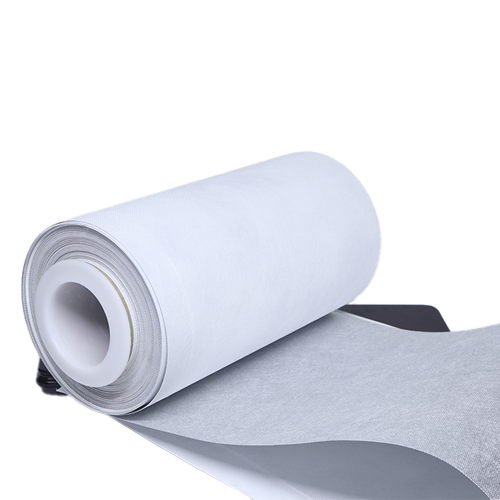
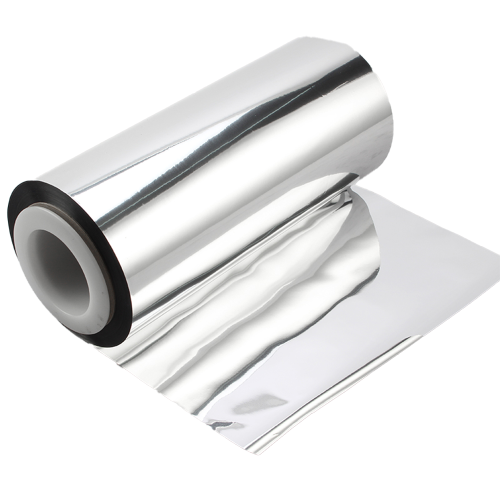
Cailong's film portfolio includes a transparent PET-AlOx-T03 grade with a reference thickness of 12 µm. Its TDS supports oxygen and moisture barrier applications and printing and lamination trials. It expressly excludes boiling and retort use. For an ambient dry-food project, the relevant question is how the converted pouch preserves the intended atmosphere after the filling line has established it.
Separate oxygen percentage from oxygen quantity
A headspace reading expresses the oxygen fraction in the sampled gas. It does not independently state the total amount of oxygen inside the pack. Under the same pressure and temperature, a larger gas space at the same oxygen percentage contains more gaseous oxygen. This distinction matters when comparing a small sachet with a larger pouch or changing the fill level within one design.
For a simple comparison at matched conditions, multiply gas-space volume by oxygen volume fraction to estimate the oxygen volume in that space. State the conditions and assumptions with the calculation. Do not treat the resulting estimate as all oxygen available to the product: trapped gas within particles, oxygen associated with the food and other reservoirs require separate consideration.
The AMETEK MOCON description of package headspace testing identifies oxygen and carbon dioxide percentages as the reported quantities. That is a useful reminder to name the measured variable accurately. A concentration result should not be relabeled as an oxygen transmission rate or a direct measure of the film's barrier specification.
Establish the starting condition at the filler
Measure representative packs soon after sealing using a consistent, documented interval. Keep product dose, pouch dimensions, gas-flushing arrangement and line speed identifiable. A high initial reading can result from air remaining during filling. Moving to a stronger barrier web cannot remove oxygen that was already enclosed, so record this baseline before assessing any increase during storage.
Consider how the product occupies the pouch. A granular food can retain gas between particles, and settling may change the accessible free space. The nominal pouch capacity is consequently not a reliable substitute for measured gas volume. If a project needs an oxygen-quantity comparison, agree on an appropriate volume method and its uncertainty with the testing laboratory.
Avoid collecting results only from easy, steady production. Include the operating situations that matter commercially, such as startup or an approved change in filling speed. Identify those samples rather than averaging them into a single number. This helps the packaging team decide whether variation follows the filling process or appears after otherwise comparable packs have been stored.
Keep sampling from changing the answer
An invasive analyzer removes gas. Confirm that the available sample volume is compatible with the instrument and method, especially for small pouches. Prevent outside air from entering around the sampling point. Use the analyzer supplier's instructions for septa, needles, calibration and any compensation procedure instead of improvising an adjustment based on pouch size alone.
Repeatedly puncturing one package can alter its atmosphere and integrity. Use separate matched packs for destructive time points unless a validated method supports another arrangement. Record when each package was filled, sampled and tested. A reliable trend depends on comparable specimens as well as a stable instrument; extra decimal places cannot correct a changed sampling procedure.
Interpret storage trends with the product present
A stable or declining headspace percentage does not prove that oxygen never entered. The food may consume oxygen, and gas exchange with the product can change the measured composition. Compare the actual food-containing pack with suitable controls selected for the investigation. An empty pouch trial can answer a material question while missing interactions present in the commercial pack.
If the oxygen reading rises, examine seals and package damage as well as the barrier layer. Keep storage temperature, humidity, package area and handling conditions recorded. A headspace trend alone cannot distinguish permeation through intact film from a leakage path. Complementary integrity and transmission tests should be selected according to the suspected mechanism, rather than inferred from the percentage curve.
Evaluate the transparent laminate on its own terms
The T03 TDS lists OTR testing under ASTM D3985, but does not state the test temperature or relative humidity. Request those missing conditions before translating a reference result into a shelf-life model. The intact-film measurement also needs to be distinguished from performance after printing, adhesive application, pouch making and the customer's distribution sequence.
When comparing an opaque incumbent with a transparent PET AlOx option, maintain comparable dimensions, fill conditions and sampling methods. Separately evaluate any change in light exposure. A lower oxygen percentage cannot demonstrate protection from light, and a clear view of the contents does not remove the need to validate the product's quality over its intended storage period.
Make the purchasing decision from matched evidence
Specify the film grade, laminate construction, pouch format, initial residual-oxygen criterion and the storage sampling plan. Report individual readings with the associated free gas volume when that volume is needed for comparison. Keep the product-quality outcome beside the gas data so the team can see whether an observed atmospheric difference has a practical consequence.
This approach gives the buyer a clearer reason to select a barrier material. The filling process establishes the initial atmosphere, while the package must help maintain suitable protection. PET AlOx film becomes a candidate for transparent dry-food packaging when those separate functions have been demonstrated together, with an oxygen measurement that means the same thing across every compared pack.