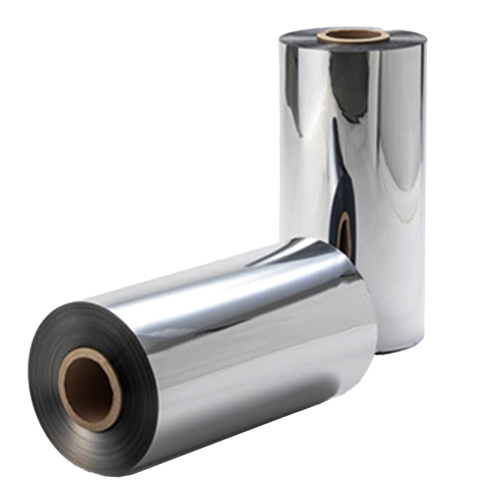
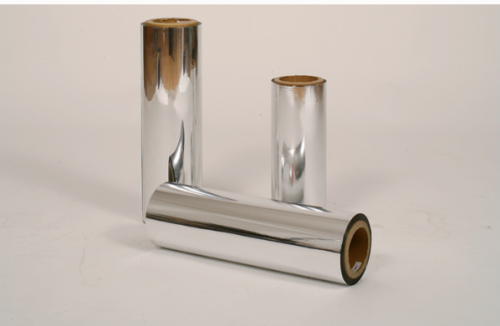
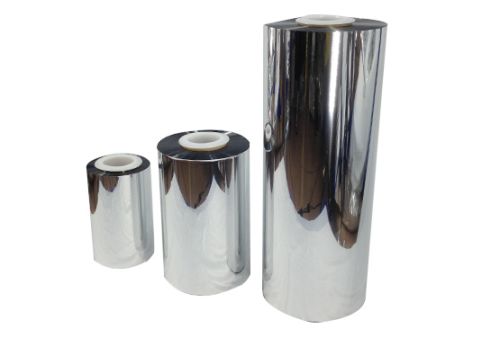
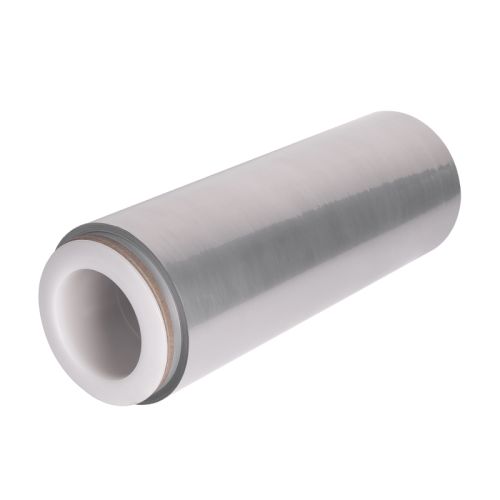
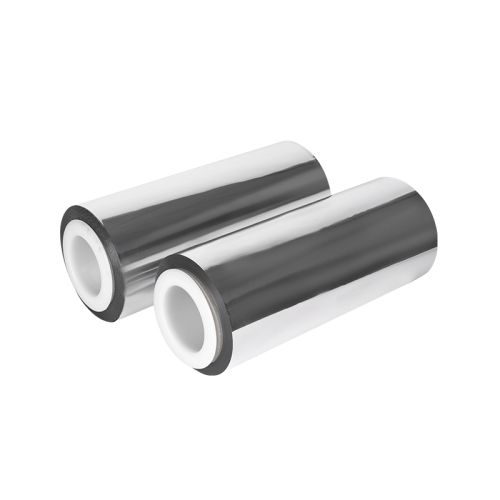
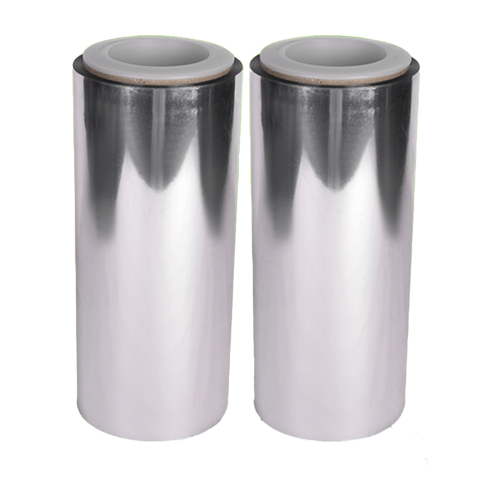
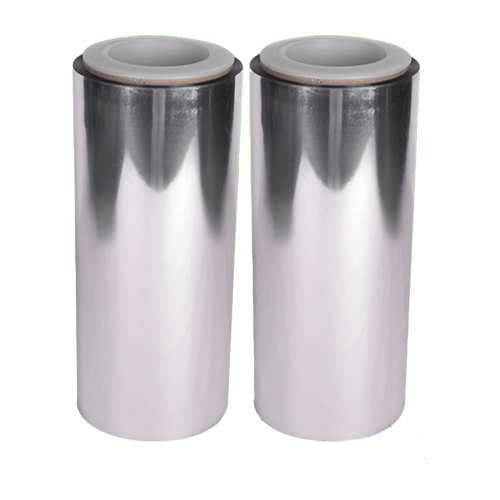
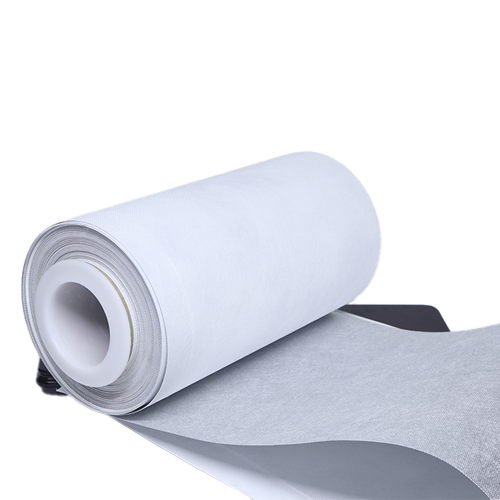
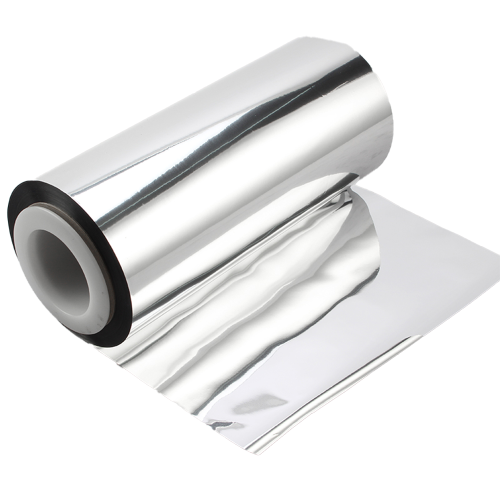
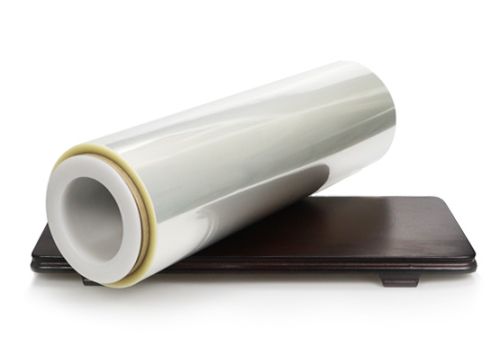
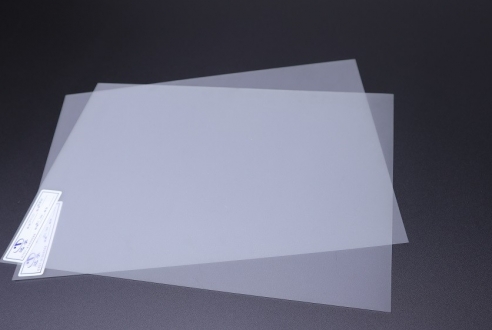
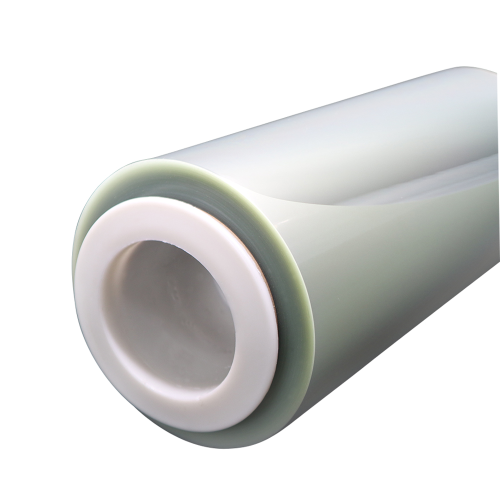
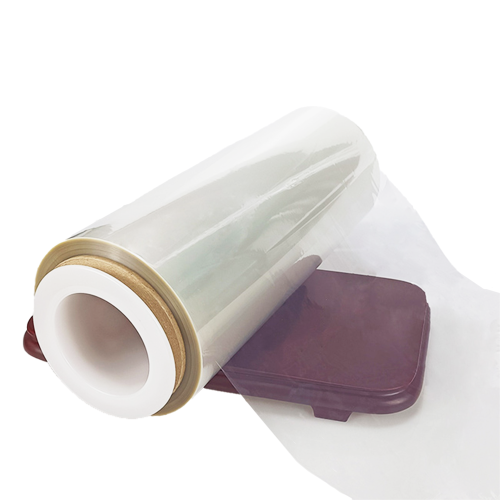
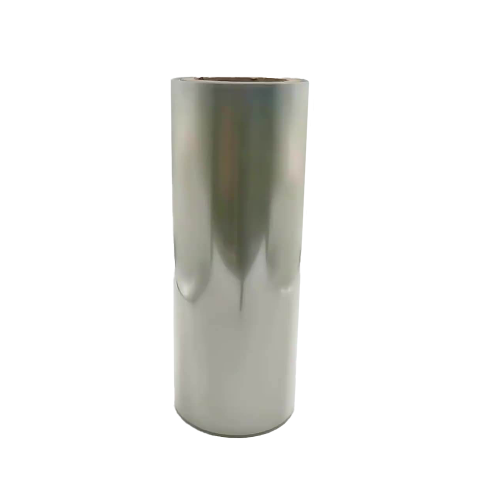
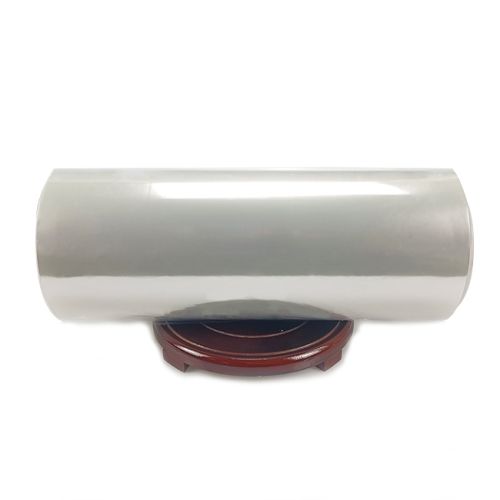
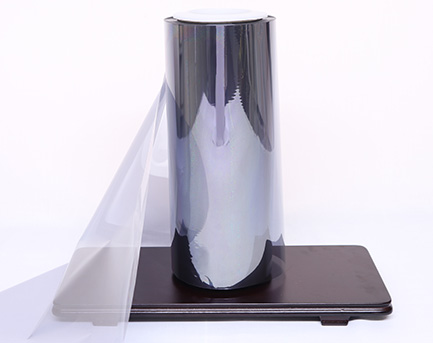
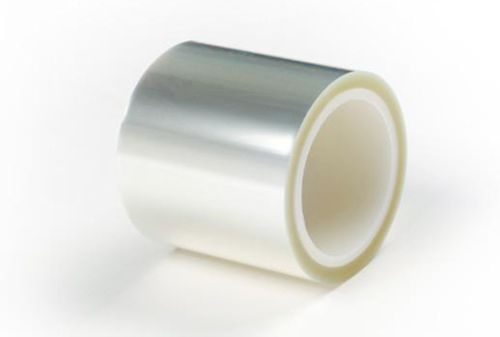
BOPP SiOx film can be selected for a clear retort pouch, but a high or low burst-pressure result cannot be attributed to the barrier web without examining the test. A pouch restrained between plates experiences a different deformation from one allowed to inflate freely. If two laboratories use different fixtures, their readings may answer different questions about the same package. Buyers need the test arrangement alongside the pressure number.
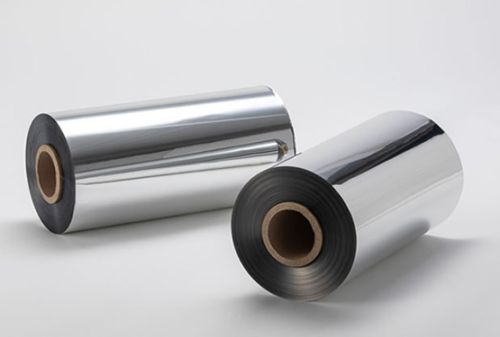
Cailong's film portfolio includes a silicon-oxide-coated BOPP material with a recommended BOPP / BOPP-SiOx / RCPP laminate. The identified reference thermal condition is 121°C for 30 minutes. These details support development of a transparent retort construction. They do not provide a universal burst threshold or qualify every seal design and filling condition made with that material.
Decide which failure the test is meant to investigate
State whether the customer wants to compare perimeter seals, general package resistance or a particular weak region. The selected procedure must be suitable for that objective. A burst test applies internal pressure until a specified endpoint or failure occurs. It is different from a strip peel measurement and does not directly measure oxygen or moisture transmission through the intact laminate.
AMETEK MOCON's restrained and unrestrained burst-test overview describes these as distinct arrangements using internal air pressure. Use the applicable procedure and revision agreed by the testing parties. The overview does not set an acceptance pressure for a Cailong-based pouch, nor does it establish that every package format is interchangeable within a single test setup.
Keep the restraining arrangement in the record
Record the fixture identity, plate spacing and package position required by the method. Restraint limits inflation and affects the stress applied to the package. A different gap or support arrangement can change the result, so pressure values without fixture details are incomplete evidence for a supplier comparison. Avoid correcting one test result to another using an invented conversion factor.
Inspect the pouch after positioning. Seals should not be inadvertently trapped or supported in a way that changes the intended evaluation. Gussets and irregular shapes need particular attention. If the selected fixture cannot accommodate the package correctly, discuss the appropriate method with the laboratory rather than forcing it into a convenient arrangement and treating the result as representative.
Control package dimensions and starting condition
Use identified pouches with the same drawing, seal geometry and laminate construction. Record fill state and conditioning. An empty pouch and a product-filled pouch may have different available gas volume and deformation behavior. Decide which condition the specification requires, then keep it consistent across comparative samples and laboratories.
Where testing follows retort, define the complete thermal and cooling history, including the interval before measurement. A pack examined immediately after processing may differ from one conditioned later. Keep those stages separate in the report. Do not describe a change in pressure after retort as an effect of the SiOx layer alone when sealant, adhesive and the entire package have also been exposed.
Review how pressure is introduced and increased
Document the connection to the pouch and the pressurization settings specified by the chosen procedure. A connection can itself create a weak region if it is made or positioned incorrectly. Check whether failure starts at that location. The laboratory should distinguish a specimen or connection problem from failure of the package feature the customer intended to evaluate.
Retain the pressure record and the endpoint definition. Results from different pressure-rise rates or endpoint logic should not be mixed without a justified method comparison. If a maximum instrument setting is reached without failure, report that condition accurately. It does not provide an exact burst pressure beyond the range actually tested.
Identify the location and mode of failure
Photograph the failed region and classify it using an agreed description. Seal opening, film rupture and laminate separation indicate different limitations. A seal may remain closed while a wall tears elsewhere, which limits what the result proves about seal strength. Conversely, an early seal opening does not demonstrate that the barrier film itself has insufficient mechanical performance.
For gusseted pouches, relate the failure to the local layer transitions and seal geometry. Record whether the same location fails repeatedly or whether results vary around the perimeter. This can guide process investigation more effectively than a mean pressure alone. Keep unusual specimens available for examination rather than discarding the physical evidence after entering a number into a spreadsheet.
Compare replacements with the same test basis
When a transparent SiOx construction replaces another retort laminate, preserve package dimensions, conditioning and fixture conditions in the comparison wherever practical. Explain any necessary differences. A package that resists inflation differently can give a changed reading without a simple material-strength ranking. The decision should use the actual package requirement and the appropriate test interpretation.
Continue to assess seal integrity and relevant barrier retention separately. Passing a burst requirement does not demonstrate the absence of all small leakage paths or prove shelf life. A pouch may also retain barrier in a flat-film test while failing mechanically at a seal. These requirements complement one another and should retain their own acceptance criteria.
Review variation before approving a change
Use a sampling plan suited to the comparison and retain individual results rather than only a batch average. A different failure location or an unusual low result may contain useful information about seal consistency. Include the relevant production lots and processing states in the plan. If a trial changes the laminate or seal settings, identify that revision before combining its results with earlier samples. This keeps a promising development result from becoming an unsupported approval for material or process conditions that were never evaluated.
Make the report useful to production
Include the pouch drawing, laminate identity, process history, fixture details, pressurization procedure and failure photographs with the results. Give Cailong and the converter the complete context when discussing a material or process adjustment. That allows the proposed BOPP SiOx laminate to be assessed as a package system and prevents an unexplained fixture difference from driving an unnecessary material change.