BOPA film can provide puncture resistance and oxygen protection in a transparent pouch, yet a filling trial can fail before those functions are tested. The mouth opens, the product starts to enter and the bottom gusset remains partly folded. Product can then bridge, splash or prevent the bag from standing correctly. The useful investigation starts with how the empty pouch deploys on the filling machine.
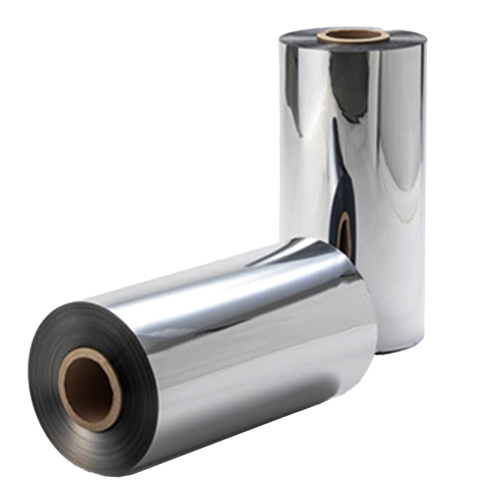
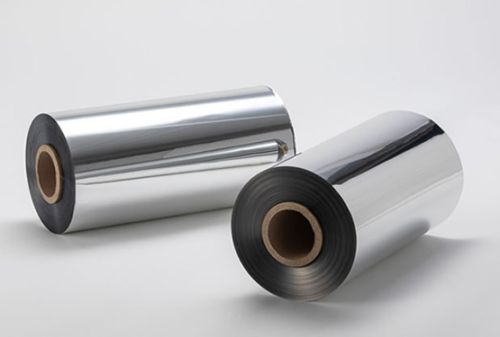
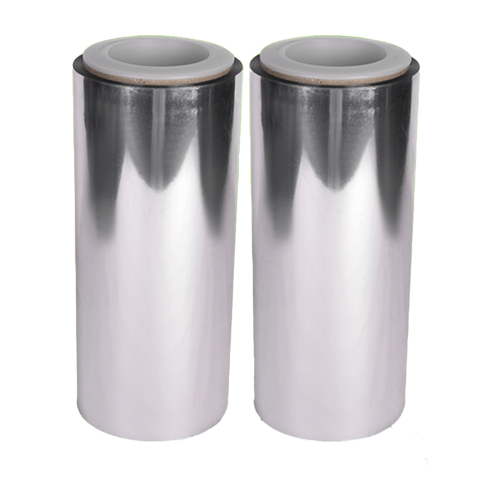
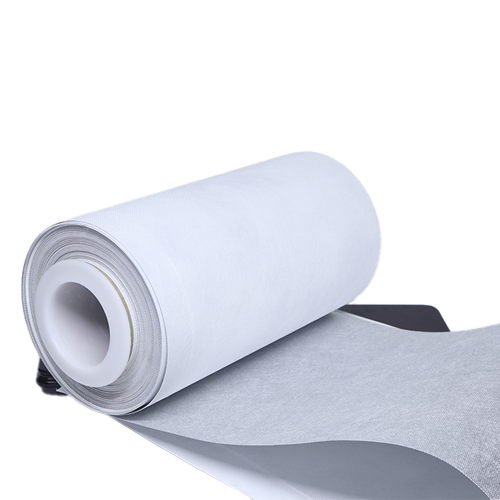
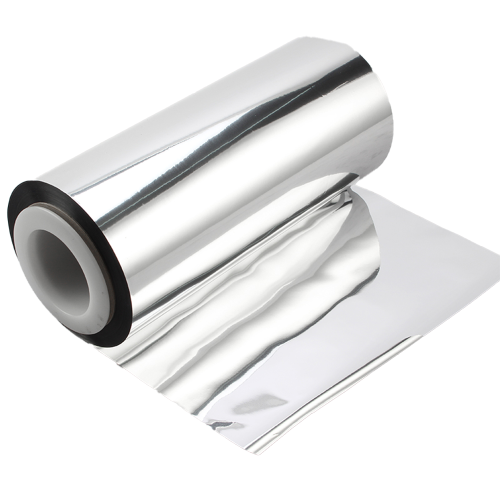
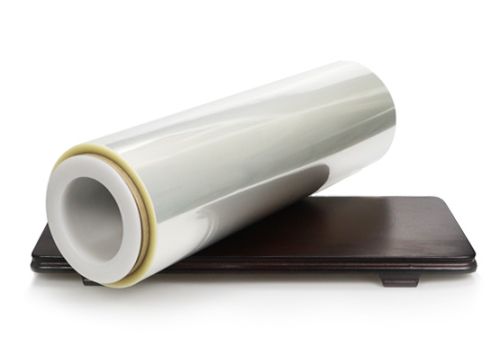
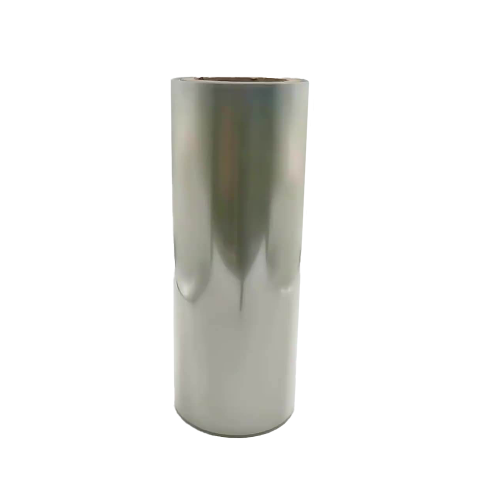
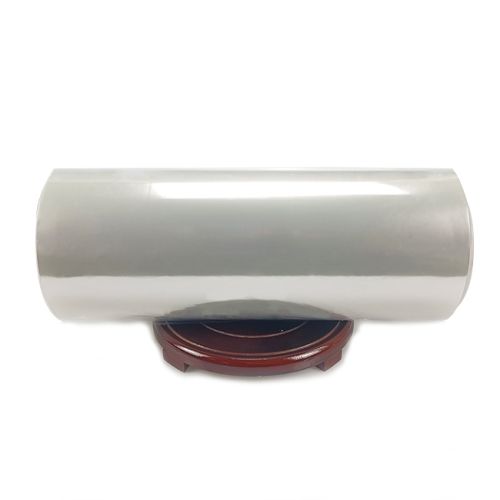
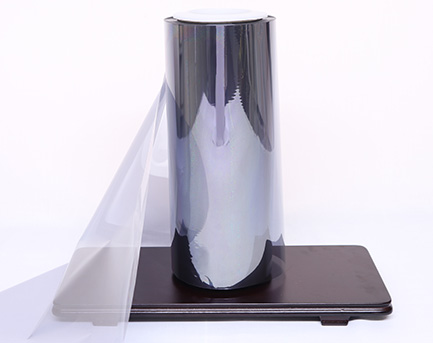
Cailong's film portfolio includes a high-barrier BOPA nylon grade for laminated food-packaging development. Its reference gauge is 15 μm, and the technical sheet identifies a BOPA-CLG//RCP construction. This gives the converter an actual material basis for discussion. It does not establish an automatic opening force, approved gusset depth or guaranteed filling speed for every pouch design made with the film.
Watch the empty pouch before it receives product
Observe the sequence from magazine pickup through mouth opening and bottom deployment. Record the point where the bag stops following the intended shape. A pouch that separates poorly from the stack presents a different problem from one whose mouth opens correctly while its base stays tucked. Video from the relevant station can help distinguish those events without relying on the final filled shape alone.
Compare successful and unsuccessful cycles under the same settings. Note pouch orientation, batch, storage history and visible fold position. Do not conclude that the film is too stiff simply because an operator can open the bag by hand. Manual manipulation can reach into a fold or apply a movement that the production opening mechanism never supplies.
Draw the gusset as a converted structure
Identify the fold depth, seal boundaries, corner transitions and the material thickness at each section. Several layers meet around a folded base, so local geometry differs from the flat front wall. Check whether the actual bag matches the approved drawing. A shifted fold or seal can obstruct movement even when the incoming laminate meets its gauge specification.
Review the complete laminate rather than only the BOPA layer. Outer webs, sealants, adhesive and printing can change the finished pouch's bending response and surface contact. The technical sheet's BOPA reference is one component of that system. It cannot predict the stiffness of an arbitrary multilayer bag or explain a problem caused by a bag-making adjustment.
Separate fold resistance from surfaces sticking together
A gusset may resist deployment because of its bending geometry, while another pouch may have internal surfaces that separate inconsistently. Inspect for local sticking, unintended sealing or other contact marks. Keep the distinction clear because changing the opening mechanism may address one case without correcting the other. Do not assign a blocking cause without examining the surfaces and process history.
Use the intended contact faces in any separation or friction comparison. Printing and coatings can change the outside surface, while the inside normally presents the chosen sealing layer. A bare-film friction number does not describe all those pairs. Record whether the observation concerns starting movement, sliding or release from a local joined region.
Include the actual filling product and delivery path
First assess empty-bag deployment, then repeat with the intended product and discharge arrangement. A filling nozzle or funnel can support one area while restricting another. Product flow, particle shape and delivery position can change how the gusset opens. A favorable empty-bag trial does not establish that the filled package will deploy without interference.
For liquids or particles that can reach the seal region, record contamination as a separate result. A partially opened base may alter the product trajectory even when the pouch accepts the required quantity. Check the final sealing area and package geometry, rather than declaring success solely because the scale shows the correct fill mass after the cycle.
Review the machine settings with a controlled comparison
Work with the equipment team on the opening sequence, gripper arrangement and any air or mechanical assistance used by the machine. Stay within its approved operating procedures. Record the relevant changes individually where practical. Adjusting several timings and guides at once can produce a good cycle without showing which setting made the difference or how to reproduce it reliably.
Include normal pauses and the restart sequence in the trial. Pouches in a magazine can have a different contact history from loose laboratory samples. Record stack loading and the time material remains at the station where these are relevant. The target is a stable production window across ordinary operation, rather than one favorable demonstration after careful manual preparation.
Compare material changes against the original package brief
If a revised laminate is proposed, keep gusset geometry and filling conditions consistent for the initial comparison. Changing the sealant gauge or the outer web can alter opening behavior, but it can also change sealing, mechanical strength and protection. Retain those requirements in the evaluation so an easier-opening bag does not introduce a new distribution or shelf-life problem.
The BOPA TDS describes a retort-related reference construction, but a filling-line trial does not qualify a thermal process. Where the filled pouch will later be retorted, validate that sequence separately with the correct structure and defined cycle. The source does not state the duration for its 121°C reference, so do not infer a complete processing recipe from the listed temperature.
Turn observations into an opening requirement
Define the acceptable deployed shape at the point immediately before discharge. Agree how incomplete opening, spills and operator interventions will be recorded. Keep machine settings, pouch drawing and laminate identity with the trial results. This gives purchasing a useful acceptance basis that is more precise than asking for a bag with better stiffness or better processability.
Send Cailong and the converter samples showing the successful and failed gussets, together with the opening sequence and package drawing. BOPA can then be evaluated for its verified role within a construction that also deploys correctly. The commercial result is a pouch that can be filled consistently while retaining the protection and handling requirements that led to its selection.