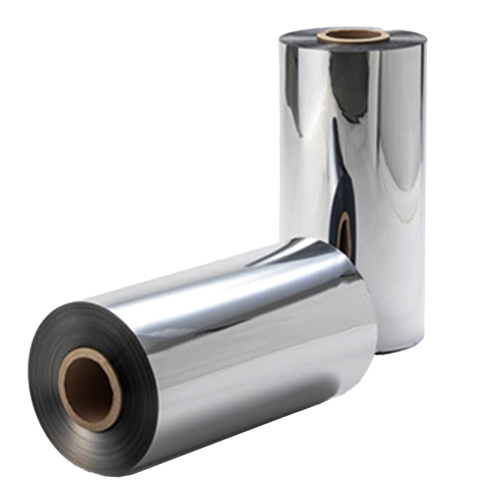
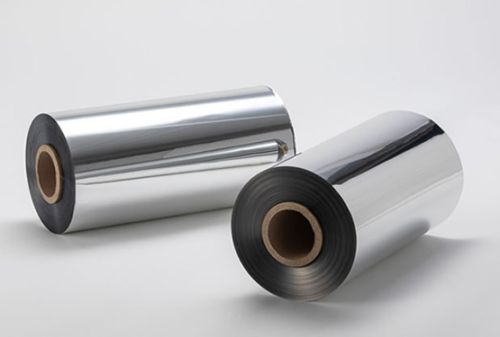
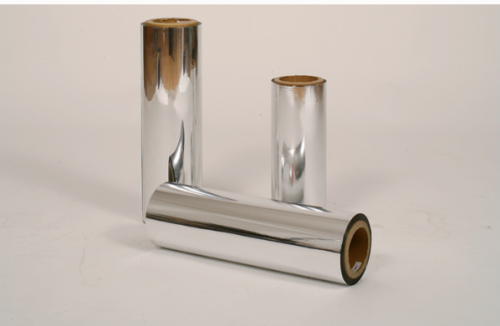
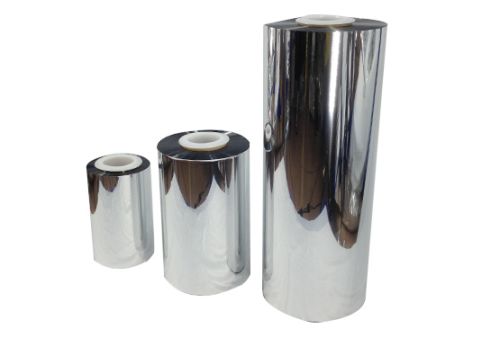
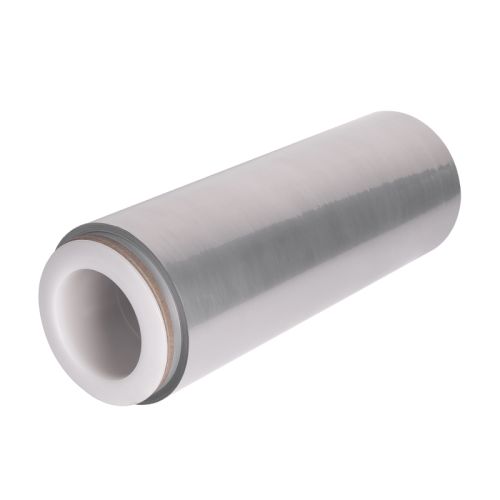
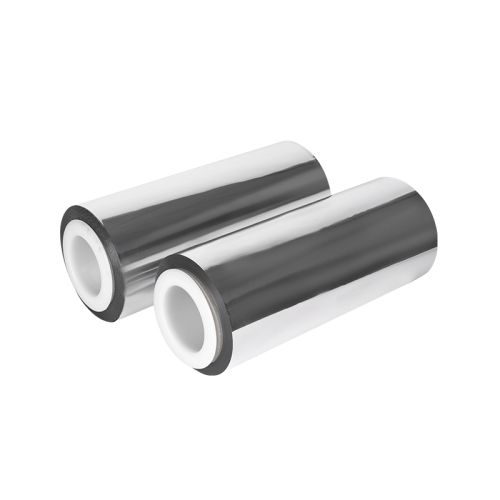
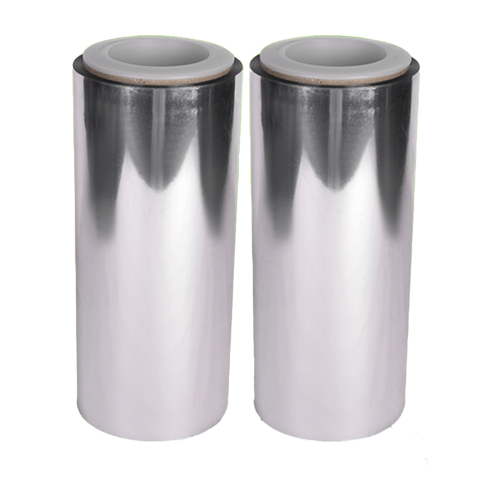
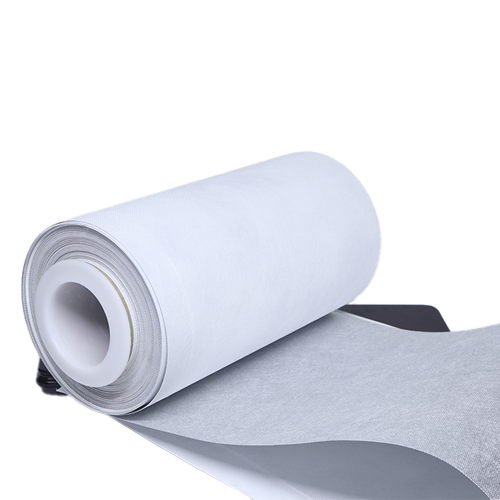
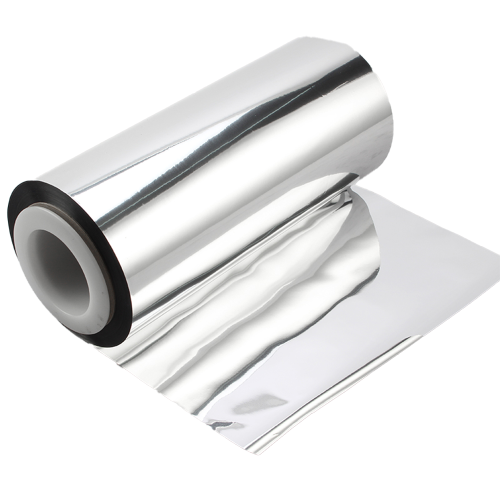
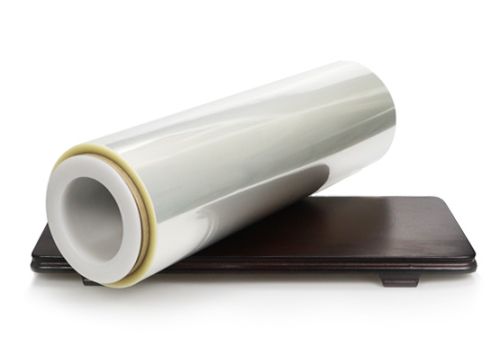
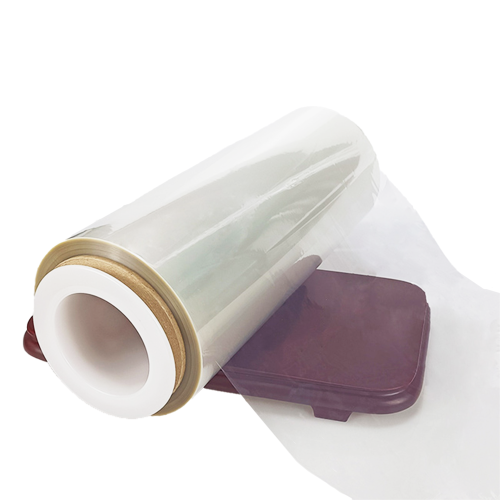
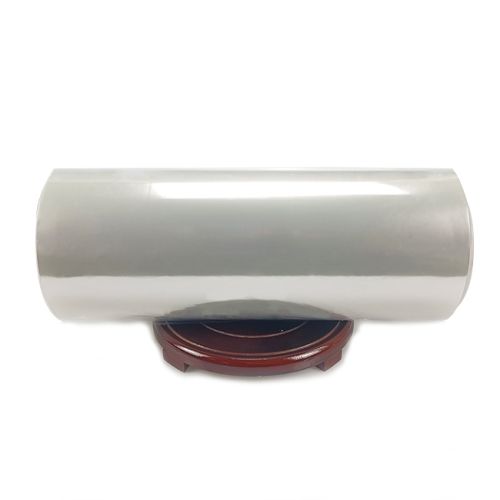
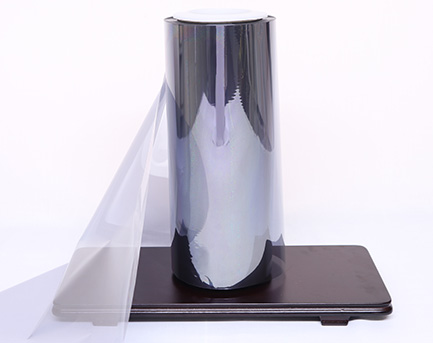
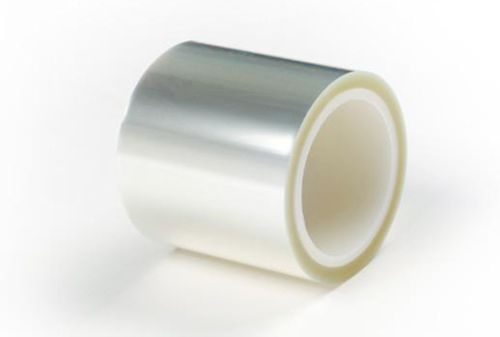
BOPP AlOx film supports PP-based barrier packaging development, but a laminate name does not reveal the polypropylene content of the finished pouch. A drawing may show BOPP, coated BOPP and CPP while omitting the masses of adhesive, ink, coatings and attachments. Buyers reviewing material composition need a complete mass balance before they can describe what proportion of the actual package is PP.
Cailong's film portfolio includes transparent AlOx-coated BOPP for projects combining visibility, barrier and PP-oriented structures. Its use within a PP-based laminate provides a starting point for composition review. However, a list of PP film names does not mean that every gram in a printed and converted version is polypropylene or that the completed pack automatically qualifies for a recycling claim. The remaining constituents still require identification.
Define the package boundary first
State exactly what is included in the calculation. For a primary pouch, this can include the body, bottom or side gussets, zipper, valve, fitment, attached label and other parts supplied with it. Keep secondary cartons outside that calculation unless the assessment specifically includes them. Changing the boundary changes the denominator and can make apparently similar percentages incomparable.
Use the finished package design rather than a flat front-panel drawing. Hidden folds and seal margins still contain material. If several pack sizes share one laminate, their accessory-to-body ratios can differ. Calculate each relevant design, especially where a closure has a nearly fixed mass while the film body becomes smaller. One convenient percentage should not be assigned to an entire size range without checking.
Obtain component masses on a consistent basis
For each film web, use its measured or specified mass per area and the material area consumed in one finished pack. Use dry or retained mass for adhesives and coatings where that is the appropriate final-package basis. Wet application amounts can include carrier liquid that does not remain after processing. Mark the basis of each supplier input so the calculation does not mix unlike quantities.
Where film gauge and density are used to estimate mass, identify the assumptions and units. A chemically coated barrier web can contain more than its PP substrate, so do not allocate its entire estimated mass to PP without composition information. Ask Cailong which constituent data are available for the selected specification and identify any unresolved coating or barrier contribution separately.
Calculate a composition percentage without hiding unknowns
For a defined package, PP mass fraction equals the identified mass of polypropylene divided by total package mass, multiplied by 100. This is a composition calculation. It requires consistent units and a clear allocation of each component. If a closure contains several materials, use its constituent information rather than assigning its full mass to the polymer named on a purchase order.
Keep an unallocated category for missing composition information. Do not silently count unknown adhesive or coating mass as PP. Present the known fraction and the information still required, or an explicitly labeled estimate if the customer permits one. This gives procurement a specific data request and prevents the spreadsheet from showing an unjustified precision that the underlying records cannot support.
Reconcile the result with an actual empty package
Weigh representative complete empty packs under an agreed procedure and compare the result with the component total. Use a balance suitable for the package mass. Remove product and handling contamination without removing intended packaging components. Record variation among specimens rather than treating a single hand-made prototype as the final production mass.
Investigate a material difference between the calculated total and the measured total. Possible explanations include omitted gusset area, retained coatings, accessory mass or an application amount that differs from the input used. Resolve those inputs before reporting the fraction. A calculation that balances only because an unexplained remainder is assigned to PP does not establish the package composition.
Separate composition from recycling compatibility
A high PP share is one input to a packaging assessment. Sorting behavior, other constituents, processing compatibility and the relevant recycling route can still affect the outcome. The RecyClass assessment tool distinguishes weight-based information from design incompatibilities. That distinction is useful here, without assigning a particular classification or claiming approval for the proposed Cailong laminate.
Use the applicable assessment method and current version for the intended market when making a formal claim. Do not invent a universal percentage threshold or treat this mass balance as a recycling certificate. Likewise, an oxide barrier's small mass does not establish that it is irrelevant to every assessment. Retain its identity and amount for the appropriate technical review.
Evaluate redesigns against the full packaging brief
If the non-PP contribution is too high for the customer's design objective, identify which component contributes most. Changing a closure, coating amount or laminate arrangement may have a different effect from reducing a film gauge. Compare the actual mass contributions before choosing a redesign, rather than assuming the largest visible panel is the only part that matters.
Retest the functions affected by a change. A lighter sealant can change package making, and a revised closure can change opening behavior or integrity. Barrier, printing and mechanical requirements remain part of the project. A better composition figure is useful only if the redesigned package still protects the product and runs acceptably through its intended process.
Keep the calculation linked to purchasing changes
Assign the mass balance to a named construction and artwork revision. Record supplier, material identity and the source of each input. Changes to ink coverage, accessories or coating systems can change the result even when the three principal film names remain unchanged. Define how those changes trigger a review so the composition statement continues to match the supplied pack.
Give Cailong and the converter the finished package boundary, current material list and the missing constituent questions. Request the selected BOPP AlOx specification rather than a generic PP declaration. This turns a mono-material objective into a traceable composition review, with a separate pathway for evaluating recycling compatibility and final-package performance.