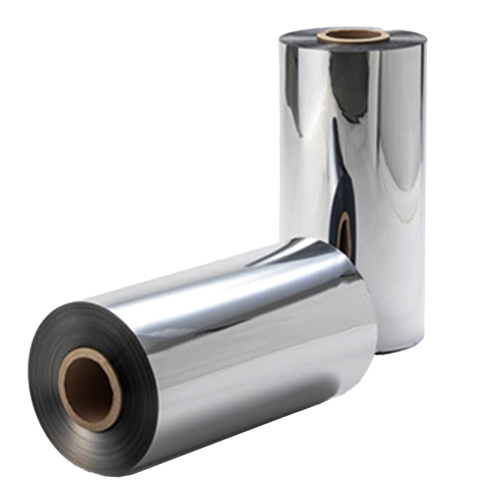
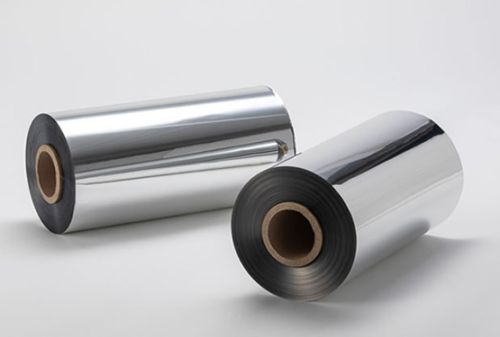
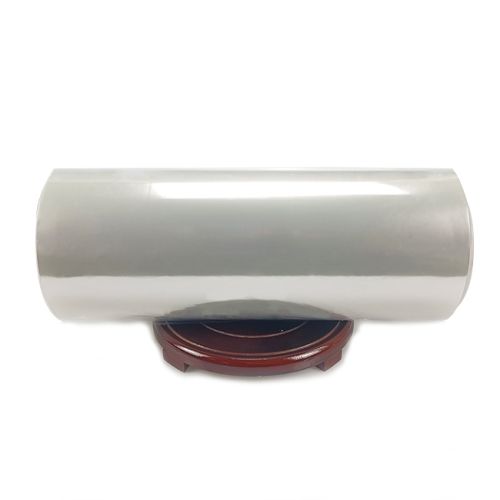
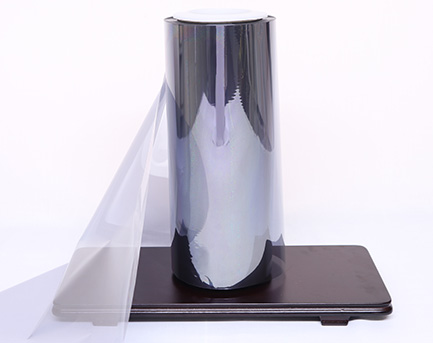
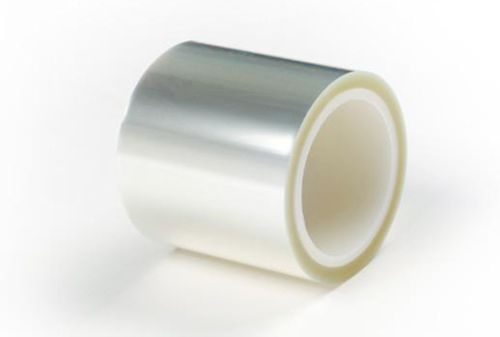
PET AlOx film can provide a transparent barrier layer for dry-food packaging, but an oxygen-barrier target does not settle every odor complaint. A product may acquire an unfamiliar smell while sharing a warehouse, vehicle or display with strongly scented goods. The customer needs to determine whether the odor reached the food through the package, entered through a leak or originated from the packaging itself.
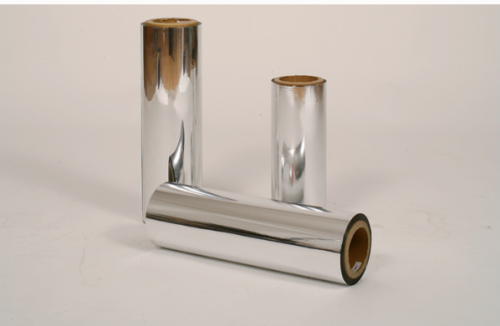
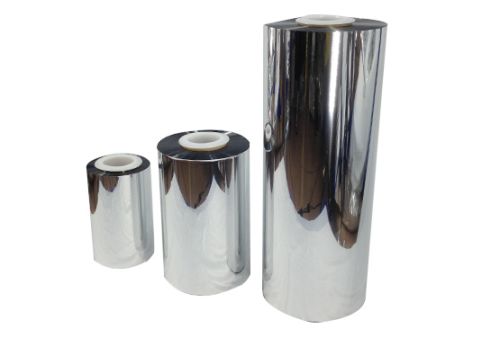
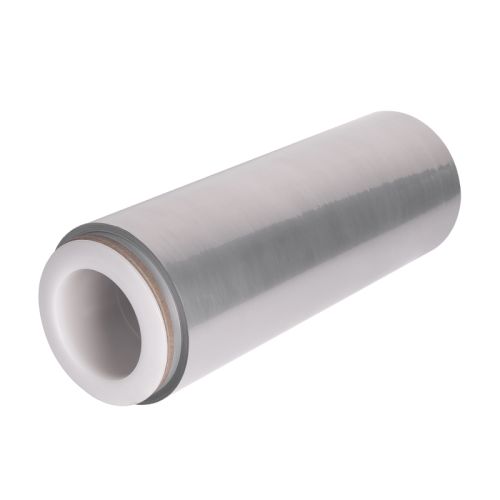
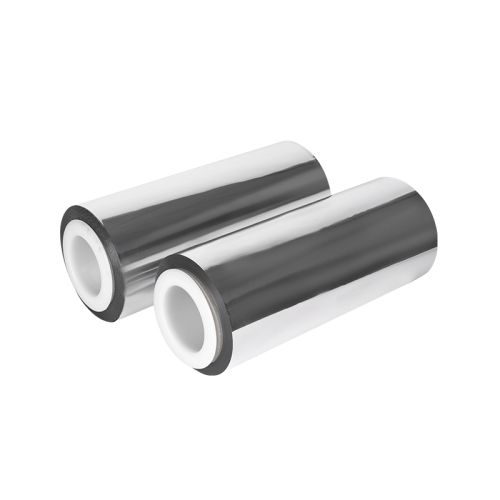
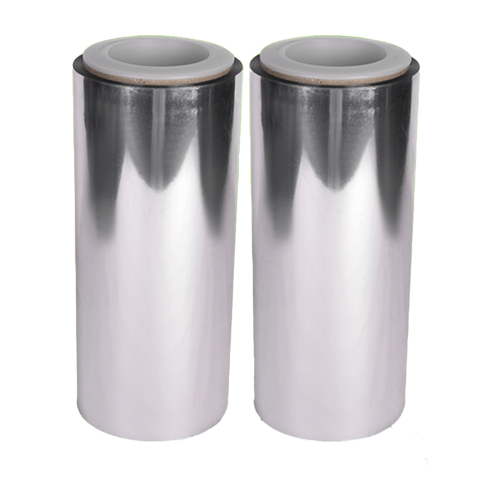
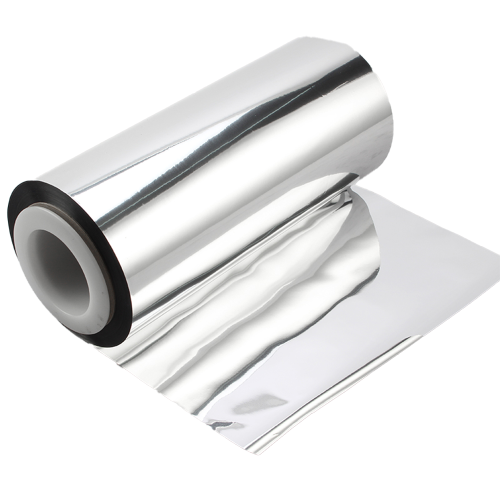
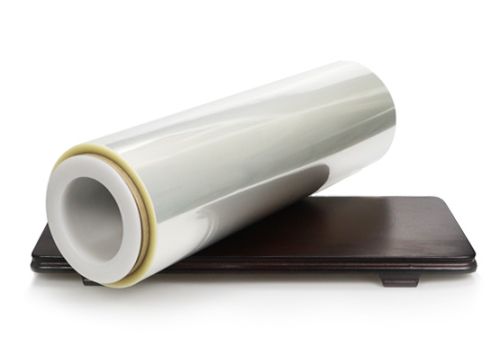
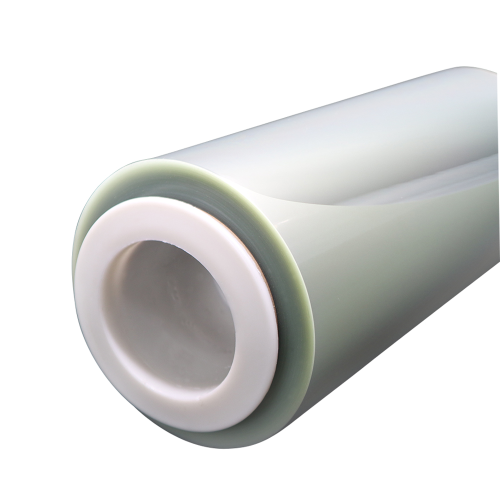
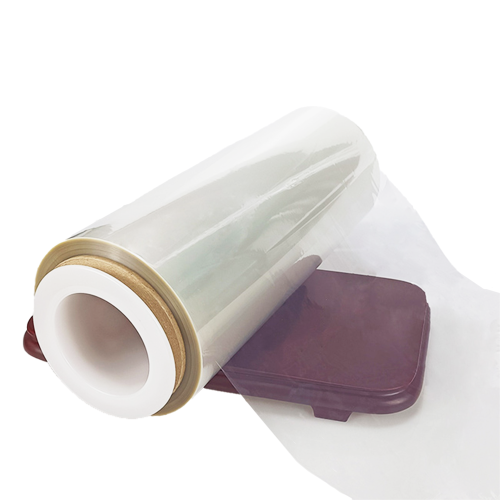
Cailong's film portfolio includes a 12 μm PET AlOx reference grade for transparent laminates. Its listed applications include foods, flavors and fragrances, with printing and lamination among its intended converting processes. That material is a candidate barrier component for an investigation. Its product description does not provide a measured resistance to every volatile substance that may be present in mixed storage.
Establish whether the odor is inside or outside
Begin by separating the outer package surface from the packed food. A strong odor on the pouch can influence the impression when someone opens it, even if the food has not acquired the same substance. Ask an appropriate laboratory or sensory team to define a handling and evaluation procedure that prevents the outside surface from contaminating the sample during opening.
Compare the complaint sample with retained production packs and, where available, material from before the storage exposure. Record whether the unfamiliar odor is found in the film, headspace or product. These observations can guide analysis, but a person's description alone does not identify a chemical or prove its route of entry. Keep the suspected source distinct from a confirmed finding.
Oxygen and aroma measurements answer different questions
OTR describes oxygen transmission under stated conditions. Odorous compounds have different molecular and chemical characteristics, so an OTR result cannot be converted into their transmission rate. A package that protects against oxidation may still require a separate assessment against an external fragrance or another volatile substance. The exposure concentration and the food's sensitivity also matter to the outcome.
AMETEK MOCON's barrier-film quality-control guidance identifies gases, water vapor and aroma compounds as distinct aspects of barrier performance. This supports testing the relevant property rather than using one barrier number for all protection requirements. It does not establish odor-transfer performance for this Cailong grade or for a particular printed laminate.
Reconstruct the mixed-storage exposure
Identify what shared the storage space and how it was packed. Record temperature, duration, ventilation and the arrangement of cases or pallets. A sealed carton containing scented goods presents a different situation from a spilled fragrance product nearby. Include secondary packaging and protective wrapping, since the primary pouch may never have experienced the same exposure as an unboxed laboratory specimen.
Avoid creating an uncontrolled challenge that bears little relationship to distribution. An excessive odor source in a tiny sealed chamber may reveal a material difference without representing the customer's storage conditions. Agree a justified screening exposure and a more representative package trial. Clearly label accelerated comparisons so they are not presented as a validated prediction of commercial shelf life.
Exclude a leak before blaming permeation
Inspect seals, punctures and opening features using methods suited to the package. A small leak can provide a route that differs from transmission through intact film. Compare sealed reference pouches with the suspect construction, keeping the sealing process identifiable. If the package includes a zipper or other feature, evaluate it in the condition used during the storage period.
Film coupons can help compare intact barriers, while complete packages include seams and closures. Use both only where they resolve the question being investigated. An intact-film result should not be used to excuse a failed seal, and a successful leak check should not be treated as proof of resistance to volatile permeation. Preserve those results as separate parts of the investigation.
Check whether the packaging is the odor source
Review printing inks, adhesives, coatings and their drying or cure histories. A smell first noticed after warehousing may still have originated during conversion. Compare an unexposed empty laminate, an unexposed filled pack and the exposed pack under an agreed analytical or sensory protocol. This helps distinguish an outside odor from a packaging-related background that was present before shipment.
Include the existing approved construction if the project involves replacing an opaque metallized laminate with a clear PET AlOx version. The comparison should use equivalent fill, package area and exposure. Transparency is useful for presentation, but it does not prove equal protection against every odor molecule. Material replacement should follow the particular protection requirement identified by the product team.
Keep the selected grade within its process scope
The referenced PET AlOx grade is unsuitable for boiling, pasteurization and retort processing. An odor investigation involving such a process needs a correctly selected material before any barrier comparison is interpreted. Do not heat the reference package beyond its stated scope in an attempt to accelerate the storage test and then describe the result as normal-use performance.
Agree the complete laminate, sealant, product and test conditions with the converter and laboratory. Where analytical measurements are used, identify the target compounds and reporting limits. Where sensory measurements are used, keep the evaluation procedure reproducible. Neither route should be turned into an absolute promise that the package is odor-proof under unspecified conditions.
What should be included in a technical enquiry?
Send Cailong the laminate structure, product type, suspected external source and storage history, together with reference and complaint samples where appropriate. Ask what grade information and trial material are available. The purpose is to establish whether an AlOx-based construction can address the identified exposure, with seals and converting controls evaluated alongside the film.
Define an acceptance criterion before comparing alternatives. It may involve the food's sensory condition, a relevant analytical marker or another customer-approved measure. Keep the commercial consequence visible: the pack must protect the product during the distribution situation it will actually encounter. A documented odor-transfer assessment makes that requirement more useful than a general request for a higher oxygen barrier.