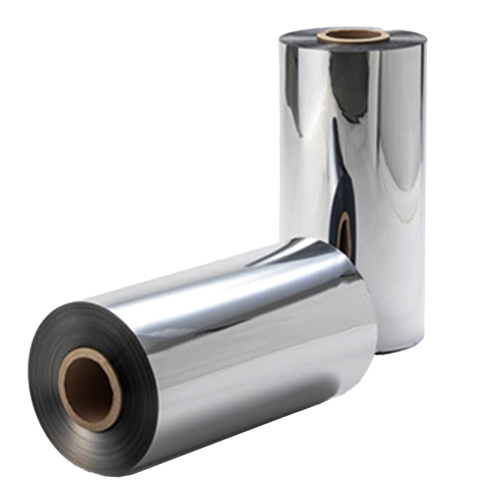
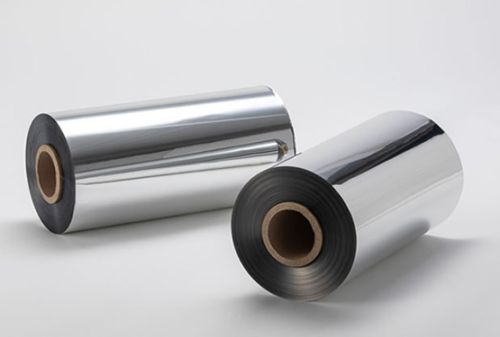
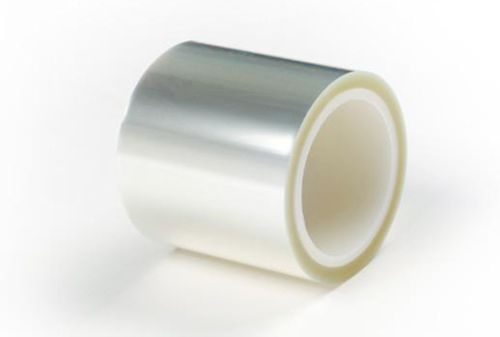
BOPA film may be selected for a transparent retort pouch, yet the finished packs can behave differently on a discharge belt or stacking table. Pouches may cling together, slide unexpectedly or feed inconsistently after cooling. The incoming film's coefficient of friction is only a starting reference. The actual contact surfaces and the condition of the processed package determine which measurement is relevant to that handling problem.
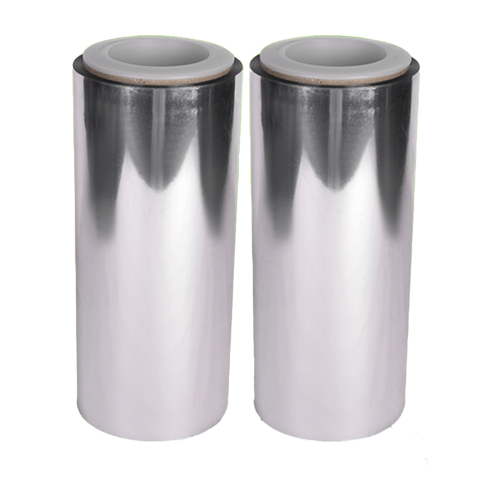
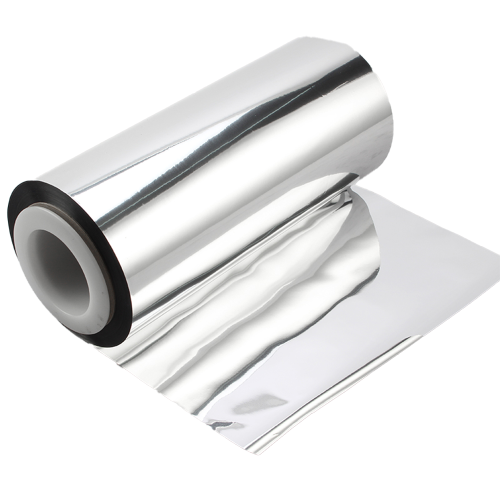
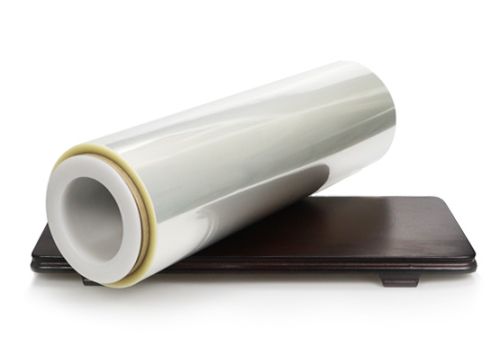
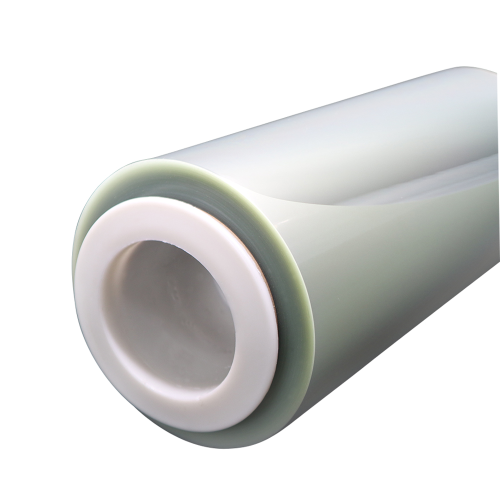
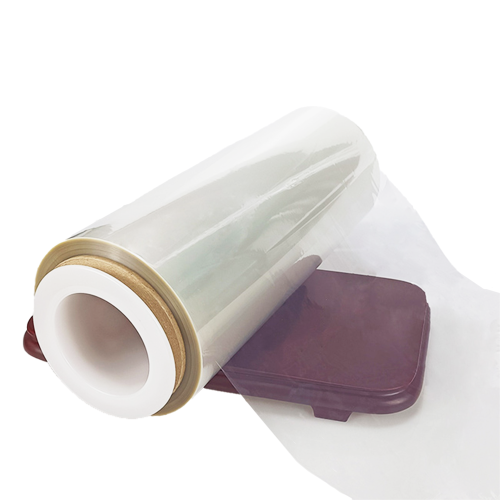
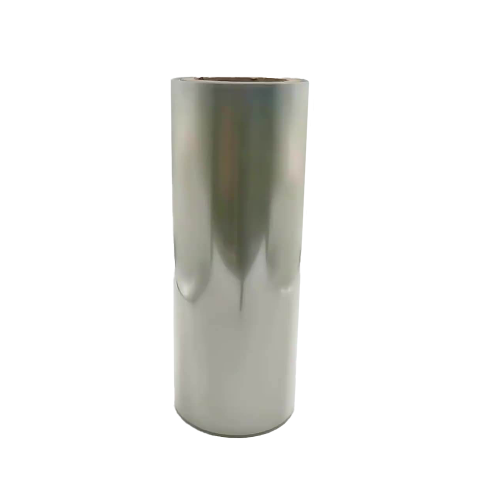
Cailong's film portfolio includes a high-barrier BOPA nylon material intended for laminated packaging involving boiling or retort processing. Its technical sheet identifies a BOPA-CLG//RCP reference construction. That gives converters a specific material system to discuss, while leaving the finished pouch, thermal cycle and downstream handling conditions to be defined for their own line.
Find the surfaces that actually touch
Draw the laminate from the outside of the pouch to the food-contact side. If BOPA forms the outer surface, it may contact another pouch, a belt or a guide. If printing or a protective coating covers that surface, the contact is different again. A friction value measured on bare BOPA cannot describe every combination of these surfaces.
Also identify the two contacting sides in a stack. Front-to-back contact may involve different print coverage, varnish or surface texture from front-to-front contact. Metal guides and polymer belts introduce further pairs. Record the surface pair next to every result rather than assigning one coefficient to the entire package and assuming it applies throughout the line.
Read the original film reference accurately
The BOPA TDS lists non-functional-side friction under GB/T 10006. Its reference static coefficient is 0.32 and its dynamic coefficient is 0.30. These are dimensionless values. The listing does not establish coefficients for a printed pouch after retort, for a wet belt or for a particular conveyor material. Confirm the counterface and specimen conditioning when requesting comparable incoming-film data.
Static friction concerns the initiation of movement, whereas dynamic friction describes resistance once surfaces are sliding. A pouch can therefore hesitate when a stack starts moving and then slide differently after motion begins. Report both observations where relevant. Neither figure, by itself, describes a package accelerating through a transfer or tipping from one conveyor to another.
Separate thermal exposure from surface moisture
Build a comparison that includes unprocessed laminate and the same construction after the intended retort cycle. Examine the retorted samples in the condition where the problem occurs, then after a defined drying and conditioning step. Condensation or residual cooling water can change the contact situation. A dry laboratory specimen may overlook a production problem occurring immediately after the cooler.
Keep the temperature, elapsed time and drying procedure identifiable. Do not conclude that heat permanently changed the film when the observed difference disappears after the contact surface dries. Conversely, do not dismiss a persistent handling change as moisture without checking it. Printing, coating, adhesive and sealant components have their own exposure histories within the finished laminate.
Use the actual package shape in a handling trial
A flat film coupon supports a controlled comparison, but filled pouches create changing contact areas. Product distribution, wrinkles and seal margins determine where the pack rests. A curved face may touch a belt along only a small area. Compare packages with the intended fill mass, dimensions and orientation so that the trial reproduces those mechanical conditions.
Observe transfers individually. Note whether difficulty starts when pouches separate, change direction, accumulate or enter a carton. Film-to-film sliding in a laboratory does not directly reproduce every transfer. Record line settings and belt condition alongside the package observations, especially when several surfaces or speed changes are involved between cooling and packing.
Avoid fixing conveyance by changing the barrier blindly
Increasing slip may improve one transfer but reduce stack stability elsewhere. A new outer coating could affect printing, adhesion or handling during conversion. Before changing the barrier material, identify the location and contact pair responsible for the failure. A belt, guide, drying stage or accumulation setting may deserve review alongside material options.
If the outer surface does change, reassess the functions that surface must deliver. Compare print appearance, coating adhesion and relevant package performance as well as friction. The objective is a workable handling range for the line. The lowest possible coefficient is not automatically the most useful choice for pouches that must also remain stable during stacking and cartoning.
Keep retort claims attached to their reference structure
The BOPA reference film is 15 μm thick, and the source identifies testing at 121°C in the specified laminate. The retort duration is not given. That information cannot qualify an arbitrary cycle or prove friction retention. Agree the actual time, temperature, pressure profile and cooling procedure with the relevant process specialists before making trial packages.
Barrier results and friction results answer different questions. A laminate could retain an acceptable oxygen barrier while handling poorly on the packing line. It could also move smoothly while suffering a separate seal or barrier defect. Keep those acceptance criteria separate so that a successful conveyor test does not unintentionally approve the rest of the package.
Retain a reference belt or counterface specimen when the handling trial depends on its condition. Cleaning, wear and replacement of the conveyor surface can change the comparison even when pouch construction is stable. Agree how those conditions are documented during qualification and subsequent troubleshooting. This helps the packing team distinguish a packaging-material change from a change in the equipment that contacts the package.
What belongs in the sample request?
Specify the laminate arrangement, exposed pouch surfaces, printing or coating, fill condition and retort sequence. Describe the exact transfer that causes difficulty and provide a comparison pack that runs acceptably. Ask for incoming friction information with its test details, then establish the processed-package handling requirement. This gives the converter a defined trial that connects BOPA selection to the customer's actual packing operation.