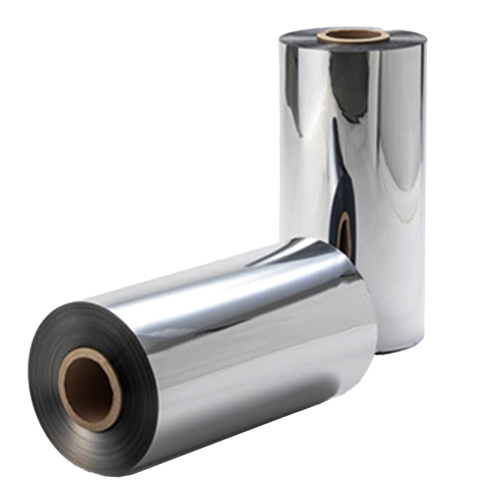
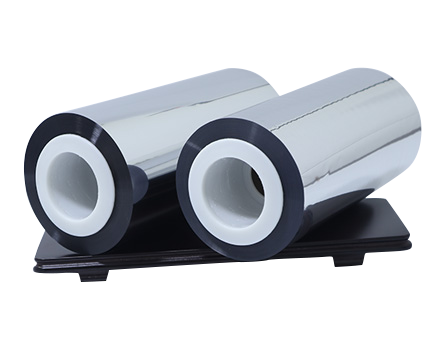
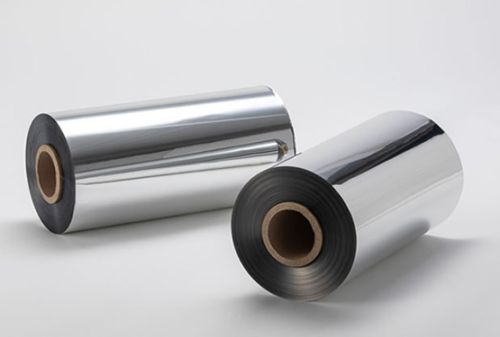
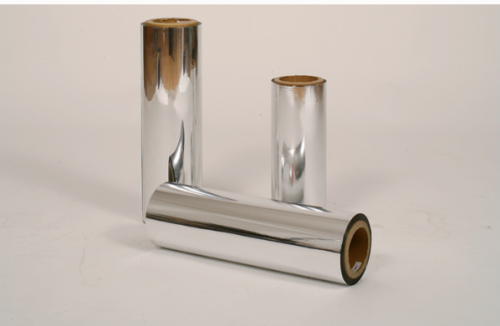
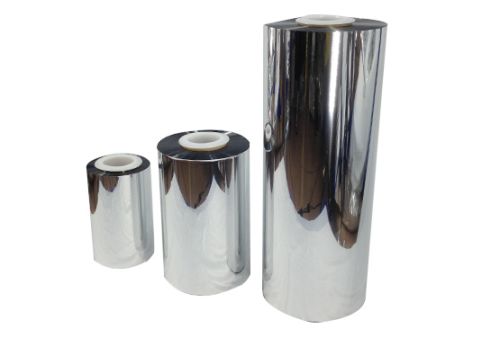
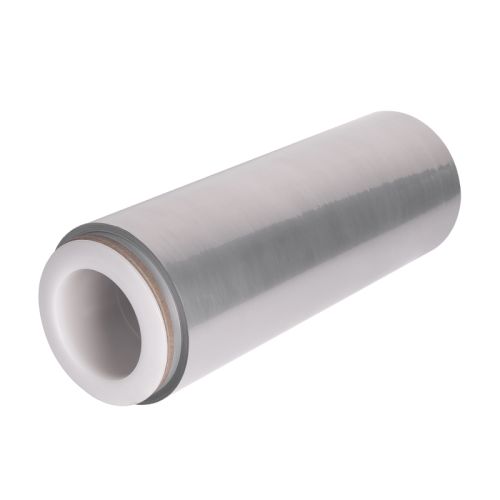
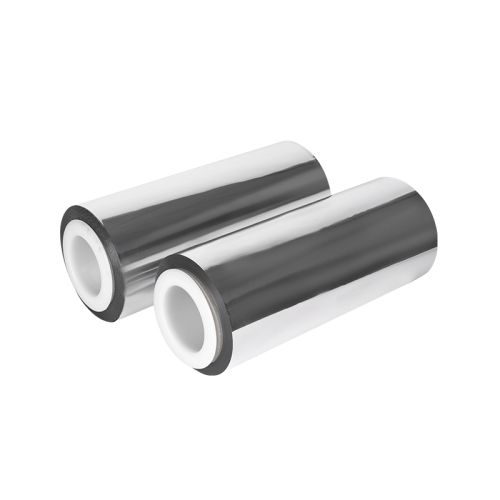
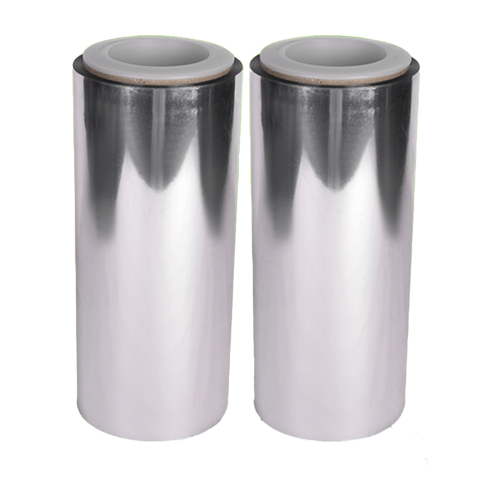
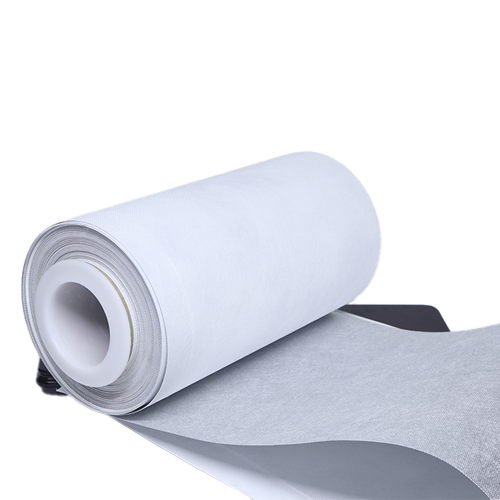
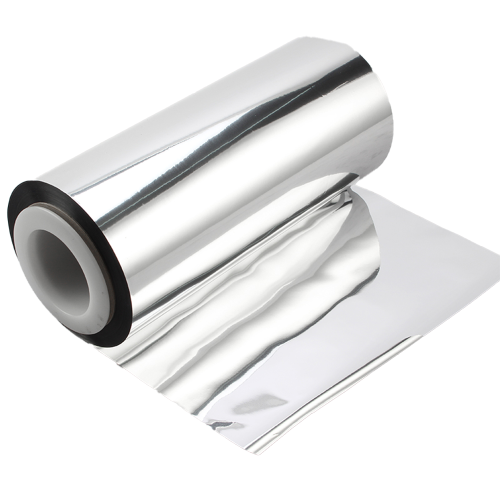
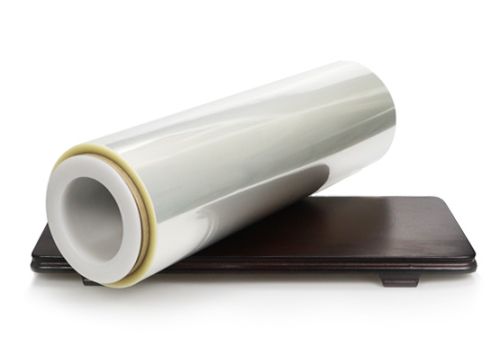
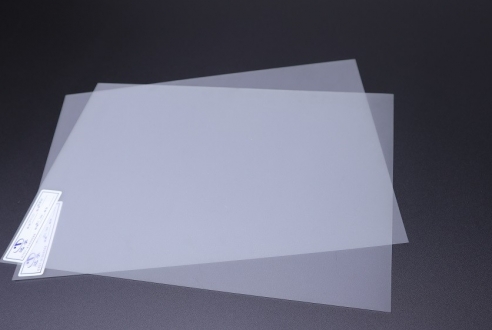
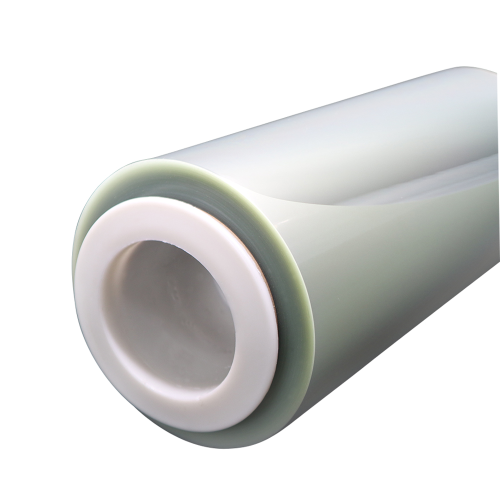
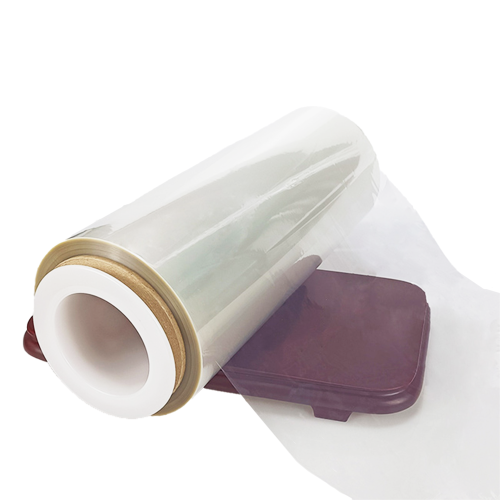
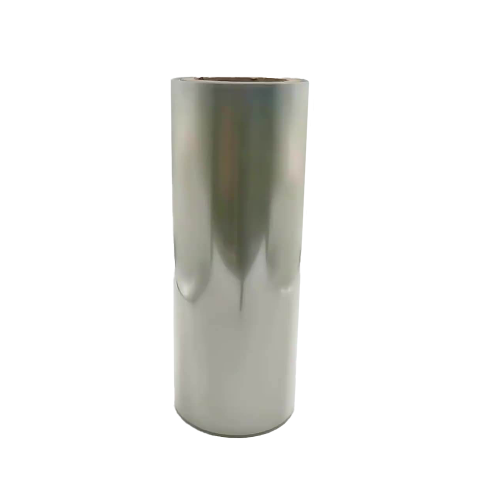
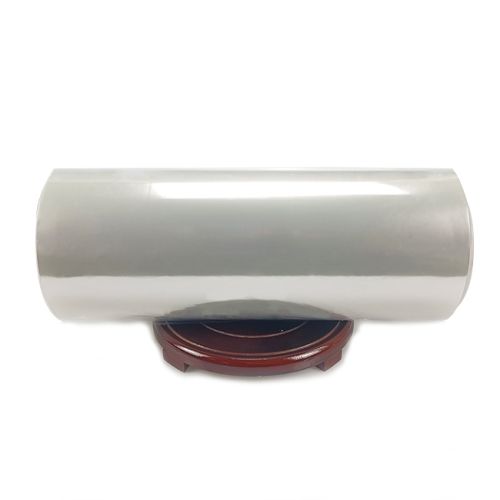
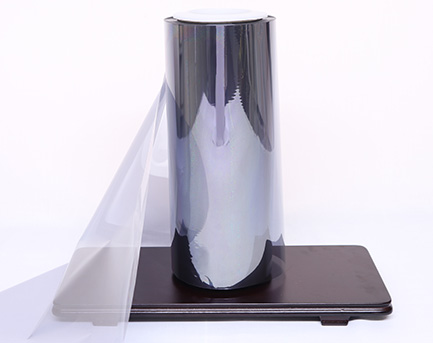
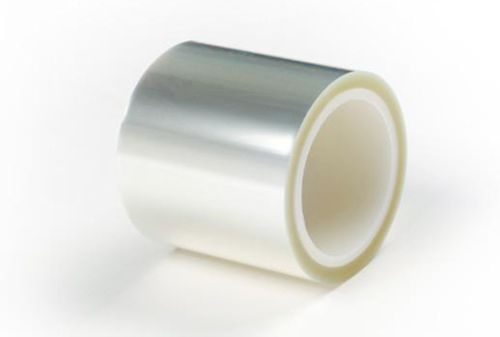
PLA AlOx film can help a converter develop clear barrier packaging around a PLA substrate. The purchasing problem often appears later: a brand asks whether the printed, laminated, sealed pack can carry a compostability claim. A film description cannot answer that question for an adhesive, a sealing layer, a zipper and the completed package. Those items need to be considered together before artwork and supply contracts are finalized.
Cailong's film portfolio includes PLA-based materials for packaging development. The PLA AlOx option combines a PLA base with a transparent oxide barrier, providing a route for projects that need product visibility alongside protection. Selecting that material starts the package assessment. It does not establish that every possible laminate made from it has the same end-of-life properties or an approved environmental label.
Define the destination before choosing the construction
Begin with the intended collection and treatment route. Industrial composting and home composting are different conditions. Neither description should be converted into a promise that packaging will disappear in soil, seawater or an uncontrolled outdoor environment. A project specification should identify the claim being sought and the destination where the customer expects the package to go.
Ask the brand which market and waste-management system will receive the pack. A technically supported compostability statement does not itself establish local collection or acceptance. Keep the material assessment and the disposal instructions connected, so customers receive a route that exists for the product they actually purchase. Avoid writing artwork before those practical questions have answers.
List everything that will remain on the discarded pack
Create a component record for the final design, including the PLA barrier web, other films, bonding materials, inks, primers, coatings and any closure. Record the supplier, exact material identity and intended amount. A thin coating still belongs in the record. Its small mass alone is not evidence that it can be ignored during an assessment.
Printed coverage matters to the construction being reviewed. A lightly printed trial and an artwork version with large opaque areas may use different amounts or combinations of ink. Keep those versions identifiable. Also consider labels, tear strips and attached accessories rather than treating the main pouch body as the entire product. The approval scope should follow what remains after normal use.
Check what each certificate actually covers
A raw-material certificate, an intermediate-film certificate and a finished-article certificate have different scopes. Verify the named product, permitted thickness or loading where specified, applicable conditions and document status. A reference to a certified ingredient should not be presented in a way that implies an unassessed finished pouch is certified. Obtain confirmation for the actual combination through the relevant assessment process.
TÜV AUSTRIA describes its OK compost INDUSTRIAL scheme as covering products and their constituents, including inks and additives. This illustrates why an assessment needs the complete article. It is not evidence that the Cailong film, a particular adhesive or a proposed pouch holds that certification. Request the documents for the specific products under consideration.
Keep product protection in the same development plan
A disposal objective cannot replace the shelf-life brief. The customer still needs a package that controls relevant oxygen or moisture entry, survives handling and seals consistently. Identify the packed product's sensitivity and define the storage conditions. Transparent PLA AlOx film offers a barrier-material direction, but it cannot be assigned a numerical shelf-life improvement without product and package evidence.
Compare the proposed construction with the existing package under a common protocol. Use barrier measurements with complete units, temperature, humidity and specimen details. Inspect the laminate after converting and assess filled packages after relevant handling. A change of sealing layer made to support compostability may also change package making, so environmental and functional trials need coordinated version control.
Evaluate substitutions one component at a time
Customers moving from a conventional PET-based barrier laminate may hope that replacing the main web will resolve the whole project. In practice, the existing adhesive or closure could require separate review. Map the role of each component first: print carrier, barrier, bond, sealing surface or opening feature. Then identify which functions must be retained when a component changes.
Avoid assuming that a simpler-looking structure will automatically pass either compostability or performance testing. Reducing layers can alter sealing behavior and product protection. Adding a compatible layer can alter total thickness and the article being assessed. Record the actual bill of materials for each trial, and compare functional results before selecting the construction for formal evaluation.
Make the purchasing specification match the assessed design
Once the package is agreed, tie the purchasing records to that construction. Include material identities, gauges, print systems and relevant application amounts, together with the scope of supporting documents. Agree how supplier substitutions or artwork changes will be reviewed. A purchasing change described as equivalent may still affect the evidence supporting the finished article.
Keep retained samples of the approved printed pack as well as the source documents. They help resolve later questions about what was tested and what was supplied. A named owner should review changes involving the barrier film, bonding system or closure before production adopts them. This is especially useful when several converters or regional suppliers participate in the same packaging program.
Keep the commercial decision visible during development. If a closure lacks suitable documentation, decide whether to change it, remove it or revise the intended claim before committing to tooling. Record that decision against the design version. This makes the component review useful to production planning and avoids treating a missing document as something that will necessarily be resolved after launch.
What should a buyer request first?
Send the supplier a complete package concept and the precise composting objective. Ask for the available film specification, component documentation and the limits of any existing assessment. In parallel, give the converter a measurable protection and sealing brief. That combination allows PLA AlOx film to be evaluated for a real package with a defined disposal route, rather than relying on the PLA name to support an unfinished claim.