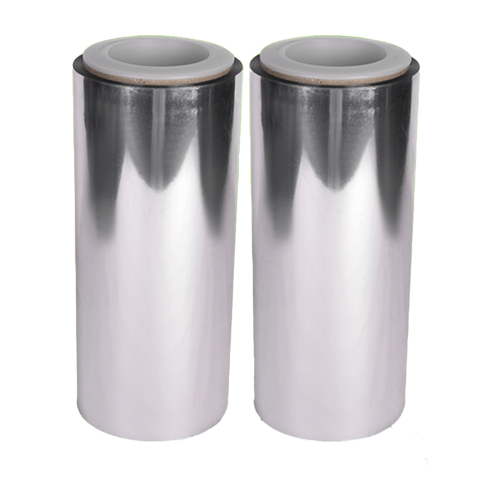
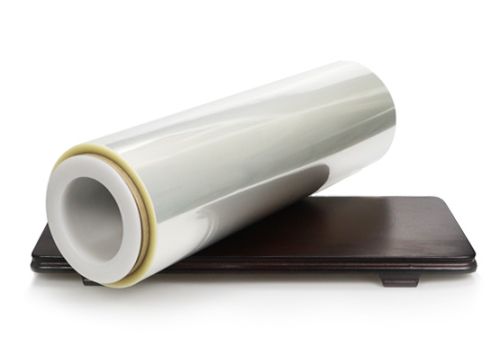
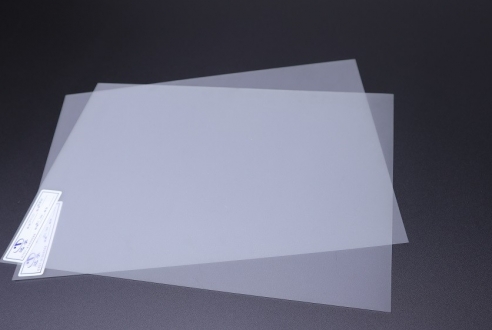
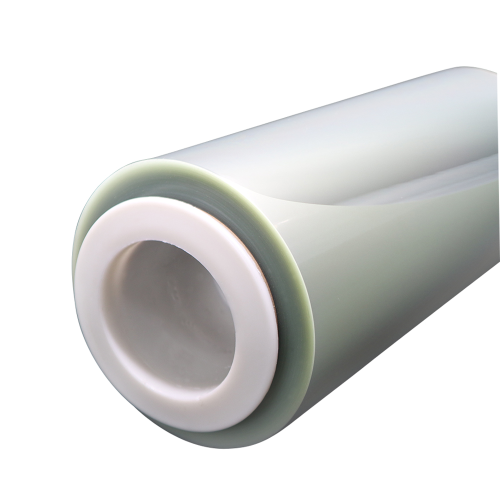
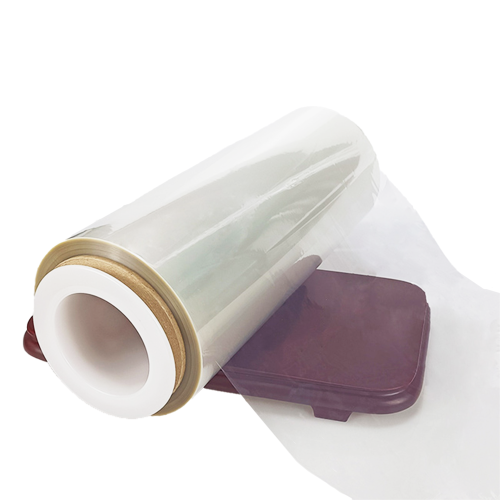
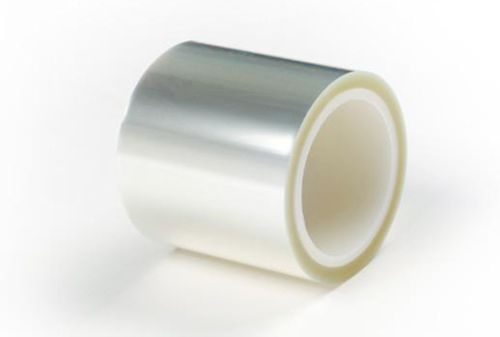
Adding a desiccant does not remove the need to select an appropriate moisture barrier. For a dry-product pack using PET AlOx Film, the film and insert perform different jobs. The laminate is evaluated for limiting moisture entry, while the desiccant manages moisture within the package under its specified conditions. The useful design considers both functions and the initial condition at sealing.
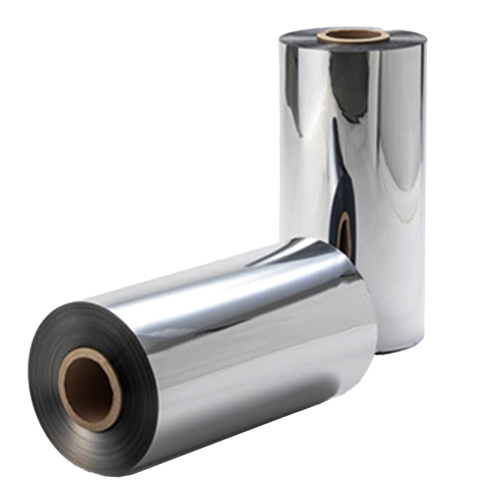
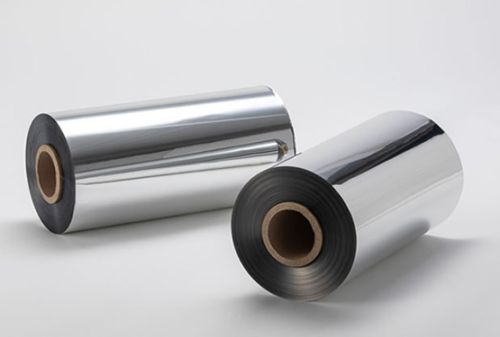
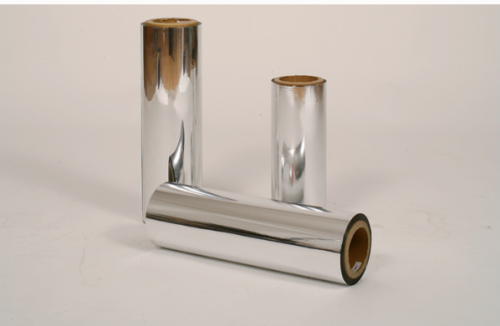
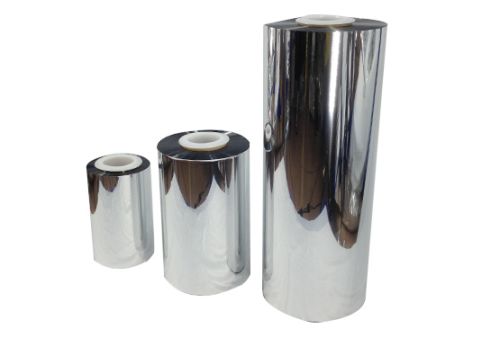
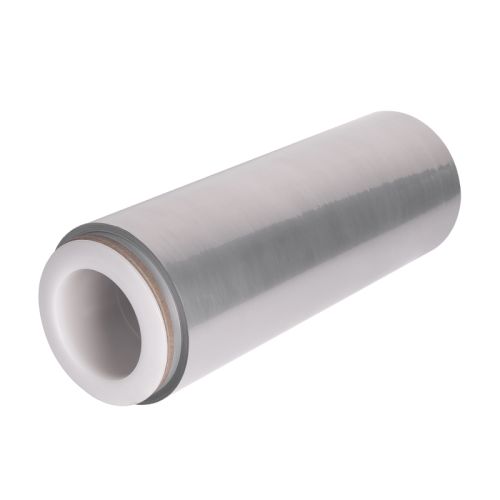
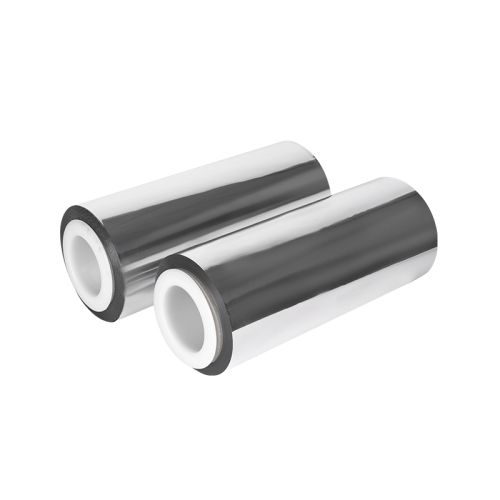
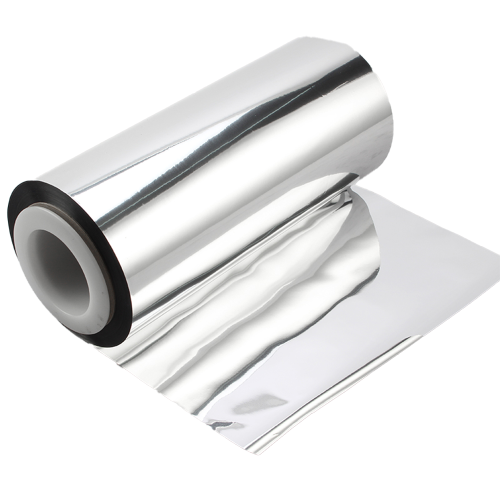
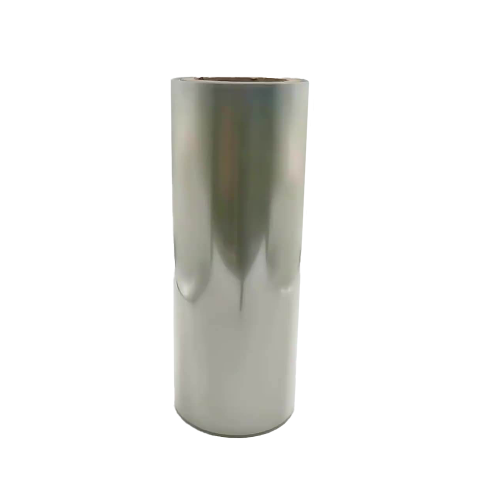
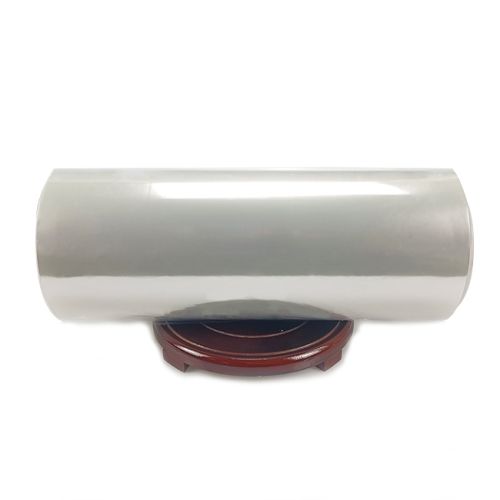
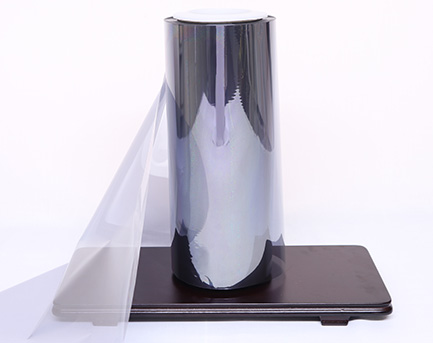
Cailong's transparent PET material in Cailong's film portfolio combines an AlOx layer with a PET base film for barrier laminate development. The selected T03 grade has a 12 µm reference thickness and is not suitable for boiling, pasteurization or retort. A dry-pack project still needs a suitable sealing construction and application approval. The barrier component alone does not specify the complete moisture-control system.
Identify what needs to remain dry
Start with the product's actual sensitivity and the condition required during storage. A request for maximum dryness can conceal very different product requirements. Establish the relevant humidity or product-quality criterion with the responsible team, using appropriate evidence. Do not choose an insert quantity solely because it fits conveniently inside the pouch.
Also identify whether moisture is already present in the product, packaging components or headspace. These starting conditions differ from moisture that enters later. Retain their measurement and handling records where they are relevant to the design. A desiccant cannot be selected sensibly if all moisture sources are combined into an unspecified worst case or ignored altogether.
Keep the insert's function specific
Clariant's description of desiccant packets explains their use for adsorbing excess moisture inside properly sealed packages. That establishes the distinction between an active insert and a barrier wall. It does not provide a capacity or compatibility result for Cailong's laminate, the customer's product or an insert supplied by another manufacturer.
Request the selected desiccant's performance information and its applicable conditions from the insert supplier. Keep type, quantity, packaging and available capacity identified. Do not transfer a capacity figure between different desiccant types or environments. If the required performance is not documented, treat that as an open item before approving the complete pack.
Obtain an interpretable moisture-barrier result
The supplied PET AlOx TDS lists WVTR information, but it does not state the associated test temperature and relative humidity. Those conditions are needed for a valid comparison. Ask for applicable data rather than calculating a promised storage life from an isolated number. The relevant laminate and environment must match the question being assessed.
Film area and package construction also belong in the evaluation. The incoming flat film is only one component of the finished wall, and converting may change its condition. Use evidence appropriate to the printed, laminated and formed pack where required. A favorable raw-film result should not hide an untested seal or another moisture pathway in the completed package.
Do not use extra desiccant to bypass integrity
A leaking package introduces a problem that should be located and corrected. An insert is not evidence of an intact seal, and a dry appearance at one early inspection does not establish adequate long-term protection. Carry out the integrity checks relevant to the format. Keep those results separate from the insert's moisture uptake and the wall's transmission data.
This separation helps when a trial fails. If the insert is exhausted early, investigate initial moisture, handling, ingress and integrity before concluding that the film must be replaced. If the product changes while the package humidity appears acceptable, review the product requirement and measurement basis. A single observation cannot establish the cause across all those variables.
Include insert handling before sealing
Record how the desiccant is stored, opened and delivered to the filling operation. Its condition when inserted matters to the capacity available inside the pack. Follow the selected supplier's instructions and preserve the exposure history needed for the trial. Do not invent a universal maximum handling time for every insert type and environment.
Use representative production samples rather than a laboratory pack assembled with unusually protected components unless that is the stated comparison. The factory needs a system it can reproduce. If an improved handling procedure is part of the solution, retain it in the approved process rather than attributing the entire result to the new barrier film.
Evaluate placement and the complete construction
The insert should be selected and positioned for the actual product and format, with applicable contact and use requirements confirmed. Keep it away from the sealing operation where interference could occur, according to the approved pack design. The film supplier's product page does not approve every desiccant packet or its suitability for direct product contact.
If product visibility is required, check how the insert and contents appear through the window. A transparent barrier can support that objective, but the final arrangement still needs review. Preserve the intended fill quantity and pouch dimensions in comparative trials. A different headspace or insert position can make two nominally similar packs behave or present differently.
Define whether the pack will be reopened
A once-sealed pack and one opened repeatedly have different exposure histories. State which use is intended and assess the relevant closure and insert arrangement. Evidence from unopened storage should not be extended automatically to repeated consumer access. Keep that use condition in the same brief as the required product protection.
Validate the moisture-control system together
Agree on storage conditions, inspection points and the product-quality measures needed for acceptance. Test the selected laminate, seal and desiccant combination as a defined construction. Avoid promising an extension in shelf life or a reduction in insert quantity without the comparative results needed to support it. The accepted system should have a traceable link to its material and process specifications.
Send Cailong the proposed structure, target environment and moisture-control question, and involve the desiccant supplier in capacity selection. PET AlOx can be evaluated for transparent barrier protection while the insert is specified for its own role. The resulting purchase addresses the complete moisture problem instead of treating either component as a substitute for the other.