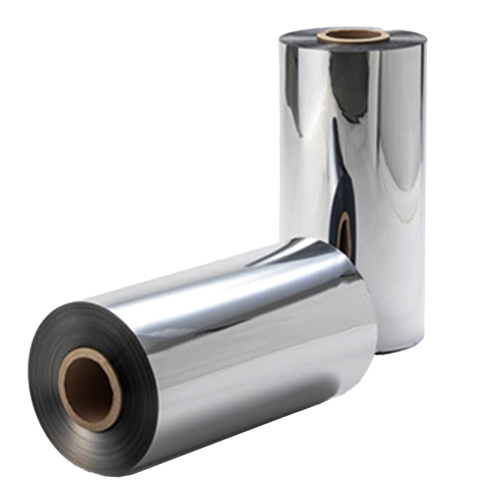
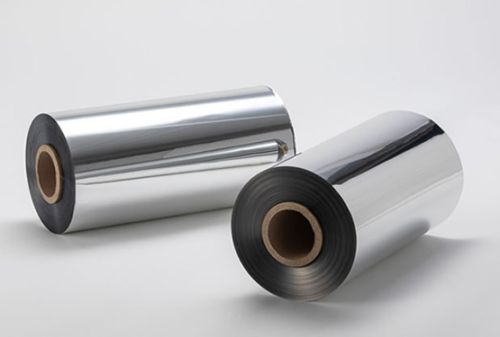
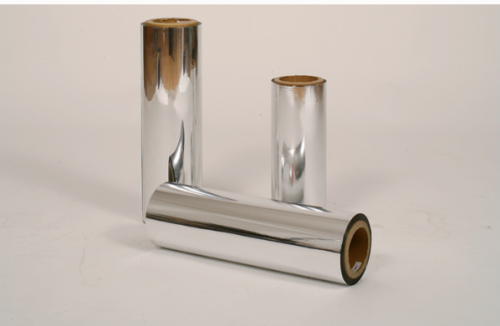
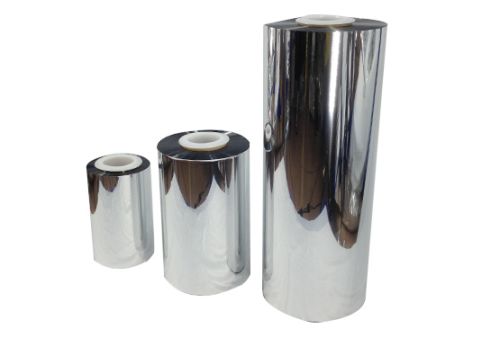
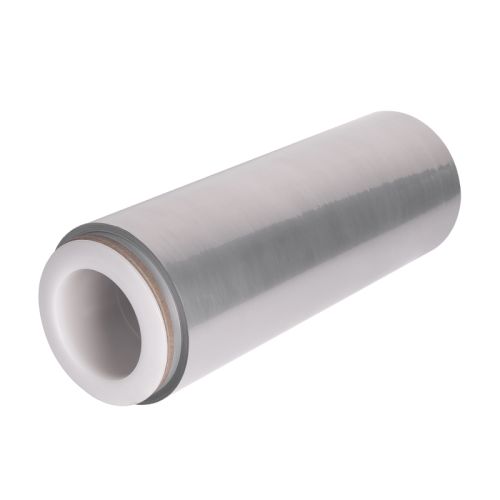
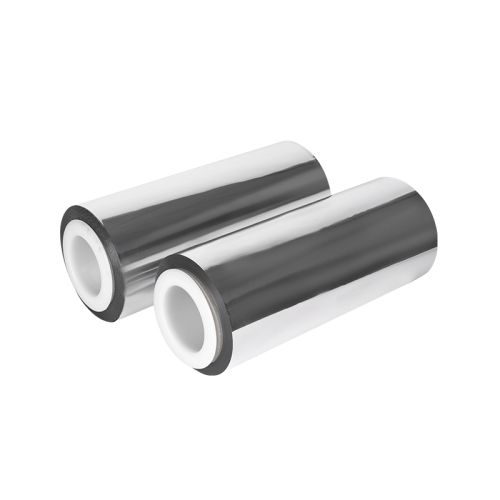
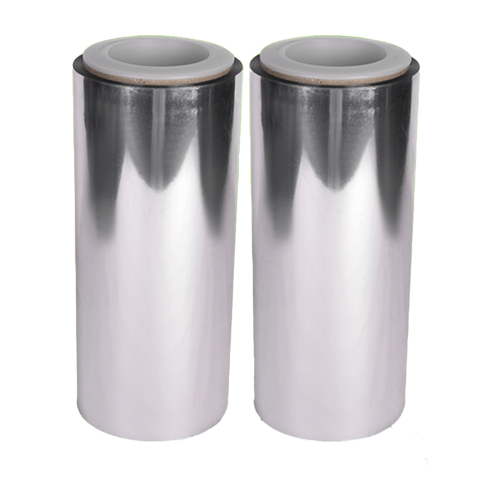
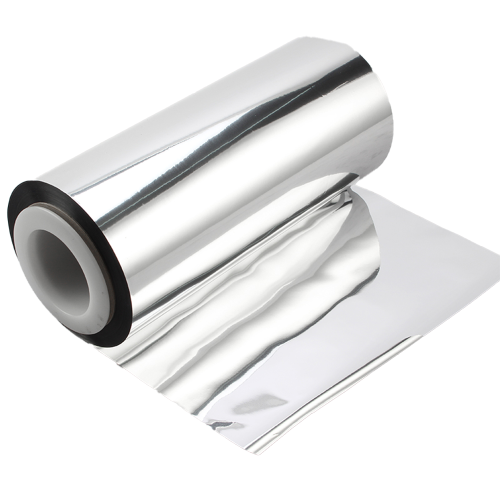
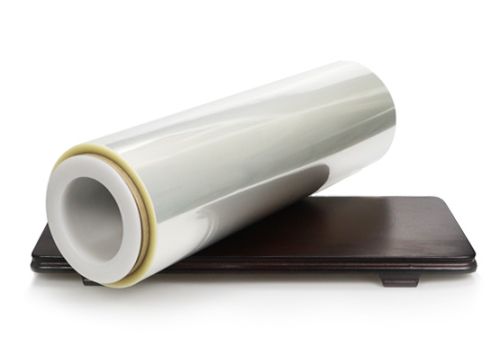
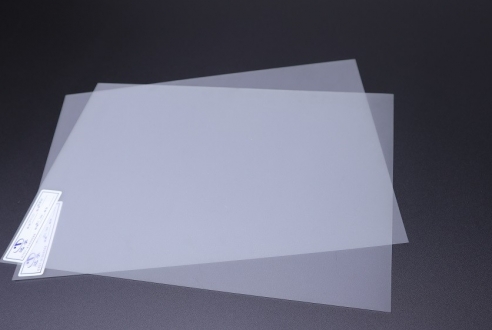
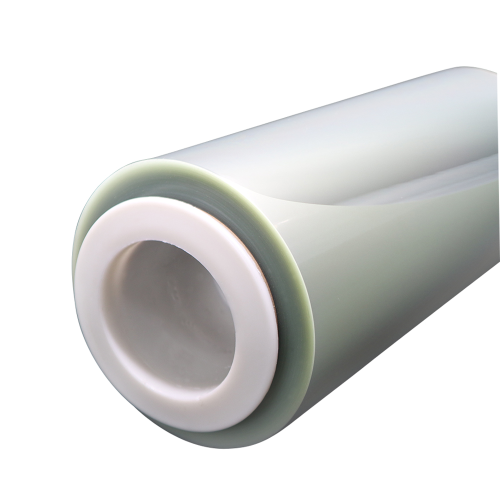
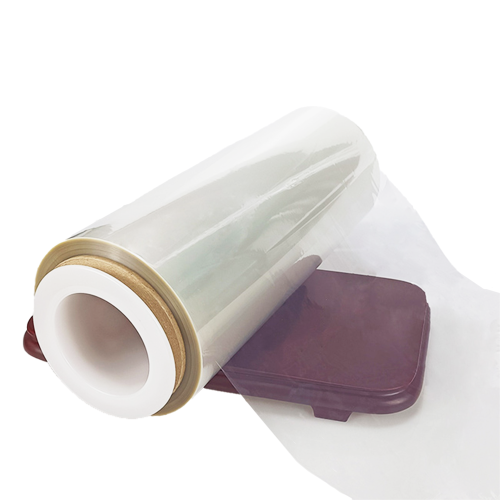
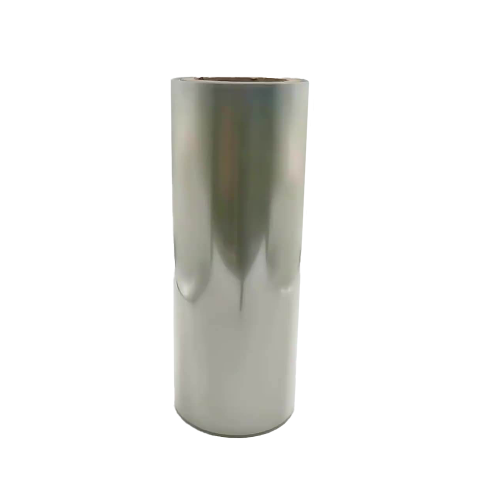
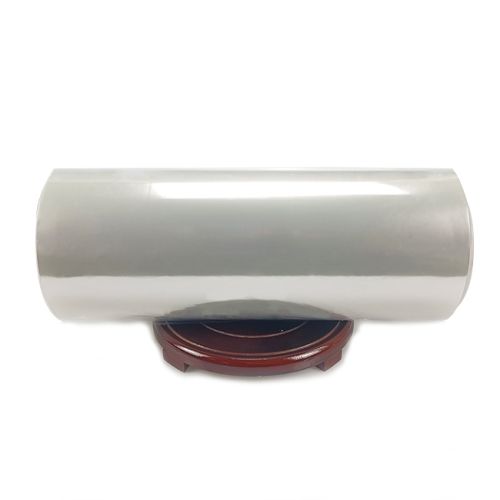
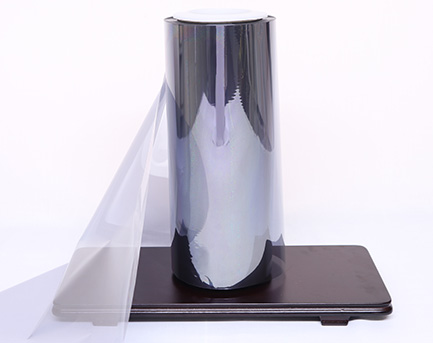
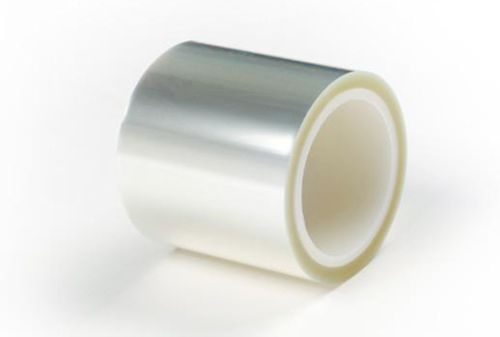
PET AlOx Film can be evaluated for transparent vacuum-packed smoked fish when the processor needs product visibility together with a defined oxygen-barrier requirement. Removing air changes how the laminate fits against the fish, its edges and any supporting insert. Film selection therefore needs to address both protection and close-contact package geometry.
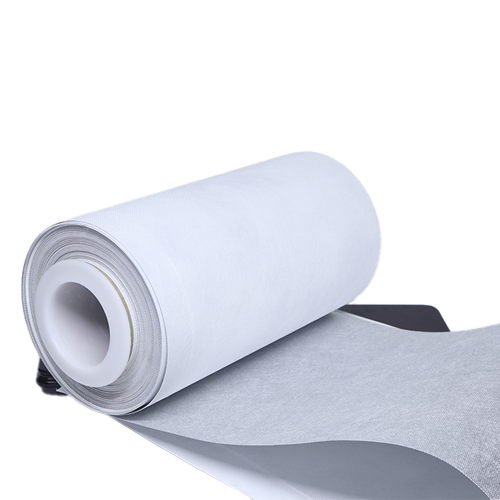
Cailong identifies PET-AlOx-D01 as a transparent barrier grade on a BOPET substrate and distinguishes it from its retortable series. An AlOx Film Supplier can provide grade information for a converter's trial. The processor remains responsible for the product's approved packing, storage and safety controls; no storage-life extension is inferred from the coated film alone.
Define the vacuum format around the actual fish portion
A sliced portion on a support board and a thicker fillet without a board do not produce the same contact pattern. Record the fish dimensions, normal portion variation and any protruding features. The film will follow the geometry produced by the complete packing arrangement. A flat specimen cannot show whether a particular point repeatedly loads the finished laminate.
Identify the existing structure and the reason for changing it. The objective may be a clearer display, a different barrier target or removal of an opaque layer. Keep those objectives separate from changes to the backing insert, portion size or vacuum process. Otherwise, a trial may change several sources of package stress without showing which change caused the result.
Retain samples showing the current failure. Note whether the defect begins at a fish edge, a board corner, a fold or the seal. A leakage point near a support insert suggests a different investigation from a gradual product change in an apparently intact pack. Increasing nominal barrier does not correct a recurring puncture or a poorly formed closure.
Place PET AlOx Film behind the intended contact layer
Printed PET / PET-AlOx-D01 / PE sealant is one possible laminate for evaluation. Printed PET supplies the outer graphic surface; the AlOx-coated web addresses the specified barrier target. Select the PE contact layer against the fish-packing and closure requirements. The converter should confirm adhesives and surface orientation. This proposed smoked-fish structure is not represented as a validated Cailong production case.
If mechanical support from another layer is required, discuss that need explicitly rather than assuming the barrier substrate supplies it. Each additional layer changes the laminate construction and converting route. Evaluate the resulting pack against the current material rather than treating an individual film's mechanical description as finished-package puncture evidence.
Do not specify the sealant solely by polymer name. The inner layer needs to work with the selected equipment, product condition and closing sequence. Ask the sealant supplier for its relevant guidance. PET-AlOx-D01's barrier role cannot establish seal performance when fish, liquid or another contaminant reaches the closing region.
Close contact makes support-board details visible
Where a board or tray insert is used, examine its actual rim and corner condition. A smooth demonstration insert may not represent the normal supplied parts. Check dimensional variation and whether the insert changes position during loading. An insert pressing against the same region of every pack can create a consistent defect location despite satisfactory incoming-film inspection.
Inspect filled packs immediately after evacuation and again after representative handling. Record creases and contact marks at the locations already identified. Do not assume every visible crease has destroyed barrier, but do not assume the original flat-film value remains applicable either. The trial needs evidence from the condition the laminate actually reaches.
Compare packs made with the current and proposed laminates using the same product arrangement. Keep the vacuum route and support insert unchanged unless the trial specifically evaluates them. This gives the packaging team a clearer comparison between material effects and changes in package geometry.
Transparent display still needs a light-exposure decision
Removing an opaque layer changes how the product is exposed to light. The processor should assess whether that change matters to the approved product-quality requirement. AlOx transparency is useful for visible packaging, but it is not an opaque shield. Review the intended clear area alongside printed coverage and any secondary packaging.
Evaluate the complete pack under its planned display conditions. Graphic placement, film-to-product contact and liquid distribution can all affect what customers see. A clear-film sample does not establish the appearance of a filled vacuum pack. Ask the brand team to define acceptable presentation independently from the technical barrier assessment.
Keep product observations linked to the processor's assessment methods. Appearance or odor changes should not automatically be attributed to film transmission, and a good visual result does not establish food safety. The packaging comparison must operate within the product's authorized process and storage system.
Agree on barrier evidence after converting and packing
Request OTR and WVTR for the selected grade with measurement conditions identified. Specify whether the data refers to incoming single film or a laminate. Comparing numbers measured at different temperature or humidity can obscure the material decision. Where the functional coating is affected by conversion, the converter needs an assessment after the relevant operations.
Review the proposed film's process category before discussing any thermal step. D01 and the separately listed retortable grades should not be treated as interchangeable. Give Cailong the actual exposure sequence and obtain a grade recommendation tied to it. A general PET thermal description cannot approve a finished smoked-fish pack for an unspecified process.
Include production loading and closing variability in the trial. Inspect normal packs as well as those made after stops or changes in portion presentation. Look at seal cleanliness, local mechanical damage and the processor's specified product outcomes separately. The comparison should explain why a pack fails, not merely count intact samples.
For a smoked-fish laminate proposal, send Cailong the current structure, portion drawing, support-insert details, packing route and observed failure points. Include the required barrier conditions and processor-approved storage assessment. This connects transparent AlOx selection to a real vacuum-pack problem while leaving product safety and release decisions with the responsible teams.