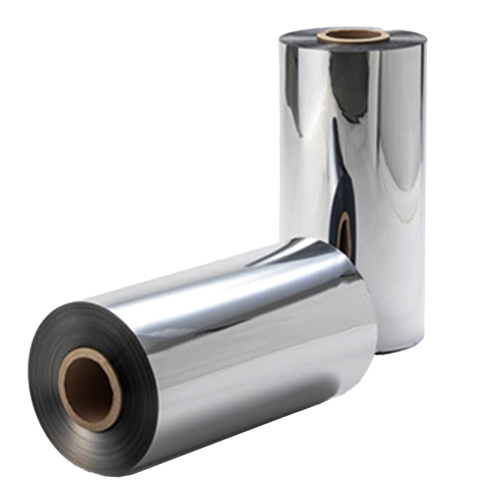
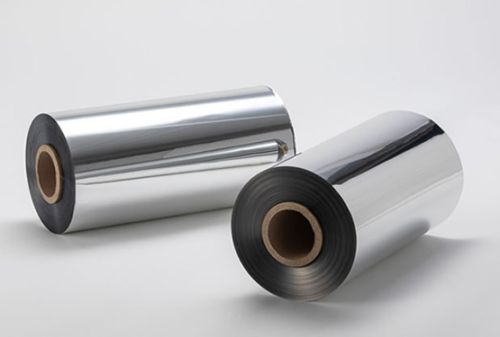
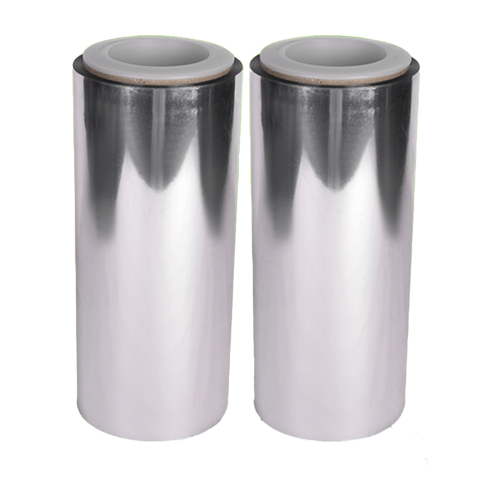
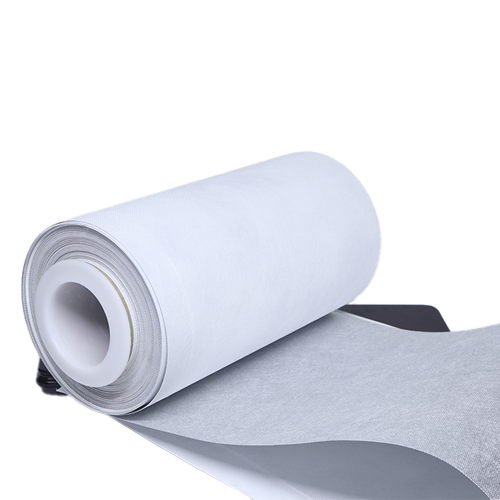
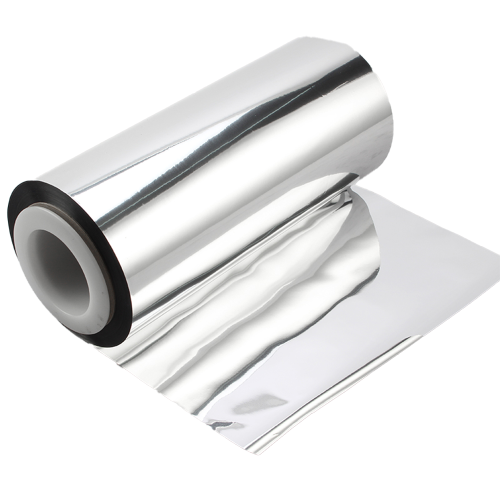
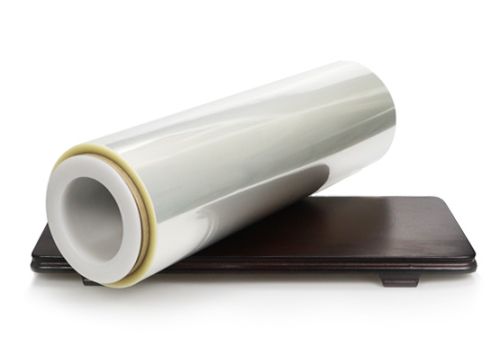
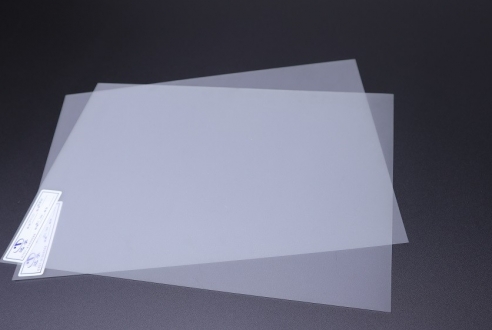
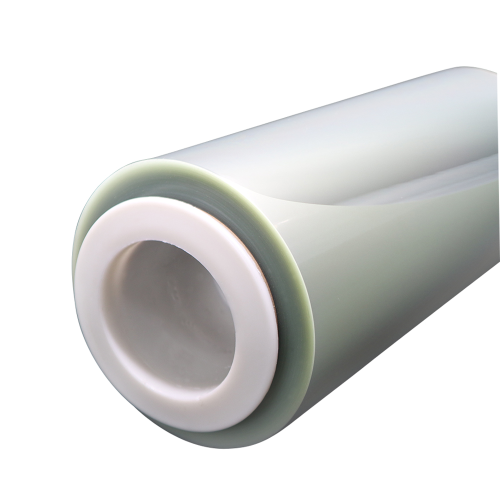
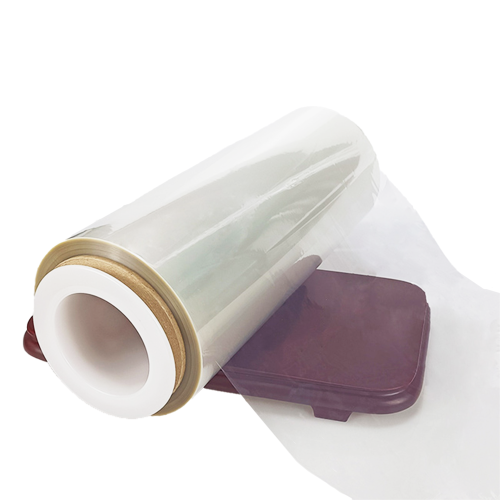
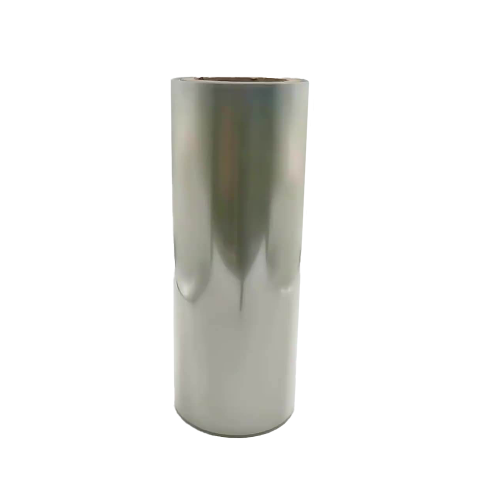
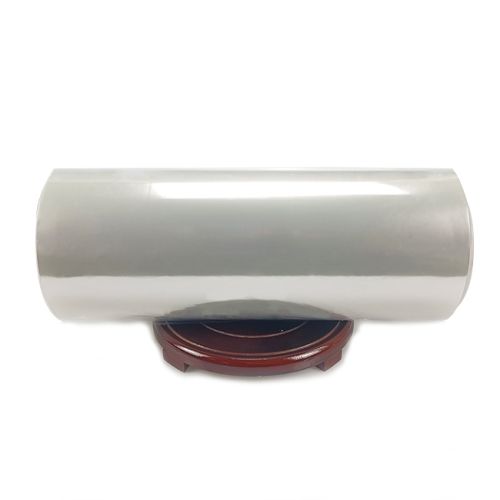
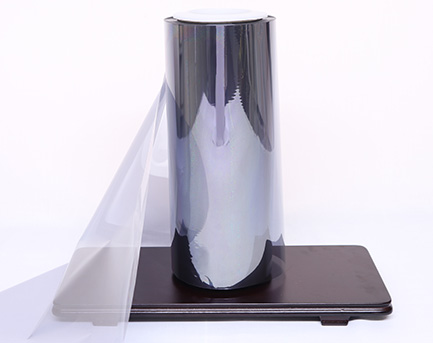
High Barrier Film for a laundry powder refill bag should be chosen around powder flow, moisture exposure and the filling route. A PE-oriented outer web may support a packaging redesign, but switching away from PET does not automatically establish resistance to clumping, leakage or rough handling of a filled bag.
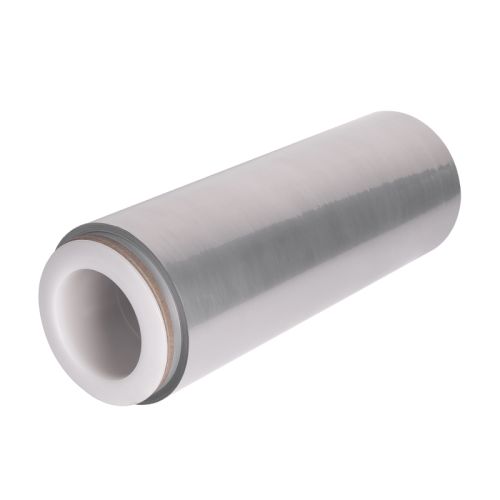
Cailong's water-based coated MDOPE product page describes a PE-based web with stiffness, printability and coating-dependent barrier functionality. An appropriate High Barrier Film proposal starts with the required moisture protection and actual detergent formulation. This material is a candidate for evaluation, not a claim that every laundry powder or refill format has already been approved.
Define the refill operation before specifying film
A refill bag may be emptied into a rigid container, used directly for repeated dispensing or opened once for a large transfer. These uses place different demands on the opening and on the remaining package. Clarify the intended consumer action. A clean initial opening does not demonstrate that a partly filled bag will remain manageable during later use.
Establish whether the product is a free-flowing powder, granules or a blend with differently sized particles. Ask the detergent formulator which moisture-related changes are unacceptable. Visible clumps, reduced pouring ability and changes in product performance need their own acceptance criteria. Do not substitute a generic food-packaging shelf-life claim for detergent-specific storage requirements.
The existing laminate provides a useful reference. Record the outer web, sealant, opening feature and fill weight. If the move to a PE-oriented construction is driven by material compatibility, keep that objective distinct from downgauging. Changing both polymer family and total gauge at once can make it difficult to identify why the new bag handles differently.
How coated MDOPE enters the bag structure
One possible structure is a coated MDOPE outer print web / adhesive / PE sealant. The oriented outer web is considered for printing and handling stiffness, while the inner layer must be selected for closure and contact with the powder. The functional coating's position and purpose should be confirmed with Cailong and the converter before approving the laminate design.
The published MDOPE page discusses customizable barrier performance, but it does not establish a moisture-barrier specification for this detergent. Ask for the proposed coating and grade-specific WVTR information at the relevant temperature and humidity. An oxygen-barrier description is not enough to resolve a moisture-driven powder problem. Specify the performance that matters to this refill application.
Check compatibility of the complete inner surface with the formulation. Fragrance, detergent ingredients and any additives may require an assessment by the product owner and sealant supplier. The fact that the outer film is PE-based does not approve the adhesive or sealant for the product. Keep contact requirements attached to the actual laminated construction.
Powder filling creates a different closure problem
Observe the filling station before selecting a stronger sealing layer. Airborne powder or particles carried upward during filling can reach the closing area. Inspect the top of a filled bag and compare it with an empty seal sample. A laboratory closure made on clean film may not represent the condition under the production jaws.
Review bag presentation, fill timing and the time available before closure. A powder trail can be associated with how the product enters the pack rather than with the barrier coating. Keep changes to filling and sealing separately recorded. If the trial only succeeds after manual cleaning of each bag mouth, it has not established an equivalent production process.
Opening features also need powder-specific attention. A cut edge that directs powder poorly, or a small opening that makes transfer difficult, can undermine the refill purpose. Assess the intended pouring path with the chosen bag shape and container opening. The laminate's stiffness should support the intended action without being treated as a guarantee of clean dispensing.
Separate unopened storage from moisture after opening
An intact high-barrier refill package and a consumer's reopened bag are different exposure situations. If the product is intended for a single transfer, evaluate how readily it empties. If it is intended for repeated use, the closure feature and instructions become part of the design. Film transmission data cannot define protection while the mouth remains open.
Use the actual distribution climate when defining unopened storage checks. Collect the temperature and humidity conditions relevant to warehousing and transport instead of borrowing another application's test setting. Examine powder flow and clumping after the agreed period, alongside the package condition. Product observations and moisture-barrier measurements answer related but different questions.
Compare partially used packs only if repeated dispensing is an intended use. Record opening frequency and closure behavior rather than attributing every later change to the laminate. The comparison should reproduce normal use sufficiently to reveal whether the chosen format suits the refill route. Avoid extending unopened-package claims to an undefined open-storage situation.
A PE-oriented bag still needs transport assessment
Evaluate filled-bag contact within the shipping case. Seams, folds and neighboring packs can create localized wear, particularly when a dense product moves inside the bag. Document where a tear or leak begins. A failure at a gusset or closure needs a different investigation from abrasion through an unsupported face.
Compare the candidate and current bag using the same fill condition and handling method. Include the intended opening and pouring assessment after transport, because a package can arrive intact yet become difficult to use. Do not assume that increased outer-web stiffness provides the same toughness as the previous laminate at every fold.
To discuss a coated MDOPE refill bag with Cailong, provide the formulation's contact requirements, existing construction, bag geometry, filling equipment and intended refill behavior. Include the moisture-protection target and samples of clumping or closure failures. Those details allow the film and coating proposal to address a real powder-packaging requirement rather than a general request for recyclable film.