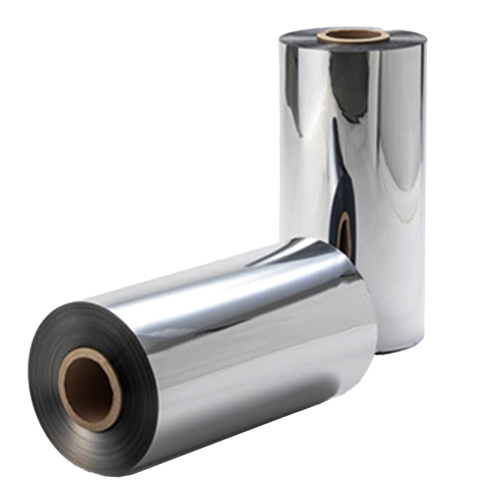
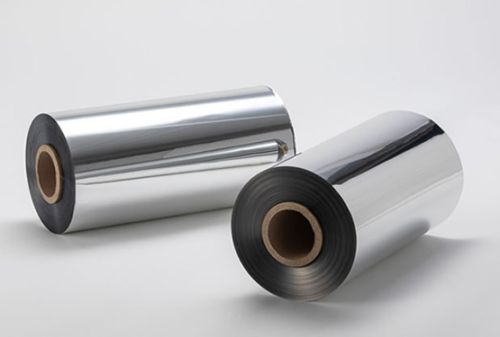
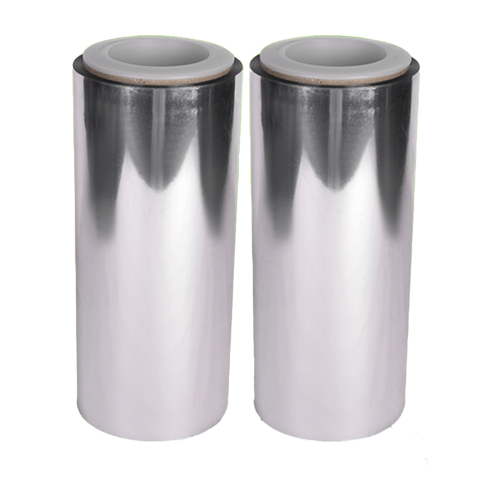
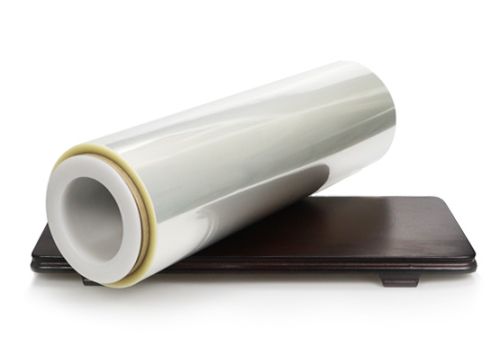
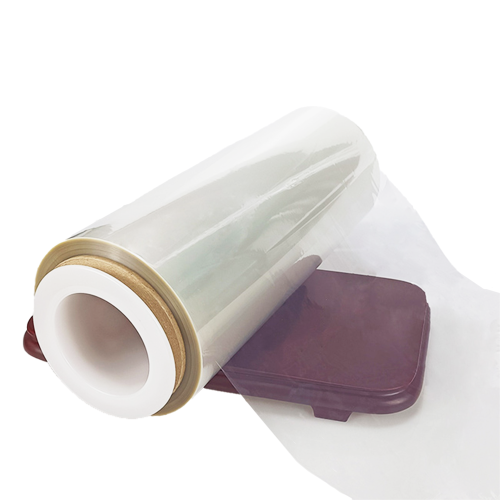
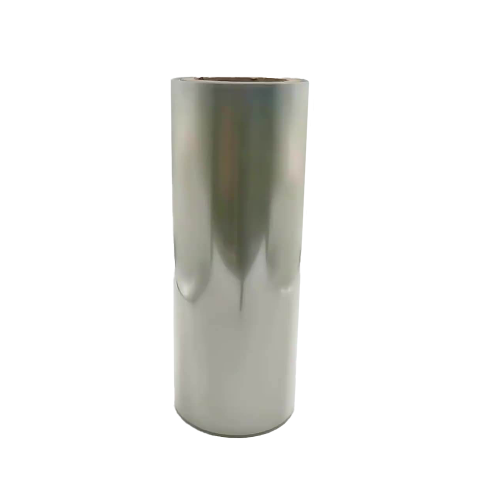
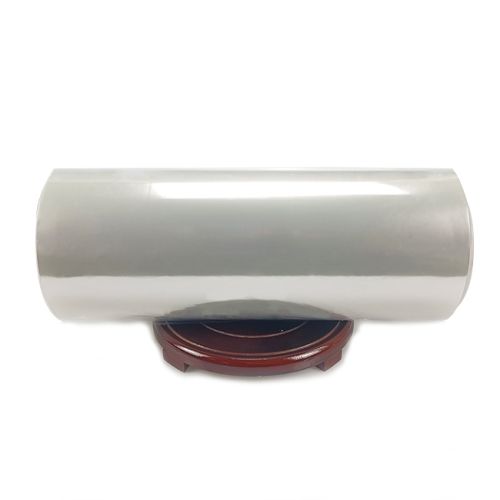
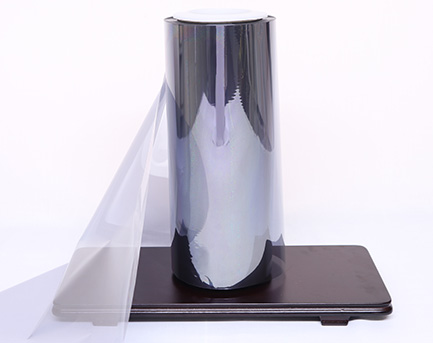
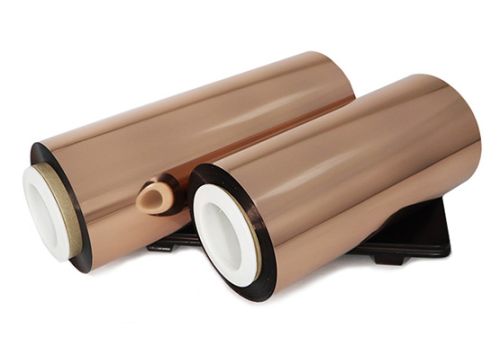
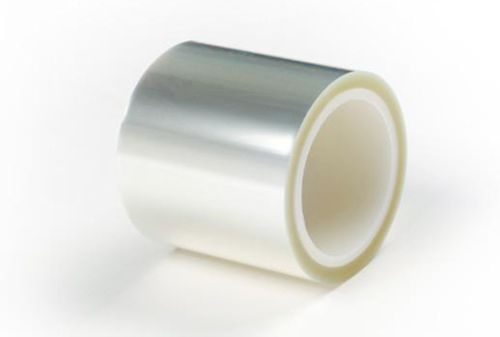
A High Barrier Film for a PE-oriented pouch should not be selected by thickness alone when the pack needs controlled stiffness. A converter may replace a PET print web with MDOPE and find that the laminate feels firm in one direction but bends differently across the pouch. The question is not simply whether the incoming film is stiff. It is whether its directional response suits the chosen panel and fold layout.
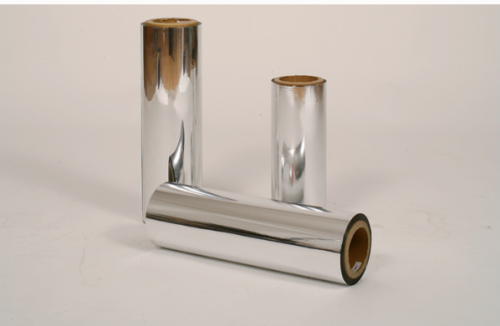
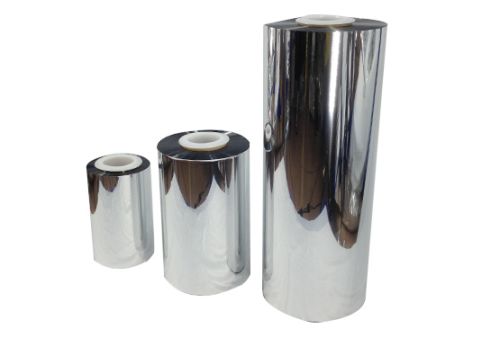
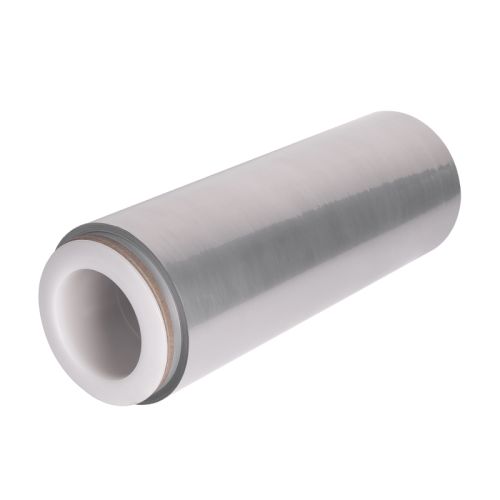
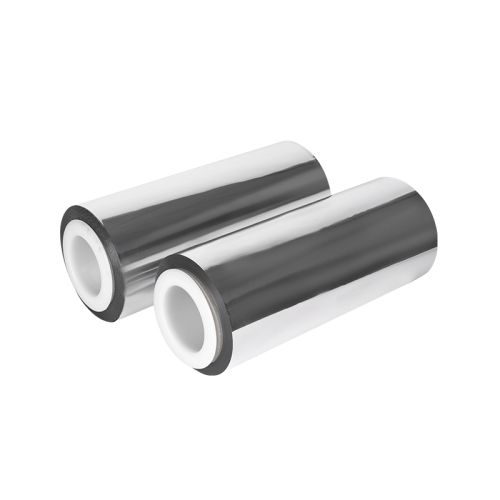
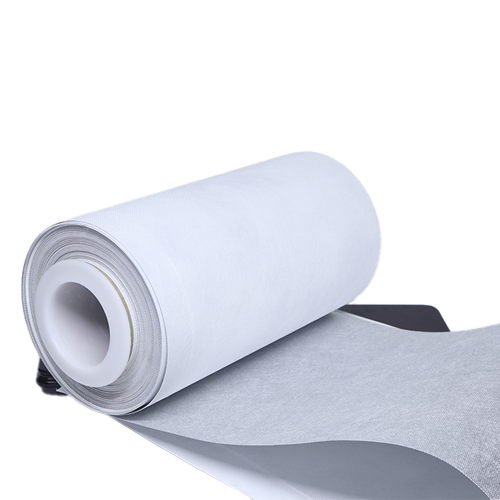
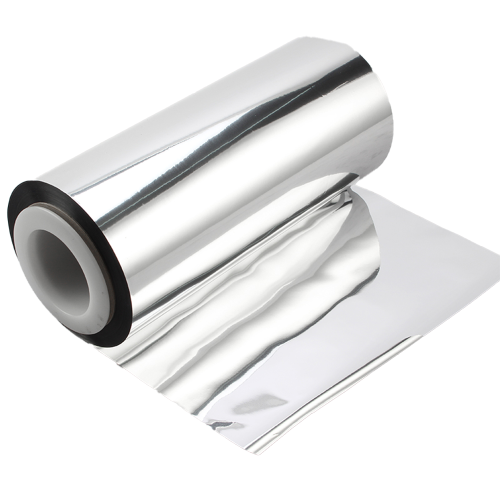
Cailong's High Barrier Film portfolio includes water-based coated MDOPE for printing and PE-focused packaging. The product information identifies stiffness and printability, with barrier depending on the coating construction. Buyers should translate those descriptions into a directional specification for their application, rather than assuming that a nominal gauge reproduces the behavior of the previous laminate.
Describe the movement that the package must resist
Stiffness can refer to several observations: a loose strip resisting bending, a filled wall resisting bowing, a pouch opening remaining accessible during filling, or a printed web staying manageable on the machine. These are related but different requirements. Begin with the movement that is causing difficulty. A force applied across a wide panel does not reproduce the bending of a narrow sample held between fingers.
Mark machine direction and transverse direction on the current film and candidate samples. Also mark where those directions fall in the finished pouch. The converter's web direction may align with the height of the bag, but the panel that needs support may bend across its width. Keeping these coordinates visible prevents a favorable strip result from being assigned to the wrong package axis.
What orientation changes in the print web
MDOPE is polyethylene processed with machine-direction orientation. This directional processing is one reason to evaluate machine and transverse behavior separately. It does not mean that every commercial MDOPE grade has the same balance. Resin selection, orientation history, gauge and subsequent converting can influence the film supplied for a particular project. Ask for the relevant grade information rather than generalizing from a different MDOPE sample.
Orientation also cannot be represented by one tensile-strength number. Tensile testing concerns stretching under load, while bending resistance concerns deformation in another mode. A specification that asks only for high tensile strength may leave the actual pouch-handling requirement unresolved. If the customer wants a firmer panel, name the bending test and geometry that will be used to assess it.
Compare High Barrier Film candidates fairly
Use strips with the same width, unsupported length and preparation method for the initial comparison. Measure each direction under the same conditioning and loading arrangement. Record the measured gauge rather than relying solely on the roll label. Changes in specimen geometry can alter the observed bending response enough to obscure a material difference, making an informal hand-feel ranking unreliable.
Keep the old PET-based laminate as a functional reference, but do not expect a PE-focused construction to match every property automatically. The useful comparison is against the customer's operating requirement. A new laminate may meet that requirement through a different balance of outer-web response and sealant support. Conversely, a similar hand feel may conceal a directional weakness that appears only during filling or use.
The sealant changes the laminate result
Coated MDOPE / adhesive / PE sealant is one possible construction to assess. MDOPE provides the print-bearing outer web and part of the mechanical support; the functional coating contributes the intended barrier; the PE layer supplies the sealing surface. The exact coating, adhesive and sealant need confirmation. Their combined response matters more than a bending result on the bare MDOPE film.
A sealant with a different gauge or formulation can change the feel of the completed pack even when the MDOPE is unchanged. Adhesive condition and bonding also affect how the layers act together. Compare fully converted specimens at an agreed cure state. Otherwise, a difference attributed to the outer web may actually come from a softer inner layer or an incompletely developed laminate bond.
Transfer the result to the customer's geometry
After the strip comparison, make the intended pouch rather than a convenient substitute shape. Observe panel bending at the specified fill quantity and headspace. For a refill pack, examine how the mouth stays open during filling and how the wall moves during pouring. For a display pouch, inspect whether the visible panel maintains the required shape without relying on the contents to support it.
Document whether the failure is a broad panel bow, a localized crease or movement at a gusset or seal intersection. A localized hinge created by the pouch layout is not corrected reliably by increasing the whole web gauge. Likewise, a panel that is excessively firm can create awkward folding or opening behavior. The material should support the design without making another operation harder.
Do not trade barrier for a better hand feel
Mechanical screening should run alongside coating and barrier verification. If an alternative MDOPE web gives the desired directional stiffness, confirm that its coating construction also meets the product's oxygen and moisture needs. Request OTR and WVTR at the intended test conditions and identify whether those values refer to the coated film or the completed laminate. A stiffness improvement is not evidence of equivalent protection.
Check the selected laminate after the folds and handling required by the application. Keep the mechanical comparison focused on the direction that drives the customer problem, but assess protection on representative converted material. This avoids approving a web on two disconnected datasets: a convenient mechanical specimen and a barrier sample that never experienced the pouch-making route.
Specify direction before requesting the next gauge
If transverse panel support is insufficient, ask whether another MDOPE grade, sealant balance or panel geometry should be evaluated. Increasing thickness may be worth testing, but it should follow evidence rather than become the default response. Keep the current material and an agreed measurement method available so that the next candidate is judged against the same functional requirement.
For Cailong to review a coated-MDOPE project, send the existing laminate, directional bending results, panel drawing, fill conditions and target barrier values. Indicate the roll direction on both the drawing and retained samples. A request such as “firmer across the front panel without losing sealing flexibility” is more useful for material selection than “a thicker high-barrier film.”