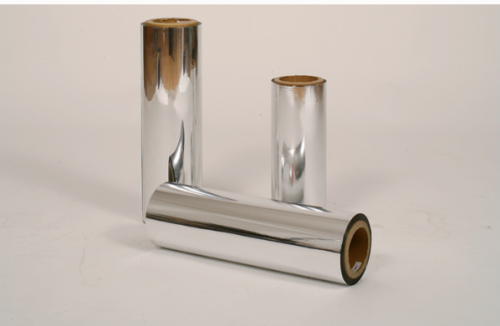
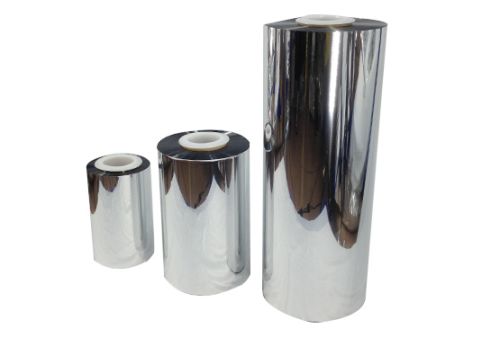
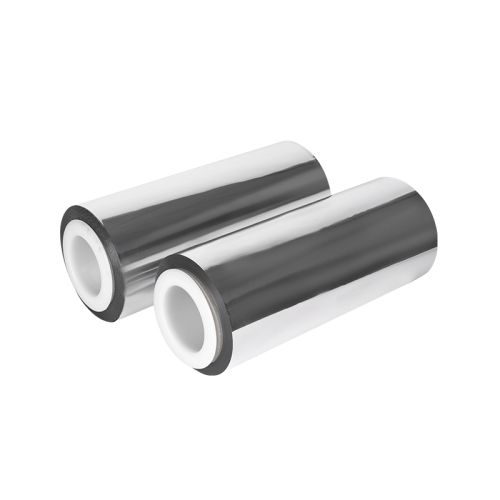
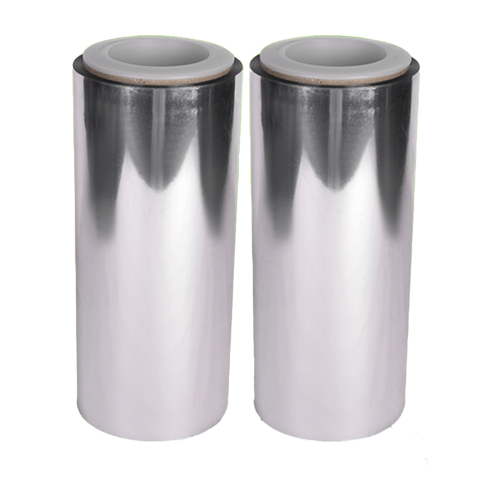
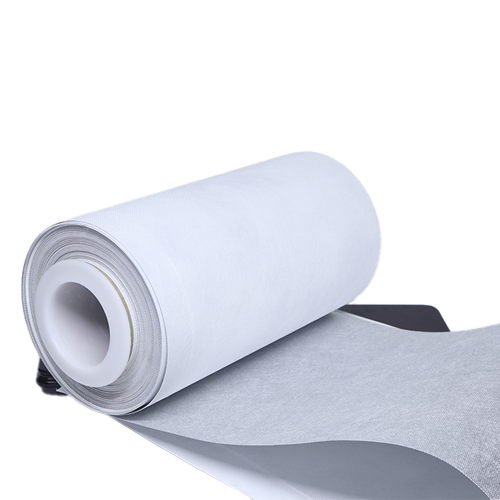
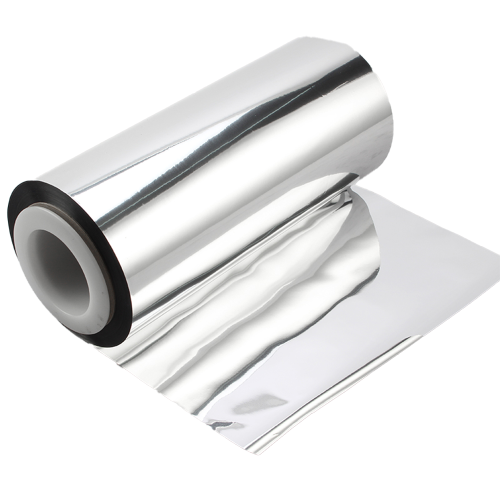
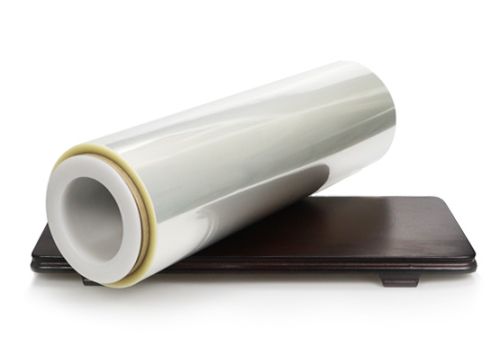
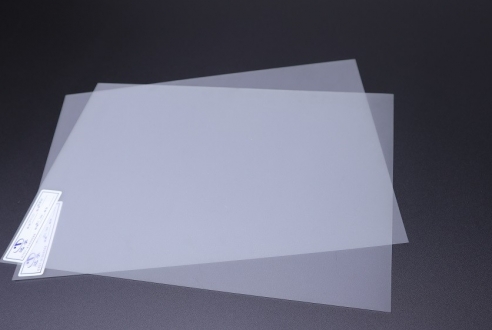
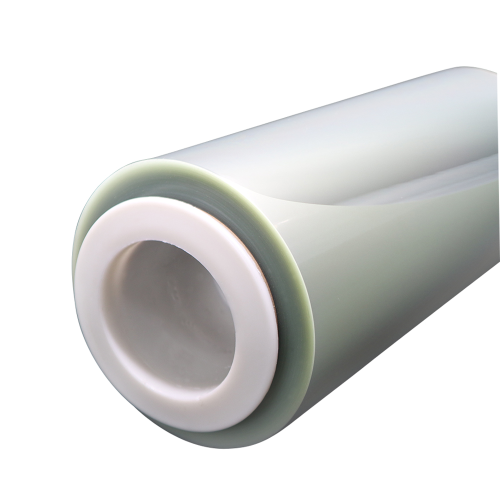
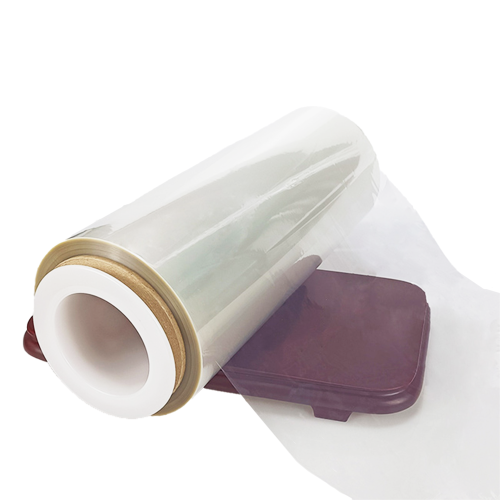
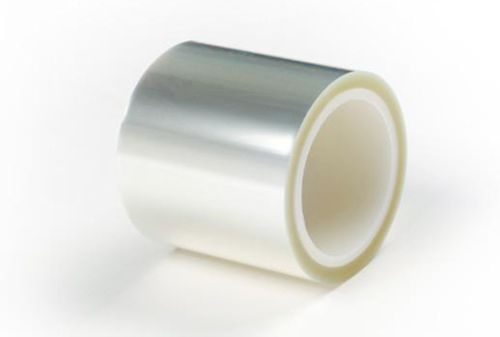
BOPP AlOx Film can help a PP-based pouch retain a transparent barrier, but its position near a heated sealing jaw introduces another selection question. A laminate may produce an acceptable seal while the outer web wrinkles, loses dimensional stability or develops damage beside the sealed area. Raising the jaw temperature to solve one problem can therefore create a different problem in the barrier construction.
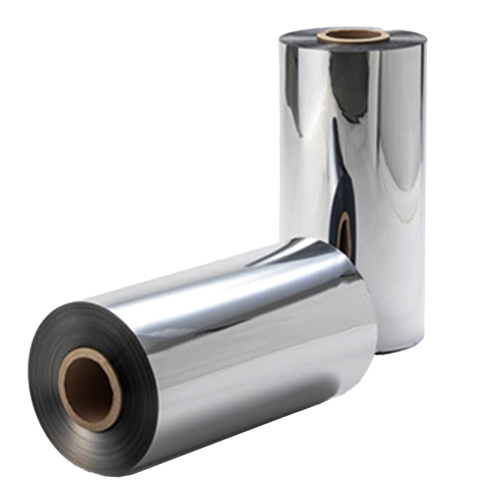
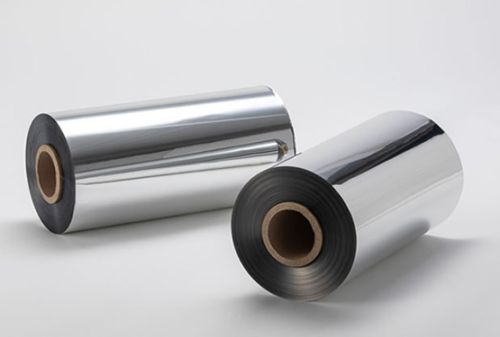
Cailong, an AlOx Film Supplier, identifies BOPP-AlOx-GZ as aluminum oxide deposited on chemically coated BOPP. The material combines a PP substrate with a transparent barrier layer. That construction makes it relevant to PP-oriented packaging, but it does not establish a universal sealing temperature. The converter must evaluate the complete laminate, sealant and machine contact conditions before setting the production window.
The sealing jaw heats more than the sealant
In a candidate BOPP-AlOx / adhesive / CPP structure, the CPP layer forms the closure, the adhesive connects the webs, and BOPP-AlOx contributes the barrier function. This is a structure for evaluation, not a claim that every combination has been qualified. Jaw heat travels through the outside of the laminate before the sealant interface reaches the conditions required for bonding. Contact pressure and local layer thickness affect that transfer.
On a production pouch, the heated area may include flat panels, folded gussets and intersections with existing seals. Those locations do not have identical thickness or contact. A setting that works on a flat laboratory strip can leave an undersealed gusset while exposing a nearby thin panel to more heat than it needs. The useful process window must accommodate these differences without assuming that the machine display describes the temperature at every interface.
Separate three observations during the trial
First examine closure performance: leakage, seal continuity and the agreed strength requirement. Next examine web shape: wrinkles, necking, local contraction and distortion of print or registration marks. Finally consider barrier retention in material that has experienced the heat cycle. These observations answer different questions. A strong seal does not prove an undamaged barrier web, and a visually smooth pouch does not prove that its closure is complete.
Keep specimens from both the seal itself and the neighboring panel. Mark their positions before cutting so that an apparent barrier change can be traced to the heated zone. Compare samples with unheated laminate from the same roll and cure condition. Avoid comparing a hot-sealed production sample with a laboratory reference made from a different adhesive age, since that introduces another variable into the interpretation.
Build a BOPP AlOx Film heat-exposure window
Vary jaw temperature and dwell in a controlled sequence while recording pressure, line speed and cooling conditions. Start from the sealant supplier's proposed range and the film supplier's processing guidance. Do not borrow a PET-laminate setting simply because the pouch dimensions are unchanged. Changing the outside substrate changes the heat-transfer and dimensional response that the machine must manage.
Include the longest contact that occurs during an ordinary interruption or slow-running stage, where applicable to the equipment. Continuous running is only one operating state. Record whether the machine keeps heated jaws touching the web during a stop and how rejected startup packs are separated. A material trial that covers only steady speed can overlook the exposure responsible for occasional distorted pouches.
Check the jaw's temperature distribution with the machine team. A controller reading can conceal a hotter contact position. Keep the sample location aligned with the measured jaw zone so that a recurring defect can be associated with local contact rather than the roll as a whole.
Distortion beside a seal needs a location map
If contraction follows the jaw outline, investigate local heat exposure and contact. If wrinkles start outside that outline, check whether tension, folding or alignment places uneven strain into the web before sealing. If the defect appears only at a gusset intersection, inspect layer buildup and jaw compliance. These patterns help distinguish a material processing limit from a machine or pouch-design issue.
Changing several settings together makes that distinction harder. For example, a simultaneous reduction in temperature and increase in pressure may improve the appearance but leave the cause unresolved. Use retained samples and recorded conditions to identify which adjustment changes the defect. Where practical, confirm the result on another portion of the roll rather than relying on a short interval of acceptable packs.
Check protection after the actual sealing cycle
Request OTR and WVTR measurements for the relevant converted construction under stated temperature and humidity conditions. Agree with the laboratory how heated specimens will be prepared and which part of the pouch they represent. A film measurement describes panel transmission; a package test may also capture seams or leakage. Label the result accordingly so that a closure defect is not reported as an intrinsic coating failure.
For the application, follow sealing with the handling that the pouch will encounter before distribution. Flexing a still-warm seal area, stacking freshly made bags or folding the sealed edge can produce a different result from leaving flat strips untouched. The required sequence should come from the converter's process and the customer's use conditions, not from a generic barrier-film test alone.
Decide whether to change the web or the process
A narrower jaw, revised dwell, different sealant or adjusted gusset design may solve a localized heat problem without changing BOPP-AlOx-GZ. A different barrier-web grade becomes relevant when the available process window cannot meet both closure and panel requirements. Compare alternatives at equivalent finished-package performance, including appearance, barrier and line stability, rather than selecting by the highest temperature label.
To discuss a BOPP-AlOx-GZ sealing trial with Cailong, provide the full layer sequence, individual gauges, adhesive cure state, sealant grade and jaw geometry. Include the running and stop conditions, photographs showing the heated defect location, and the closure and barrier acceptance limits. This information allows the material recommendation to address the heat exposure that the pouch actually receives.