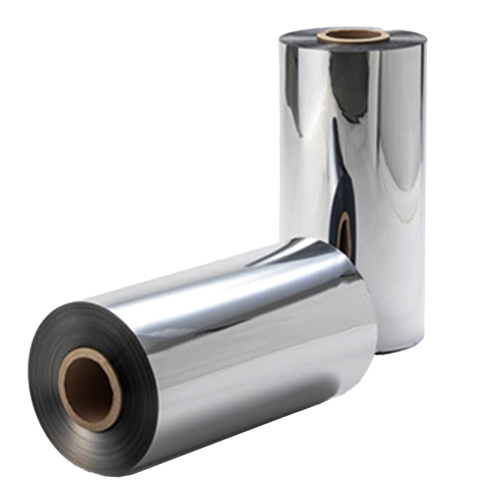
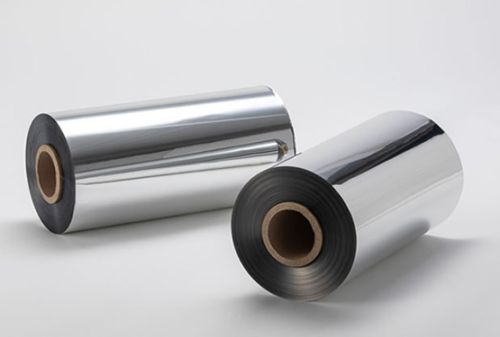
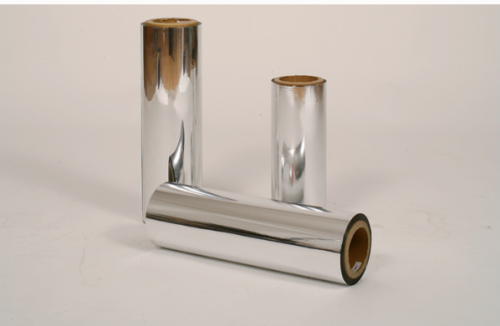
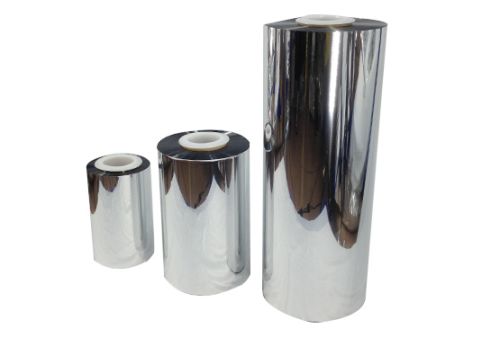
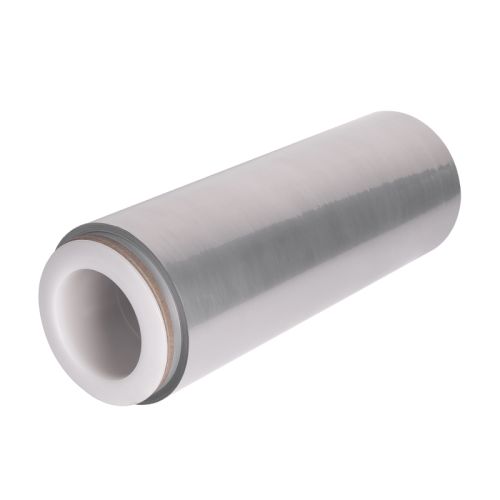
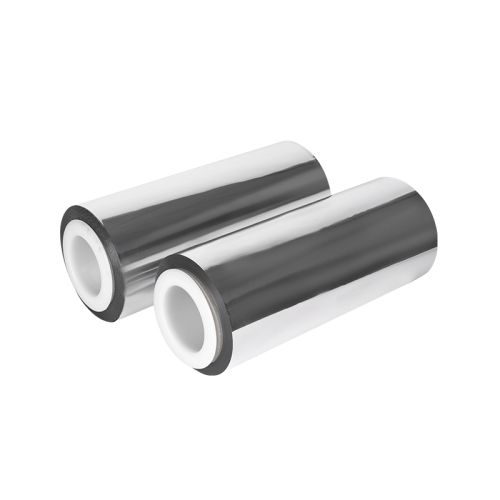
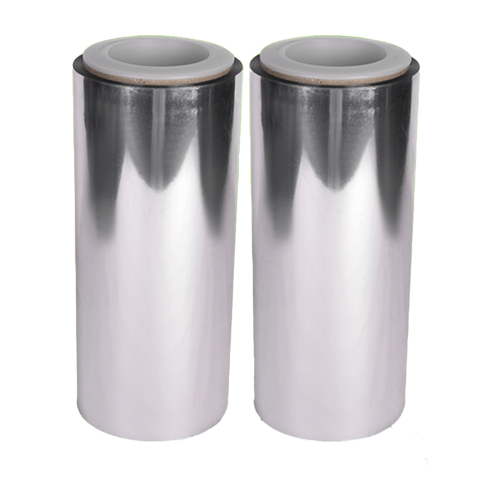
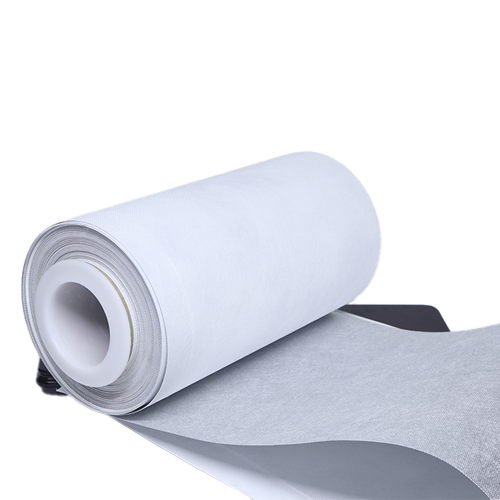
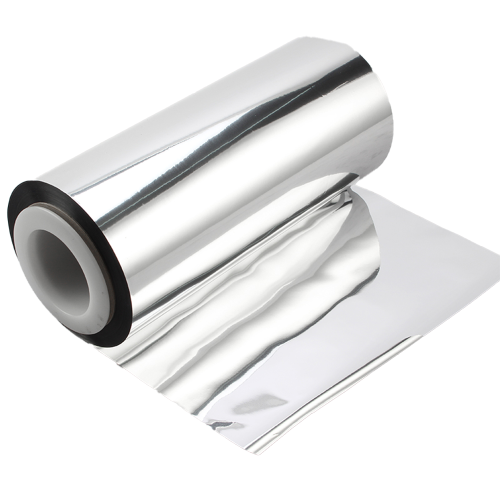
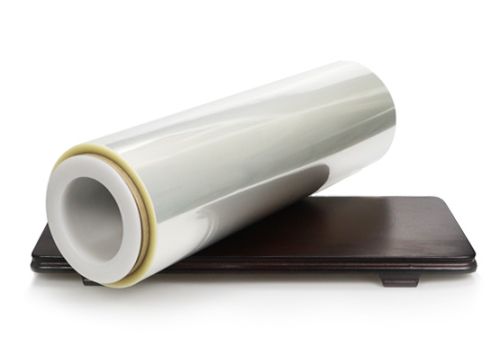
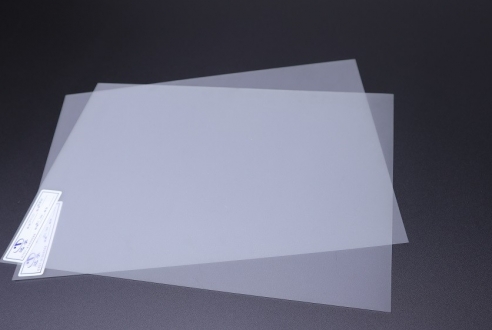
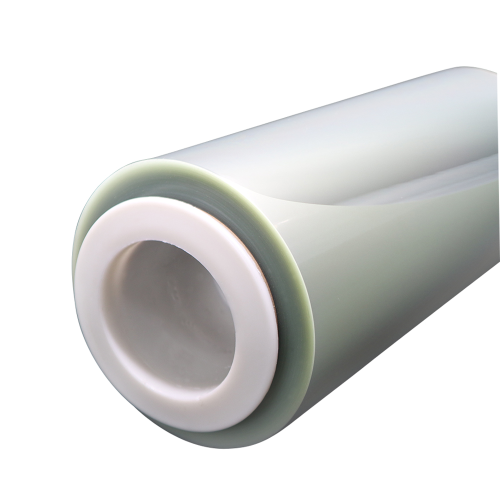
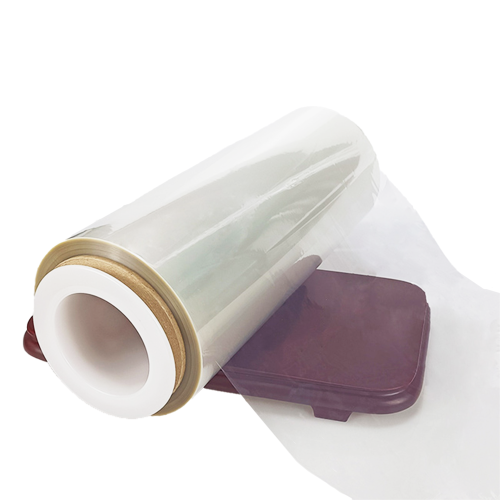
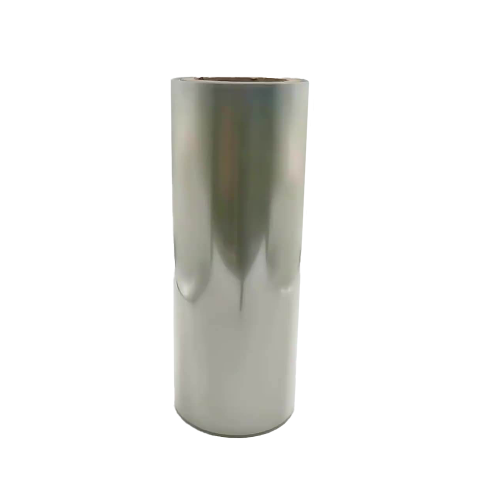
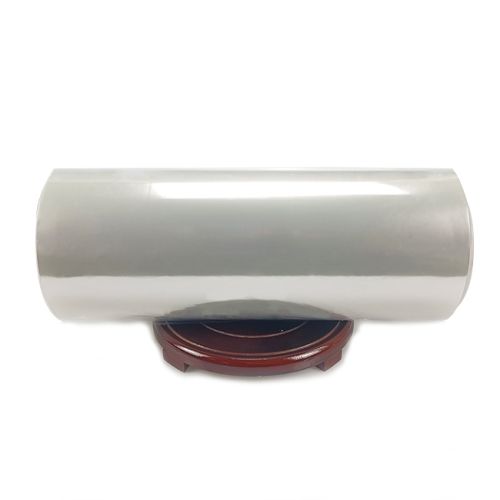
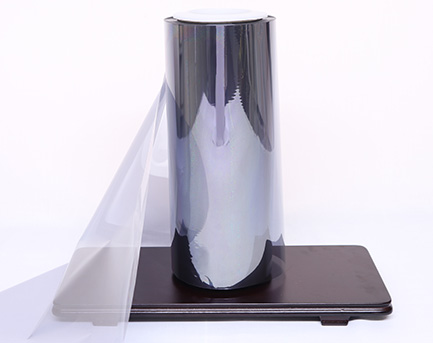
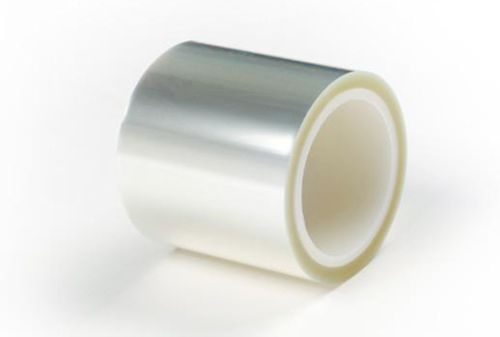
PET AlOx Film can provide a transparent barrier window, yet the finished pack may look cloudy after rubbing against other packs or a transport carton. Before selecting another barrier grade, identify the surface that has been marked. Scuffing on an outside PET face is not the same defect as abrasion of an exposed oxide coating, and neither should be diagnosed from a general description such as “the clear film is scratched.”
Cailong's AlOx Film Supplier range includes PET-AlOx-T, a printable grade with a protective top coating over the transparent AlOx-coated BOPET base. That construction is relevant when reviewing how the barrier web is printed and laminated. It does not establish a universal scratch-resistance rating for every exposed face of a completed package. Appearance protection still depends on which layer meets the rubbing contact.
Draw the viewing window through every layer
Start with a cross-section that identifies the outside surface, printed areas, top-coated oxide face, adhesive and inside sealant. Mark the clear window on the artwork and the physical sample. The brochure shows PET-AlOx-T with printing laminated to CPP or PE; the converter must confirm the intended face orientation and adhesive interfaces for the actual construction. A verbal layer list leaves too much room for misunderstanding.
If the barrier web is inside a multilayer structure, damage visible from outside may belong to another film. If it is the outside web, the exposed PET or coated face must be identified explicitly. Avoid assuming that a protective top coating is automatically the surface that meets the carton. Its position follows the chosen laminate, and that position determines what a rubbing test is actually assessing.
Find the contact that changes the window
Inspect the incoming film, printed web, made pouch and packed product in sequence. A mark present before carton packing points toward conversion or handling. A mark that first appears after packed-product movement warrants reviewing pack-to-pack and pack-to-carton contact. Record whether scratches have a preferred direction or repeat at the same position. These patterns can identify guides, rollers, carton edges or raised features as possible contacts.
Use the real filled pouch for the transport-related investigation. The contents can push the clear panel outward and change the contact pressure compared with an empty bag. Fill quantity, headspace, package curvature and the way packs are arranged in the carton all affect where rubbing occurs. An abrasion test on a flat, unstressed coupon may therefore answer a different question from the customer complaint.
Separate removable marks from damaged material
Some cloudy marks are transferred material or surface residue rather than a groove in the film. Examine a retained specimen before attempting cleaning, then assess a separate specimen using a compatible method agreed with the converter. Aggressive wiping can add scratches or change the surface and erase useful evidence. Preserve an untreated example so that the original condition remains available for comparison.
Inspect the clear area with consistent illumination and magnification where helpful. A broad loss of gloss, a group of fine lines and a localized gouge should be recorded separately. For appearance approval, define the viewing distance and lighting relevant to the pack. A defect that is conspicuous against dark contents may be difficult to see on an empty transparent specimen, so include the intended product background.
Test barrier only when the relevant layer is challenged
A visible scuff does not establish the extent of barrier damage. Conversely, absence of an obvious mark does not prove that an exposed functional coating is unchanged. Compare barrier measurements on specimens from the affected location with an unabraded reference from the same laminate. State whether the laboratory is measuring bare film or a converted structure and retain the sample-location record.
Ask for OTR and WVTR results under the required temperature and humidity, without transferring a value from another grade. If the oxide is buried beneath an intact outer layer, that layer arrangement belongs in the interpretation. If abrasion reaches the coating or removes part of a covering layer, inspect that condition specifically. Keep optical acceptance and barrier acceptance distinct even when both arise from the same handling event.
Compare an outer-surface change with a packing change
The next trial might assess a different exposed finish, an additional protective layer or a revised carton arrangement. These alternatives do different jobs. A packing change can remove the offending contact without altering the barrier construction. An outer-film change may improve appearance but also change printing, stiffness and the feel of the pouch. Compare the full consequences rather than ranking candidates by a loose-film scratch demonstration.
Where an overprint coating is proposed, assess it with the actual ink system and clear-window design. It adds another interface and another converting step. Its appearance, adhesion and suitability for the package must be established by the relevant suppliers. Do not claim that PET-AlOx-T makes an added coating unnecessary, or that any coating marketed as protective will preserve the existing optical result.
Qualify PET AlOx Film in the filled pack
Repeat the identified rubbing contact with the selected construction and the existing package as a reference. Keep the packing arrangement and fill conditions unchanged during that comparison. Review both the worst-contact region and the rest of the window. A trial that simply relocates damage to another panel should not be treated as a complete correction, particularly when the brand relies on product visibility across a broad clear area.
Check printing and laminate integrity after the appearance trial. Scuff control must not introduce ink removal, poor bonding or a new crease at the window boundary. Agree on the acceptable visual condition and the required protection before deciding which change to retain. This keeps the selected film connected to the customer's retail appearance requirement as well as the barrier function that justified the project.
For a PET-AlOx-T review with Cailong, supply the face-labelled laminate drawing, photographs before and after the contact event, and a filled sample showing the affected window. Describe the rubbing material, carton layout and optical acceptance conditions. Add the required barrier measurements so that the supplier can distinguish an exposed-surface problem from damage to the functional layer and propose a relevant material trial.