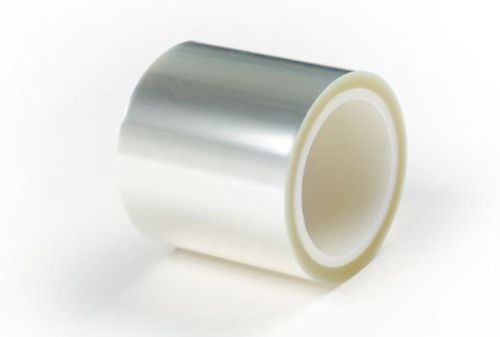
Why Adhesion Is Critical in Metallized PET Film
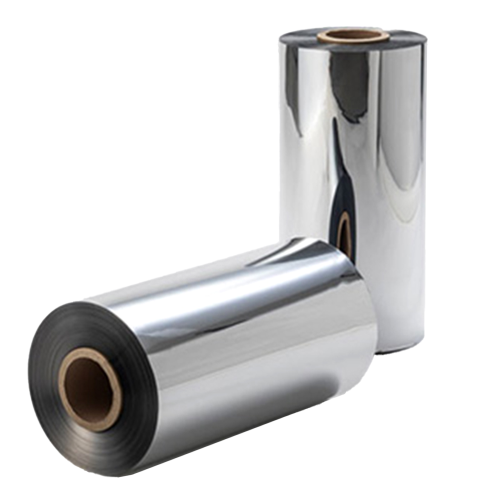
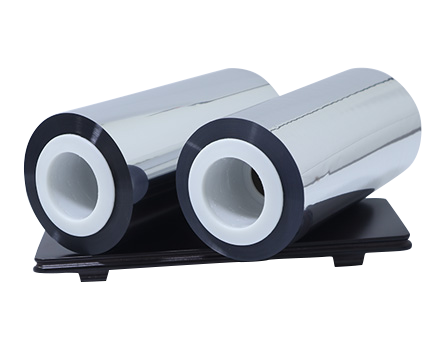
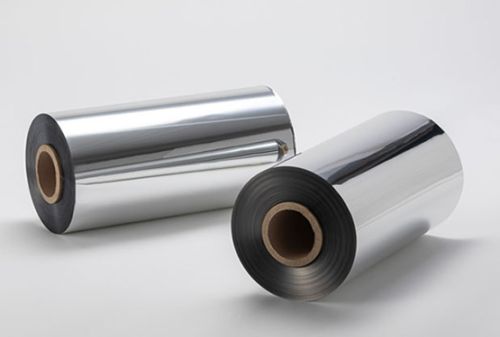
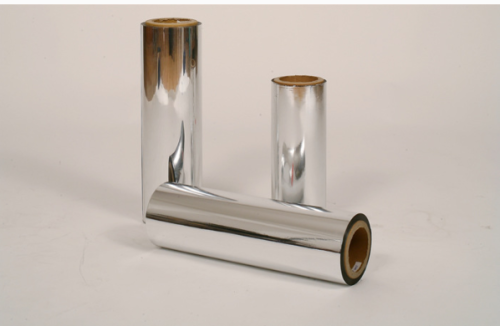
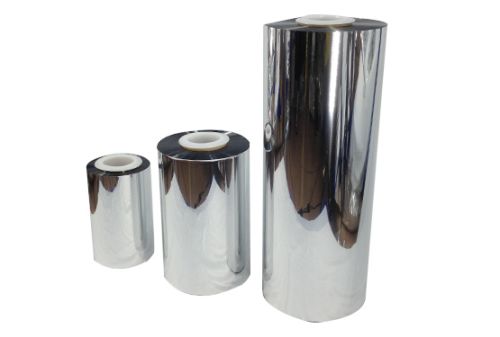
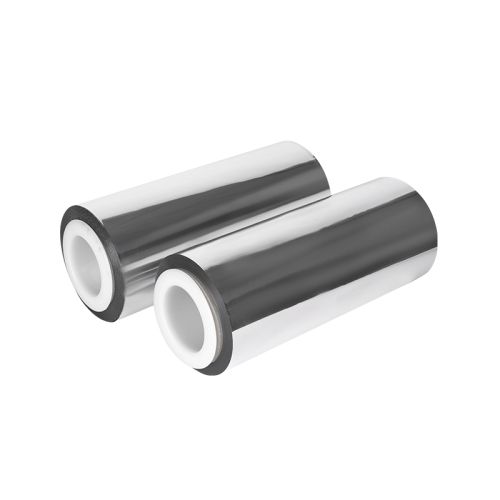
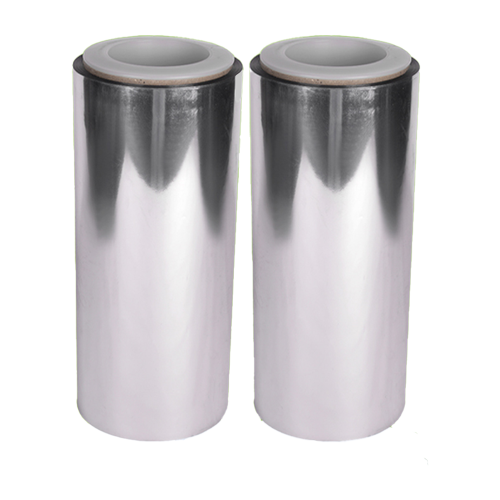
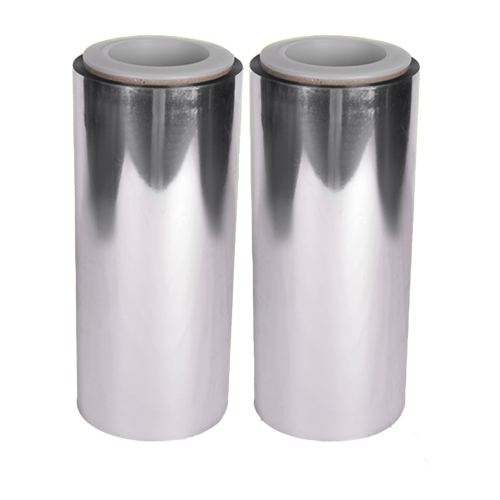
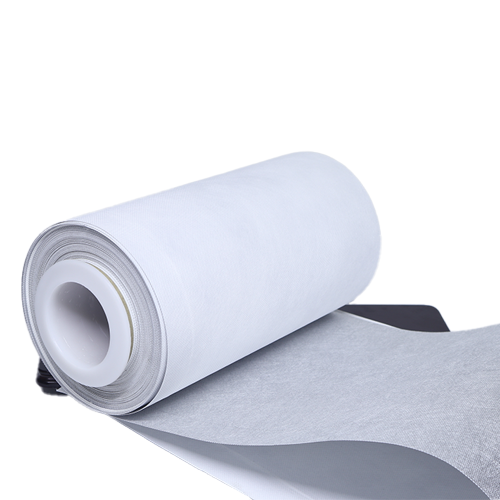
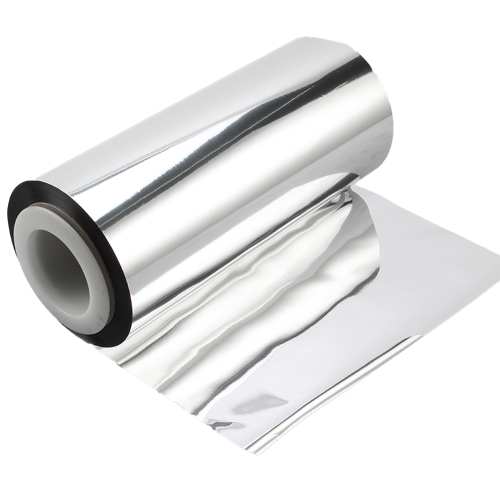
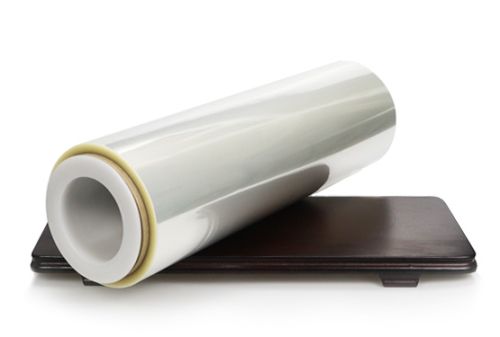
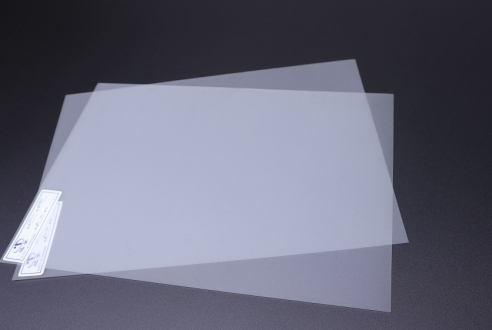
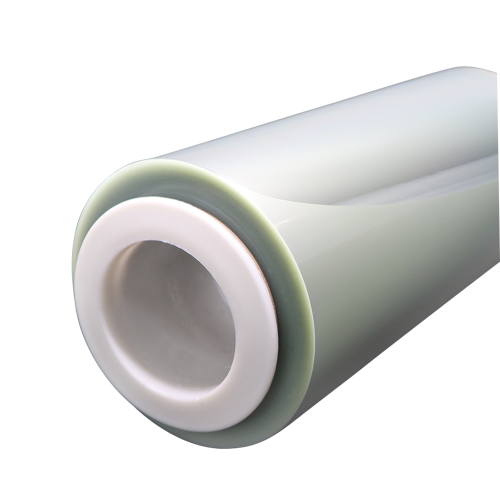
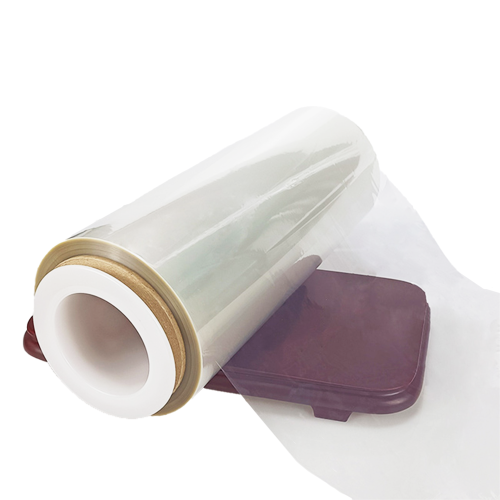
Metallized PET Film is widely used as a functional barrier and decorative layer in flexible packaging. A thin aluminum layer is deposited onto a PET substrate, creating a lightweight material with metallic appearance, light shielding, and improved protection against oxygen and moisture.
The deposited aluminum layer must remain attached to the PET throughout multiple converting operations. If adhesion is insufficient, the metal may transfer to an adhesive, separate from the substrate, or become damaged during printing and lamination.
This can result in:
Reduced laminate bond strength
Uneven metallic appearance
Loss of barrier performance
Delamination during storage
Increased production waste
Customer complaints
Shorter product shelf life
Cailong High Adhesion Metallized PET Film provides aluminum-layer adhesion of at least 2.5 N/15 mm. This supports more stable converting and helps packaging manufacturers maintain the functional integrity of laminated structures.
Understanding Aluminum-Layer Adhesion
Aluminum-layer adhesion refers to how securely the deposited metal is attached to the PET surface. It should not be confused with the total peel strength of a finished laminate.
Finished laminate strength depends on several interfaces:
Aluminum layer to PET substrate
Printing ink to film surface
Adhesive to the metallized surface
Adhesive to the second film
Any primer or coating used in the structure
A weak interface can limit the strength of the entire laminate. For example, a high-performance adhesive cannot compensate for an aluminum layer that is poorly anchored to the PET substrate.
When buyers compare adhesion data, they should confirm the test method, sample width, tape or adhesive system, curing time, test speed, and environmental conditions. Values measured using different procedures may not be directly comparable.
How Humidity Affects Lamination Reliability
Flexible packaging may be produced, stored, and used in environments with changing humidity. Moisture can affect adhesive curing, surface condition, bond development, and the dimensional behavior of packaging materials.
Cailong High Adhesion Metallized PET Film is designed to maintain aluminum-layer adhesion of at least 2.5 N/15 mm, helping the metallized layer remain stable when humidity conditions fluctuate.
However, film adhesion is only one part of humidity resistance. Converters should also control:
Film-storage humidity
Residual moisture
Adhesive mixing
Coating weight
Drying efficiency
Residual solvent
Curing temperature
Curing time
Storage conditions after lamination
If moisture-sensitive adhesives are used, poor environmental control can create incomplete curing or weak bonding even when the Metallized PET Film itself is stable.
Testing should include both standard laboratory conditions and the humidity range expected during production and distribution.
Barrier Protection for Sensitive Products
High Adhesion Metallized PET Film provides protection against moisture, oxygen, light, and ultraviolet exposure. These functions are important for products whose flavor, texture, appearance, or chemical stability may deteriorate during storage.
Oxygen can contribute to oxidation and aroma loss. Moisture can soften dry foods or affect powdered products. Light may damage sensitive ingredients, colors, or pharmaceutical formulations.
Potential applications include:
Nuts and dried fruits
Tea and coffee
Chocolate and confectionery
Dehydrated foods
Flavors and seasonings
Pharmaceutical packaging
Electronic-component protection
Cosmetic and personal-care packaging
Labels and decorative materials
The required barrier level varies by application. Buyers should define target oxygen transmission, water vapor transmission, light protection, and shelf life before choosing the material.
Barrier data should be reviewed together with the test temperature, humidity, and method. The finished package must also be tested after printing, lamination, folding, and sealing.
Barrier Retention After Converting
A metallized film may produce strong barrier results before processing but lose performance after flexing, folding, or pouch making. Microscopic damage to the aluminum layer can create pathways for oxygen and moisture.
High aluminum-layer adhesion helps maintain coating integrity, but converters should still use appropriate web-handling conditions.
Potential sources of damage include:
Excessive web tension
Rough or contaminated rollers
High nip pressure
Sharp folds
Repeated flexing
Scratching during slitting
Poor winding
Telescoped or crushed rolls
Aggressive adhesive chemistry
Barrier testing should be performed at several stages: on the original film, after lamination, after pouch making, and after simulated transportation. This helps determine where any performance loss occurs.
Printing and Lamination Compatibility
High Adhesion Metallized PET Film is generally used within a printed or laminated structure. The converter must establish compatibility among the film, ink, adhesive, and companion substrate.
Before commercial production, testing should include:
Surface-treatment level
Ink wetting and adhesion
Adhesive coating uniformity
Initial bond strength
Fully cured bond strength
Metal transfer during peeling
Appearance after curing
Residual solvent
Barrier retention
Resistance to product contents
The intended printing or laminating surface should be clearly identified. Incorrect orientation may reduce adhesion or create processing problems.
Converters should avoid drawing conclusions from laminate testing performed before full adhesive cure. The required curing period depends on the adhesive system, coating weight, temperature, and structure.
Replacing Aluminum Foil in Suitable Applications
Metallized PET Film can be considered as an alternative to aluminum foil in selected packaging structures. It uses a very thin deposited metal layer, providing a lightweight, flexible, and potentially more cost-efficient solution.
Possible advantages include:
Lower material weight
Improved flexibility
Good metallic appearance
Easier high-speed converting
Reduced risk of rigid foil creasing
Lower packaging cost in suitable structures
However, High Adhesion Metallized PET Film is not identical to aluminum foil. Foil generally provides a more absolute barrier when undamaged, while metallized film performance depends on coating quality, handling, and laminate design.
Material replacement should begin by defining the functions performed by the existing foil. Buyers should evaluate light barrier, oxygen and moisture protection, stiffness, puncture behavior, folding, sealing, and shelf life.
A production and storage trial is essential before commercial replacement.
Food Packaging Applications
Cailong High Adhesion Metallized PET Film can support packaging for dry foods, snacks, coffee, tea, chocolate, spices, and other products requiring protection from oxygen, moisture, and light.
For dry snacks, moisture barrier and seal integrity may be the main concerns. For coffee and tea, aroma retention and oxygen protection may be more important. Chocolate packaging may require light shielding and temperature stability.
The laminate structure should be designed according to the product rather than relying on a standard construction for every food category.
The sealant layer, adhesive, printing ink, and Metallized PET Film must be compatible with the intended filling process and storage conditions. Food-contact compliance should be verified for the exact grade and target market.
Pharmaceutical and Technical Packaging
Pharmaceutical products and precision electronics may require protection from moisture, oxygen, light, dust, or electrostatic and environmental exposure.
High Adhesion Metallized PET Film can provide a stable barrier layer within protective packaging. Strong aluminum adhesion is valuable because packaging failures may expose sensitive contents to the environment.
Pharmaceutical applications require detailed qualification of the entire package, including migration, seal integrity, barrier stability, traceability, and storage performance.
For electronic products, buyers should consider whether the packaging requires moisture barrier, light shielding, electrostatic control, or corrosion protection. Metallized PET should not be assumed to provide every electrical function without specific testing.
Roll Quality and Production Efficiency
International buyers often focus on laboratory data while overlooking roll quality. Poorly wound rolls can create production waste even when the film meets its nominal adhesion and barrier specifications.
Important roll-quality factors include:
Stable winding tension
Smooth roll surface
Accurate width
Consistent thickness
Clean edges
Minimal wrinkles
No telescoping
Suitable core alignment
Protected metallized surface
Clear roll identification
Converters should inspect incoming rolls and document any damage before production. Rolls should be stored in their original packaging under recommended environmental conditions.
Allowing cold rolls to reach the production-room temperature before opening can help reduce condensation risk in some environments.
Measuring Total Packaging Value
Price per kilogram is only one part of material cost. A film with stable adhesion may reduce waste, customer complaints, production interruptions, and rejected laminates.
Buyers should consider:
Film yield
Printing and lamination speed
Adhesive consumption
Scrap rate
Curing time
Pouch-making efficiency
Barrier-related shelf-life losses
Delamination risk
Transportation and storage cost
Finished-package weight
High Adhesion Metallized PET Film may offer greater value when the cost of packaging failure is significant. A small price difference in the film can be outweighed by reduced waste and more consistent production.
Supplier Qualification Questions
Before approving a High Adhesion Metallized PET Film supplier, buyers should ask:
How is aluminum-layer adhesion measured?
Is the stated value maintained across production batches?
What barrier test data are available?
What optical-density range is provided?
Which side should be printed or laminated?
What adhesives have been evaluated?
What storage conditions are recommended?
Which thicknesses and widths are available?
Can trial rolls be supplied?
Is batch-specific quality documentation available?
How are metallization uniformity and roll quality controlled?
Buyers should provide information about the product, laminate structure, adhesive, line speed, storage environment, and target shelf life.
Recommended Qualification Process
A structured trial reduces the risk of changing materials.
First, inspect the film and confirm basic dimensions, appearance, and adhesion. Second, conduct printing and lamination trials with the intended inks and adhesives. Third, allow the laminate to cure fully. Fourth, evaluate bond strength, metal transfer, appearance, and barrier performance.
The laminate should then be converted into finished packages and tested with the actual product. Storage and transportation simulations can reveal problems that are not visible immediately after production.
Commercial approval should be based on repeatable performance across representative batches rather than one successful laboratory sample.
Conclusion
Cailong High Adhesion Metallized PET Film provides aluminum-layer adhesion of at least 2.5 N/15 mm together with oxygen, moisture, light, and ultraviolet protection. It can be used in food, pharmaceutical, electronic, cosmetic, label, and decorative packaging and may replace aluminum foil in suitable structures.
Its main value lies in supporting stable lamination and reducing the risk of metal transfer, barrier loss, and delamination. To achieve reliable results, buyers should evaluate the complete package, adhesive system, converting conditions, roll quality, storage environment, and target shelf life.
A carefully qualified High Adhesion Metallized PET Film can improve both packaging protection and production consistency.