Content
PLA Metallized Film and the Demand for More Sustainable Packaging
Packaging manufacturers are under growing pressure to reduce their dependence on conventional petroleum-based plastics. Brand owners want packaging that communicates environmental responsibility, while converters still need dependable barrier performance, print quality, sealing efficiency, and production stability.
This creates a difficult material-selection problem. A film may be bio-based but unable to provide sufficient protection for moisture- or oxygen-sensitive products. Another film may offer excellent barrier performance but create an unsuitable end-of-life pathway.
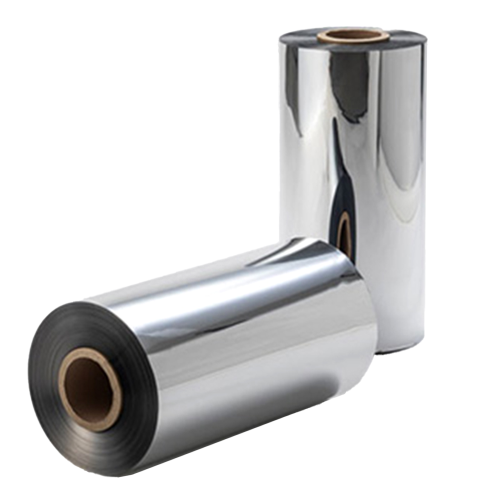
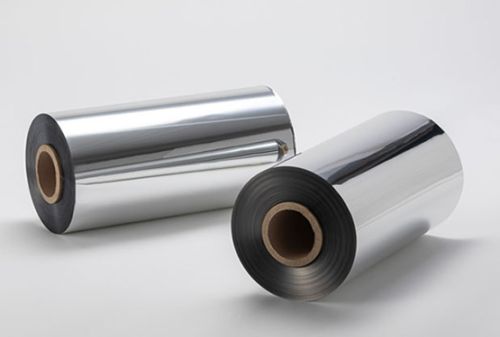
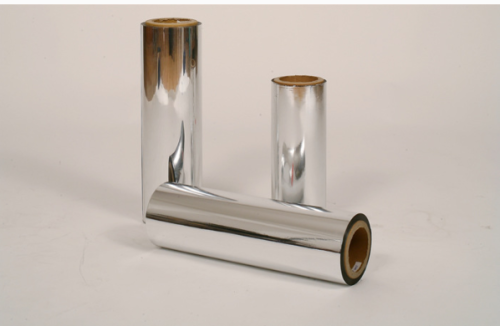
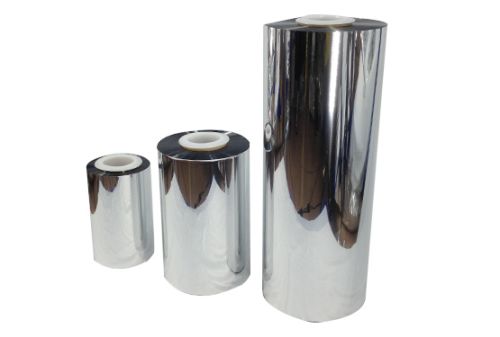
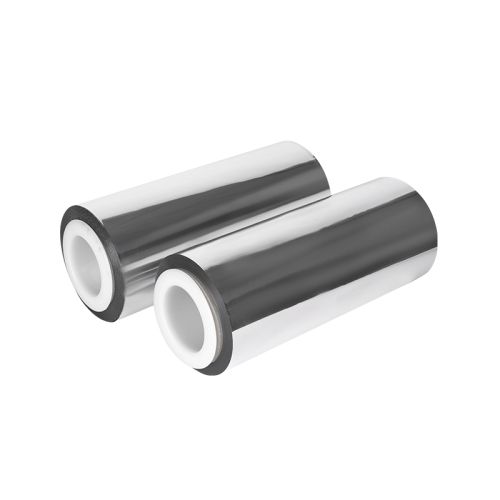
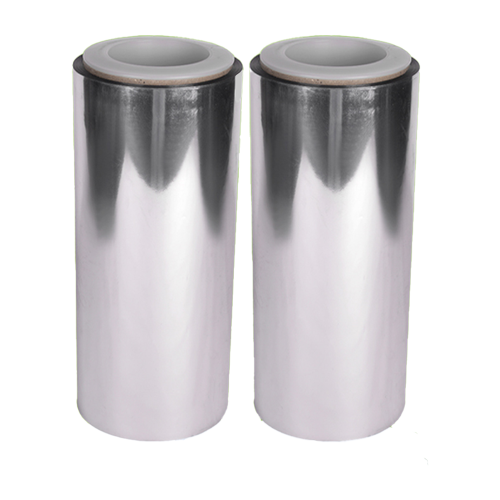
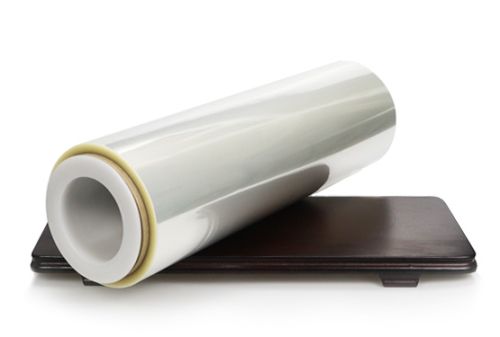
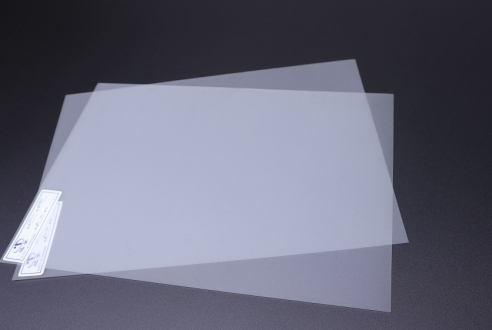
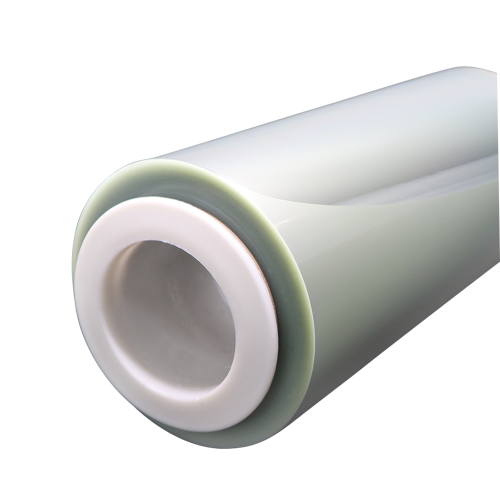
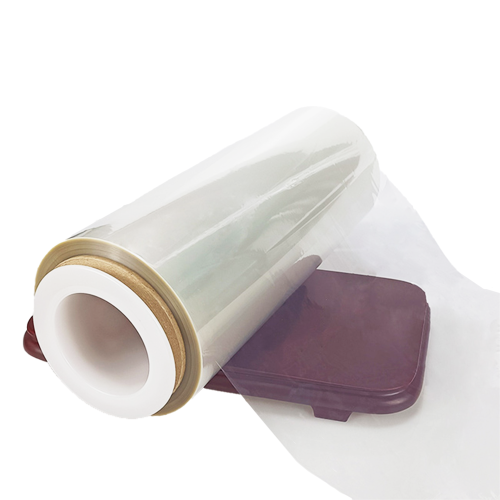
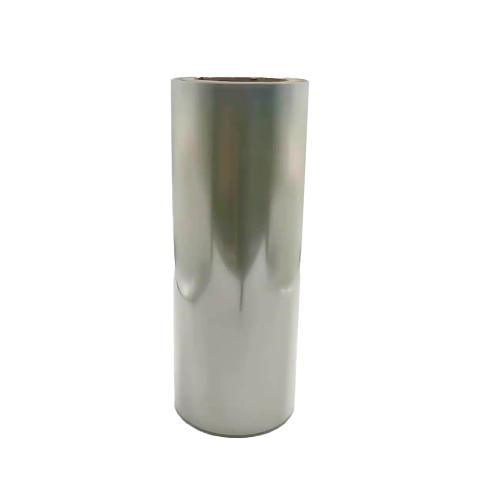
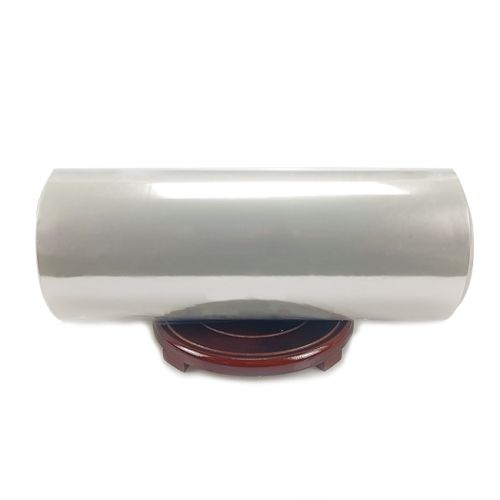
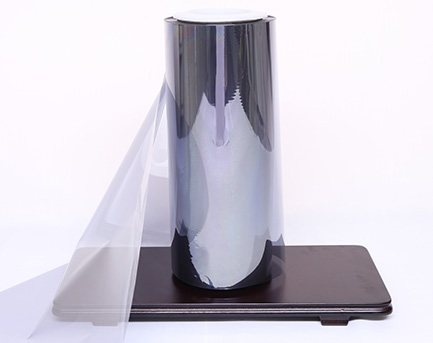
PLA Metallized Film is designed to address part of this challenge. PLA, or polylactic acid, can be produced from renewable plant resources such as corn and wheat. By applying a thin metallic layer, the film gains improved barrier and visual properties while retaining the fundamental advantages of a bio-based PLA substrate.
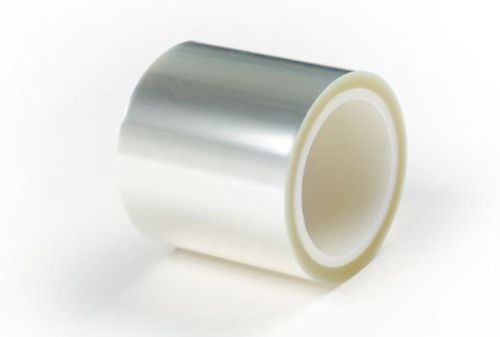
Cailong PLA Metallized Film combines renewable raw-material sourcing, degradability under suitable conditions, strong mechanical performance, heat-sealing capability, print adaptability, and enhanced barrier protection. It can be evaluated for food, pharmaceutical, and other packaging applications in which sustainability and product protection must be considered together.
Understanding the PLA Material Base
PLA is a bio-based polymer rather than a conventional fossil-based packaging plastic. Its renewable feedstock origin is an important reason why overseas buyers consider PLA Film when developing more sustainable packaging.
Under appropriate degradation conditions, PLA can break down into carbon dioxide and water. However, buyers should avoid presenting this process as if the film will disappear rapidly in every natural environment. Temperature, humidity, microorganisms, material thickness, package construction, and waste-treatment conditions all affect degradation.
A finished package may also contain inks, adhesives, coatings, sealants, zippers, labels, or other components. The environmental behavior of the entire package cannot be determined from the PLA substrate alone.
When environmental claims are important, buyers should clarify:
Whether the target claim is bio-based, biodegradable, or compostable
Which market and waste-management system the package will enter
Whether industrial or home-composting conditions are expected
Which test method or certification the customer requires
Whether every component in the finished package supports the intended claim
How the package should be labeled for correct disposal
Cailong PLA Metallized Film provides a material foundation for sustainable packaging development, but brand claims should be based on the verified performance of the complete structure.
Why Metallization Is Added to PLA Film
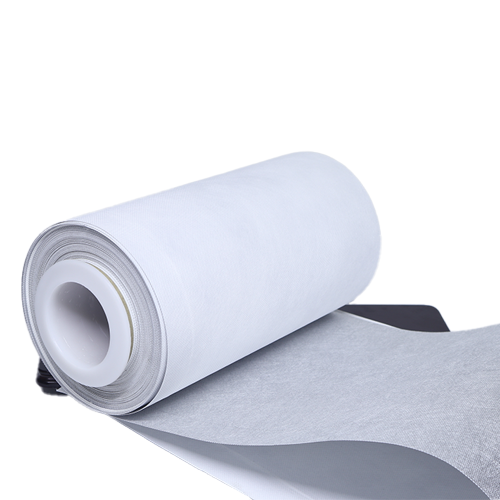
Uncoated PLA Film can provide transparency, printability, and bio-based material value, but sensitive products may require stronger protection against oxygen, moisture, and light.
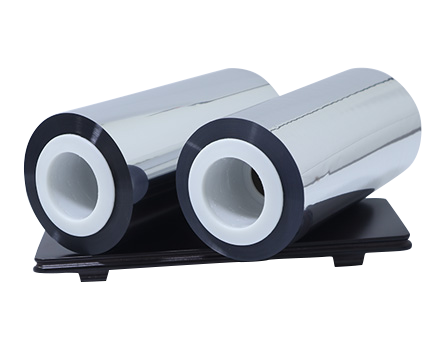
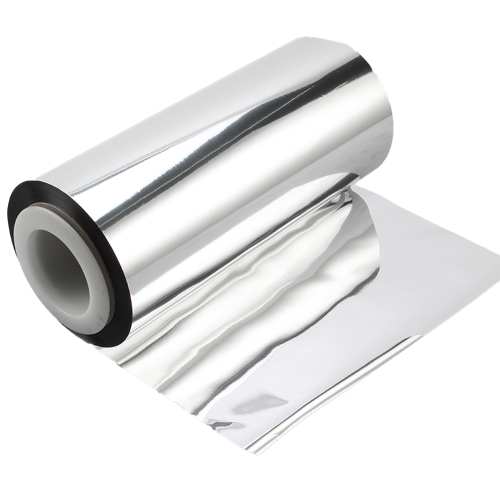
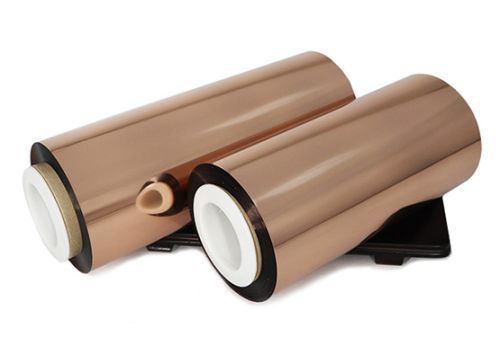
Metallization deposits a very thin metal layer on the film surface. This treatment enhances the barrier properties of PLA Film and gives the material a reflective metallic appearance.
Improved barrier performance can help packaging maintain product quality by reducing exposure to environmental factors. Oxygen can accelerate oxidation, discoloration, aroma loss, and deterioration of sensitive ingredients. Moisture can soften dry foods, affect powder flow, or change product texture. Light can also damage certain food, pharmaceutical, and cosmetic formulations.
PLA Metallized Film is therefore particularly relevant when a bio-based film needs additional functional protection. The metallized layer may help extend shelf life and reduce product waste, although the actual result must be confirmed through testing with the intended product and package.
Barrier Performance Must Match the Product
The expression “high barrier” does not have the same meaning for every application. A snack product, pharmaceutical item, dry ingredient, and personal-care product may require very different levels of oxygen, moisture, aroma, and light protection.
Before requesting PLA Metallized Film, buyers should define:
The sensitivity of the product to oxygen
The maximum acceptable moisture gain or loss
The required light barrier
The target shelf life
The filling and sealing process
Storage temperature and humidity
Expected distribution conditions
Whether the package will be folded, flexed, or compressed
Barrier data should always be reviewed together with the test conditions. Oxygen transmission rate and water vapor transmission rate may change according to temperature, humidity, film thickness, and test method.
Buyers should also test the completed laminate and finished package. Printing, lamination, folding, pouch making, sealing, and transportation can affect the integrity of the metallized layer. Strong performance on an untouched film sample does not guarantee identical performance after converting.
Heat Sealing and Package Integrity
Cailong PLA Metallized Film provides good heat-sealing performance, which is important for efficient package production. Nevertheless, PLA behaves differently from common PE or PP sealant films, and the sealing window should be established through production trials.
Converters should identify the sealing temperature, dwell time, and pressure that produce reliable seals without damaging or distorting the film. The optimum settings depend on film thickness, package structure, equipment speed, and the surfaces being sealed.
Seal integrity should be tested under realistic conditions. Important tests may include seal strength, leakage, drop resistance, compression, aging, and exposure to the packaged product.
Contamination in the seal area must also be considered. Powders, oils, small food particles, and other residues may reduce sealing performance. If the filling process commonly creates contamination, the finished package should be tested with representative conditions.
A strong barrier film cannot protect the product if oxygen or moisture enters through an incomplete seal. For this reason, barrier and sealing performance must be developed as one packaging system.
Printing and Brand Presentation
PLA Metallized Film offers good printing adaptability and a metallic surface that can support premium visual effects. Transparent and colored inks can interact with the reflective background to create distinctive packaging designs.
For brands selling sustainable or premium products, the appearance of metallized PLA can help differentiate the package while communicating material innovation.
Printing trials should examine:
Ink adhesion
Color accuracy
Metallic brightness
Surface uniformity
Drying and curing conditions
Registration at production speed
Resistance to scratching
Compatibility with lamination adhesives
Appearance after pouch making
Converters should confirm which surface is intended for printing or lamination. Surface treatment level should be checked before processing, particularly if the film has been stored for an extended period.
The environmental profile of the inks and coatings should also be considered when the finished package is intended to meet a compostability or biodegradability claim.
Mechanical Performance During Converting
Cailong PLA Metallized Film provides strong tear resistance and mechanical properties comparable to conventional plastic packaging materials. These characteristics help the film withstand printing, lamination, slitting, and package production.
However, converters should not assume that PLA can be processed with exactly the same settings as PET, BOPP, or PE. Web tension, drying temperature, nip pressure, winding, and storage conditions may require adjustment.
Excessive heat can cause dimensional change, while excessive tension may create stretching, curling, or register variation. Sharp folds or rough rollers can damage the metallized surface and reduce barrier consistency.
A controlled production trial should evaluate:
Unwinding stability
Web flatness
Tension response
Printing registration
Drying-temperature tolerance
Lamination behavior
Slitting quality
Winding and roll formation
Pouch-making performance
Final barrier retention
Beginning with a pilot run allows converters to optimize settings before committing to a large commercial order.
Food Packaging Applications
PLA Metallized Film can be considered for food products requiring a combination of barrier protection, heat sealing, visual appeal, and more sustainable material positioning.
Potential applications include:
Dry snacks
Tea and coffee
Confectionery
Dried foods
Seasonings
Bakery products
Powdered ingredients
Specialty and organic foods
The suitability of PLA Metallized Film depends on the product formulation and shelf-life target. A dry snack may prioritize moisture barrier, while coffee may require strong oxygen and aroma protection. Products containing oil may require additional compatibility testing.
Food packaging must also be evaluated for the intended contact conditions. Buyers should request relevant documentation for the specific film grade and market rather than assuming that all PLA materials have identical compliance status.
Pharmaceutical and Healthcare Packaging
Cailong PLA Metallized Film can also be considered for certain pharmaceutical or healthcare packaging applications where barrier performance and environmental positioning are important.
Pharmaceutical packaging generally requires strict control of moisture, oxygen, light, seal integrity, cleanliness, and traceability. The required qualification process is therefore more demanding than for many general food applications.
The film should be tested with the actual product, packaging equipment, sterilization or storage conditions, and regulatory requirements. If the package contains adhesives or printing inks, these components must also be included in the assessment.
No film should be described as universally suitable for pharmaceutical use. The final decision must be based on the complete package and the requirements of the target market.
Comparing PLA Metallized Film with Conventional Materials
Buyers may compare PLA Metallized Film with metallized PET, metallized BOPP, aluminum foil, and uncoated PLA Film.
Metallized PET provides dimensional stability and strong barrier performance, but it is based on a conventional polyester substrate. Metallized BOPP is widely used in snacks and dry-food packaging and can support PP-based packaging structures. Aluminum foil provides strong light and gas barrier properties but may add weight and complexity.
Uncoated PLA Film offers transparency and renewable content but may not provide sufficient barrier for sensitive products. PLA Metallized Film improves protection and creates a metallic appearance while retaining a bio-based substrate.
The correct choice depends on the product, package design, machinery, price target, environmental objective, and available disposal infrastructure.
Evaluating the Complete End-of-Life Pathway
The presence of a biodegradable PLA substrate does not automatically make a multilayer package suitable for every composting or waste-treatment system.
A package may contain noncompostable adhesives, inks, labels, valves, zippers, or sealants. Metallization may also need to be evaluated within the applicable certification framework.
International buyers should identify the intended destination market early in development. Composting infrastructure and labeling rules vary significantly among countries and regions.
Responsible communication should specify the conditions under which the package is designed to degrade. General phrases such as “environmentally friendly” or “completely green” may be difficult to verify and can create regulatory or customer risk.
Questions to Ask a PLA Metallized Film Supplier
Before selecting a supplier, buyers should request information about both film performance and application support.
Useful questions include:
What PLA substrate and film structure are used?
What barrier test data are available?
Under what conditions were the values measured?
Which side is intended for printing or lamination?
What sealing range is recommended?
What storage conditions are required?
How should the metallized surface be protected?
Which widths and thicknesses are available?
Can samples be provided for machine trials?
What documentation is available for the intended market?
How is roll-to-roll consistency controlled?
The supplier should also be informed about the product, laminate structure, filling process, shelf-life target, and environmental claim.
Conclusion
Cailong PLA Metallized Film combines renewable plant-derived PLA with enhanced oxygen, moisture, and light protection. Its tear resistance, mechanical properties, heat-sealing performance, printing adaptability, and metallic appearance make it relevant to food, pharmaceutical, and other value-added packaging applications.
Successful adoption requires a complete packaging assessment. Buyers should verify barrier requirements, sealing performance, converting conditions, product compatibility, environmental claims, and the end-of-life pathway of every package component.
When appropriately designed and validated, PLA Metallized Film can help packaging manufacturers move toward bio-based materials without overlooking the functional protection required by modern supply chains.