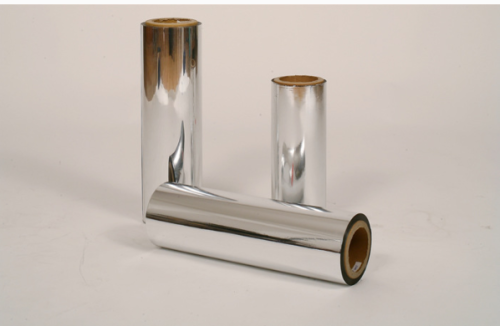
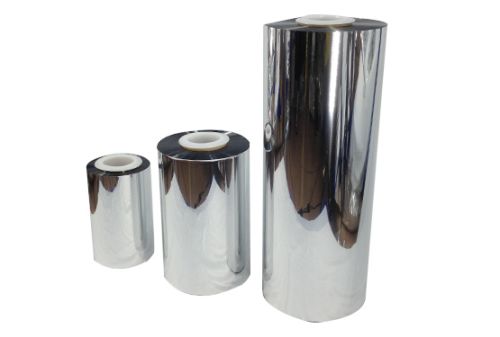
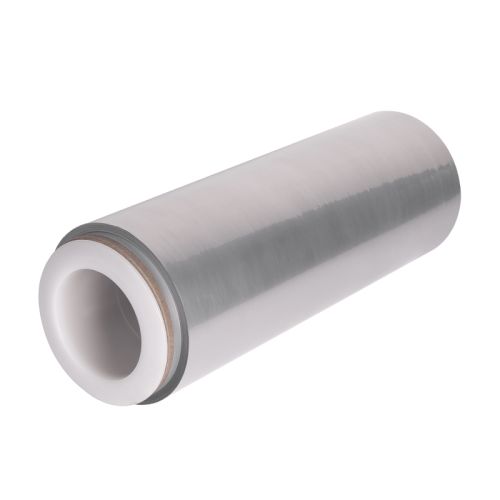
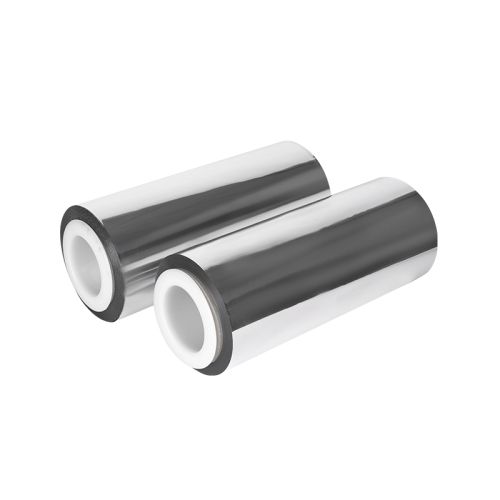
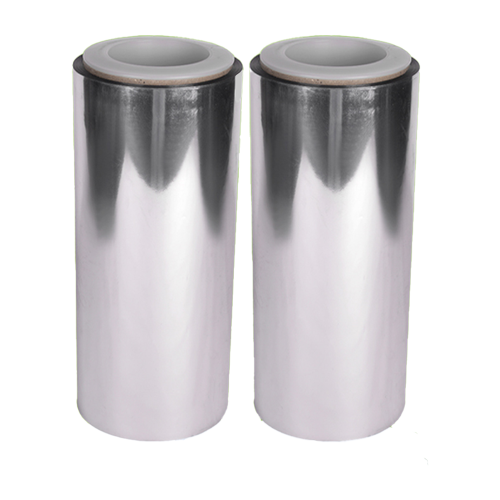
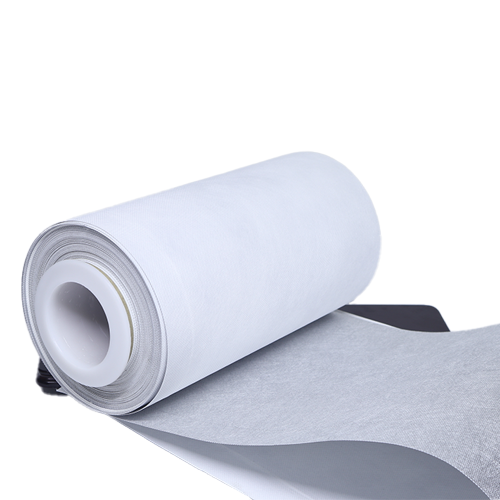
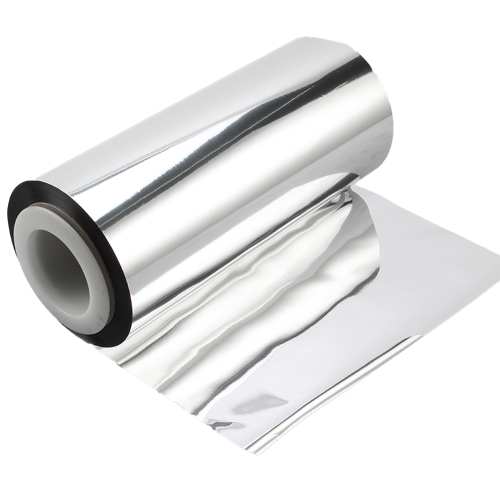
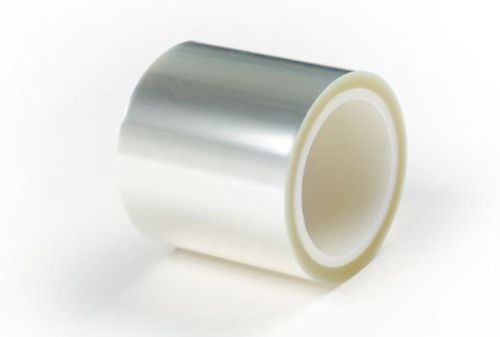
What Is Single-Side PVDC Coated BOPP Film?
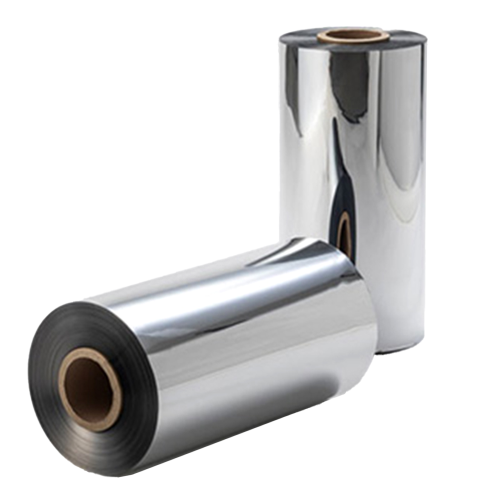
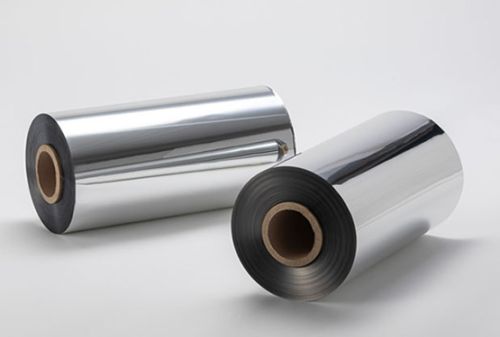
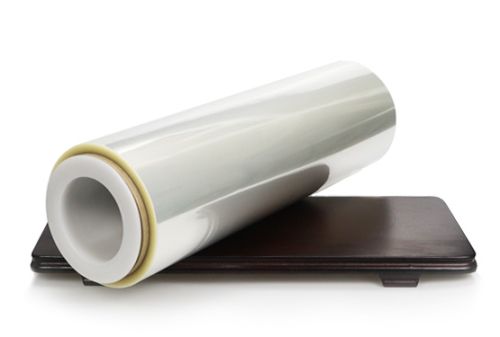
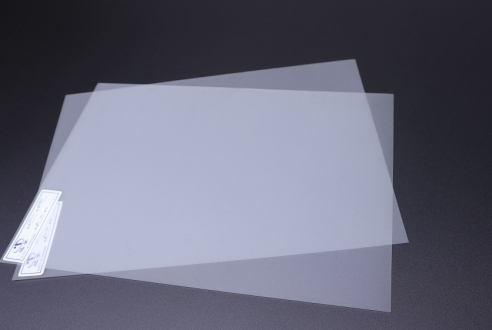
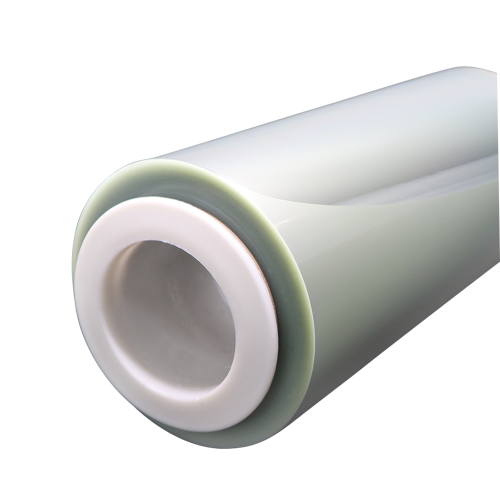
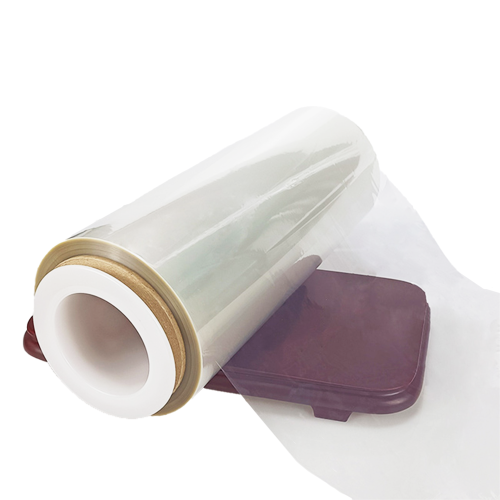
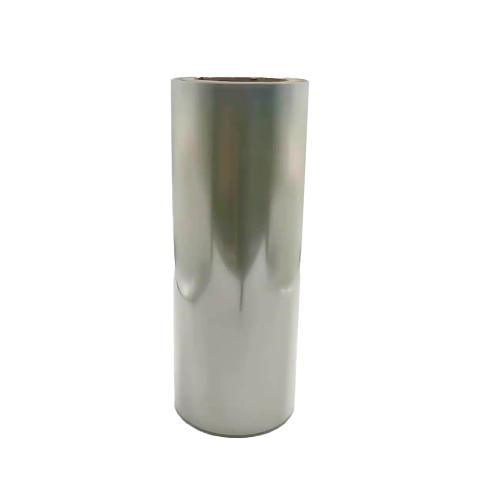
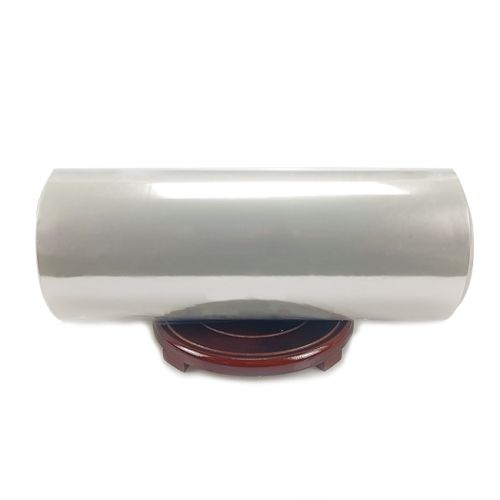
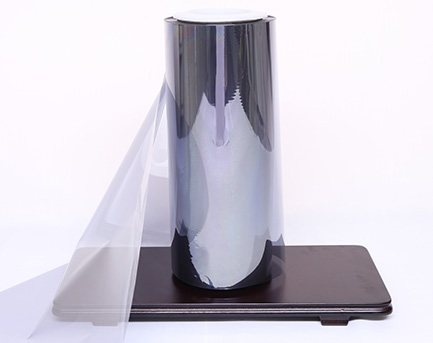
Single-side PVDC coated biaxially oriented polypropylene (BOPP) film is produced by applying a polyvinylidene chloride (PVDC) coating onto the corona-treated surface of a standard BOPP base film. The opposite side remains non-corona treated.
BOPP is one of the most widely used packaging substrates due to its low density, high transparency, excellent moisture barrier, and cost-effectiveness. Adding a PVDC coating on one side significantly upgrades its gas barrier, oil resistance, and aroma retention — making it suitable for applications that would otherwise require more expensive films like PET or metallized structures.
Key advantage over PVDC coated PET: BOPP is lighter (density ~0.91 g/cm³ vs. PET ~1.39 g/cm³), clearer, and generally lower cost. It also provides inherent moisture barrier superior to PET, making it a popular choice for dry snacks.
PVDC Coated BOPP vs. PVDC Coated PET
| Property | PVDC Coated BOPP | PVDC Coated PET |
|---|
| Density | ~0.91 g/cm³ (lighter) | ~1.39 g/cm³ (heavier) |
| Transparency | Excellent (>92%) | Excellent (>88%) |
| Inherent moisture barrier | Very good | Moderate (needs coating) |
| Gas barrier (after PVDC) | Excellent | Excellent |
| Oil / aroma barrier | Excellent | Excellent |
| Stiffness | Lower (softer feel) | Higher (crisper feel) |
| Heat resistance | Moderate (max ~120°C) | Higher (max ~150°C+) |
| Typical cost | Lower | Higher |
| Common applications | Snacks, biscuits, cakes | Nuts, ham, retort, electronics |
Key Properties
1. Excellent Gas Barrier (O₂, N₂, CO₂)
- Low oxygen transmission rate (OTR) – prevents oxidation and rancidity
- Effective nitrogen/carbon dioxide barrier – supports modified atmosphere packaging (MAP)
- Extends shelf life for baked goods and snacks
2. Superior Oil Resistance & Aroma Retention
- PVDC coating blocks grease and oil migration
- Preserves delicate flavors (butter, vanilla, spices) and prevents odor pickup from outside
- Critical for high-fat products like cookies and cakes
3. Good Water Vapor Barrier
- BOPP already has excellent inherent moisture barrier; PVDC coating further enhances it
- Keeps biscuits crisp and cakes moist
4. Good Printability & Transparency
- The PVDC-coated side accepts printing inks well for vibrant graphics
- High clarity allows product visibility through transparent packaging
5. Lightweight & Cost-Effective
- Lower density means more yield per kilogram
- Reduces material cost and transportation emissions
Primary Applications
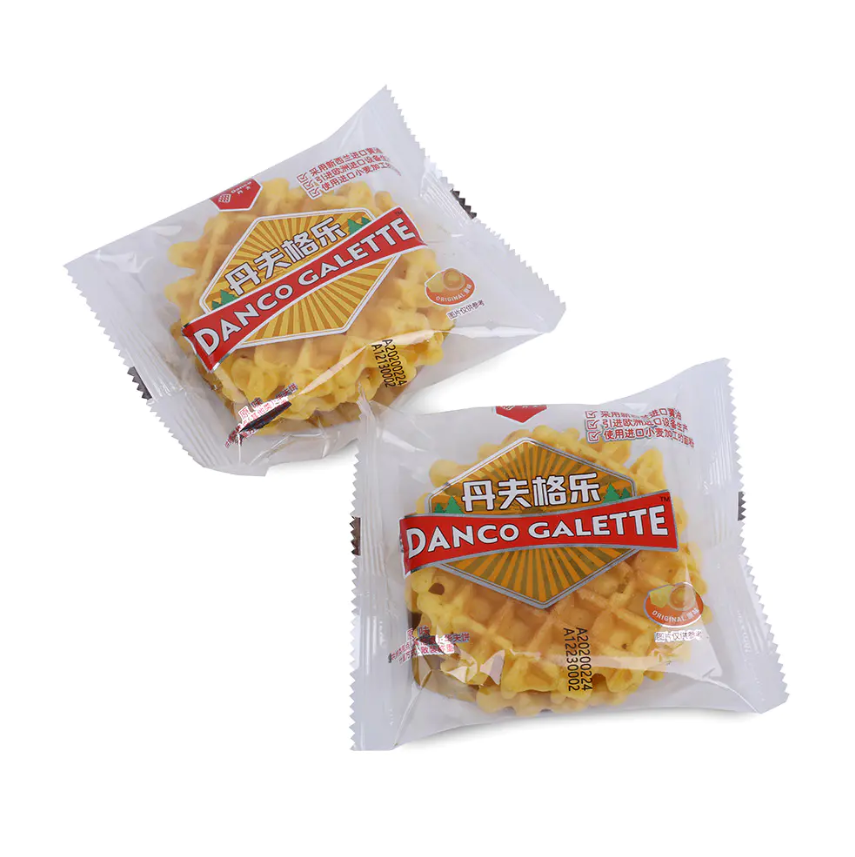
Food Packaging – Cookies & Cakes
- Cookies and biscuits: Need moisture barrier to stay crunchy and oil barrier to prevent staining the package.
- Cakes and pastries: Require oxygen barrier to delay staling, plus aroma retention to keep fresh-baked scent.
Food Packaging – Nuts
- Nuts (peanuts, almonds, cashews): High oil content leads to rancidity without proper oxygen and oil barrier.
- PVDC coated BOPP provides an economical alternative to metallized films while maintaining transparency.
Household Products – Mosquito Coil Wraps
- Mosquito coils contain volatile active ingredients that must be retained.
- PVDC coating prevents active compound loss and blocks external moisture.
- Transparent film allows visual inspection of the coil.
Technical Specifications (Typical Range)
| Parameter | Value |
|---|
| Base film thickness | 15–30 µm |
| PVDC coating weight | 2–5 g/m² (single side) |
| OTR (23°C, 0% RH) | ≤10–20 cc/m²·24h (varies by coating weight) |
| WVTR (38°C, 90% RH) | ≤3–8 g/m²·24h |
| Surface tension (coated side) | ≥38–42 mN/m (printable) |
| Transparency | >92% |
| Coefficient of friction | 0.3–0.6 (adjustable) |
Note: Exact barrier values depend on PVDC formulation, coating thickness, and base film quality. Always consult manufacturer datasheets.
FAQ (SEO Snippet Target)
Q: What is single-side PVDC coated BOPP film?
A: It is a BOPP film with a PVDC coating applied to one side (the corona-treated side) for enhanced gas, moisture, oil, and aroma barrier, while the other side remains uncoated.
Q: How does PVDC coated BOPP compare to metallized BOPP?
A: PVDC coated BOPP is transparent (metallized is opaque), offers comparable gas barrier, and is often preferred when product visibility is desired. Metallized BOPP has superior light barrier.
Q: Can PVDC coated BOPP be heat-sealed?
A: Typically, the uncoated side (non-corona) is used for heat-sealing or lamination. The PVDC side is usually the printing surface.
Q: Is PVDC coated BOPP suitable for microwave use?
A: Generally no. PVDC can degrade under microwave heating. For microwave applications, consider uncoated BOPP or alternative coatings.
Q: What foods benefit most from this film?
A: Dry snacks (cookies, crackers, nuts), baked goods (cakes, pastries), and any product needing oil resistance and aroma retention.
Conclusion
Single-side PVDC coated BOPP film offers an excellent balance of barrier performance, transparency, and cost-efficiency. By upgrading standard BOPP with a PVDC coating, converters can achieve gas and moisture barrier levels suitable for demanding snack and household packaging — without sacrificing the lightweight and clarity that make BOPP a favorite substrate.