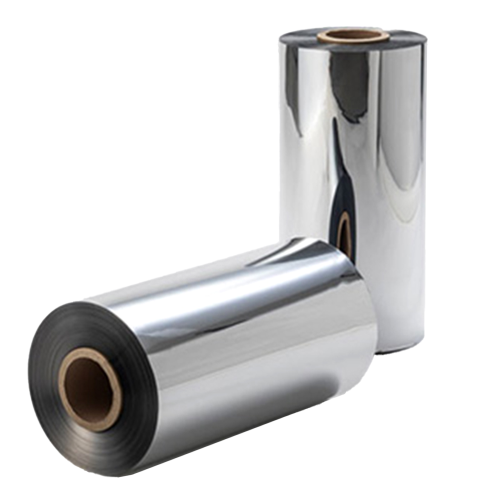
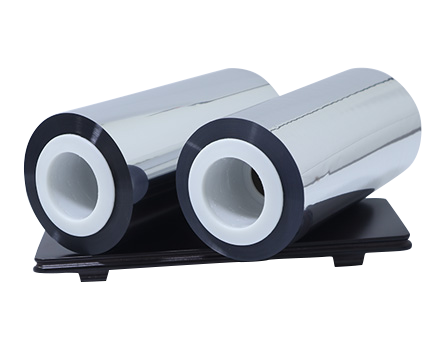
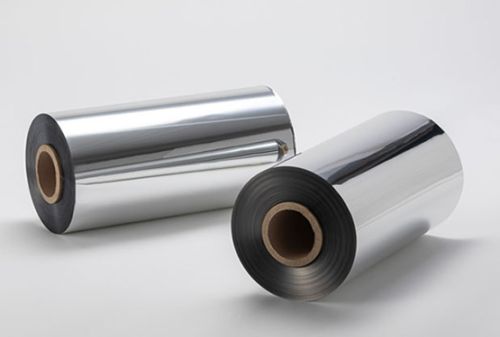
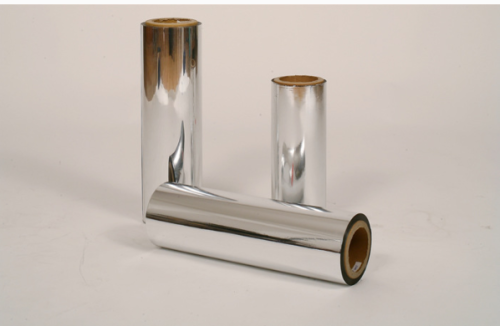
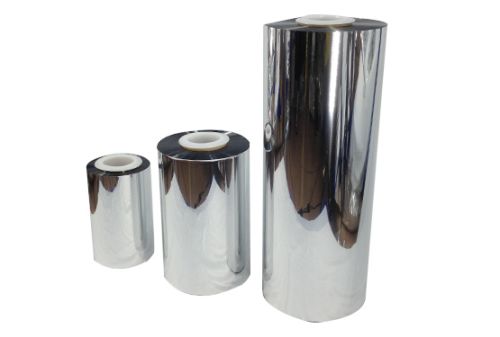
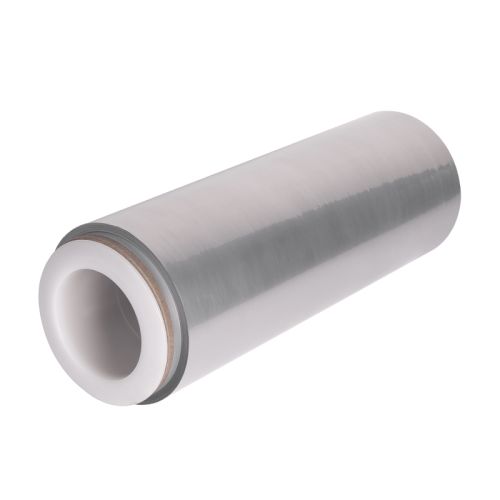
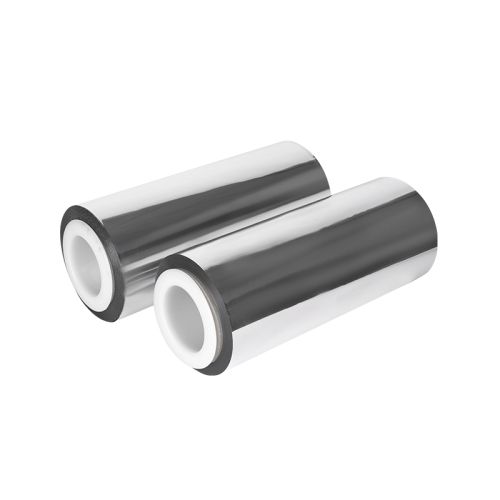
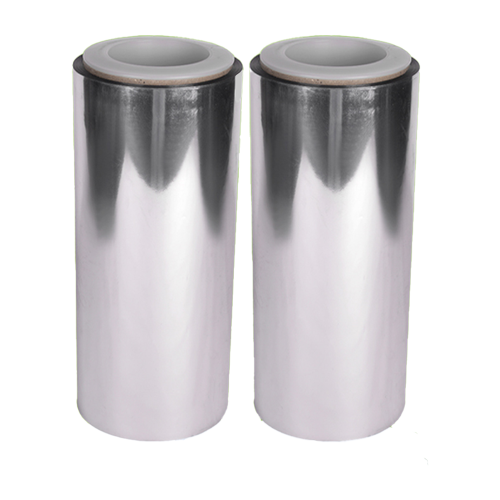
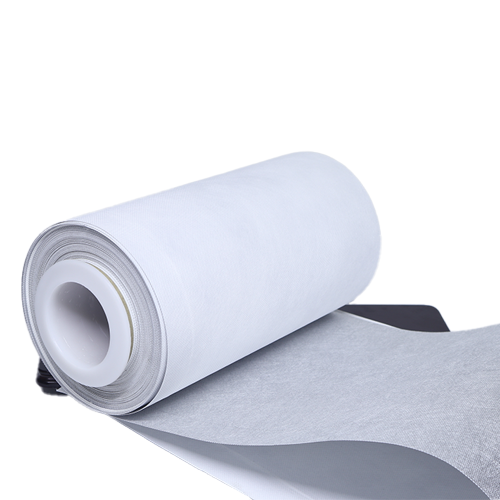
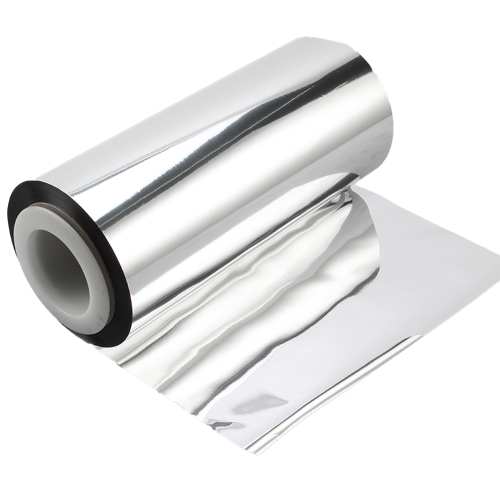
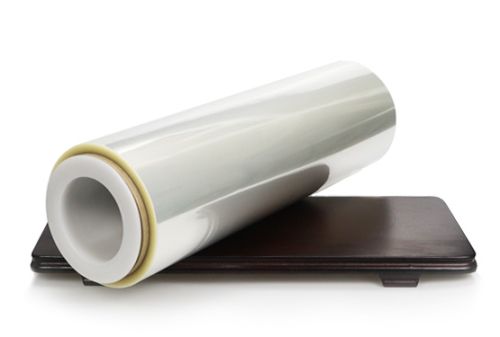
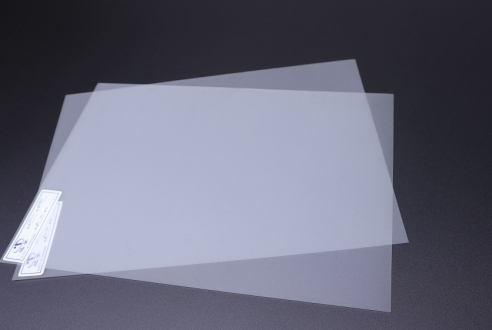
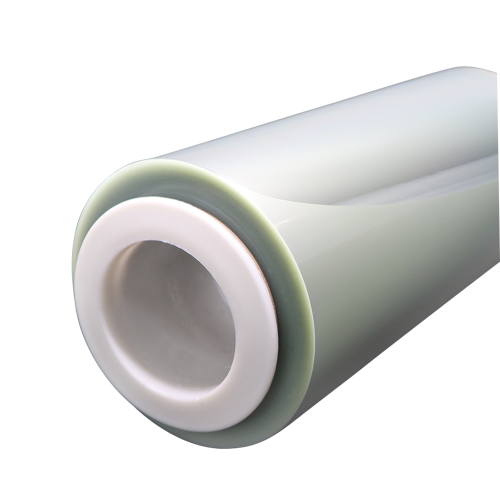
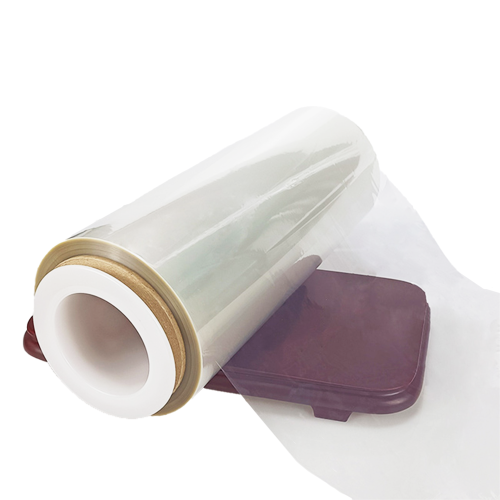
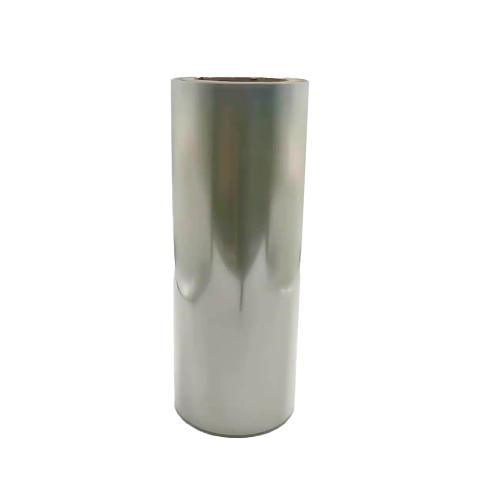
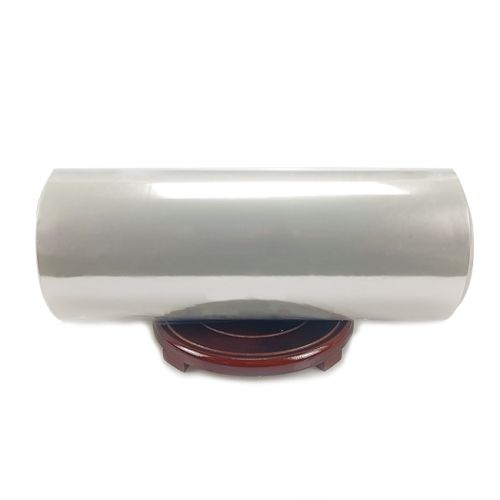
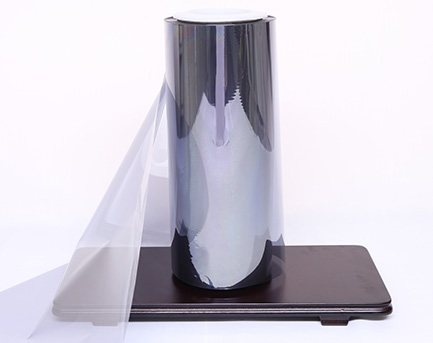
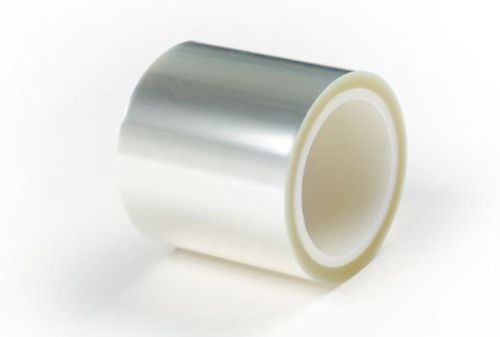
Single-side PVDC coated biaxially oriented polyester (BOPET) film is produced by applying a polyvinylidene chloride (PVDC) coating onto the corona-treated surface of a standard BOPET base film. The opposite side remains non-corona treated (non-electrified surface).
PVDC is widely recognized for its exceptional barrier properties against gases (oxygen, nitrogen, carbon dioxide), water vapor, and aromas. When combined with the mechanical strength and dimensional stability of BOPET, the result is a high-performance packaging material suitable for demanding food and household product applications.
Key design note: The PVDC coating is applied only on the corona side to ensure uniform wetting and adhesion. The non-corona side is left untreated for specific converting requirements (e.g., heat-sealing or lamination with other substrates).
How It Compares to Other Barrier Coatings
| Property | PVDC Coated BOPET | AlOx Coated BOPET | Metallized BOPET |
|---|
| Transparency | Transparent | Transparent | Opaque |
| Gas barrier (O₂) | Excellent | Excellent | Excellent |
| Moisture barrier | Excellent | Very good | Excellent |
| Aroma / oil barrier | Excellent | Good | Good |
| Microwave safe | No (PVDC may char) | Yes | No |
| Metal detectable | No | Yes | Yes |
| Printability | Good (coated side) | Good (with protective layer) | Requires surface treatment |
| Typical cost | Moderate | Higher | Lower |
Key Properties
1. Excellent Gas Barrier
- Low oxygen transmission rate (OTR) – protects oxygen-sensitive foods
- Effective barrier against nitrogen and carbon dioxide – maintains modified atmosphere packaging (MAP) conditions
- Extends shelf life significantly
2. Superior Oil Resistance & Aroma Retention
- PVDC coating resists penetration of oils and fats
- Prevents flavor loss and external odor ingress
- Critical for fatty foods (nuts, fried snacks, processed meats)
3. Good Water Vapor Barrier
- Low water vapor transmission rate (WVTR)
- Keeps dry products crisp and prevents moisture-induced spoilage
4. Good Printability & Transparency
- The PVDC-coated surface accepts inks well for high-quality reverse or surface printing
- High clarity allows product visibility (when combined with transparent sealant films)
5. Mechanical Strength of BOPET Base
- Excellent tensile strength, stiffness, and puncture resistance
- Good dimensional stability across temperature and humidity variations
Primary Applications
Food Packaging – Nuts & Ham
- Nuts (almonds, peanuts, cashews): High oil content requires oil barrier + oxygen barrier to prevent rancidity.
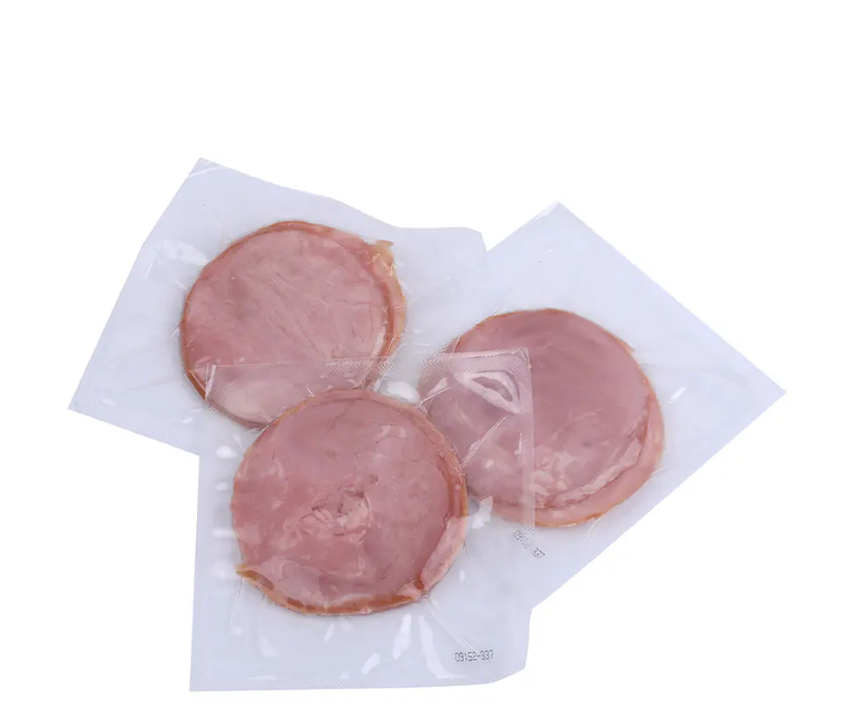
- Ham and processed meats: Needs oxygen barrier to maintain color and freshness, plus moisture barrier to prevent drying.
Food Packaging – Spicy Strips (Latiao) & Bread
- Spicy strips (latiao): Oil-rich, strongly flavored – PVDC’s oil resistance and aroma retention are essential.
- Bread and baked goods: Moisture barrier keeps bread soft; gas barrier extends mold-free shelf life.
Household Products – Mosquito Coil Wraps
- Mosquito coils contain volatile active ingredients that must be retained.
- PVDC coating prevents fragrance/active compound loss and blocks external moisture.
- Transparent film allows visual inspection of the coil.
Technical Specifications (Typical Range)
| Parameter | Value |
|---|
| Base film thickness | 12–23 µm |
| PVDC coating weight | 2–5 g/m² (single side) |
| OTR (23°C, 0% RH) | ≤10–20 cc/m²·24h (varies by coating weight) |
| WVTR (38°C, 90% RH) | ≤5–10 g/m²·24h |
| Surface tension (coated side) | ≥38–42 mN/m (printable) |
| Transparency | >88% |
| Coefficient of friction | 0.3–0.6 (adjustable) |
Note: Exact barrier values depend on PVDC coating formulation, coating thickness, and base film quality. Consult manufacturer datasheets for certified numbers.
FAQ (SEO Snippet Target)
Q: What is single-side PVDC coated BOPET film?
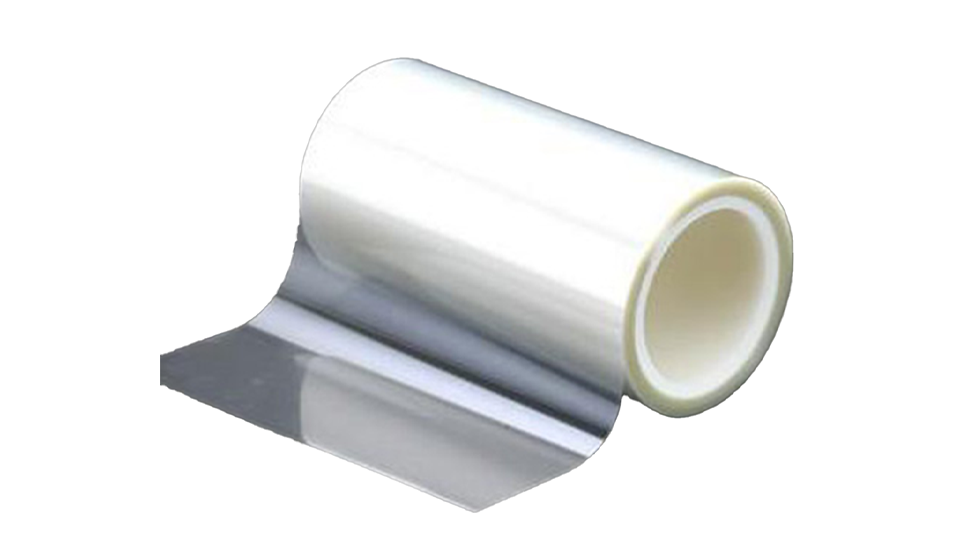
A: It is a BOPET film with a PVDC coating applied to one side (the corona-treated side) for enhanced gas, moisture, oil, and aroma barrier, while the other side remains uncoated.
Q: Can PVDC coated BOPET be printed?
A: Yes. The PVDC-coated side accepts printing inks well, making it suitable for reverse or surface printing in laminated packaging structures.
Q: Is PVDC coated film microwave-safe?
A: Generally no. PVDC can degrade or char under microwave heating. For microwave applications, consider AlOx or SiOx coated films.
Q: What foods benefit most from PVDC coated BOPET?
A: Foods high in oil or fat (nuts, fried snacks, processed meats), strong-flavored items (spicy strips, spices), and moisture-sensitive baked goods.
Q: Why use single-side coating instead of double-side?
A: Single-side coating balances cost and performance. The uncoated side can be used for heat-sealing or lamination with other materials without affecting barrier properties.
Conclusion
Single-side PVDC coated BOPET film is a versatile, high-barrier transparent film that excels in applications requiring a combination of gas barrier, oil resistance, aroma retention, and printability. It is particularly well-suited for fatty and strongly flavored foods (nuts, ham, latiao) as well as household products like mosquito coil wraps.
For converters and brand owners seeking a cost-effective alternative to metallized or AlOx films where transparency and oil barrier are priorities, PVDC coated BOPET remains a reliable and widely adopted solution.