An oily-looking mark spreading from a package edge can make a paper-based pack unacceptable even when the main printed panel looks intact. Buyers evaluating Metallized Paper should locate the contact path before changing the barrier material. A cut edge, a coated face and a leaking seal create different investigation questions, and a flat-web barrier result cannot distinguish them.
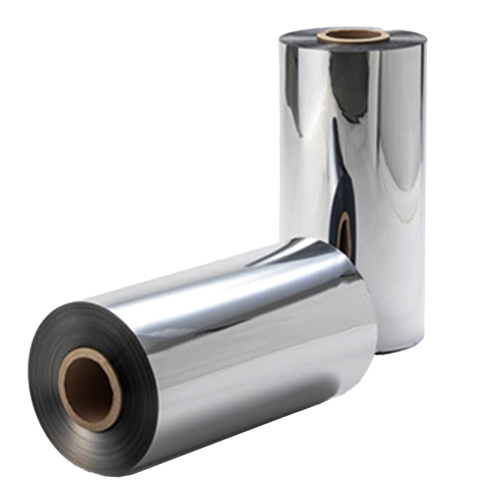
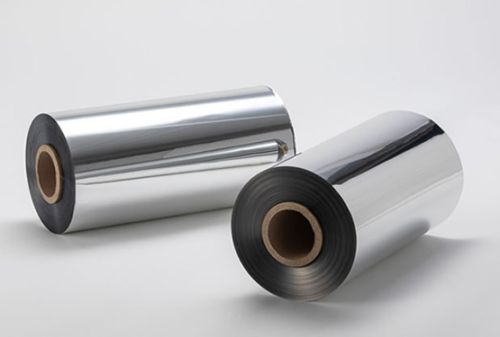
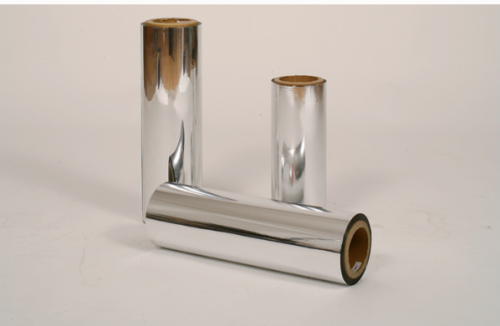
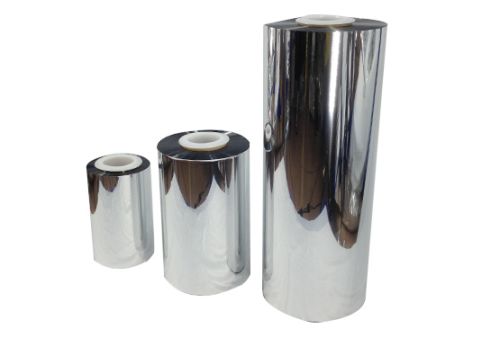
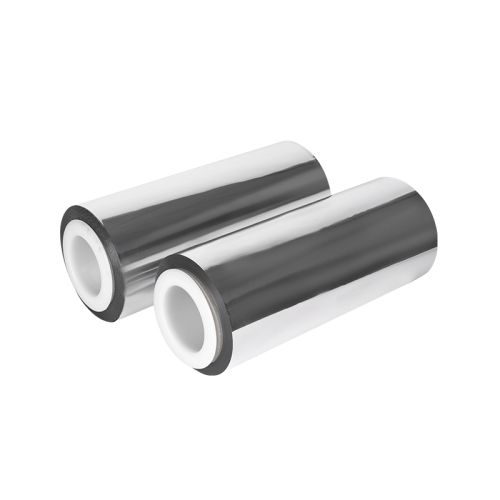
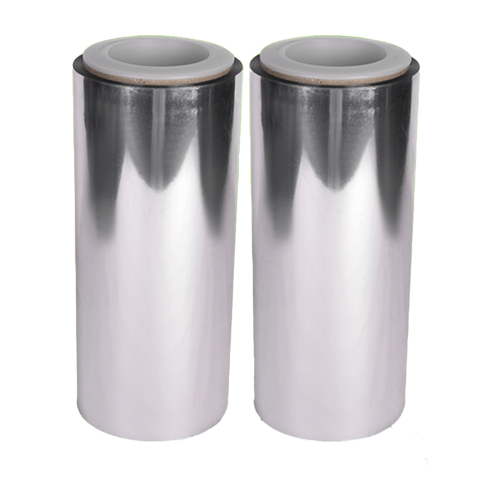
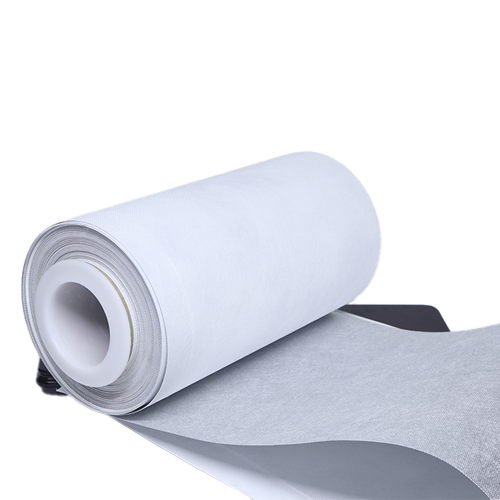
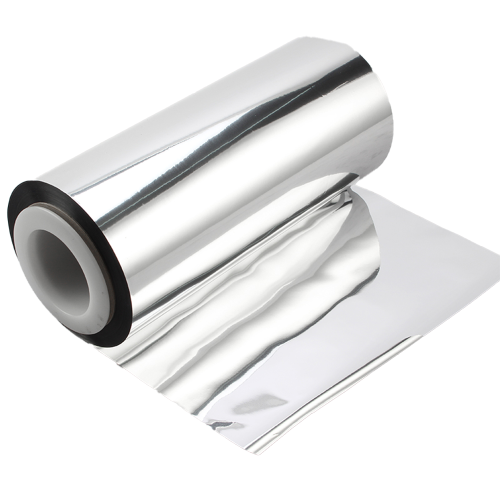
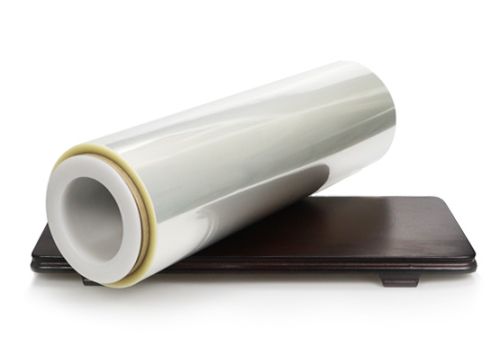
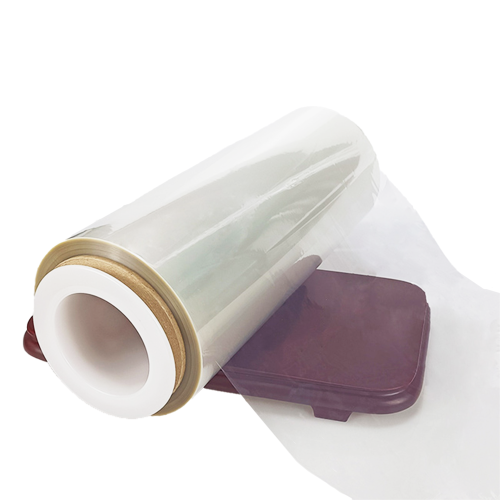
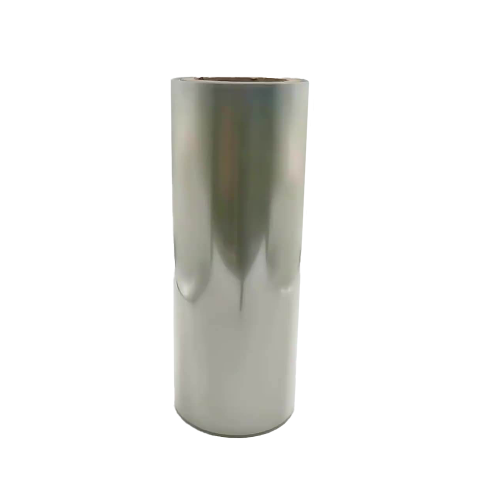
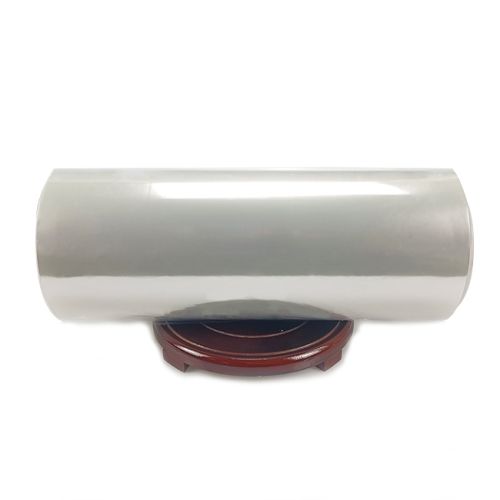
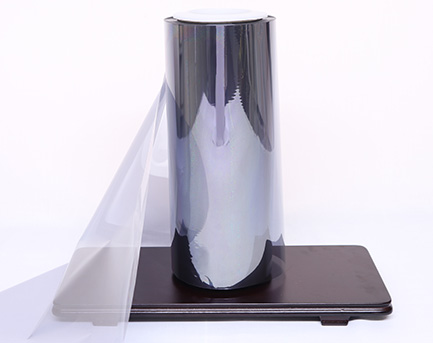
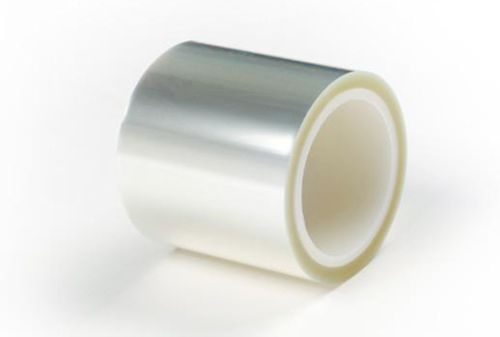
The construction shown for metallized paper in Cailong's film portfolio combines a paper component with functional coating, metallization and a heat-sealing layer. The local brochure identifies those layer roles. It does not provide an edge-wicking limit or guarantee grease resistance for every oily product. The converted package must therefore be assessed for the actual way its edges encounter the contents.
Map the stain before assigning a cause
Record where the mark begins, how its boundary develops and whether it appears on one face or both. Photograph the same location over time under consistent lighting. A repeated pattern beginning at a trimmed edge suggests a different investigation from a random mark in the center of an otherwise undamaged panel. Preserve the stained sample rather than describing it only as a barrier failure.
Compare the mark with the package geometry. Identify folds, seals, labels and any exposed paper edge near the product. Check whether the stain follows one of those features. Appearance alone cannot establish which substance caused it, so retain the product and relevant process materials where further analysis may be needed. Do not assume every translucent or darkened area is oil.
Distinguish a face from an edge
A coated surface and a freshly cut paper edge do not present the same construction to a liquid. The edge can expose material that the functional face normally covers. That is a reason to investigate edge contact separately, rather than to infer an edge-resistance value from oxygen, moisture or light-barrier descriptions for the flat web.
Request the selected layer arrangement and identify which surface is intended to contact the contents. Avoid estimating coating continuity from metallic appearance. If an edge-contact test is proposed, define it explicitly and retain a face-contact comparison. The two arrangements can help determine whether the observed problem depends on exposed edges or occurs across the coated area as well.
Use the actual product contact
An oily filling, an oily residue and an external handling contaminant may reach the paper differently. Reproduce the relevant contact rather than selecting a convenient test liquid without justification. Record contact location, duration and temperature. These are application conditions to agree for the investigation, not universal limits supplied by the material brochure.
Keep the amount and presentation of the product representative. A loose piece of paper immersed in oil may be useful for a particular laboratory question, but it does not automatically represent a sealed wrapper in normal use. Conversely, a neat flat specimen with protected edges may miss the pathway causing the commercial complaint. Match the test arrangement to the suspected route.
Review the package geometry
Trace the cross section where the mark appears. A fold can bring an edge near the contents even when the original flat drawing seems to keep it outside the product area. Seal placement and trimming can change that relationship. Inspect actual converted packs, including the range of normal positioning variation, rather than relying only on the nominal layout.
If a geometry revision is proposed, identify how it changes the contact path. Keep the material constant during the first comparison where possible. An improvement after both a new coating and a new fold design cannot establish which change prevented the stain. A controlled sequence supports a more practical purchasing decision and avoids adding an unnecessary layer.
Check for a separate leak
Oil reaching an outside edge may be a consequence of a package integrity problem elsewhere. Inspect the relevant seals and transitions using suitable methods. Do not label every stain as wicking within paper before checking the route by which product reached the edge. The package may need a sealing correction rather than a different barrier substrate.
Keep leakage and appearance criteria distinct. A package can be intact and still show an unacceptable contact mark, or it can look clean while containing a small integrity defect. Agree on the evidence needed for each function. That separation prevents a visual improvement from being presented as proof of better sealing or improved shelf life.
Assess the printed and finished pack
Printing, varnish and other additions can influence the appearance being judged. Compare the proposed commercial construction, with its actual print coverage and finishing sequence. Retain unprinted material where it helps diagnosis, but do not use an unprinted sample as the sole approval reference for a decorated pack. Note whether the mark changes color, gloss or readability in the areas customers will see.
Define the acceptance observation in measurable or clearly reproducible terms. Relevant criteria may concern stain size, location or visibility after the agreed storage. The values must come from the customer's requirement and trial, not from an invented generic paper standard. An approved physical sample can help align the brand, converter and material supplier on what the result means.
Compare replacement options by the whole brief
If metallized paper is being evaluated in place of a plastic laminate, retain the same product protection and appearance requirements. A paper feel does not establish resistance to the actual contents. Likewise, an additional protective layer should not be credited with an improvement until the contact path and finished result are checked. Review any changed environmental claims separately for the complete construction.
Send Cailong the layer drawing, product description and a marked sample showing where staining starts. Include the converting and storage conditions that reproduce it. Metallized paper can then be assessed for its barrier and paper-based format, while edge contact is treated as a defined application requirement. Locating that pathway provides a clearer route to improvement than replacing material on the basis of an unexplained stain.