A liquid product can contain oxygen before its pouch is sealed. Changing to a lower-transmission PET AlOx Film does not remove that initial oxygen. For a buyer investigating early oxidation, the first decision is whether the problem comes mainly from product handling and filling, later oxygen entry, or both. Film selection becomes more useful when those sources are distinguished.
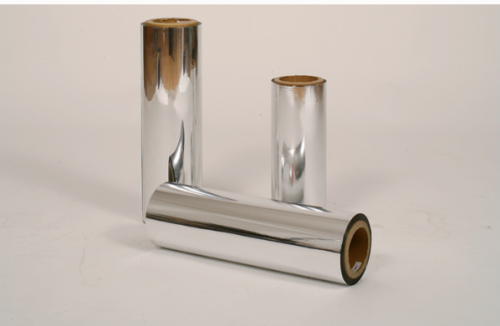
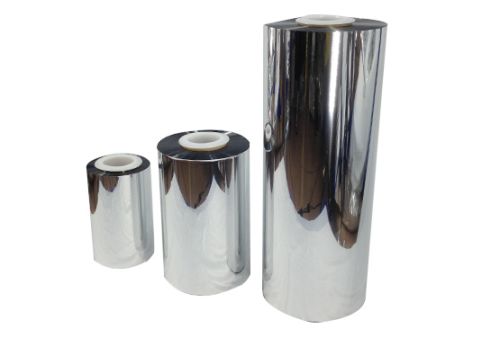
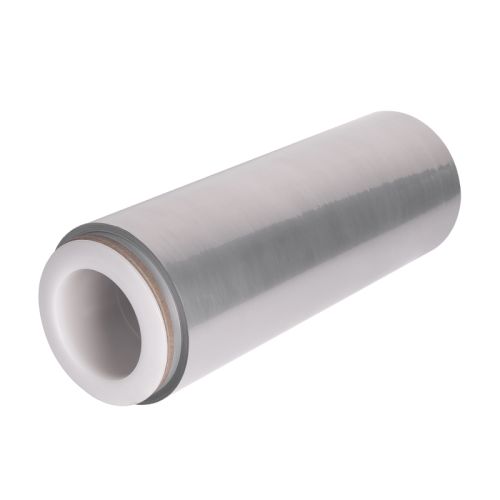
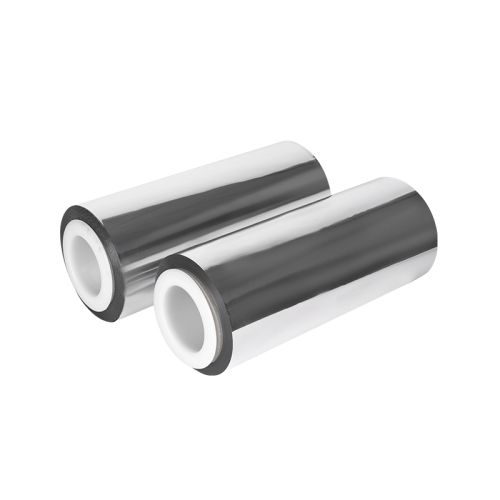
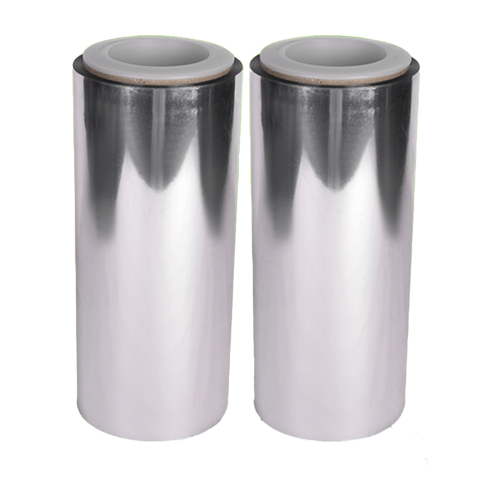
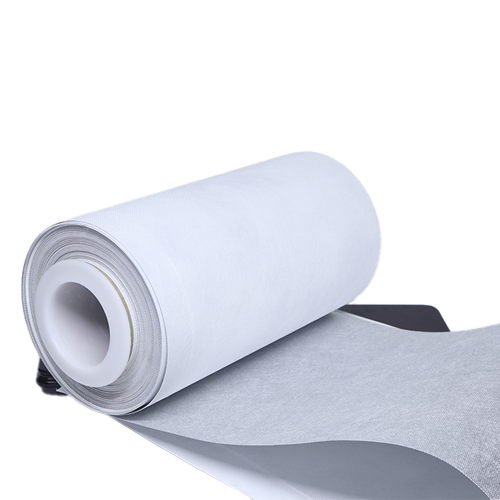
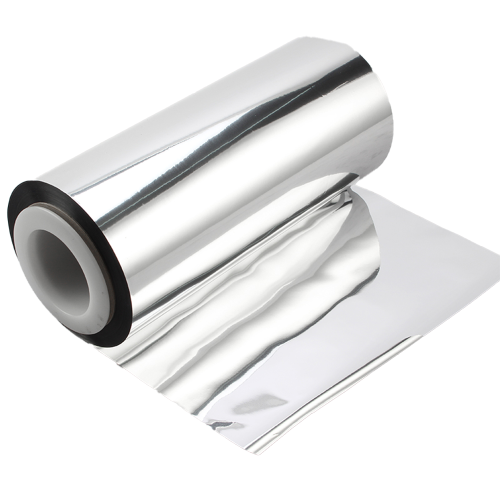
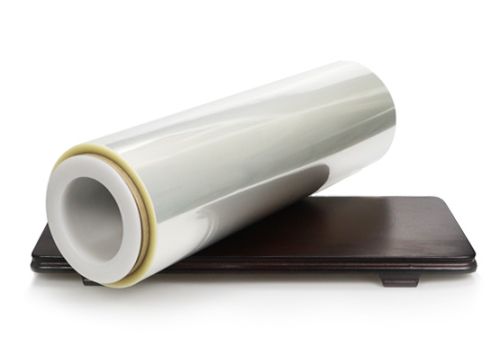
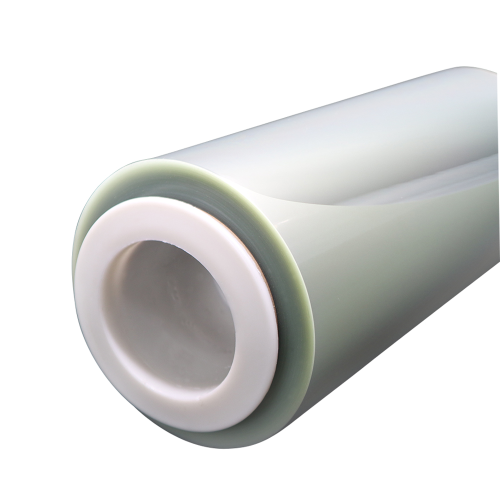
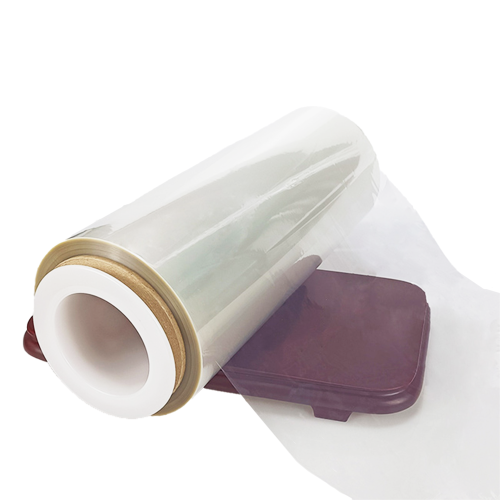
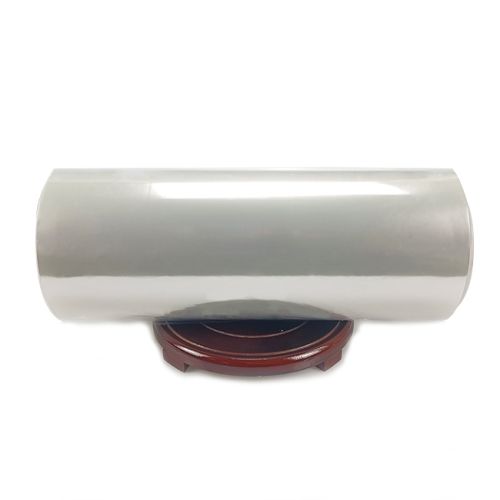
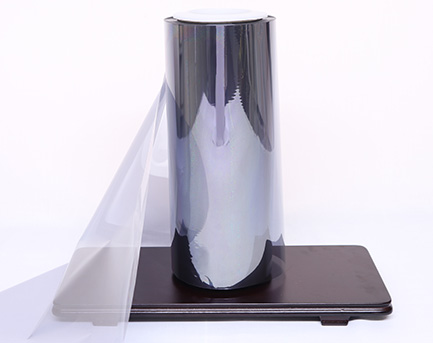
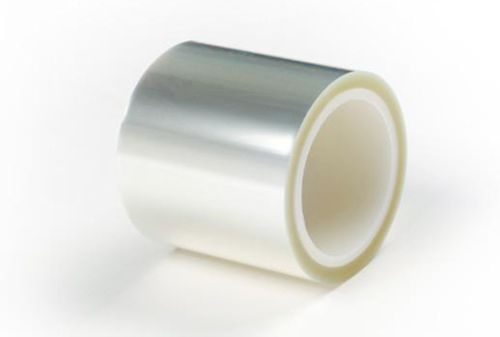
The transparent barrier material in Cailong's film portfolio is a 12 µm AlOx-coated PET film for laminate development. Its specified T03 grade is not intended for boiling, pasteurization or retort. A liquid-pack project must respect that processing boundary and qualify product contact, the sealant and the complete structure. The film is a candidate barrier layer, rather than a treatment for oxygen already inside the pack.
Separate the starting condition from later entry
At sealing, oxygen may be present in the liquid and in the headspace. During storage, the package can also admit oxygen through its construction or through an integrity defect. These contributions describe different stages. An incoming-film transmission test addresses a material pathway under its stated conditions; it does not report the oxygen content created by the filling operation.
This distinction explains why two packs made from the same laminate can develop different outcomes if their starting conditions differ. It also explains why an apparently good headspace result should not be read as a complete description of oxygen in a liquid pack. Identify what was measured, when it was measured and which phase the result represents.
Measure the liquid where the problem develops
Anton Paar's technical explanation of oxygen in beverages distinguishes dissolved oxygen, headspace oxygen and total package oxygen. These categories help frame a filling investigation. They are measurement concepts, not a claim that this PET AlOx grade is qualified for a particular beverage or processing route.
For the actual product, select an appropriate measurement method with the laboratory or instrument specialist. Follow samples through relevant handling points, such as a holding stage and filling, while documenting the procedure. A result taken from a differently handled laboratory sample may not represent the condition entering production pouches. Preserve timing and sample preparation with the values.
Keep the headspace question separate
Record fill quantity, headspace and any gas-management step actually used. These details help interpret the initial package condition. A low oxygen concentration in a large headspace and the same concentration in a small headspace do not describe the same oxygen quantity. Avoid comparing percentages without the information needed to understand the pack being assessed.
Likewise, do not infer dissolved oxygen from a headspace reading taken at an unspecified time. Use the appropriate measurements and interpretation for the product and method. The objective is a traceable starting condition that can be compared between trials, rather than a single convenient number that leaves another oxygen source unexamined.
Give the transparent film its proper role
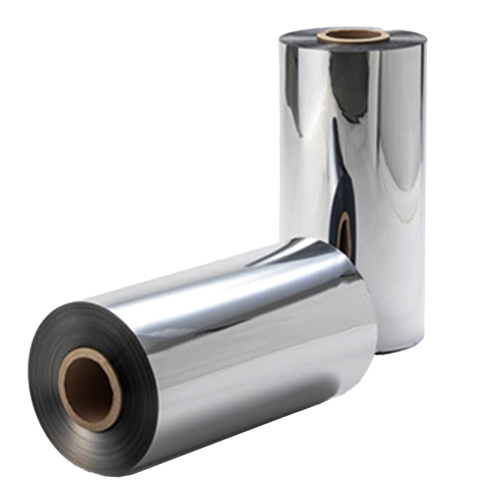
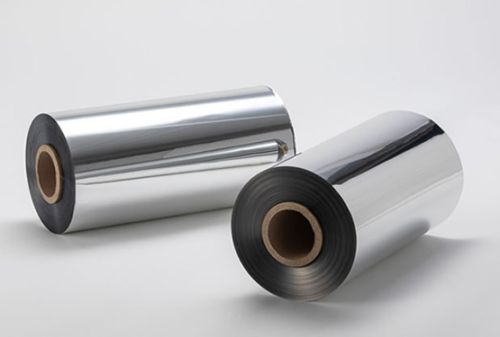
PET AlOx combines product visibility with an oxygen-barrier function. That can be valuable when an opaque metallized or foil-based construction hides the contents. For the proposed liquid pack, evaluate the actual laminate and its converting history. The barrier component cannot be selected independently of the layers that supply sealing, support and the required product-contact surface.
The supplied TDS does not state the temperature and humidity used for its OTR and WVTR entries. Request the conditions needed for a valid comparison before turning those entries into a shelf-life calculation. Do not promise a storage period from a bare film value, especially while the initial oxygen content of the filled pack remains unknown.
Check integrity alongside transmission
A seal or closure defect can create an oxygen route that a flat-film measurement does not represent. Use the integrity checks appropriate to the actual pouch and filling process. Keep those results distinct from transmission measurements. A package may need evidence for both, and an acceptable result in one does not close the other requirement.
Inspect samples prepared on the intended filling equipment where practical. Product at the seal, pouch handling and the actual closure arrangement belong in that evaluation. Retain specimens from relevant process stages to locate a problem. Do not assign early oxidation to the coating before checking whether the pack and its starting condition match the development assumptions.
Design a comparison that can identify the benefit
To compare barrier constructions, keep the product and filling conditions controlled and record the initial oxygen evidence. To compare filling changes, retain a consistent package construction. Changing both at once may improve the result without showing which contribution mattered. A staged trial gives the packaging and production teams a clearer next action.
Select storage observations relevant to the product, with agreed methods and acceptance criteria. Color, flavor or another quality change needs suitable product evidence rather than a general film claim. Where a transparent window is required, include its appearance after storage as a separate outcome. Visibility does not establish product stability, and good stability does not automatically approve every visual requirement.
Interpret later measurements with the starting record
A result obtained after storage cannot by itself reconstruct what the pack contained at sealing. Keep the initial measurements and storage history available when reviewing a later product change. If the laboratory uses a total-oxygen calculation, preserve its inputs and method. This prevents a later measurement from being mistaken for direct evidence that the filling operation introduced little oxygen.
State the application boundary in the enquiry
Send Cailong the product type, filling conditions, intended structure and required storage environment. Include what is known about dissolved and headspace oxygen, and identify any missing measurements. Confirm that the selected non-retort film is compatible with the proposed process before running a commercial trial. A thermal requirement outside its scope needs a different material discussion.
The practical goal is a package and filling process that control the relevant oxygen sources together. PET AlOx can be assessed for transparent barrier protection during storage, while initial oxygen is addressed through the product and filling investigation. This division makes a material replacement decision more precise and avoids expecting the barrier layer to correct a condition created before sealing.