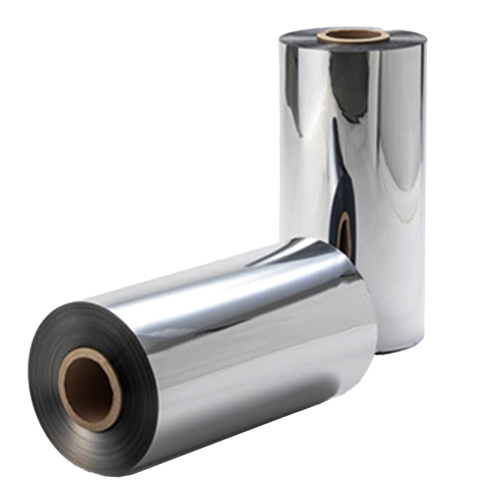
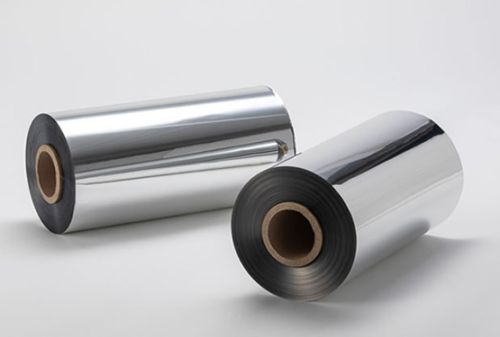
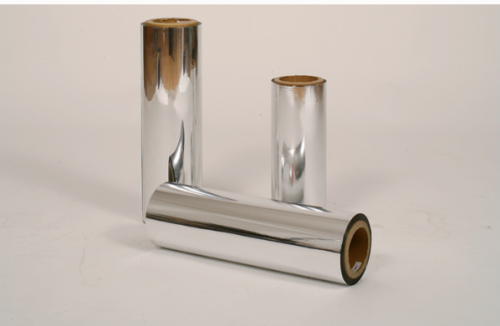
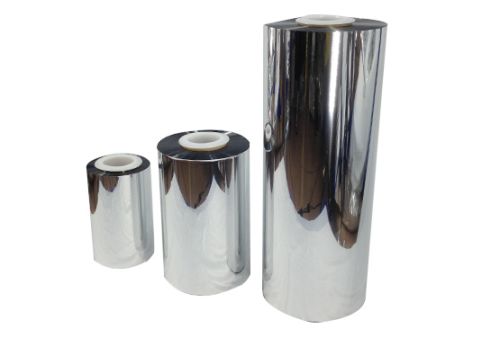
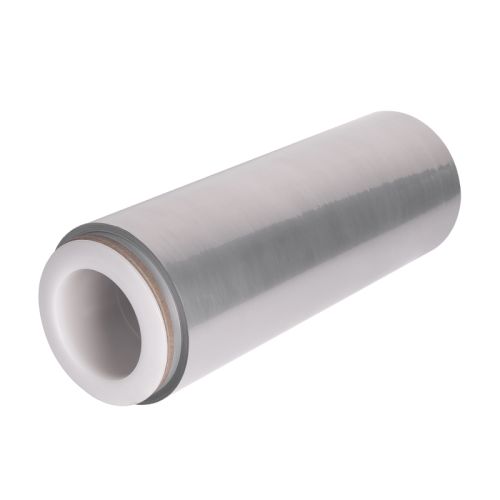
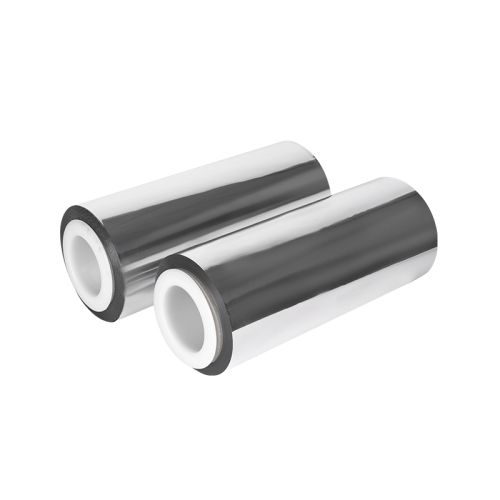
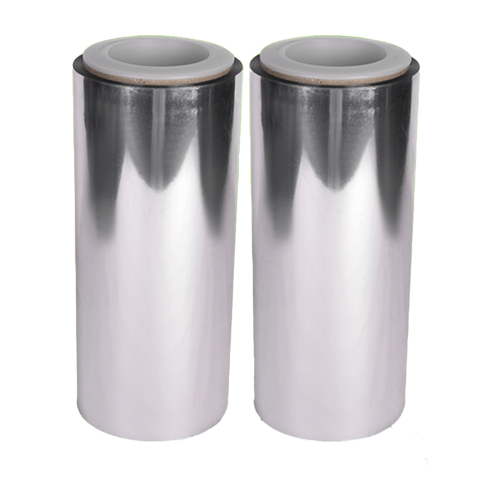
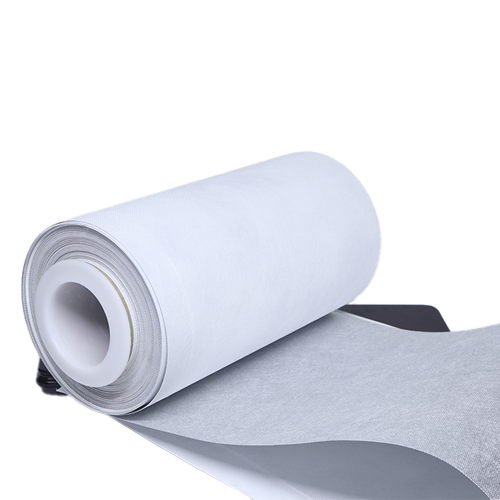
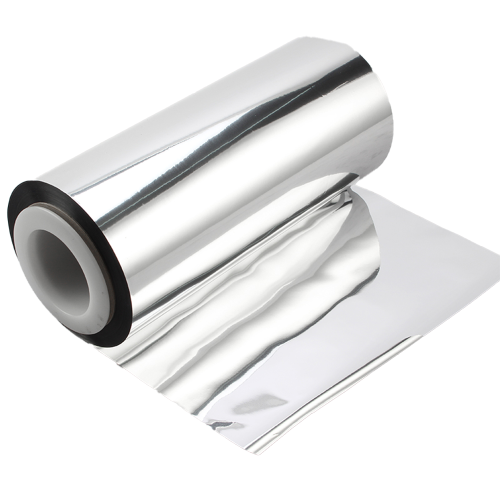
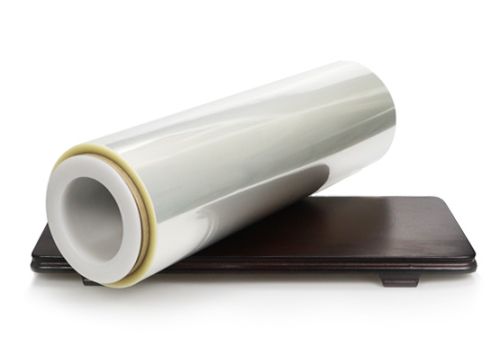
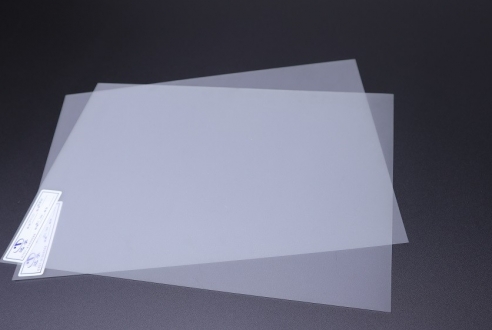
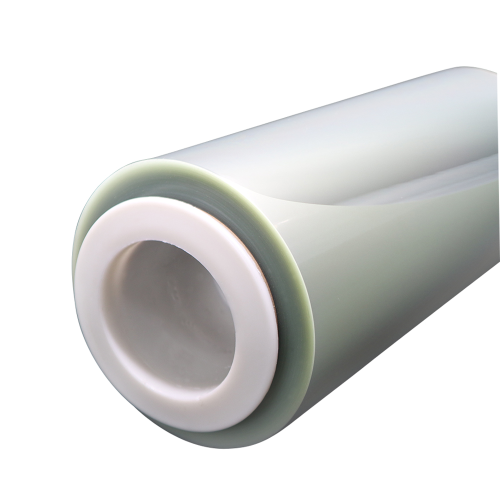
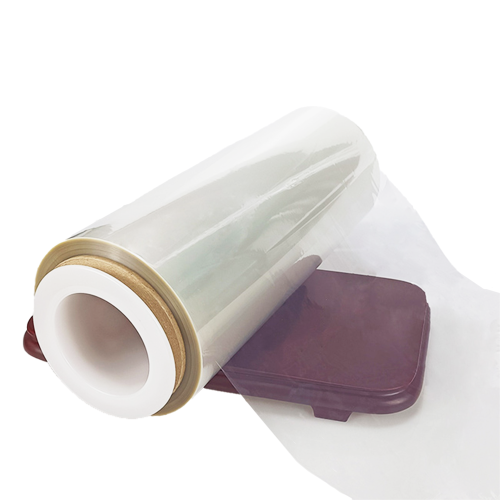
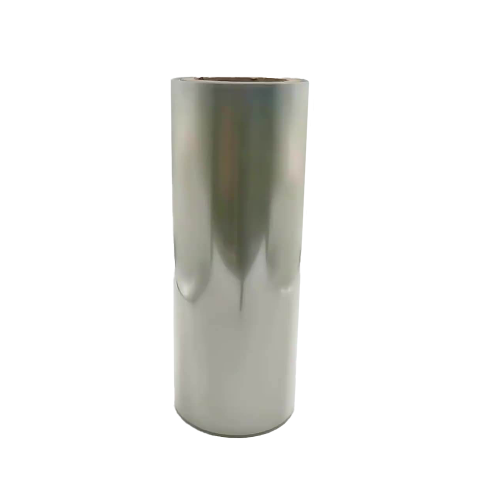
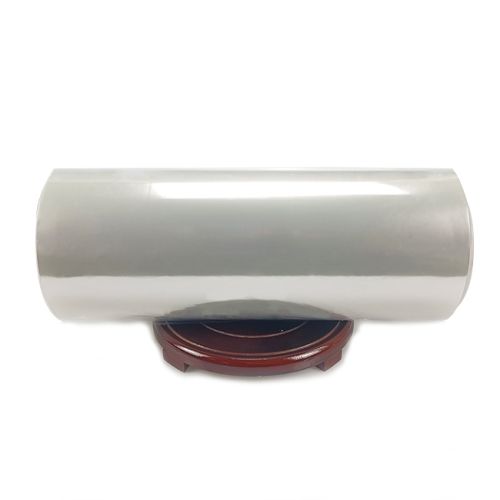
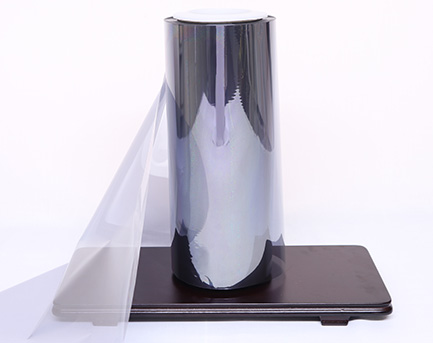
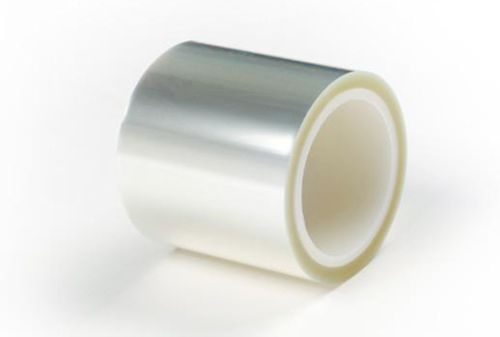
A nylon web may unwind acceptably at the start of a shift and become harder to keep flat after exposure on the production floor. When evaluating BOPA Film, record when the roll was opened and what happened before the waviness appeared. The shape of a free web is a different question from oxygen barrier or the strength of a filled pouch.
Cailong identifies the material in Cailong's film portfolio as a transparent, high-barrier BOPA nylon film for laminate development, with a reference gauge of 15 µm. Its TDS describes a specified BOPA / RCP laminate and retort-related barrier information. Those references do not provide a humidity-to-flatness curve or a universal conditioning period for an opened roll.
Treat moisture as a variable to investigate
Nylon materials can absorb moisture, and their dimensional response depends on material and environmental conditions. That general behavior makes exposure history relevant to a flatness investigation. It does not prove that moisture caused a particular defective roll. Winding history, tension, temperature and the other layers in a construction should remain in the investigation until evidence distinguishes them.
Avoid borrowing a numerical expansion rate from a nylon resin plaque or another film grade. The supplied barrier BOPA has its own construction and processing history. Ask Cailong for guidance applicable to the selected film and describe the actual problem. A generic nylon property can explain why conditioning matters without establishing the magnitude or timing of the response in this web.
Compare samples with known histories
Retain a protected reference when opening the roll, and identify specimens taken after defined periods of exposure. Record temperature and relative humidity where the material is actually held, not only the warehouse's nominal setting. Note whether the roll remained wrapped between operations. These observations help establish whether the visible change follows exposure rather than simply occurring later in production.
Take specimens from identified roll positions. An outer wrap and an interior section may have experienced different handling, so comparing them without records can confuse position with exposure time. Use enough material to observe the direction and pattern of waviness. Label machine and transverse directions, especially where the issue affects one orientation more strongly than the other.
Define how flatness is observed
A web pulled taut between rollers can appear flatter than the same piece lying freely on a table. Neither observation is wrong, but they describe different constraints. Agree whether the acceptance question concerns free-web shape, feeding under production tension or flatness of the completed laminate. Use a consistent specimen size and support arrangement when making before-and-after comparisons.
Describe the defect instead of recording only pass or fail. Are both edges wavy, is there a diagonal twist, or does one side lift? Is the pattern continuous or confined to a roll section? Photographs with direction markings can help the supplier understand it. Do not assume every raised edge represents the same dimensional mechanism or requires the same correction.
Distinguish exposed film from a laminate
Once BOPA is bonded to another layer, the combined construction has a different set of constraints. If the problem first appears after lamination, compare the incoming webs with the laminate at identified stages. Record adhesive application, curing and storage conditions. A flatness issue in the laminate cannot automatically be assigned to the nylon film's moisture response.
The BOPA / RCP construction identified in the source is useful for discussing layer roles, but it does not settle the cause of curl in every customer's structure. Keep the actual layer gauges, adhesive and orientation in the sample record. If one trial changes both the nylon exposure history and the bonding process, it may show improvement without identifying which change mattered.
Do not correct every wave with tension
Increasing web tension can suppress a visible wave while the material is restrained. That is not evidence that the underlying condition has disappeared. After release, inspect the material again and check the outcome required by the next operation. Printing, pouch cutting and stacking may expose a shape problem that was less obvious while the web was held tightly.
Any equipment adjustment should stay within the converter's approved operating practice. The product TDS does not supply a universal tension setting for every width and machine. Record the actual settings used in a controlled comparison. If the observed problem persists only at one station, examine that station's handling conditions before treating the whole roll as unsuitable.
Build a conditioning trial around production
Ask whether the factory can maintain a consistent sequence from unpacking through conversion. Compare practical handling alternatives under agreed conditions, rather than inventing a long conditioning hold that production cannot reproduce. Include the point at which the roll is opened, where it waits, how unused material is protected and when the next operation begins.
Evaluate the relevant final outcomes alongside flatness. A procedure that improves free-web appearance must still preserve printing registration, laminate bonding and package integrity. Do not assume that a better-looking web proves unchanged barrier. Where the packaging brief requires transmission data after conversion, obtain that evidence on the construction and condition actually proposed for production.
Make acceptance and responsibility clear
The purchasing specification should distinguish incoming roll condition from changes after an agreed exposure or conversion sequence. State how samples will be prepared and what observation defines acceptance. This gives both sides a reproducible question and makes a complaint more useful than an unqualified statement that the film curls. Preserve the agreed handling instructions with the material identification.
Send Cailong the roll number, film gauge, opening time, environmental record and photographs showing the wave pattern. Include the actual laminate if the issue appears only after bonding. The objective is to identify whether moisture history contributes to the loss of flatness and then control the relevant step. A material decision based on that evidence is more useful than changing barrier grades before the cause has been established.