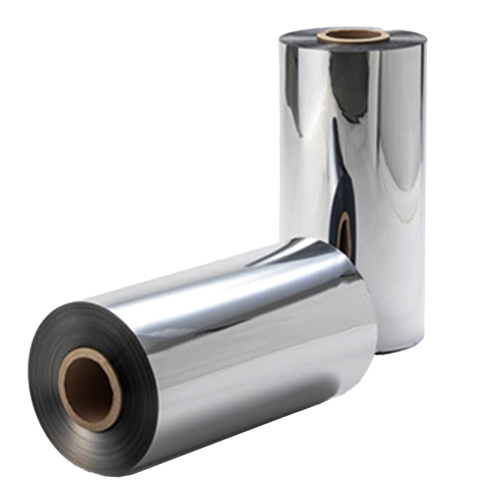
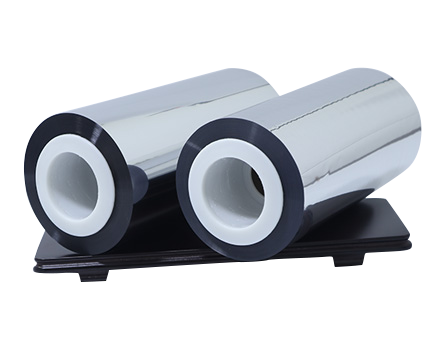
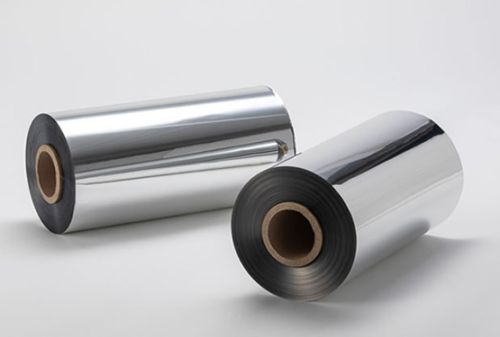
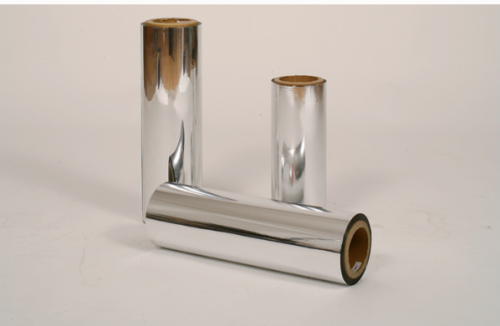
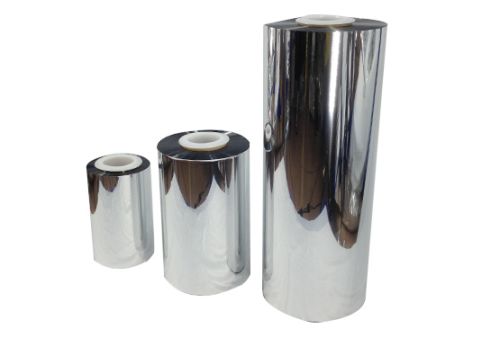
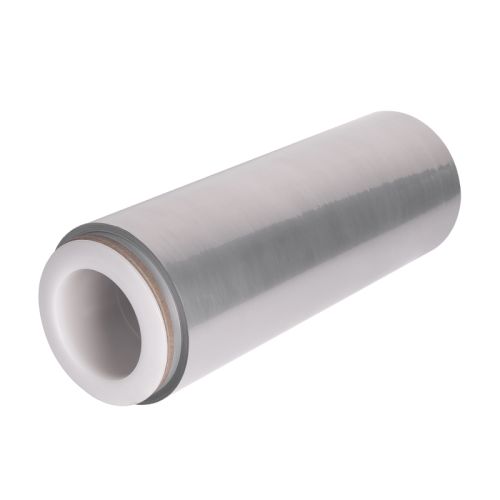
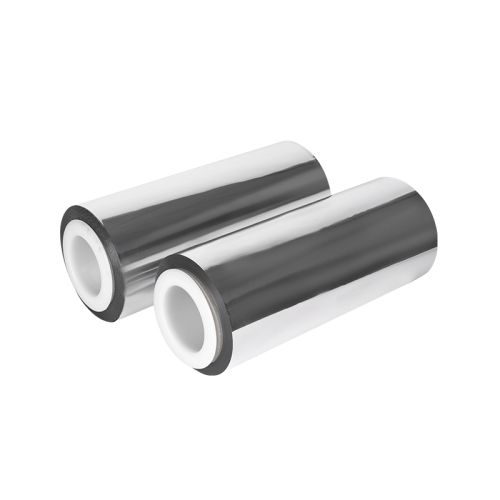
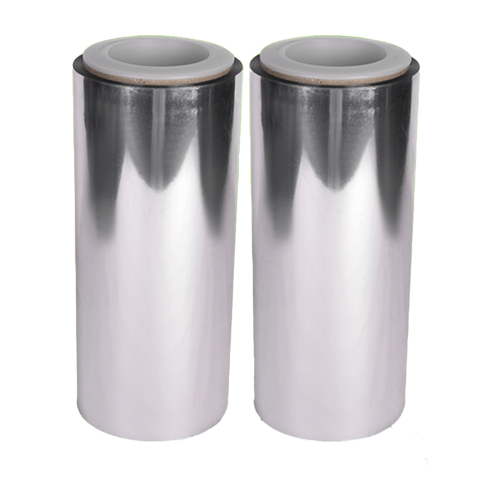
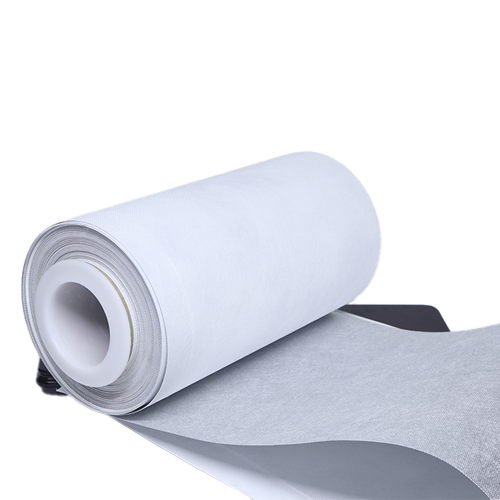
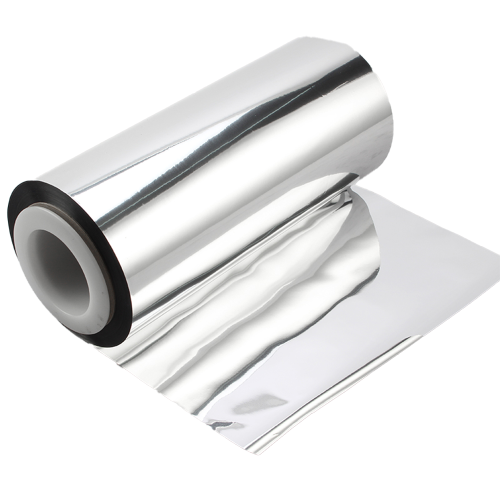
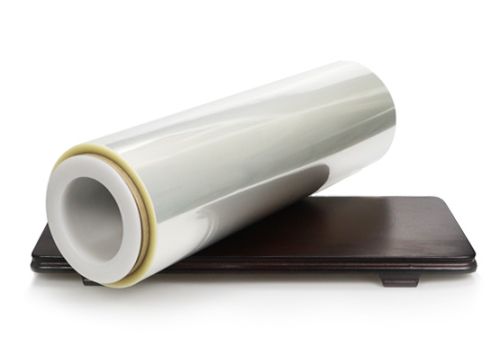
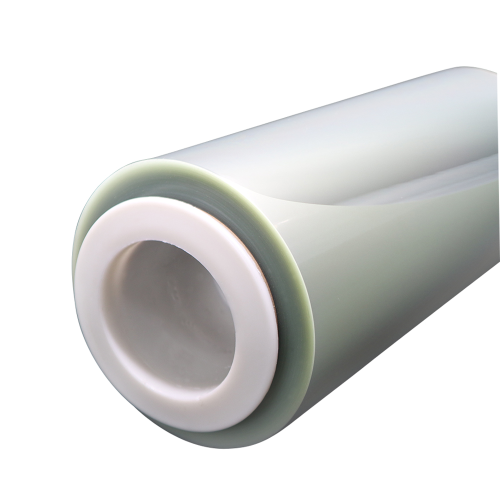
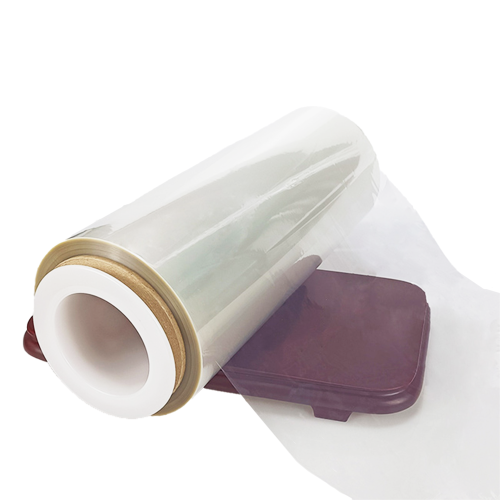
Replacing a film laminate with paper changes the packaging proposal, but it does not by itself establish the recycling outcome. Metallized Paper is worth considering when a buyer needs a paper-based format with barrier functions. The purchasing decision should distinguish the supplied material from the printed, sealed and filled package that will eventually enter a waste collection system.
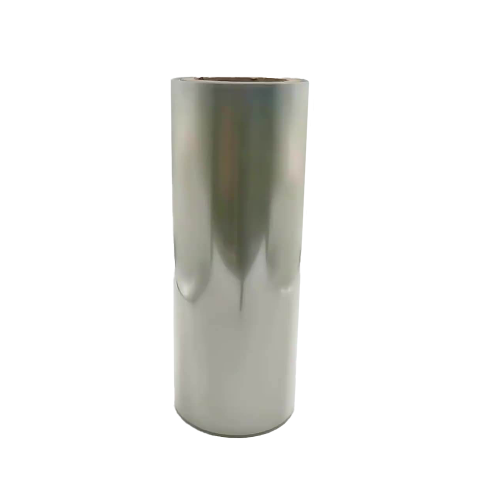
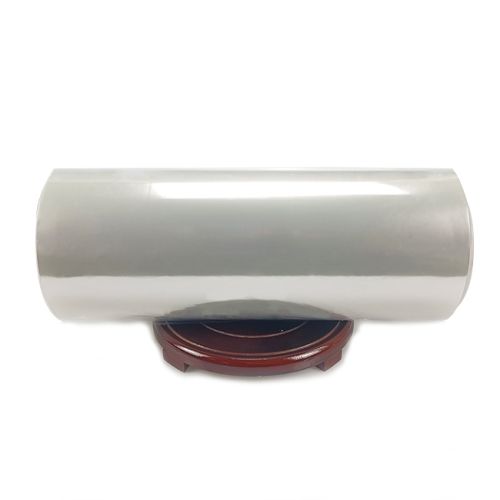
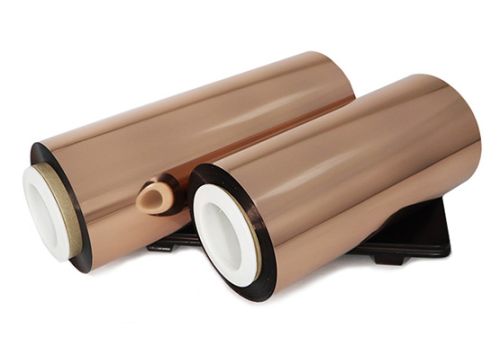
Within Cailong's film portfolio, metallized paper is presented for barrier packaging and printing applications. The local brochure shows a construction incorporating paper, coating, a metallized layer and a heat-sealing layer. Each component serves a purpose in use. The same components also make it necessary to assess the complete construction before attaching an unqualified recyclability statement to a commercial pack.
Define the claim before changing the material
Ask what the customer means by recyclable. They may be asking whether fibers can be recovered in a laboratory process, whether a particular mill can accept the material, or whether consumers in the target market have an established collection route. These are related questions, but an answer to one does not automatically settle the others. Write the intended claim in plain language first.
A development brief that says only paper packaging leaves too much unresolved. Identify the sale market, pack format, expected disposal stream and the evidence required by the customer. This gives the material supplier and testing organization a common question. It also prevents a later disagreement in which a technical report is expected to support wording beyond the report's scope.
Follow the construction through converting
The incoming metallized paper is only the starting point. Printing inks, primers, protective varnishes, added adhesive, labels and any extra sealing component may become part of the saleable pack. Keep a construction record that follows these additions. A test on an unprinted roll should not be represented as a result for a heavily printed pouch with a different coating system.
Record the actual specification without estimating missing layer weights from a product photograph. If fiber content is required, obtain the composition information needed to calculate or measure it. A metallic appearance cannot tell a buyer the metal loading, and a paper feel cannot establish the proportion of recoverable fiber. Unsupported percentages make both supplier comparisons and environmental statements less reliable.
Separate product protection from fiber recovery
Barrier layers are present because the contents need protection. Cailong identifies oxygen, moisture and light barrier functions for this material. Whether the selected construction provides sufficient protection still depends on the application and converted package. Removing or reducing functional layers solely to simplify a recycling message can create a new shelf-life problem that the original material was intended to address.
Treat product protection and recycling evaluation as two development tracks with a shared construction record. On one track, determine the required barrier and package performance. On the other, evaluate how the same construction behaves in the relevant recycling process. This makes the tradeoff visible without assuming that stronger barrier always means poorer recovery, or that a lighter coating automatically produces a better result.
Use a relevant evaluation route
The 4evergreen recyclability evaluation protocol describes assessment routes for conventional, flotation-deinking and specialized recycling processes. Its purpose illustrates why the intended process matters when interpreting laboratory evidence. A result needs to be read together with the tested sample, method and route; it is not a universal statement about collection access in every country.
Discuss the appropriate route with the testing organization before submitting samples. Supply the full composition and identify which commercial version is represented. If several print coverages or pack constructions are sold, establish whether one evaluation can reasonably cover them. Do not assume that the least printed specimen represents every variant, or that a report on another supplier's paper applies to this material.
Read the result beyond a pass label
Request the complete report and the interpretation relevant to the agreed protocol. Check what material was tested, how the sample was prepared and what conclusions the laboratory actually reached. Where the report identifies limitations or unsuitable uses, preserve them in the purchasing record. A short commercial summary should remain traceable to that detailed evidence rather than replace it.
Also ask what has not been established. Laboratory assessment may answer a processing question without proving local collection, sorting or commercial availability of the relevant recycling route. The marketing team needs that distinction before writing a disposal instruction. The packaging engineer needs it before treating a material change as a completed environmental improvement.
Compare alternatives on an equal basis
When comparing metallized paper with a plastic laminate or an uncoated paper proposal, use the same functional brief. Include the required barrier, sealing format, pack size and intended contents. A comparison between protected food packaging and a simpler paper wrapper may hide a difference in product protection. The appropriate replacement is the construction that meets the actual brief and has evidence for its stated disposal pathway.
Cost comparison should likewise follow the complete pack rather than the price of an isolated web. Additional coatings or sealing layers can change both conversion and the construction being assessed. If the design changes after testing, review whether the previous evidence still applies. Retain version identifiers so purchasing does not unknowingly order a different structure under the same general product name.
Prepare a useful supplier discussion
Send Cailong the intended contents, barrier requirement, converting process and target recycling question. Ask for the selected paper construction and available composition documentation before deciding what external testing is needed. Keep customer claim approval tied to the finished packaging version. This approach lets metallized paper compete on practical product protection and documented evidence, rather than on the assumption that the presence of paper settles the recycling question.