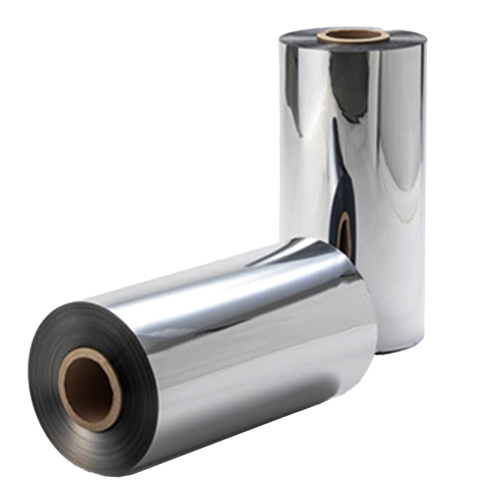
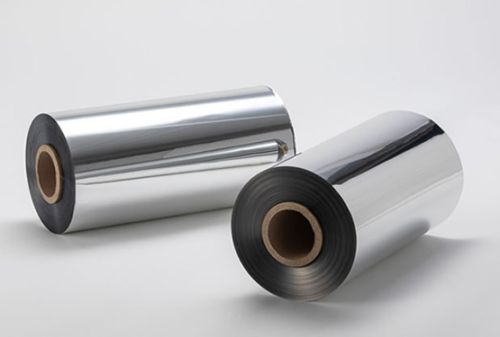
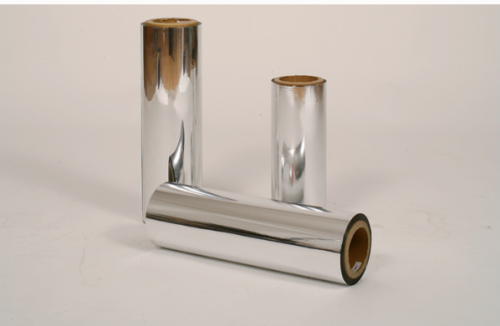
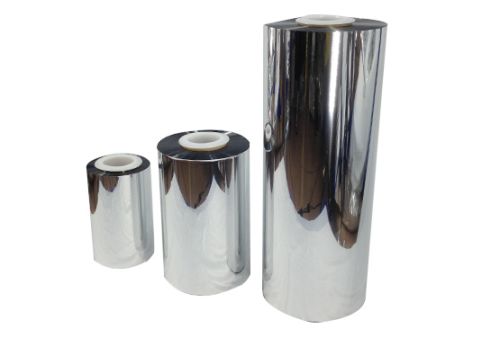
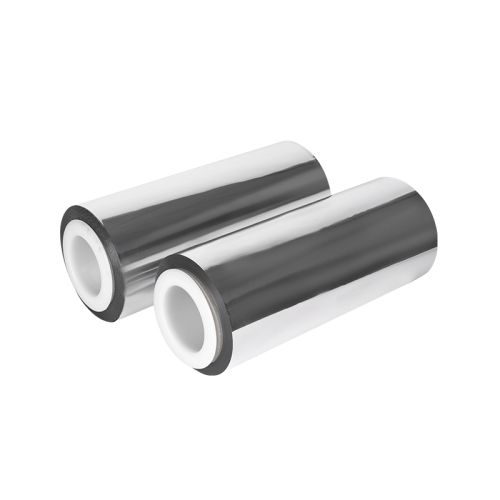
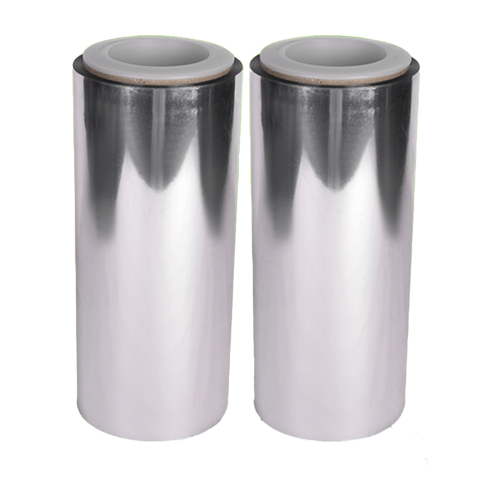
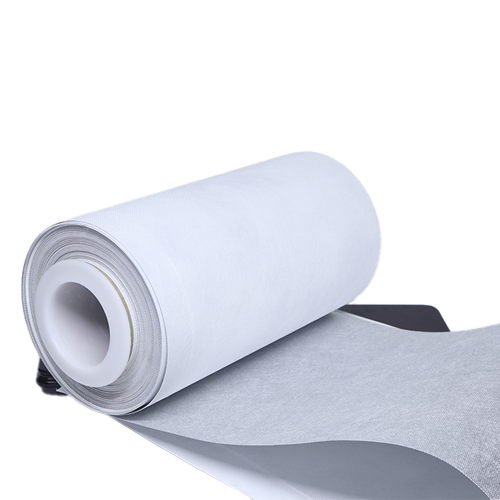
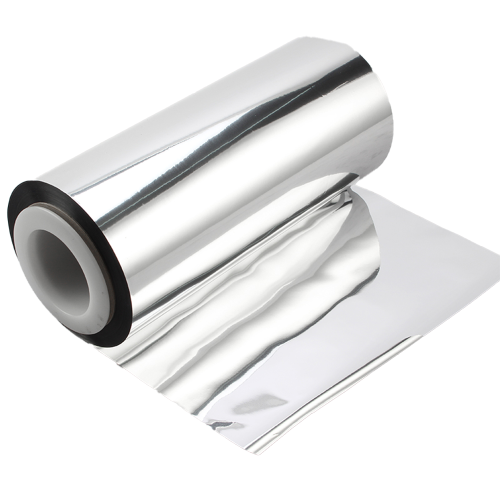
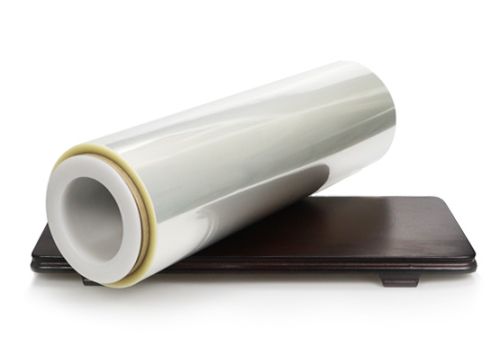
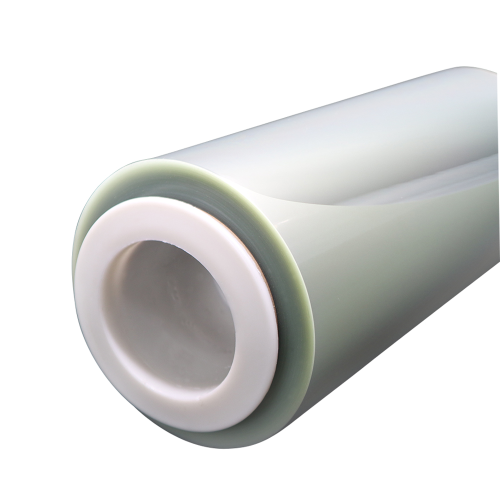
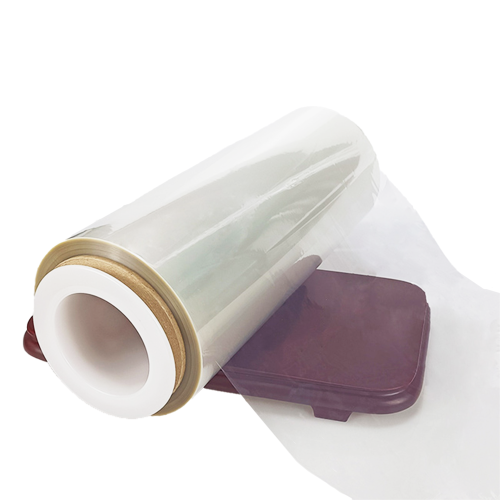
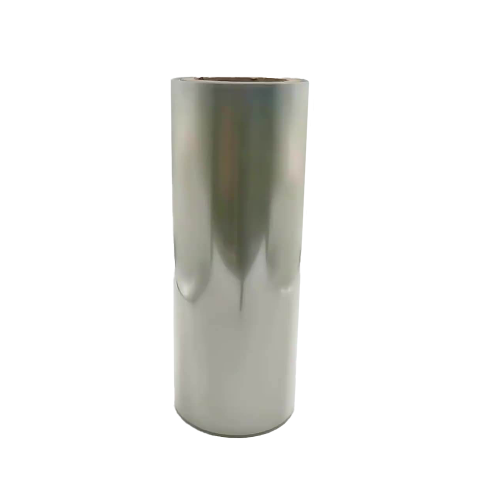
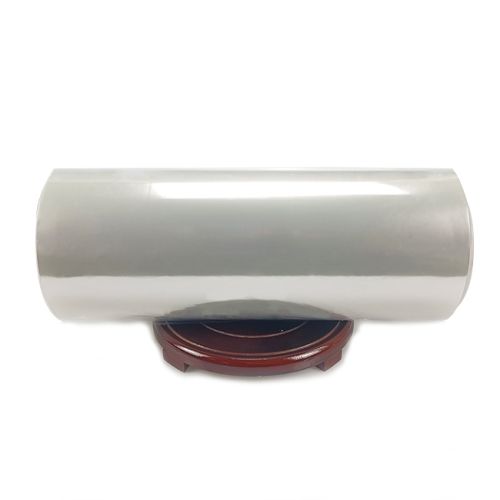
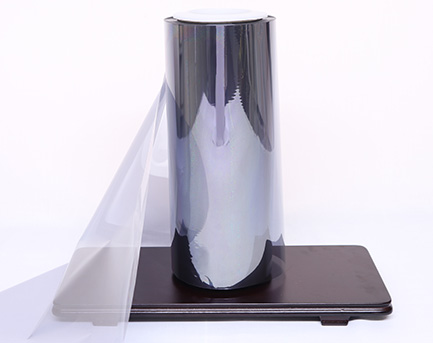
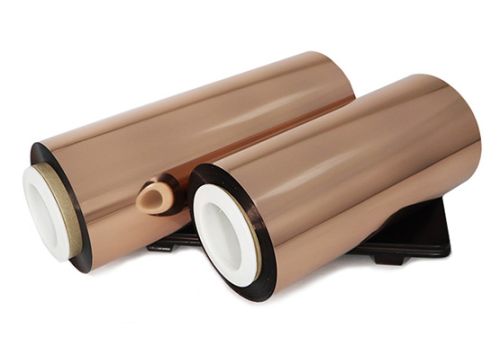
Metallized PET Film can be considered for granola bar wrappers when the brand needs protection for a compact product made from ingredients with different moisture and texture characteristics. A bar may contain dry cereal, nuts, fruit and a binder, yet the wrapper is often judged only by whether the end seals stay closed. Film selection should address the whole portion, including product contact and the quality changes that develop during storage.
Cailong's Metallized Film Supplier range identifies the VMPET-GZ series for oxygen and moisture protection, with dry foods and related food-packaging applications listed. It supplies a barrier-web option for converter evaluation. The selected grade is not a measured guarantee of granola-bar freshness, nor does it establish how a particular binder, coating or sealing system will behave in the finished wrapper.
Internal texture changes need a recipe-aware brief
Determine whether the customer's complaint is external moisture entry, moisture loss or redistribution among ingredients already enclosed in the bar. A dry inclusion can change texture while the pack remains closed because its environment includes the binder and other ingredients. A lower WVTR cannot prevent every change occurring inside the recipe. Keep the bakery or food-development assessment separate from the wrapper's measured transmission properties.
Use the actual bar formulation and portion dimensions in comparisons. A chewy bar and a brittle cereal bar should not automatically share one acceptance target. If a chocolate or other coating is present, include its application and cooling condition before wrapping. The packaging request should describe the quality criterion for the whole bar rather than assign a generic dry-snack specification to every version.
Metallized PET Film contributes barrier, not the sealing surface
A printed PET / adhesive / VMPET-GZ / adhesive / PE laminate is one structure to evaluate where a heat-sealing inside surface is appropriate. The printed web carries the graphics, the metallized PET contributes the protective barrier, and PE provides the closing surface. The converter must confirm gauges, adhesive interfaces and the actual sealing route. This is a proposed wrapper construction, not a production claim for Cailong.
If the packing line uses a converter-added cold-seal system, specify that route independently. It changes the closing interface and introduces its own coating, release and handling requirements. Do not assign a cold-seal function to VMPET-GZ simply because the bar is heat-sensitive. The material shortlist should distinguish the barrier web from whatever layer or coating actually creates the wrapper closure.
A sticky bar can challenge feeding and clearance
Observe the product as it enters the wrapping operation. Binder residue, loose fragments and coating contact can affect how the bar is positioned relative to the longitudinal and end seals. Check the actual pitch and available clearance around the portion. A neatly presented laboratory bar may not reproduce the normal variation that brings sticky material close to a closing jaw.
Retain examples from the affected line positions when investigating a recurring defect. A product smear crossing an end seal requires a different correction from an adhesive or metal-layer interface problem. Keep product-origin contamination and laminate bond observations separately identified. Changing the barrier grade without checking the product presentation can leave the wrapper's actual leakage path unchanged.
Protect the corners of a dense portion
Hard inclusions or a sharp bar edge can load the wrapper at a small area during handling. Inspect the filled portion around its corners and near seal transitions. The candidate laminate needs a mechanical assessment appropriate to those contacts, not simply a tensile result from one web. Individual layer gauges and the inside surface can affect the completed wrapper's response.
Compare portions in the actual display box or multipack arrangement. Compression from neighboring bars and movement during cartoning can create contacts absent from a loose wrapped sample. Record product breakage separately from package rupture. An intact wrapper around a badly fragmented bar may still fail the brand's presentation requirement, while a small local film defect can compromise protection without a dramatic product change.
Metallic appearance affects the decoration standard
Fix the intended background, white coverage and graphic zones on the wrapper. A design approved on paper is not automatically an acceptable print standard for a metallic construction. Assess the selected laminate with the actual artwork and backing so that the brand can distinguish a deliberate metallic effect from an unwanted change in color or readability.
If the new wrapper replaces foil, compare the old and proposed structures for appearance as well as protection. Do not describe every metallized PET grade as equivalent to foil in opacity, folding or barrier retention. Ask for evidence relevant to the selected construction and assess it after the bar's wrapping and cartoning route. A favorable incoming web report does not represent every sharp fold in a small wrapper.
Connect the wrapper report to the stored bar
Measure OTR and WVTR on identified specimens under the agreed conditions. Use the resulting information with the customer's texture, aroma and coating assessments on the packed portion. Keep initial product condition and storage route consistent between the reference wrapper and the candidate. This prevents a recipe or cooling difference from being interpreted as a material improvement.
Include closure integrity and opening in the final comparison. The consumer should be able to access the bar without pulling a tear through the portion or losing loose ingredients unnecessarily. If an opening feature is introduced, assess the unopened wrapper with that feature present. Ease of opening and resistance to accidental damage are different functions and should not be reduced to one tear-strength